
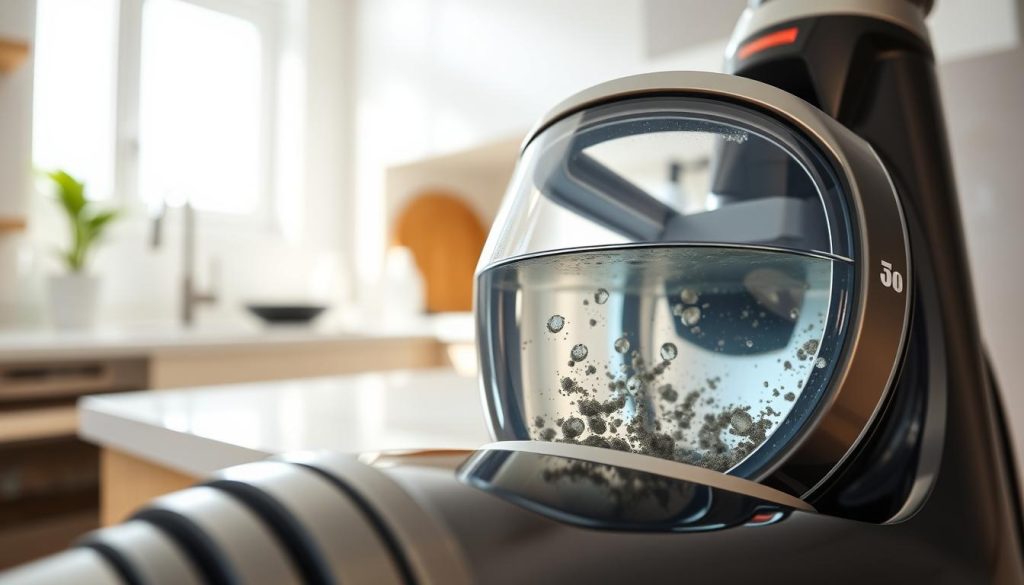
We present a compact guide to second-hand shop-grade extraction units aimed at Singapore workplaces. Our focus is uptime, robust construction and easy on-site checks that predict reliable performance.
We prioritise stable suction, intact shut-off features, safe filtration and sensible running costs. These are the traits facility teams, contractors and F&B operators need when choosing a model for mixed tasks.
Expect short notes on NT-class Tact units, Ap-class all-rounders, standard liquid models and safety-rated M/H options. We also explain what to inspect before committing, and which parts to replace straight away.
For practical test results and model benchmarks, see our linked roundup of shop-vac performance, which helps compare airflow, suction and hose size when evaluating condition on site: shop-vac tests.
Why we recommend a wet dry vacuum for Singapore workplaces
Singapore sites need a single, hard-wearing machine that copes with dusty floors and sudden spills across busy shifts. Our focus is on models that deliver steady suction, easy switching between modes and low downtime.
One machine for dust, debris and liquid spills
One unit replaces multiple tools. Teams can pick up fine dust after light works and recover water after a pantry overflow without swapping equipment. This reduces storage and shortens training time.
Designed for fast-paced environments and continuous use
Commercial settings need durability. We prioritise components that hold power during long runs so cleaners keep pace with the day’s demands rather than causing delays.
Where wet dry units fit alongside high-pressure cleaning
Pressure washers shift heavy grime on tough surfaces. The extraction unit then finishes indoor tasks, captures slurry and stops track-in of water. Together they protect flooring and lower material costs.
In short, the right type of unit supports hygiene, speeds up routines and reduces repair bills across workshops, F&B back-of-house areas and maintenance corridors.
How we shortlisted these used models for performance and value
We prioritised machines that show steady suction across hours of practical use. Our tests measure not only start-up pull but sustained airflow under real dust loads. That approach separates a robust unit from one that only looks powerful on paper.
Filter and seal checks are next. We inspect flat and cartridge seating, gasket condition, and signs of compression set that can leak dust back into the room. Units with semi-automatic or full reverse-air cleaning score higher because they protect suction power over time.
- System health beats cosmetics: lid fit, latch tension and air-path integrity determine long-term performance.
- Tank integrity: look for cracks, warping and drain function, plus shape that aids cyclone-like settling.
- Compatibility: hose diameter, locking interfaces and nozzle fitment need to match site tools and floor types.
- Practical checks: listen for unusual motor noise, whistling leaks, test cut-off for wet use, and confirm suction holds when dust loads increase.
| Check area | What we look for | Why it matters |
|---|---|---|
| Suction consistency | Sustained airflow under dust load | Predicts real-world performance and uptime |
| Filter & seals | Cartridge seating, gaskets, reverse-clean function | Prevents loss of suction and dust re-entry |
| Tank & fittings | Cracks, drain, shape, hose coupling | Ensures reliable liquid handling and dust settling |
| Motor & cut-off | Noise, throttling, automatic shut-off test | Reveals mechanical wear and safety behaviour |
Our shortlisting is value-led. We would rather recommend an older model with a healthy motor and tight seals than a shinier unit with poor filtration. For step-by-step filter maintenance and cleaning we reference this guide on efficient filter care: how to clean a vacuum filter.
Used wet and dry vacuum cleaner for sale: quick buyer’s checklist
Before you buy, run a short hands-on checklist to confirm the unit’s wet handling, filtration fit and accessory completeness. We made this list for inspectors and facility teams in Singapore who need a clear pass/fail set of checks.
Float system and shut-off behaviour
Confirm the float moves freely and is free of corrosion. The overfill protection should block the suction channel or activate an electronic cut-off when liquid reaches the contact points.
Test safely with a small volume of water to check suction stops before liquid reaches the fan. That is correct shut-off behaviour and prevents motor damage.
Cartridge and flat filter fit
Check the cartridge or flat filter seats firmly and the cage is intact. Clean sealing surfaces so capture is reliable and there is no leakage of fines back into the room.
Accessories that affect real-world use
- Confirm the floor tool matches wet/dry operation and has any squeegee inserts present.
- Check a crevice nozzle and tool sleeve are included to support controlled airflow at the work point.
- Watch for mismatched hose ends and improvised adaptors that reduce system performance.
Quick replace now vs later: Replace filters and worn seals immediately; cosmetic scuffs to the container can be accepted.
| Area | What to inspect | Why it matters |
|---|---|---|
| Liquid pick-up | Float action, cut-off trigger | Prevents motor flooding and downtime |
| Filtration | Filter fit, cage, seals | Ensures reliable capture and airflow |
| Tools & fittings | Floor tool, nozzle, hose ends | Maintains cleaning speed and reduces leaks |
Our top picks by type of cleaning job
We group recommended units by typical job so teams can pick a model suited to the task, not just specs.
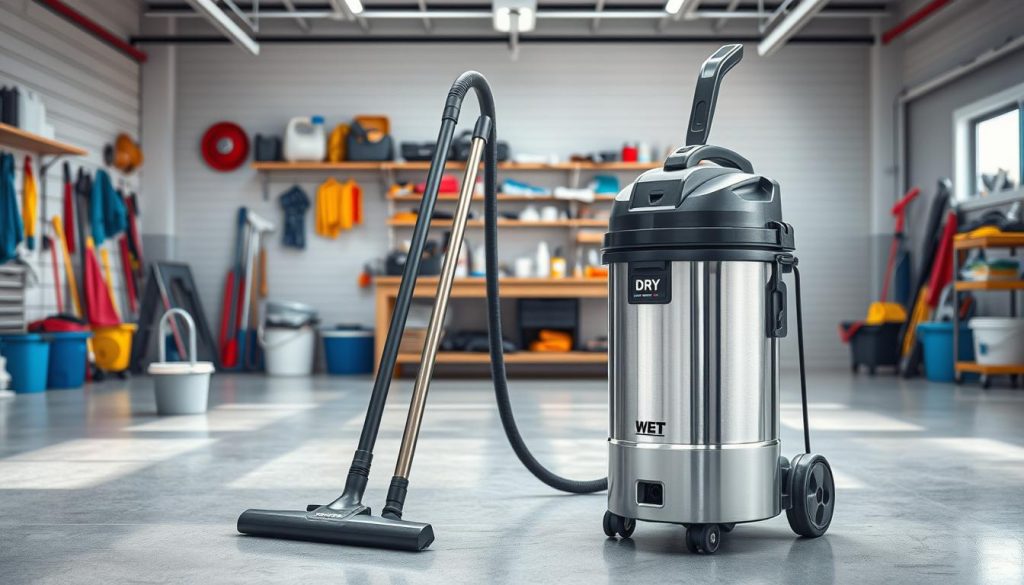
Workshops and construction dust: fine-dust capable units
NT-class machines with Tact are our go-to when fine dust and tool-connected extraction dominate. They hold suction under heavy load and resist clogging during long shifts.
Selection prompt: prioritise sustained airflow, metal fittings and spare filter availability when inspection is on site.
Hotels, restaurants and building cleaning: robust daily-use machines
Standard-class models excel at large liquid volumes and coarse dirt. They empty fast and suit contract teams who need reliable turnaround every shift.
Selection prompt: check tank seals, shut-off function and quick-access accessories to keep downtime low.
General commercial cleaning: balanced units for mixed floors
Ap-class options balance medium-fine dust, moist dirt and liquid pick-up. Semi-automatic filter cleaning keeps suction high during mixed tasks.
Selection prompt: consider typical spill size, switching frequency between modes and storage space to choose the right type.
- We focus on durability, parts availability and simple on-site checks so buyers can verify condition fast.
- Match the dirt — fine dust, coarse debris or liquid — to the class that handles it best to extend service life.
Heavy-duty choice: NT-class vacuums with filter cleaning for uninterrupted suction power
For continuous tool-linked work, NT-class units with active filter cleaning maintain steady performance.
Tact (Triggered Air Cleaning Technology) senses rising pressure across the filter and sends short reverse-air blasts. This keeps the cartridge clear so suction power stays high without stopping the job.
Bagless vs bagged operation: bagless models give full tank use and lower consumable costs. Yet for very fine or regulated dust, a bagged approach reduces exposure at disposal and is often safer.
We look for robust containers with bumpers, metal castors that track on rough floors, tidy cable and hose storage, bayonet hose fastening and a tool sleeve with airflow control.
“Tact keeps suction consistent so trades can work longer with fewer interruptions.”
| Feature | What we check | Benefit |
|---|---|---|
| Filter cleaning | Sensor timing, reverse-air function | Maintains suction power during long runs |
| Container build | Bumpers, wall thickness, drain | Survives site knocks and liquid handling |
| Accessories | Nozzle set, tool sleeve, quick-change inserts | Supports mixed cleaning tasks and tool extraction |
- Best use cases in Singapore: workshops with wood or metal dust, building sites and tool-connected extraction.
- Choose NT-class when constant suction and fast turnarounds matter to keep teams productive.
All-rounder choice: Ap-class wet dry vacuums for mixed dirt and spills
A practical mid-range option suits teams that face a mix of spills, grit and medium-fine particles. Ap-class models handle liquid pick-up as well as medium dust without the cost of a specialist machine.
Semi-automatic filter cleaning is simple: trigger a short pulse when suction drops. That clears the cartridge and restores suction power quickly during a shift.
These units work well in automotive bays, indoor maintenance teams and mixed-use commercial sites. They offer quick changeovers between modes and modest running costs.
- Best value where dust and occasional spill response share the workload.
- Limits: heavy fine-dust jobs favour fully automatic systems; very large liquid volumes suit standard-class tanks.
- Inspection priorities: filter housing integrity, accessory completeness and consistent suction after repeated bursts.
Practical takeaway: choose Ap-class when you need reliable suction, easy service routines and predictable consumables.
| Aspect | What to check | Benefit |
|---|---|---|
| Filter system | Cartridge seal, pulse function | Maintains airflow and reduces downtime |
| Accessories | Nozzles, tool sleeve, hose fit | Ensures efficient cleaning across tasks |
| Suction performance | Consistency after short dust bursts | Predicts on-site reliability |
High-volume liquid choice: standard class machines for big spills and wet vacuum cleaning
When water volumes climb, the buying checklist shifts to tank strength, secure mobility and fail-safe shut-off systems. Standard-class models are built to handle coarse dirt and significant liquid loads. They favour robust build and simple serviceability over fine-dust features.
Why large fluid volumes require the right tank and shut-off system
Tank integrity matters. Thick walls, a secure lid and a working float or electronic cut-off keep water away from the motor head.
Verify the float moves freely and that the automatic stop engages long before the motor is exposed. Mobility when full is equally important — wheels and handles should stay stable on wet floors.
Where these units shine: hotels, restaurants and contract cleaning
We recommend these models to teams that need quick turnaround in hospitality and commercial cleaning. Fast water recovery reduces slip risk and keeps operations running during a busy day.
- Coarse dirt handling: grit at entrances and back-of-house debris is no problem with a stout tank.
- Practical add-ons: correct wet floor tool inserts and an easy drain speed disposal without tipping the container.
- Inspection priorities: intact tank walls, a reliable shut-off system and no signs water has reached electrical components.
“Fast recovery of water protects floors, cuts hazards and keeps teams productive.”
| Feature | What to check | Benefit |
|---|---|---|
| Tank | Cracks, lids, drain | Safe, fast liquid disposal |
| Shut-off | Float action or electronic cut-off | Prevents motor flooding |
| Mobility | Wheels, handles, balance when full | Stable operation on wet floors |
Safety-first choice: dust class M and H options for hazardous dust control
When hazardous particulates are present, machine selection becomes a health decision as much as an operational one. We treat dust control as risk management and choose devices that match the task, not just power ratings.
Dust classes explained: L vs M vs H
Classification sets capture expectations. L allows permeation up to 1.0% and suits low-risk dust. M drops that to under 0.1% for moderate hazards. H demands below 0.005% and is intended for highly carcinogenic materials.
Typical hazardous dusts and higher-risk environments
Work that stirs silica, lead, nickel or coal needs higher containment. Mould remediation and asbestos disturbance are H-class scenarios where fibres under 5 µm reach deep into lungs.
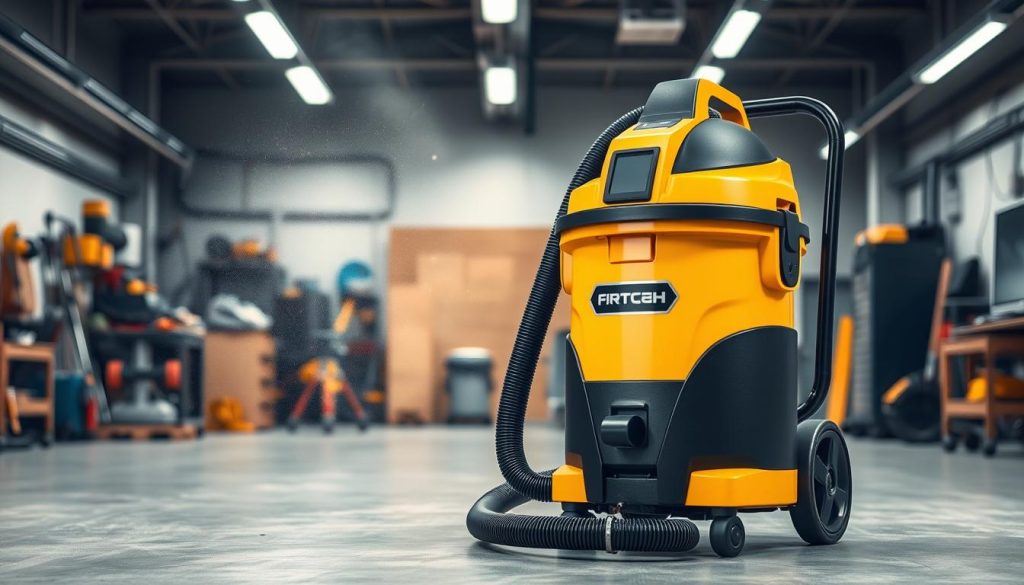
Filter colour-coding and HEPA-grade expectations
Colour codes help verify the right filter type. H-class systems use HEPA-grade cartridges with 99.995% separation. PTFE or PES M/L filters give about 99.9% capture but are not a substitute where H is required.
- Why this matters: the wrong unit can spread respirable particles despite a superficially clean site.
- Check on purchase: seals intact, certified filter fitted, labelling matches the intended risk class.
- Used unit caveat: accept second-hand only with clear documentation, service history and parts available.
“Where H-class filtration is needed, plan for HEPA-grade disposal bags and stricter maintenance to keep the system safe.”
| Risk level | Permeation | Example hazards |
|---|---|---|
| L | ≤ 1.0% | General dust, non-toxic construction grit |
| M | < 0.1% | Silica, some metal dusts, elevated exposure jobs |
| H | < 0.005% | Asbestos, lead, coal, certain metal carcinogens, mould |
Wet vs dry operation: how the machine works (and what to inspect when buying used)
A clear grasp of liquid and particulate flow inside these units makes on-site tests far more effective. We explain the mechanics so you can test function, not just power-up a motor.
Wet pick-up mechanics: bypass blower suction and float interruption
Liquid is drawn through the hose by the bypass blower creating a suction path to the container. Overfill protection is vital. A float must block the suction channel or an electronic cutoff must stop the unit when conductive contacts meet rising water.
Quick test: pour a small volume into the inlet to confirm the shut-off engages well before water reaches the motor head.
Dry pick-up mechanics: filtration, cyclone-like settling and clogging risks
Airborne dust travels into the tank then meets a filter stage. Flat or cartridge filters capture fines while heavier particles can settle by a rotating inlet design that mimics a cyclone.
Filters clog with fine dust and reduce suction. Some models offer reverse airflow pulses to clear cartridges; check this function during inspection.
Common used-unit red flags: leaks, warped lids and blocked channels
We watch for tiny cracks, pinholes and warped lids that stop seals seating correctly. Blocked air channels and collapsed hose ports also cut airflow and strain the motor.
- Listen for audible leaks during a seal check.
- Inspect hose ports and inlet geometry for obstructions.
- Verify filter seating and the function of any reverse-clean feature.
- Run a short wet test to confirm float or electronic shut-off works reliably.
Practical outcome: understanding internal function prevents buying a unit that powers up but fails under real cleaning loads.
| Aspect | What to check | Why it matters |
|---|---|---|
| Shut-off | Float travel / electronic contacts | Prevents motor damage from water ingress |
| Filter path | Cartridge seating, reverse-clean action | Maintains suction and reduces downtime |
| Airway integrity | Cracks, warped lids, blocked inlets | Ensures sustained performance under load |
Filters, bags and maintenance costs: what we budget for on a used unit
The real running cost of any unit is set by its consumables, filter type and cleaning routine. We budget beyond the purchase price to cover filters, seals and spare parts that affect uptime.
Common filter types and where they fit
PTFE and PES cartridge filters resist moisture and rot, so they suit mixed wet dry tasks and high-humidity sites.
Paper filters work well with dry dust but must be dried after liquid pick-up to avoid damage.
Cleanable H options provide HEPA-grade capture (99.995%) and are ideal where fine hazardous dust is present.
Automatic cleaning and why it pays
Automatic filter cleaning keeps suction consistent, cuts downtime and reduces staff exposure to dust when changing elements. It also allows fuller container use and can lower running costs over time.
Practical routines for Singapore conditions
Dry parts after liquid runs to prevent odours and microbial growth. Store filters away from humid storage spaces and inspect seals often.
Quick checklist: check seals, clean the container, test the float, wipe sealing faces and confirm filter seating before the next job.
| Filter | Best use | Maintenance |
|---|---|---|
| PTFE / PES | Mixed wet dry tasks, high humidity | Rinse if applicable; replace per schedule |
| Paper | Dry dust only | Keep dry; replace if wetted |
| Cleanable H (HEPA) | Hazardous fine dust | Clean per manufacturer; inspect seals |
We advise keeping spare filters on site and confirming parts availability for older models before purchase. That simple step avoids wasted time and costly downtime.
What to expect on price, warranty and after-sales support in Singapore
Pricing in Singapore reflects certification level, filter tech and tank capacity more than cosmetic condition. We weigh dust-class capability, whether a unit has semi‑ or fully automatic cartridge pulses, and the container build when valuing a machine.
Used pricing drivers
Dust class and filter cleaning are the top price drivers. Higher-rated filtration and automatic cleaning command higher sums.
Tank size and metalwork follow closely — thicker walls and larger tanks suit heavy commercial use and add resale value.
Warranty realities
Expect limited guarantees. We confirm serial numbers, test the shut‑off and ask for service history before purchase.
Typical cover is motor function; consumables like filters, seals and nozzles are usually excluded.
Spare parts and support
After‑sales that matters includes ready access to hoses, filters and sealing parts so the unit stays working.
We advise comparing total cost: purchase price plus immediate replacements and expected servicing time so the cheapest sale does not become the most expensive unit.
“Confirm returns for dead‑on‑arrival faults and parts availability before committing.”
| Area | What we confirm | Why it matters |
|---|---|---|
| Identification | Serial / model, service history | Proves authenticity and past care |
| Function | Wet shut‑off, motor run test | Prevents immediate downtime |
| Parts | Hoses, nozzles, filters, seals | Ensures rapid repairs and long life |
Conclusion
Choose a machine that proves reliable in both particle capture and liquid handling during a brief hands-on test. Start by matching the dominant dirt profile at your site — fine dust, mixed debris or large spills — to the appropriate class and filter.
Verify wet shut-off, confirm dry filtration seating and prioritise stable suction and safe dust capture over cosmetic condition. Check nozzle fit, hose compatibility and warranty terms so the unit stays serviceable after the initial day.\
Practical stance: compare on-site performance and total cost, then only proceed on a sale when the machine demonstrates correct function in both modes. Cordless options suit light touch-ups, but for sustained commercial cleaning we recommend a powered professional unit with a robust motor and parts support.

