
We present a curated roundup of Electrolux machines that suit Singapore homes and worksites. This guide helps with quick, practical buying choices. We focus on real features that matter in humid, high‑traffic local conditions.
Our selection covers drum units, cordless stick models and professional machines. We explain who will benefit most — homeowners with daily messes and teams that need robust equipment for workshops.
Comparison points are consistent across every model. We judge suction, tank capacity, filtration, accessories, maintenance and safety. These criteria make it simple to match a product to your space.
Buying direct from the official Electrolux Singapore store adds clear value. Expect free delivery, 0% instalment plans and promotions with discounts up to 47%. We aim to help you assess total cost, not just the ticket price.
Why we recommend a wet and dry vacuum for Singapore homes and worksites</h2>
In humid Singapore, a single unit that tackles both liquid spills and airborne grit saves time and hassle. We favour models that switch quickly between dry dust, damp debris and water pick-up so families and teams can respond immediately.
One machine for dry dust, damp dirt and liquid spills
Switching modes is simple and removes the need for multiple appliances. That means after cooking or showering, or when rain brings grit indoors, we can clear mixed mess without pause.
These units cope with pet hair, sand and small puddles. The convenience reduces storage clutter and shortens clean-up time.
Better uptime for fast-paced environments and busy schedules
Commercial users — from workshops to F&B teams — value machines that run for extended periods with minimal interruptions. Faster turnarounds mean less downtime and quicker return to service.
We also note the safety gains: prompt spill removal cuts slip risks and limits moisture damage to floors. Choosing the right model then depends on tank size, debris type and any site compliance needs.
What a wet and dry vacuum cleaner is and how it differs from dry vacuum cleaners</h2>
A dual‑purpose appliance pairs liquid pickup with dust handling; here is what that means in practice.
We define a wet dry vacuum as a machine built to safely pick up both liquids and dry debris. It uses separation systems, protective motor seals and dedicated tanks so water does not damage components.
Wet dry vs dry vacuuming: what each is designed to handle
We recommend avoiding a standard dry vacuum cleaner on spills. Dry models lack seals and drainage, so liquid can short motors and clog filters.
Dry vacuum cleaners remain the best choice for routine dust, crumbs and pet hair. They are lighter and often easier to store. But they fall short when sand, damp grit or water need removing.
Common messes: fine dust, dirt, pet hair, sand and water clean-up
In Singapore homes we face fine dust from construction, sand tracked in from outdoors, pet hair and accidental water after mopping or a minor leak.
- Fine dust: choose a model with good filtration and seals.
- Pet hair & sand: wide‑mouth nozzles and strong airflow help.
- Water pick‑up: requires a dedicated liquid tank and overfill protection.
We note that not every wet dry model mops; some only vacuum liquids, while others combine vacuuming with a mopping function. Filtration and accessories largely determine performance on fine dust versus coarser debris.
Wet and dry vacuum cleaner for sale: what to expect in today’s range</h2>
Current offerings range from robust drum designs to slim cordless models and high‑duty commercial equipment. We outline practical strengths so you can match a format to your space and tasks.
Drum units for heavy‑duty clean‑ups
Drum models suit large debris and high liquid volumes. They are often corded, feature big tanks, a blower function and 360° mobility.
On‑board storage keeps accessories to hand. These models designed for garages, workshops and renovation sites handle coarse mess with ease.
Cordless stick models for everyday floor care
Cordless options combine vacuuming with mopping and suit flats and condos. Electrolux offers inverter motors, TriAction nozzles and smart dirt detection on select models.
Self‑cleaning systems and antibacterial water tanks appear on premium variants, making routine upkeep faster.
Professional machines built for commercial use
Commercial‑grade units deliver longer duty cycles, reinforced housings, heavy rollers and robust cables. They protect suction and filter life under persistent dust loads.
We advise asking: how often will you switch tasks, how much fine dust is present, and do you need portability or capacity? Our later picks focus on matching format to need rather than claiming a single best model.
Where wet dry vacuums shine: real-world cleaning tasks</h2>
From spills to sawdust, practical chores tell us which features matter most. We translate specs into scenarios so you can see if a unit will solve day-to-day problems.
Kitchens, bathrooms and patios
Fast liquid spills pick-up reduces slip risk and stops moisture damage that leads to damp smells. Quick response saves time and prevents staining on floors and surfaces.
Garages and workshops
Workshops throw up coarse dirt, metal shavings and larger debris. Wider floor tools and sturdy nozzles cut the time spent clearing benches and bays.
Construction sites
Construction sites generate large volumes of fine dust that choke filters and harm air quality. We stress strong filtration and easy filter cleaning; professional units cope with heavy use.
“On jobsites, robust filtration and rapid filter access are non-negotiable.”
Vehicles and upholstery
Crevice tools, small nozzles and dedicated brushes reach seat rails, boot corners and fabric folds without scattering debris. Proper accessories make all the difference.
Choosing the right kit means matching hose length, nozzle types and filter grade to your tasks. For extra ideas on varied uses, see our unusual uses.
Key buying factors we use to shortlist the best vacuum cleaners</h2>
Our shortlist is driven by measurable features that match common Singapore cleaning tasks.
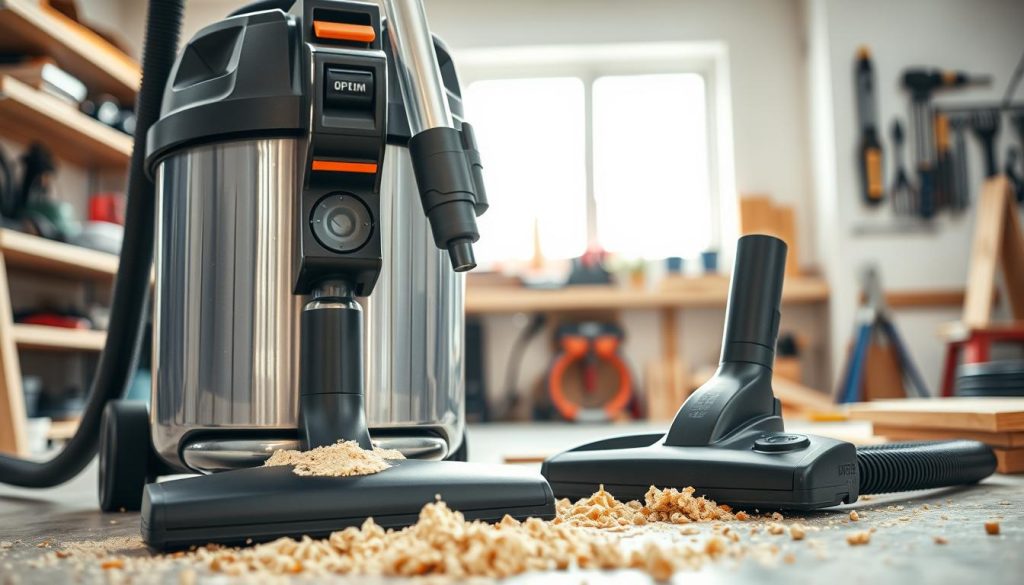
Suction power and motor performance for stubborn dirt
Suction power and sustained motor power determine how well a unit lifts sand, pet hair and coarse debris.
We favour motors that keep airflow steady under load. Electrolux highlights strong suction and multi‑surface tools. Kärcher warns that clogged filters reduce suction, hurting performance.
Tank capacity and handling for large liquid volumes
Tank size matters when you expect large volumes. We check weight when full and the ease of emptying without spills.
Filters and filtration for fine dust control
Good filtration preserves indoor air quality and keeps suction consistent. We test filter access, cleaning methods and replacement cost.
Nozzle and accessory set for floor, crevices and tools
The right nozzle, crevice tool and brush decide results on tile grout, corners and upholstery. On‑board storage is a practical plus.
Ease of maintenance: emptying, self-cleaning and storage
We prioritise simple emptying, hygienic rinse or self‑cleaning systems and neat cable management to reduce downtime and sustain performance.
Filtration and dust control: choosing the right filter for the job</h2>
Choosing the right filter changes both cleaning results and indoor air quality. We explain which options suit routine home floors, renovation work and higher-risk tasks.
Microfilter technology for everyday cleaning
Microfilter technology suits daily use where mixed debris is common. It traps fine dust while keeping maintenance simple.
We favour models with easy-access filters so cleaning stays quick and suction holds up.
Cartridge and flat pleated filters for dry dust and mixed debris
Cartridge and flat pleated designs boost surface area, which delays clogging under heavy dry dust loads.
This reduces downtime and running costs because filters need less frequent replacement or cleaning.
HEPA and certified solutions for higher-risk dust
HEPA and certified systems are essential where hazardous dust appears on sites. They meet safety standards and protect breathing air.
When working with construction debris or fine particulates, we recommend certified filtration and refer professionals to specialist guides such as this HEPA shop vac guide.
| Filter type | Best use | Maintenance |
|---|---|---|
| Microfilter | Everyday home mess, mixed debris | Monthly rinse or replace |
| Cartridge / Pleated | Heavy dry dust, renovation debris | Cleanable; inspect after major jobs |
| HEPA / Certified | High-risk dust, trade environments | Professional replacement; follow safety rules |
Filter cleaning technology explained for consistent suction</h2>
Clogged filters are the silent reason powerful machines lose performance on dusty jobs. We explain how modern cleaning systems keep suction power steady during long shifts and messy tasks.
Automatic filter cleaning and why it protects suction power
Automatic systems pulse the filter without user intervention. Kärcher notes this keeps suction power consistently high, lowers contact with dirt and saves work time.
This method cuts downtime and often reduces the need for extra bags. The net result is fewer interruptions and more predictable performance on fine dust.
Semi-automatic cleaning for flexible work patterns
Semi-automatic cleaning is user-triggered. It suits teams who set cleaning intervals around task rhythm.
We recommend this for mixed jobs where dust load varies. It gives control with less hands-on filter handling than fully manual systems.
Tact filter cleaning for uninterrupted use with fine dust
Tact (Triggered Air Cleaning Technology) uses sensors and short reverse airflow bursts. It clears the filter while the machine keeps running.
This is ideal on construction sites and busy workshops where fine dust threatens suction. Even strong motors can be bottled by poor filters, so prioritising filter tech is essential.
- Why it matters: better suction, fewer stoppages, faster completion of work.
- Who benefits: trades, facility teams and home users tackling heavy fine dust.
Safety and compliance: dust classes for professional vacuuming</h2>
Professional cleaning starts with classifying dust hazards, not with buying the most powerful unit. We introduce dust classes as a safety framework. This helps teams and businesses manage respiratory risk and meet site rules.
Class L — moderate-risk dust such as chalk and plaster
Class L covers low to moderate hazard particles like chalk, gypsum and plaster dust. These particles irritate lungs and must be contained during removal.
We advise using certified collection and sealed disposal even for these common materials. A standard dry vacuum is not an acceptable substitute when rules apply.
Class M — higher-risk construction dusts: concrete, brick and ceramics
Class M protects against heavy construction dusts found on many renovation sites. These include concrete, brick and ceramic fragments that create fine respirable particles.
On many construction sites, Class M equipment is the legal minimum. Choose machines rated to this class after a proper risk assessment.
Class H — hazardous dusts including asbestos and carcinogenic particles
Class H is for the highest dangers. It covers asbestos, silica and other carcinogenic dust that require certified containment and specialised handling.
We stress that Class H work needs trained personnel, sealed disposal and compliant tools. Non‑certified household models must never be used.
| Dust Class | Typical materials | When required | Equipment note |
|---|---|---|---|
| Class L | Chalk, plaster, gypsum | Low-risk renovation, minor works | Sealed collection; disposable filters |
| Class M | Concrete, brick, ceramic | Most construction, refurbishment | Stricter filters; often legal minimum |
| Class H | Asbestos, silica, carcinogenic dust | Hazardous removals, specialist works | Certified containment; trained teams |
Key takeaways:
- Match equipment to assessed risk and local site rules to protect health and meet compliance.
- Do not rely on domestic or generic units when regulations or high-risk dust are present.
- When in doubt, we recommend consulting a safety officer before you choose to use vacuum equipment.
How wet and dry vacuuming works (and how overfill protection helps)
A simple look at internal airflow and protection systems shows why machines can safely take on both spills and dry debris. We explain core mechanics in plain terms so buyers know what to watch for on spec sheets.
Wet pick-up: bypass blower transport and the role of the container
On wet pick-up the bypass blower creates the vacuum inside the tank. Water is drawn through the hose into the container rather than into a bag or motor housing.
Why this matters: liquids sit in the tank, protecting the motor and easing emptying.
Float system or electronic cut-off to prevent overfilling
Overfill protection comes in two main forms. A mechanical float blocks the suction port once liquid reaches a set level.
Electronic cut-off will switch the unit off before flooding occurs. Both methods save the motor from water damage and failure.
Dry pick-up: separation, filtration and why filters can clog
Dry pick-up uses cyclone-like rotation and a flat or cartridge filter to separate particles. Heavy grit drops to the base while fine dust hits the filter.
Filters trap fines but slow airflow as they fill. Reduced suction then signals it is time to clean or replace the element.
Maintenance tips: empty the tank when half full, rinse or tap filters after heavy jobs, and note spec features that list overfill protection, filter type and airflow performance before buying.
Our featured picks: Electrolux wet and dry vacuums for different needs</h2>
We present three Electrolux products that cover typical Singapore homes without overwhelming choices.
Value‑focused 3‑in‑1 with blower function
Flexio Power Z823 is a practical 3‑in‑1 unit with 1600W power, 360° manoeuvrability and on‑board storage.
Best for: garages and homes that need a single machine for mixed chores. Not designed for certified construction dust removal.
Premium cordless with mopping and smart features
Electrolux 800 EFW81713 blends inverter motor tech, TriAction nozzle and 99% debris pick‑up.
Best for: hard‑floor households that value cordless convenience, self‑cleaning and a detachable hand unit.
Hygiene‑first multi‑function model
UltimateHome 700 EFW71711 focuses on water hygiene with antibacterial tanks, 99.9% bacteria reduction and a self‑cleaning nozzle.
Best for: users who prioritise cleaner water management and quicker floor drying after wet work.
- Selection logic: we chose a value option, a premium cordless model and a hygiene‑led product to match common needs.
- What they excel at: mobility, performance and sanitary water handling respectively.
- Limits: these models suit homes; professionals should pick certified equipment for high‑risk sites.
Purchase note: prices vary with promotions. Buying from the official store often adds delivery, instalment plans and warranty benefits that improve total value.
Electrolux Flexio Power Wet and Dry Vacuum Cleaner Z823 overview</h2>
For buyers who want basic multi-function performance, a sensible 3-in-1 option hits the sweet spot. The Electrolux Flexio Power Z823 is a value-focused model that blends liquid pick-up, dry debris handling and a blower role into one compact unit.
Who it suits
We recommend this unit to budget-conscious households in Singapore that need a reliable tool for quick spill response, garage grit and light renovation dust. It suits flats, service yards and small workshops that require a practical, no-frills appliance.
Key specs we like
1600W of rated power gives the Z823 the grunt to shift stubborn dirt and heavier debris compared with lighter sticks. This level of power helps sustain suction power when tools are under load.
360° manoeuvrability matters in tight HDB kitchens and narrow storerooms. The swivel base reduces awkward turning and shortens task time.
On-board accessory storage keeps nozzles, brushes and hoses at hand. That reduces lost parts and speeds switching between tasks.
What to expect
- Best use cases: quick spill pick-up, garage clearing, DIY dust after minor jobs.
- Trade-offs: corded operation, larger footprint and simple storage needs compared with premium cordless models.
- Typical promotional pricing varies by promotion period.
Electrolux 800 3-in-1 Wet & Dry Cordless cleaner EFW81713 overview</h2>
Our premium cordless option pairs vacuuming with a mopping pass to speed routine care of hard floors. The EFW81713 suits households that want a compact, all-in-one cleaner with smart controls and minimal storage needs.
Who it suits
We recommend this unit to apartment dwellers and small-family homes that value quick daily resets. It fits tight storage, frequent light messes and users who prefer cordless freedom over large tank capacity.
Performance highlights
Inverter motor delivers steady performance with efficient power use and consistent suction during regular chores. The TriAction nozzle lifts crumbs and tracked-in grit; Electrolux rates 99% debris pick-up on typical hard surfaces.
Convenience features
The model includes a self-cleaning system to cut aftercare time, smart dirt detection to guide cleaning intensity and a detachable hand unit for quick spot work. The promotional price varies by period.
Decision cue
Choose this when convenience and daily floor care matter more than large tank volume. For heavy liquid work, a drum format remains the practical choice.
Electrolux UltimateHome 700 multi-function vacuum cleaner EFW71711 overview</h2>
For homes that prioritise clean water handling and fast floor recovery, the UltimateHome 700 is built to deliver. We position this model as a hygiene-forward option that balances convenience with strong everyday performance.
Who it suits
We recommend the UltimateHome 700 to health-conscious households in Singapore. It suits kitchens and high-traffic areas where quick, reliable cleaning matters most.
Hygiene features
Antibacterial water tanks claim 99.9% bacteria elimination, which gives greater confidence during wet cleaning cycles. This reduces worries about stale water and keeps aftercare simple.
Everyday results
The self-cleaning nozzle reduces hands-on maintenance and helps sustain suction when tackling crumbs, dust and damp dirt. Quicker floor drying cuts downtime and lowers slip risk in busy homes.
| Feature | Benefit | Typical result |
|---|---|---|
| Antibacterial water tanks | Hygienic handling of used water | Reduced odour; safer refills |
| Self-cleaning nozzle | Lower maintenance effort | Consistent 99% debris pick-up |
| Quick-dry floor mode | Less waiting after cleaning | Faster return to foot traffic |
Price guide: promotional retail varies by promotion period. We place this unit as the best option when hygiene and easy upkeep outrank raw tank capacity or industrial duty.
Wet and dry vacuum cleaner pricing and current value in Singapore</h2>
Understanding price drivers helps buyers choose a machine that pays back in daily use.
Typical price range
Expect Electrolux products to vary in price depending on model and promotion period.
This span covers entry utility drum units up to premium cordless all‑in‑one options.
Promotions to watch
Official offers often change the value proposition.
Look for discounts up to 47%, free delivery and 0% instalment plans that reduce upfront cost.
- Assess value: check included accessories, self‑cleaning features and whether a unit replaces both a vacuum and a mop.
- Compare like‑for‑like: factor warranty, after‑sales support and consumable costs such as filters.
- Budget shortcut: entry‑tier for occasional wet pick‑up and utility; mid‑tier for hygiene features; premium for cordless convenience.
We advise verifying current campaigns on the official Electrolux Singapore site before you commit, as offers can materially alter the best value.
Choosing between home, workshop and industrial models designed for work</h2>
We assess how environment shapes the right pick. Small flats prioritise convenience while trades and factories require durability and long duty cycles.
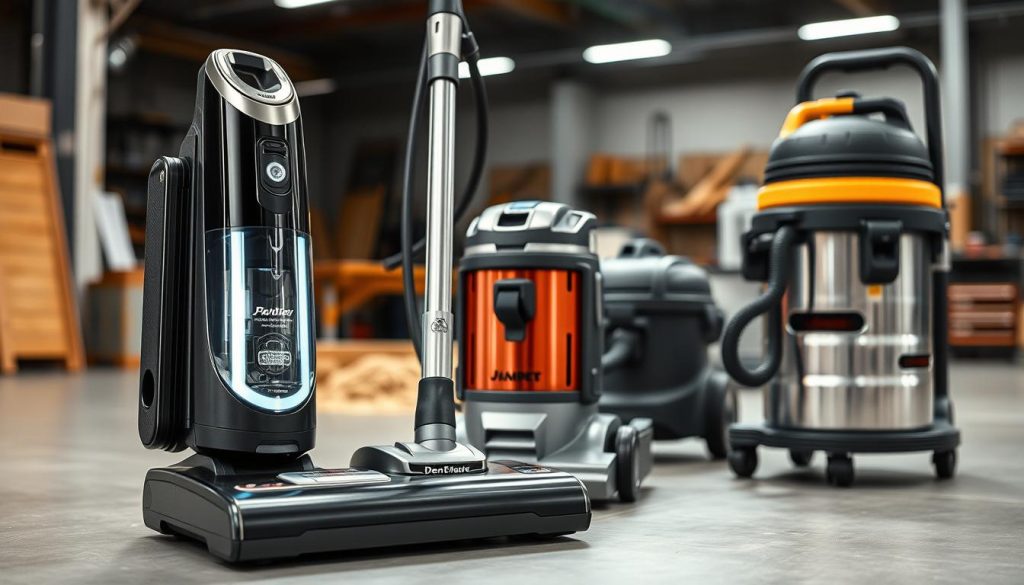
When a robust drum machine makes more sense than a cordless stick
Choose a drum unit when you face large volumes of liquid, coarse debris or long sessions. Drum formats handle heavy grit, give higher capacity and cut refill frequency.
Practical cue: if tasks exceed short spot jobs, a corded drum reduces downtime and lifts coarse material more reliably than a stick model.
Commercial-grade durability for daily use in challenging conditions
Kärcher notes professional machines feature reinforced housing, industrial rollers and heavy‑duty power cables. These parts keep performance steady under frequent movement and harsh contamination.
We look for trades‑grade seals, quick filter access and serviceability when recommending cleaners designed to survive daily use in workshops.
Pairing equipment for facility upkeep: wet dry vacuums and high-pressure cleaners
Winston Engineering highlights minimal downtime when teams pair indoor vacuum units with high‑pressure washers outdoors. This split approach speeds cleaning and improves overall safety.
For facility managers, combine a robust vacuum with a pressure system to cover spills, heavy grime and routine maintenance. For a useful checklist, see our house cleaning checklist.
Conclusion</h2>
Conclusion
To finish, we set out a short checklist that helps you buy with confidence. Choose a dual‑purpose unit if you need to handle dust, damp mess and liquid spills without swapping machines.
Prefer stick models when convenience, storage and cordless use matter. Pick drum formats when capacity, sustained power and garage or workshop performance are priorities.
Key checks: steady suction, sensible tank size, the right filter grade, and the correct nozzle set for grout, upholstery and tight gaps. Regular filter care preserves performance and keeps dust from choking airflow.
Finally, review current Electrolux promotions in Singapore; free delivery, 0% instalments and discounts can shift the best‑value choice.

