

We set out to help Singapore households choose the right wet dry machine for everyday messes. In this introduction we explain what a wet dry vacuum is, why it differs from a standard device, and the real situations it solves — bathroom spills, kitchen accidents, balcony grime and fine dust that builds up in humid flats.
Our approach is practical. We group options by use-case: whole-home central systems, drain-outlet models for liquid pick-up, carpet extractors for deep stains, and a premium filtration-led vacuum cleaner for allergen control. We also set clear limits on performance so readers know when a carpet extractor is required rather than suction alone.
What to expect: we judge value by footprint, storage ease, accessory fit for tight spaces, switch-over time between tasks, suction power, tank size, filtration and maintenance. This helps us shortlist the right wet dry option for your home quickly and confidently.
Why a wet dry vacuum belongs in our Singapore cleaning kit
In Singapore homes, a single machine that handles both spills and crumbs changes how we clean every day. We value tools that save time, fit compact storage and cope with tropical dampness.
Practical versatility
From dry debris to water spills: what makes it truly versatile
Wet dry units pick up grit, dust and small debris, then switch to recover water without risking a standard dry-only unit. This versatile cleaning reduces the need for multiple appliances and speeds up chores.
Where we use it most
We rely on these machines in kitchens for sauces and crumbs, bathrooms for wet floors and hair, balconies for outdoor dirt, garages for sawdust, and car interiors for spilled drinks.
Why it’s smart for busy households
Homes with pets, kids and heavy foot traffic gain the most. Pet hair and embedded hair on sofas and corners lift with the right heads. Fewer tool swaps mean faster clean-ups after playdates or weekend projects.
Next, we explain why the design keeps water away from sensitive parts so the machine stays safe and reliable.
How wet and dry vacuum cleaners work (and why they don’t fear water)
Let’s unpack the key design features that let a single unit handle both liquids and loose debris.
Moisture-protected motor and tank system
These units use a motor that sits above a sealed tank. The tank collects water and grit so the motor stays dry. A splash guard and separate outlet paths keep moisture away from sensitive parts.
Dual-purpose waste handling
Designs route solids and liquids into different zones or use a simple baffle to prevent splashing. This keeps the device stable during different cleaning tasks and reduces clogs.
Good filters trap fine dust and reduce allergens released back into the air. HEPA-style or sealed filter housings are worth checking for allergy-prone homes in humid Singapore flats.
Engineering links directly to real-world performance. Proper motor protection, a roomy tank and tight seals help maintain steady suction when picking up water, balcony grit or stubborn floor dirt.
| Feature | Purpose | Benefit | Notes |
|---|---|---|---|
| Moisture shielded motor | Protect from splashes | Longer life, safer operation | Check motor position |
| Tank & baffle system | Separate liquids and solids | Fewer blockages | Easy emptying options |
| Sealed filtration | Trap fine dust | Less airborne allergens | HEPA or fine mesh preferred |
allintitle:best dry and wet vacuum cleaner: what we look for when choosing top picks
When choosing a unit, we focus on practical metrics that predict real cleaning results around the home.
Suction power and airflow: what “strong suction” means
Suction power links to airflow and the motor’s design. High airflow lifts grit from tile grooves and pulls pet hair from upholstery without multiple passes.
Tank size and clean-up time
Choose compact size for tight Singapore flats. Larger tanks cut interruptions for landed homes, saving time during big jobs.
Drain outlets and self-flushing
Drain outlets and self-flushing separators reduce mess when handling water. Models with a drain make bathroom and balcony clean-ups far easier.
Attachments that matter
Crew-tested accessories we value: crevice tools, a wide floor nozzle and an upholstery head. These change daily usability more than seldom-used extras.
Ease in tight areas
Footprint, hose reach and cord length shape manoeuvrability. Good storage and slim profiles suit HDB and condo layouts.
“We prioritise real tasks: pet hair, spill recovery and quick storage over headline specs.”
| Feature | Why it matters | Example spec | Benefit |
|---|---|---|---|
| Suction & airflow | Lift debris and water efficiently | High CFM, sealed motor | Faster cleaning, fewer passes |
| Tank size | Reduces emptying stops | 36 L vs 48 L | Longer run time for bigger homes |
| Drain outlet | Easy wet waste disposal | Built-in spout or valve | Less manual handling |
| Attachments | Task-specific reach | Crevice, upholstery, floor nozzles | Better results on sofas & cars |
Our top picks for the wet dry vacuum options (and who each suits)
We present compact and heavy-duty options that suit different homes, habits and mess types across Singapore.
Drainvac SepaAuto range
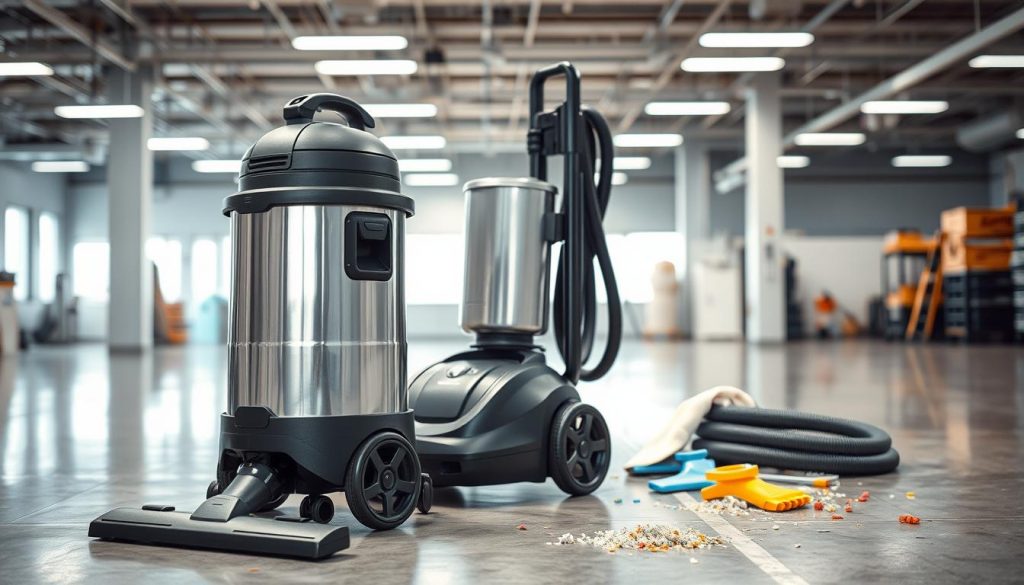
SepaAuto 4 is a quiet, low-maintenance central option with a 36 L tank and a self-flushing separator. It suits medium flats that need reliable wet dry performance with minimal fuss.
SepaAuto 5 ups capacity to 48 L and adds a more robust motor for light-commercial chores. Choose it if you want longer run time and fewer stops during big jobs.
Drainvac Automatik
This model includes a drain outlet for fast liquid disposal. We recommend it for households that handle frequent spills and wet cleaning tasks.
Cyclo Vac GS125
Powerful yet quiet, the GS125 uses hybrid filtration and works best when paired with the right accessories and attachments for mixed dust and occasional wet use.
Edic Galaxy 2000CX-HR
When carpets need more than suction, this extractor sprays a cleaning solution, agitates fibres and extracts dirty water for deep results.
SEBO Airbelt K3
As a premium dry option, the Airbelt K3 offers strong suction and hospital-grade filtration to control dust and allergens in the home.
- Quick decision tip: choose SepaAuto 4 for compact homes, SepaAuto 5 for larger areas, Automatik for frequent liquid pick-up, GS125 for mixed tasks, Edic for deep carpet work, and SEBO for allergy-focused dry cleaning.
Wet dry vs normal vacuum cleaner: the differences that affect our purchase
The decision often hinges on safety with liquids, routine upkeep and how we store the machine in a compact flat.
Liquids, dust and debris: what each type can (and can’t) handle safely
Wet dry units are built so water goes into a sealed tank while the motor sits above or behind a splash baffle. That design keeps the motor safe when we pick up spills or mop water.
Normal units are optimised for dust and loose debris. Using one on water risks motor damage and costly repairs.
Maintenance realities: tank cleaning after water pick-up vs bag/bin upkeep
After wet pick-up, we must rinse and dry the tank to prevent smells in humid Singapore homes. Filters also need inspecting more often.
Dry-only machines focus on emptying bins or changing bags and cleaning filters. The routine can be simpler if we never handle liquids.
| Aspect | Wet dry | Dry-only |
|---|---|---|
| Safety with water | Designed for safe liquid pick-up | Not safe; risk of motor damage |
| Everyday dust handling | Good with proper filters | Often better optimised for fine dust |
| Maintenance | Tank rinse, dry, filter care | Bag/bin empty, filter cleaning |
Practical tip: if spills occur rarely, a premium dry vacuum cleaner may suit us. If we face frequent wet messes, a wet dry unit delivers safer performance and more ease when switching tasks. For more creative uses, see our 4 unusual uses.
Choosing the right model for our home: use-case shortcuts
Choosing a model should start with how we actually clean: pets, cars, workshops or carpets. Below are quick shortcuts to match a machine to real routines, so purchases solve problems rather than promise specs.
Pet hair and upholstery: tools that lift hair from sofas, curtains and fabric chairs
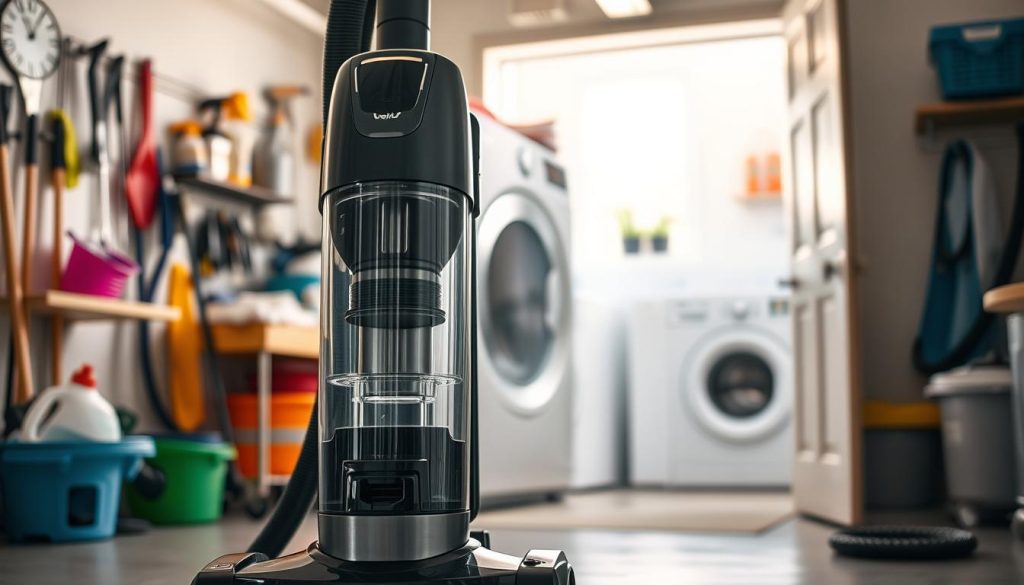
If you have pets, pick a unit with motorised heads, a tangle-resistant nozzle and a soft brush for fabrics. Crevice tools and a wide pet tool help along skirting boards and under cushions.
Choose models with sealed filtration to cut airborne hair and dust. For compact flats, the SepaAuto 4 category suits pet homes that need space-friendly storage.
Car detailing at home: handling spilled drinks, grit and tight gaps
For car care, we favour long, narrow attachments and a small round brush to reach seat rails and boot corners. A home wet dry model helps when drinks spill alongside grit.
Look for a portable option with easy-empty drains to avoid mess after liquid pick-up.
Garages, workshops and renovations: sawdust, debris and heavier messes
Heavier debris demands strong suction and a robust tank. Choose a shop-style unit that resists abrasives and handles fine dust without clogging.
For post-renovation work, models with larger tanks and durable hoses reduce stops and wear.
Carpets and rugs: when we need a carpet extractor and cleaning solution capability
When stains, odours or embedded dirt persist, suction alone won’t cut it. A carpet extractor that sprays, agitates and extracts gives deeper results.
If carpets are the main issue, consider an extractor-class model like the Edic Galaxy 2000CX-HR category rather than a standard suction-led unit.
Quick decision map: pet households → sealed filters + pet tools; car care → compact portable with narrow heads; workshops → shop-style strong suction; carpets → extractor. For more technical detail see our linked resource on tank handling tank and baffle design.
Getting better results: set-up, accessories and care that protect performance
Getting consistent cleaning results starts with the attachments we choose and how we prepare the machine.
Using the correct attachments
Match tools to surfaces: a wide floor nozzle for hard floors, a soft head for upholstery, and a narrow crevice tool for edges. This prevents spreading dust and keeps suction focused where it matters.
After wet pick-up: drying, filters and odour control
After wet pick-up we always empty the tank promptly, rinse if needed and leave the tank open to air-dry. Cleaning or replacing the filter stops trapped dust and allergens from returning to the air.
Storage and footprint tips for Singapore flats
Store hoses coiled and heads nested to save space. Keep the unit in a dry, ventilated cupboard to prevent smells in humid flats and to protect the motor and seals.
- Quick checklist: choose the right attachment, check filter configuration before wet use, empty and dry the tank, and store the system dry.
Consistent habits preserve suction and extend motor life. Small care routines mean better long-term performance for any wet dry vacuum or dry vacuum cleaner we own.
Conclusion
Our final note: match capacity, disposal convenience and accessory fit to the messes you face most. That focus makes versatile cleaning practical rather than theoretical.
For frequent liquid pick-up prioritise a model with a drain outlet or self-flushing separator. For car work or upholstery, choose strong accessory support. If dust and allergens matter most, favour sealed filtration.
Quick recap by profile: frequent spills → drain-equipped units; larger homes → larger tanks; carpeted homes → extractor-style machines; allergy households → high-grade filters and tight seals.
One last tip: routine care keeps suction steady. Empty and dry tanks, maintain filters and follow a simple filter-cleaning guide like this how to clean a vacuum filter to protect long-term performance.

