
We present a practical, same-day reset that suits Singapore’s humid climate. This short guide explains why that persistent odour often feels stuck: moisture wakes oils, saliva and bacteria on fur and fabrics.
Rather than masking the issue, we focus on source control. Our plan pairs airflow with cleaning: ventilate, remove hair and dander, wash the epicentre items, treat fabrics and floors, then improve air quality with filtration and neutralisers.
We use pet-safe, home-safe staples—vacuuming, enzymatic cleaners, baking soda and vinegar—so perfume is only for a final, light touch. If an odour persists, hidden accident spots or saturated soft furnishings usually explain why; we will show how to find them later.
Ahead, we outline clear, doable ways you can follow today and steps for long-term prevention.
Why wet dog smell lingers in Singapore homes
In humid climates, damp fur and leftover oils form a complex odour that sticks to fabrics and air.
The simple science
Moisture reactivates compounds in skin oils. That wakes bacteria and makes scents stronger on fur and hair. Saliva, waxy ear residue and fine dander add layers of smell that perfumes cannot erase.
Where the scent hides
- Carpets and rugs: porous fibres trap oils and dander.
- Upholstery and curtains: slow drying keeps microbes active.
- Dog bedding and blankets: repeated dampness concentrates odours.
Airflow and filter care
Poor ventilation lets stale air recirculate. Newer, airtight flats can trap odours unless windows are opened. Clean filters keep air moving and reduce musty pockets.
| Source | Common hideouts | Main contributors |
|---|---|---|
| Textiles | Carpets, curtains, throws | Oils, dander, trapped moisture |
| Pet items | Beds, toys, blankets | Saliva, skin flakes, bacteria |
| Home systems | HVAC, filters, stagnant rooms | Poor airflow, dirty filter, humid air |
Owners often mask the issue with sprays while the source remains. We will show a fast, same-day reset that targets both the air and the fabrics. For a concise primer, see our wet dog smell guide.
How to get rid of wet dog smell in house with a fast, same-day reset
Start with a short, practical checklist that flushes stale odours and cleans high-impact items fast. We set realistic time blocks so the reset feels doable in an afternoon.

Air it out safely
Open opposite windows and doors to create cross-ventilation. Secure pets in a safe room and run fans pointing outwards to push damp air outside.
Tip: In Singapore, brief bursts of wide ventilation work better than small gaps left open all day.
Vacuum everything and care for the filter
Do a single, thorough pass: carpets, sofa seams, under cushions, rugs, curtains and dog-favourite corners. Empty the bin and check or replace the filter so the vacuum keeps trapping dander.
Wash the epicentre items immediately
Dog bedding, blankets, towels and soft toys hold oils and saliva. Launder these separately on a warm cycle where the fabric allows, then dry fully to avoid a damp, towel-like odour.
Don’t mask it — remove first, scent later
Scented sprays or candles can clash with remaining odors and make the flat smell worse. We add a light, pet-safe fragrance only after fabrics are clean and the air is fresh.
| Step | Action | Approximate time |
|---|---|---|
| Airing | Cross-ventilate and run fans | 20–30 minutes |
| Vacuum pass | Carpets, upholstery, curtains, under cushions | 30–45 minutes |
| Wash epicentre items | Laundry for beds, blankets, toys; separate if needed | 60–90 minutes (cycle) + full drying |
| Final check | Spot-clean remaining areas; inspect filters | 15–20 minutes |
If a smell persists, move to deep-cleaning fabrics and scan corners or baseboards for hidden accidents. For stain and spill cleaning guidance with specialised equipment, see our cleaning guide.
Deep-clean fabrics and floors that trap wet dog odours
We focus on surfaces where oils and moisture sink in. A targeted approach removes scents rather than moving them around. Start with the highest-impact areas and work outward.
Carpets and rugs
Apply a generous layer of baking soda across the carpet or rug. Work the powder lightly into fibres and leave for several hours.
In humid Singapore, extend the dwell time and use fans or a dehumidifier so the area dries fully before vacuuming slowly and thoroughly.
Carpet spots and accidents
Blot excess moisture—no scrubbing—and work from the outside in. Use an enzymatic cleaner and follow the product dwell time. Repeat until odors fade.
Upholstery and covers
Machine-wash removable covers where possible. For fixed upholstery, vacuum hair and dander first, then treat odour zones with fabric-safe products and minimal moisture.
Hard floors and missed zones
Wipe finished floors with equal parts vinegar and water. Let the solution sit 5–10 minutes, then blot; the vinegar scent will dissipate.
Don’t forget baseboards, lower walls and corners where dogs rest. Oils and bacteria can transfer there and cause a persistent problem.
| Surface | Action | Notes |
|---|---|---|
| Carpet | Baking soda, dwell, slow vacuum | Extend dwell time in humid weather; protect light carpets |
| Spot / accident | Blot, enzymatic cleaner, follow dwell time | Work outside-in; repeat as needed |
| Upholstery | Machine-wash covers; vacuum fixed pieces | Use minimal moisture on fixed fabrics to avoid mildew |
| Hard floors | Vinegar + water wipe-down | Avoid over-wetting seams; rinse if finish is sensitive |
Deodorising tools that actually reduce pet odours in the air
Choosing the right equipment makes a real difference in clearing airborne pet odours rather than masking them. We explain which products trap contaminants and which only add scent.
HEPA filtration for vacuums and home systems
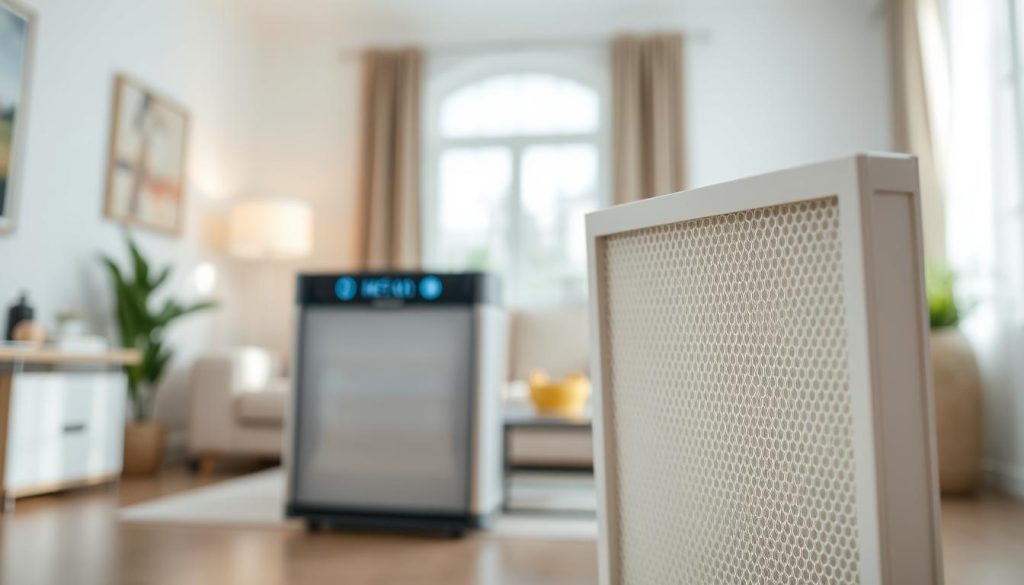
HEPA filters capture tiny particles such as dander that carry odour. Fit HEPA in a vacuum exhaust and at HVAC returns for best effect.
Tip: Replace or wash filters on schedule. Clogged filters reduce airflow and can make the air feel musty even after cleaning.
Air purifiers and clean filters
Air purifiers reduce airborne bacteria and fungi that worsen odours. They support cleaning efforts during humid spells or closed-up days.
Place purifiers near dog resting areas, not blocked by furniture, and choose a unit sized for the room area to ensure meaningful circulation.
Find hidden sources with a blacklight
A blacklight reveals old urine stains that glow yellow-green on carpets and along baseboards. Treat those specific areas with an enzymatic cleaner rather than re-cleaning the entire room.
- Checklist: HEPA vacuum, fresh purifier filters, purifier placement near pet zones, blacklight scan for accidents.
- These steps cut the real sources of odour and stop recurring issues in compact Singapore flats.
Prevent wet dog smell from coming back after walks, rain, and baths
Prevention keeps a home fresh: small routines after walks and baths stop odour from returning. We focus on daily care and entry routines that suit Singapore’s humid conditions.
Grooming that cuts indoor odours
Brush regularly — daily for long-haired pets, several times a week for short-haired friends. Removing loose hair and dander before entry drops the amount that lands on sofas and carpets.
Bathe as needed and dry thoroughly with a towel plus airflow or a dryer set on low. Damp fur left inside will re-seed odour into fabrics.
Entryway controls and washable choices
Use door mats and keep paw wipes by the door for quick clean-ups after puddles. A dedicated wet station prevents water and dirt from reaching living areas.
Choose machine-washable bedding and covers so items go straight into the laundry and do not become long-term reservoirs.
Accessory and machine care
Clean bowls, collars, leashes and hard toys regularly; these items can harbour bacteria and smells.
Run a monthly vinegar cleaning cycle in the washing machine and remove trapped fur from seals. Small steps keep our weekly routine simple and sustainable.
For an extra protocol on quick spot treatment, see our quick cleaning guide and consider specialised help such as a carpet cleaning service when needed.
Conclusion
A practical reset focuses on removing sources first, then refreshing air and fabrics. Start by cleaning pet bedding, rugs and carpet, then run a HEPA vacuum and check filters. We recommend baking soda on heavy fabrics and a vinegar wipe for hard floors as quick, effective steps.
Keep routines simple: brief weekly cleaning and a deeper monthly check of filters and missed areas. This steady care reduces recurring problems and saves time in the long run.
If an odour persists, a hidden spot often explains it. Target that area with an enzymatic treatment or consider professional carpet or upholstery cleaning as the next step. We finish with a strong.

