

We know a fresh flow of air makes an immediate difference to pet odours. Many modern flats are tightly sealed in Singapore, which can trap dampness and lingering odour.
Our aim is clear: a home that smells like nothing — just clean air rather than wet animal scent. This is realistic if we act steadily, not with one-off cleans.
In practice, the issue is a mix of fur, dander, saliva residue, damp textiles and occasional accidents that reactivate smells. We set a simple routine: find the source, ventilate and filter, run weekly cleaning, deodorise safely, and deep-clean trapped surfaces.
We won’t mask odour with heavy fragrances. Instead, we remove and prevent the cause. With a good vacuum, filter care, and common staples like baking soda and vinegar, small habits keep our house fresh even in humid weather.
Spot the real source of dog odour in a Singapore home
Before we start any work, we must pinpoint the source and why the scent keeps returning. This saves time and stops repeated cleaning that only masks the problem.
Why smells build up indoors
Wet fur, airborne dander and saliva on toys or bedding often bind with fibres and oils on skin. Oily secretions and waxy ear debris add sharp notes. Even sweaty paw pads can leave a faint scent that returns in warm, humid air.
Quick hotspot checks
- Follow our sniff test from where the pet sleeps, then along the food and lounging route.
- Inspect bedding, rugs, sofa seams, curtain hems, skirting boards and corners for trapped fur and damp patches.
- Look for discoloured spots on carpet or under cushions that might hide old accidents.
“Treating the exact source beats heavy fragrances every time.”
Find hidden urine with a blacklight
Switch off lights and scan edges and upholstery bases. Old marks will glow yellow or green. Mark those areas so we can neutralise them precisely. For persistent wall or baseboard odour, consider odour-sealing paint after thorough drying and treatment.
Ventilate and clean the air so smells don’t linger
A steady exchange of indoor and outdoor air keeps lingering scents from settling into fabrics and corners. We make ventilation our first action because stale indoor air holds odour particles that redeposit on soft surfaces.
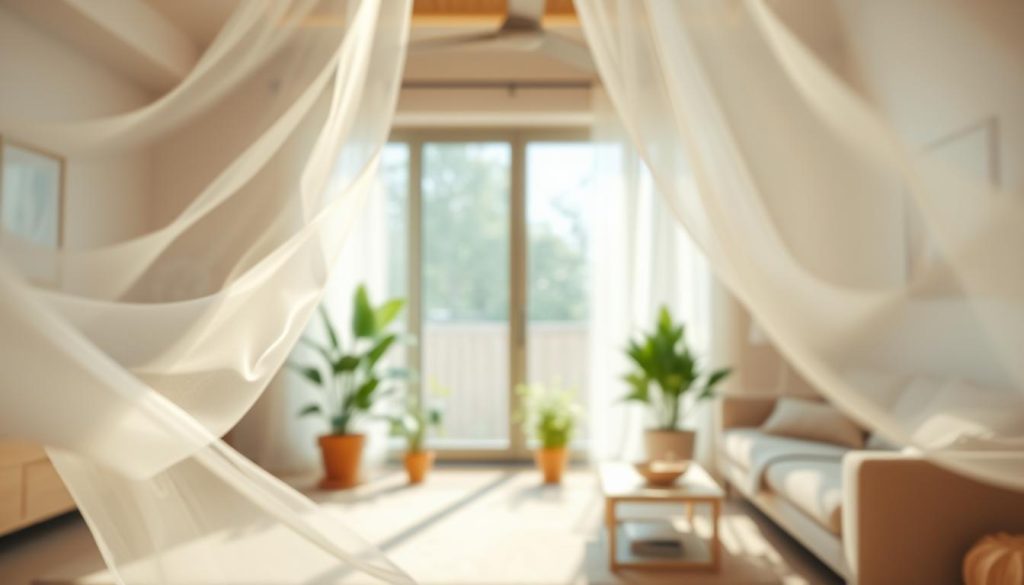
Open windows and doors for fresh air during and after cleaning
We open windows before we start, while we vacuum or mop, and afterwards so surfaces dry faster and smells dissipate. In Singapore, we pick cooler periods or just after a shower of rain to reduce heat and humidity for better drying time.
Upgrade to HEPA filtration and keep filters clean
HEPA captures tiny dander, pollen and dust that vacuums can stir up. We fit HEPA-grade filters in our home system and use a vacuum with a HEPA element where possible. Regularly check and replace filters; dirty filters cut airflow and trap odour rather than remove it.
When an air purifier helps with odours, bacteria and fungi in the air
An air purifier can be worth the investment in small flats, bedrooms or defined pet corners. If a musty or bacterial odor seems present, purifiers that target microbes reduce the airborne cause, while we address the source with laundry and spot treatment.
How to get rid of dog smells in the house with a weekly cleaning routine
We build a weekly cleaning rhythm that stops odour before it spreads. Routine prevents buildup and keeps our home pleasant without strong fragrances.
Top-to-bottom vacuum plan: start with rugs and carpets, then sofa crevices, pet blankets and curtains near pet areas. Finish with hard floors so fur and hair do not simply move around.
Vacuum everything that holds fur and dander, then clean the vacuum filter
Empty the canister and wash or replace the filter weekly. Check the brush head for trapped fur; a clogged vacuum can re-release odour and reduce suction.
Sweep and mop hard floors to lift dirt that feeds odours
Sweep first to lift hair and grit, then mop with a mild solution. Focus on entrances and feeding areas where residue builds up.
Wash pet laundry weekly: bed covers, towels and soft toys
Make washing non-negotiable. Use a warm cycle in the washing machine and add a splash of vinegar for stubborn odour.
Choose easy-to-clean, machine-washable pet bedding and covers
When replacing items, pick removable covers and odour-resistant fabrics. This small choice makes weekly maintenance realistic for busy Singapore schedules and reduces reliance on strong products.
“A short routine each week prevents much larger jobs later.”
| Task | Frequency | Why it matters |
|---|---|---|
| Vacuum rugs, sofa crevices, curtains | Weekly | Removes dander and fur before it embeds |
| Clean vacuum filter & brush | Weekly | Maintains suction and prevents odour release |
| Sweep and mop hard floors | Weekly | Clears dirt that feeds musty smells |
| Wash pet bedding and soft toys | Weekly | Removes saliva and dampness that turn musty |
For additional practical cleaning tips, and a guide for spot-care with a vacuum, see this vacuum cleaning resource.
Deodorise fabrics and floors with baking soda and vinegar
A simple, low-cost deodorising kit keeps fabrics and floors neutral between deep cleans. We favour pantry staples because they neutralise odour, not just mask it.
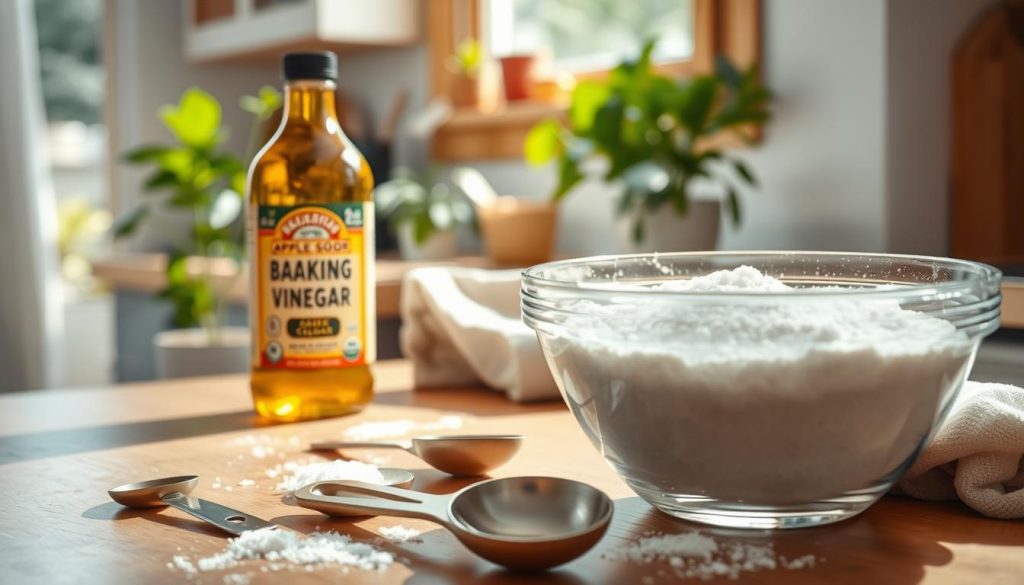
Baking soda for carpets and rugs
Sprinkle a generous layer of baking soda over carpets and rugs. Work it in with a soft brush so the soda contacts the fibres.
Leave the powder long enough to absorb odour. Then vacuum slowly and thoroughly, repeating along traffic paths.
Vinegar solutions for finished floors
Mix a mild vinegar solution with water for sealed timber or tile. Wipe with a damp cloth—do not soak—and let surfaces air-dry.
The vinegar scent fades quickly, especially with windows open. This solution clears residue without harming finishes.
Vinegar in the wash for stubborn fabric smell
Add vinegar in the softener compartment during washing. This helps remove persistent pet scent from bedding, towels and washable covers.
It can replace fabric softener and dryer sheets while leaving textiles neutral.
Pet-safe freshening and drying
Use light fabric sprays sparingly and avoid over-wetting in humid Singapore weather. Proper drying prevents a damp cloth odour from forming.
Keep pets off treated areas until carpets and covers are fully dry and vacuumed.
| Ingredient | Best use | Key tip |
|---|---|---|
| Baking soda | Carpets, rugs, upholstery pre-vacuum | Brush in, leave, then vacuum thoroughly |
| Vinegar | Finished floors, laundry softener compartment | Dilute with water; air-dry to remove scent |
| Light fabric spray | Quick refresh of washable throws | Apply lightly and dry fully to avoid damp smell |
Remove hair, dirt and stains first; deodorising works best after the source is tackled.
Deep-clean the surfaces that trap dog smell
Soft furnishings and rugs often act like scent sponges, holding odour long after the spill or shed fur is gone. Deep cleaning is necessary when regular upkeep still leaves faint odors in the air.
Neutralise upholstery and removable covers safely
If covers are removable, we wash them on a warm cycle with a mild detergent and a splash of vinegar. This removes oils and saliva without harming fabric.
For non-removable upholstery we brush off hair and dander first, then spot-clean gently with a damp cloth and an approved fabric product. Avoid saturating seams or padding.
Protect sofas and beds with washable throws
We place washable throws over high-contact areas. They match our décor and save a lot of effort because we can launder them frequently.
Carpets and rugs: home steam or professional services
Light steam cleaning at home refreshes carpets and lifts embedded dirt. For large areas or persistent odour, we call professionals who use stronger extraction and specialised products.
Note: a freshly cleaned carpet may smell different and some pets might mark again. We supervise our pet after service and use deterrents if needed.
Deep cleaning only works well when we also remove sources — blacklight checks, baking soda treatments and good ventilation must be part of the plan.
For an extra guide on keeping interiors fresh, see keep your house fresh.
Reduce odour at the source by caring for our dog
A focused routine for our pet keeps damp fur and waxy ear build-up from becoming household problems. When we treat the animal as the starting point, much less hair and dander end up embedded on sofas and carpets.
Brush and groom regularly
We brush outdoors when possible and pick a rhythm that suits our pet’s coat. This removes loose hair and cuts the load of dander that settles around the house.
Tip: a short daily session during heavy-shedding periods reduces clumps that would otherwise clog filters and fabrics.
Dry promptly after rain and plan baths
Towel-dry paws and undercoat immediately after walks or wet weather. Make sure bedding is fully dry before the pet returns to avoid a musty scent.
We bathe sensibly: not too often, but enough for the breed and local climate. Over-bathing can irritate skin and worsen natural odour.
Watch for health or diet signals
If odour changes suddenly or intensifies, we consider infections, allergies or diet issues. A vet check often resolves causes that endless cleaning cannot address.
For accidents, we use enzymatic cleaners quickly so the area loses attraction and our pet is less likely to mark again.
| Action | Why it helps | Frequency |
|---|---|---|
| Brushing outdoors | Removes loose hair and dander before it spreads | Daily or several times weekly |
| Prompt drying after wet walks | Prevents musty damp smell and mould transfer | Every wet outing |
| Sensible bathing | Reduces oily residue while protecting skin | Breed-dependent; monthly or as advised |
| Ear and skin checks | Detects wax or infection that adds odour | Weekly |
“If we remove the source—our pet and accident hotspots—every cleaning step becomes faster and more effective.”
For extra practical cleaning guidance and a deeper start, see our house cleaning tips for pet owners.
Conclusion
A clear, repeatable system is the shortest route to a fresh, usable living space. First identify the source, ventilate well, keep filters clean and follow a regular cleaning schedule.
Use baking soda on carpets and a diluted vinegar solution for sealed floors and laundry. Run bedding through the washing machine often and mop hard surfaces with plain water or mild solutions.
For stubborn odors, an odour eliminator such as HG Odour Eliminator can be sprayed liberally and left to dry; the scent fades as it treats the source. Stay consistent: open windows during and after cleaning and your home will feel fresher without masking fragrances.

