
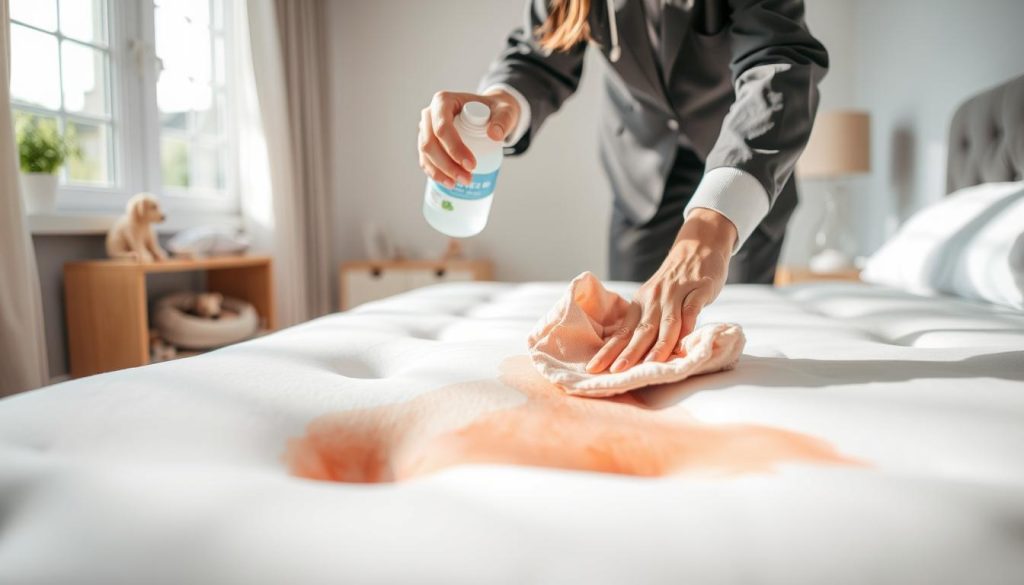
We know that an unwelcome odour can suddenly dominate a flat. Pets pass gas as part of normal digestion, but persistent or very smelly episodes point at diet or gut issues.
In this guide we set a clear two-track plan. First, rapid air and surface care that is safe around a pet. Second, longer-term measures that tackle the source: feeding habits, diet choices and gut support.
We will show practical home steps suited for Singapore living, where air-conditioning and humidity can make odour cling to soft furnishings. We will also explain when a vet visit is the sensible next step.
Expect easy fixes for immediate relief and sensible changes that lower recurring gas and flatulence. An air freshener alone rarely solves the root problem, so our approach looks at both clean-up and prevention.
Why dog fart smell happens indoors
We often see a change in room air that points back to normal digestion. Most dogs pass gas around five to twenty times each day. Many of those episodes are quiet and barely noticeable.
What flatulence is and where gas comes from
Flatulence is simply gas moving through the bowel. It comes from two main sources.
- Air swallowed while eating or panting moves through the digestive system.
- Bacteria in the large intestine ferment undigested food and create gases.
When the amount or time becomes a problem
Indoor environments make odour feel stronger. Limited airflow, recirculated air-conditioning and porous fabrics trap scents. A single event is usually not a concern.
We watch for signs that point at a problem: daily room-clearing odour, consistently pungent gas, or gas with other digestive signs such as diarrhoea or appetite change.
| Factor | Effect on gas | Why it matters |
|---|---|---|
| Breed (eg brachycephalic) | More swallowed air | Raises frequency and odour risk |
| Diet mismatch | More fermentation by bacteria | Produces stronger, foul-smelling gas |
| Indoor climate | Odour concentration | Makes normal gas seem worse |
| Age & obesity | Altered digestion | Can increase amount and persistence |
In short, gut bacteria and a balanced digestive system largely determine odour intensity. Improving digestion often reduces the issue at source.
How to get rid of dog fart smell in house fast
Immediate steps can shift trapped gases out of soft furnishings and restore indoor air.
First 10 minutes
- Open opposite windows for cross-ventilation and create a clear airflow path.
- Use a fan facing outwards to push air outside rather than circulating it indoors.
- Avoid sealing doors without airflow; that traps odour in the room.
Ventilation for Singapore homes
In HDB flats and condos, brief purge ventilation works best. When haze is light, open windows for 5–10 minutes, then resume air-conditioning with good filters.
Treat soft furnishings first
Fabrics cling to odour compounds. Prioritise sofas, rugs and the dog bed closest to the source.
- Sprinkle bicarbonate of soda, leave for 15 minutes, then vacuum.
- Use enzymatic cleaners on bedding and washable covers at the recommended temperature.
Safe deodorising and containment
Choose pet-safe methods and avoid harsh fumes. We suggest washable throws and a dedicated resting zone with a launderable mat.
- Wash bedding weekly and keep fan blades and AC filters clean.
- Wipe the dog’s paws and belly after damp outings to stop transfer of odour.
Expectation: these fast fixes clear room odour for a good period, but if the dog keeps producing excess gas the problem will return and the next step is examining diet and the digestive system.
Diet and ingredients that commonly trigger excessive gas
Certain ingredients and portion choices affect digestion and odour more than owners expect.
When complex carbohydrates and high-fibre items are not broken down in the small intestine, gut bacteria ferment them in the large bowel. That fermentation raises gas volume and can change its scent.

High-fibre and fermentable carbohydrates
Ingredients such as soybeans, lentils, peas and other beans are common in modern food and treats. Research links soybean meal and soya hulls with increased gas and stronger faecal odour.
We suggest reducing these ingredients rather than removing fibre entirely, since some fibre supports bowel health.
Sulphur-rich items and rotten-egg notes
Eggs and certain vegetables can boost hydrogen sulphide production. That compound gives a clear rotten-egg smell when present in higher amounts.
Dairy intolerance in adult animals
Many adult dogs lack lactase and cannot digest lactose well. Dairy products often cause bloating, loose stools and rapid gas after ingestion.
Portions, treats and table extras
Overfeeding and frequent rich treats overwhelm digestion even when the base dog diet is adequate. “Just a little” table scraps add up quickly.
- Keep a seven-day food log listing kibble, treats, chews and table scraps.
- Remove one suspect category at a time for a clear trial.
- If vomiting, diarrhoea or lethargy appear, pause changes and consult a veterinarian.
Eating habits that increase swallowed air and dog gas
Rapid gulping at meal times drives extra air into the belly and raises gas production.
Aerophagia is the medical term for swallowing air while eating. When a dog eats too quickly, gulping pulls air down the oesophagus. That air later moves through the digestive system and exits as gas, often suddenly and indoors.
Aerophagia from eating too fast
Spot fast-eating by watching for quick kibble swallowing, bowl pushing, coughing after meals or immediate bloating.
Tools that help reduce air intake
Slow-feeder bowls, food puzzle bowls, feeding mats, lick mats, snuffle mats and timer-activated dispensers work well.
- Slow-feeder bowls: force the pet to pick food from channels; best for bolters and brachycephalic breeds.
- Feeding mats & snuffle mats: scatter kibble so eating slows; great for anxious animals.
- Timer dispensers: deliver small portions over minutes, extending mealtimes.
| Tool | Best for | Practical tip |
|---|---|---|
| Slow-feeder bowl | Fast eaters, flat-faced breeds | Choose non-slip base; hand wash regularly |
| Snuffle/lick mat | Anxious or bored dogs | Spread kibble into multiple small piles |
| Timer dispenser | Multi-dog homes, food-motivated pets | Use programmed intervals to stretch meal time |
Set a goal: extend a meal from seconds to several minutes and monitor gas levels for 1–2 weeks. In multi-dog households, feed in separate zones to lower competition and air intake.
Gut bacteria and the dog digestive system
We find that the balance of microbes in the gut largely controls digestion and the character of any gas produced.
How the microbiome influences gas production and smell
Bacteria in the digestive tract break down food residues that the small intestine leaves behind. Different bacterial mixes change both the volume of gas and its scent.
Why sudden diet changes and antibiotics can disrupt digestion
Abrupt diet shifts or a course of antibiotics can cause dysbiosis — an imbalance of gut bacteria. That often increases fermentation and raises gas production, with looser stools or other issues following.
Probiotics, prebiotics, and postbiotics as support
We recommend a careful plan: change a single diet item or supplement at once and monitor appetite and stools for several days.
Probiotics supply live strains to help rebalance bacteria. Prebiotics feed helpful microbes. Postbiotics offer metabolic by-products that support mucosal health. Treat these as supportive, not miracle cures.
If chronic diarrhoea, weight loss or recent pancreatitis exist, contact a vet before adding any supplement. Reducing gas production at source means fewer clean-up episodes and a fresher home long term.
What different fart smells can indicate
Not all offensive air is the same. Certain notes point us toward diet, glands, or more serious internal problems. Use this short odour decoding guide to move from guesswork to practical next steps.
Sulphur / rotten-egg notes
Sulphuric scents often trace back to sulphur-rich foods, rapid fermentation by gut bacteria, parasites or digestive imbalance. If this appears after a new meal, try a short ingredient trial. If stools change or appetite drops, contact a vet.
Fishy or oily aromas
Fishy gas can come from fish-based diets or impacted anal glands. Watch for rear licking, scooting or greasy stools. These clues help decide whether a diet tweak, gland expression or clinical check is needed.
Skunk-like and metallic notes
Skunk-like odour commonly signals anal gland trouble rather than normal gas. Metallic scents are a red flag and may suggest internal bleeding; that requires urgent veterinary attention.
- Quick checklist: note timing, recent food changes, stool quality and any discomfort.
- If uncertain, use recorded details to speed a vet visit and avoid prolonged home experiments.
- For stubborn fabric odour after an episode, consider a specialist cleaner such as a wet-dry cleaner.
When dog farts could signal a health issue
When gas is paired with other signs, it often points beyond routine digestion. We must spot worrying patterns early so a vet can assess underlying health risks.
Symptoms to watch for alongside gas
Don’t wait if gas appears with persistent diarrhoea, repeated vomiting, blood in stool, weight loss, marked lethargy or abdominal pain. These symptoms suggest an urgent visit to a vet or veterinarian.
Parasites, infections and GI disorders
Intestinal parasites (worms, Giardia) and infections commonly change stool quality and raise gas production. Inflammatory bowel disease (IBD) and colitis also cause chronic flatulence and need veterinary management.
SIBO and exocrine pancreatic insufficiency
Small intestinal bacterial overgrowth (SIBO) and exocrine pancreatic insufficiency (EPI) disrupt digestion and nutrient absorption. Both can produce foul gas and ongoing weight loss.
“Prompt diagnosis often prevents prolonged discomfort and speeds recovery.”
| Sign | Possible cause | Likely vet action |
|---|---|---|
| Persistent diarrhoea | Parasites, IBD, infection | Stool analysis, deworming, diet history |
| Weight loss | EPI, chronic disease | Blood tests, pancreatic function checks |
| Blood in stool | Colitis, severe infection | Imaging, targeted therapy |
What a veterinarian may do: take a focused diet history, perform a physical exam, request stool and blood tests, and use imaging if needed. For Singapore appointments bring diet labels, a treat list, stool notes or photos and a clear timeline. This speeds diagnosis and reduces trial-and-error.
For further reading on gas and related signs see why your pet passes gas.
Long-term prevention plan for less smelly farts at home
Small, consistent changes in feeding and daily habits make a big difference for long-term air quality.
Switch foods gradually. Over roughly a week, blend the new food into the current diet each day. That protects the digestive tract and lowers the chance of dysbiosis and excess gas.
Choose easier-to-digest ingredients
Read labels and favour simple recipes with quality protein and fewer fermentable ingredients. Avoid frequent novel treats and keep table scraps minimal so the food routine stays predictable.
Smaller, more frequent meals
Divide daily ration into two or three portions. Shorter meal sessions reduce gulping and limit gas build-up for dogs that eat fast or bloat easily.
Support bowel movement and activity
- Fibre balance: include moderate fibre that supports good microbes, then adjust by stool quality, not guesswork.
- Short walks: a brief post-meal walk in Singapore’s cooler hours helps motility and relieves bloating.
- Hydration and routine: regular water and set feeding times make digestion steadier.
Consider targeted products or a supplement as part of the plan, but make sure any addition fits your dog’s health history and follows your vet’s advice. Consistency is the most effective measure for fewer, milder farts over time.
Conclusion
Conclusion
We can clear room air quickly with targeted ventilation, fabric cleaning and pet-safe deodorisers. These steps give fast relief while you work on lasting changes.
Common roots of persistent gas include diet triggers, rapid eating and an imbalanced gut system. Focus on feeding habits, ingredient choices and gradual swaps.
Try sensible adjustments for a short, defined trial period. If foul odour or other worrying signs persist, contact a vet or veterinarian without delay for checks on health and digestion.
Final note: occasional gas is normal, but with steady care most owners see fewer episodes and fresher homes. We are here to help reduce nuisance and protect pet health.

