

We introduce a compact guide for owners in Singapore who use a wet dry machine at home. These units handle dust, small debris and liquids in one device. Regular upkeep protects airflow and keeps smells at bay.
In this short guide we set expectations. After each use we show quick steps. Weekly or monthly deep work keeps filters and hoses free from build-up.
Safety is central. We advise powering down and unplugging once charging finishes to avoid overheating or overcharging. Keep electrical parts dry before storage.
We cover most cordless and corded models, but always recommend checking the manual for model-specific removal. Tools we use include mild detergent, diluted vinegar and soft brushes. Adequate drying time is essential before reassembly.
Why regular wet dry vacuum cleaning and maintenance matters for suction power
Regular upkeep keeps suction strong and protects components from premature wear. Good habits stop small faults becoming big problems for homes in Singapore, where humidity speeds mould growth.
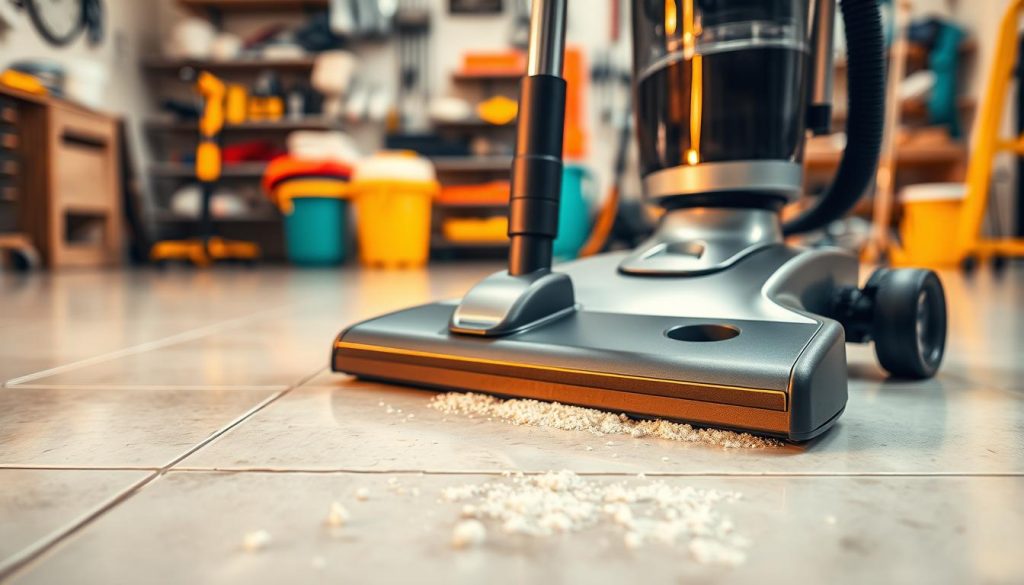
What goes wrong when dirt, dust and debris build up
When dirt, dust and debris collect in hoses and the tank, partial blockages form. These restrict air flow and force the motor to work harder, which reduces suction power and overall performance.
Common signs are weaker pickup on dry messes, odd noise or a change in pitch, and frequent nozzle clogs. In pet homes, hair and dander can mat on the brush and create a sludge that worsens restrictions.
Moisture, mould and odours in tanks and brush rolls
Leftover water and damp brush parts invite mould and bacteria. That causes persistent odours and may leave streaks after mopping.
In Singapore flats, higher moisture levels make prompt rinsing and thorough drying essential after any wet run.
Wet vs dry use considerations to prevent damage
Use the right filter setup for liquid work — often a foam element — and remove bags or pleated filters when required. Avoid wetting non-rated filters and keep electrical areas dry to prevent damage and safety risks.
- Warning signs: weak suction, musty exhaust, streaks after mopping.
- Pet tip: remove hair from the brush after each session to prevent air blockages.
- Routine mindset: treat every wet run as a rinse-and-dry task, every dry run as dust-and-filter care.
For a compact maintenance checklist, see our maintenance checklist.
How to clean wet and dry vacuum cleaner after each use
After every use we follow a short routine that keeps performance high and odours low. This brief sequence protects batteries, stops bacteria, and keeps air flow clear for the next job.
Power down safely and unplug once charging is completed
We turn the device off, disconnect attachments and unplug once charging is completed. This prevents overheating and protects battery life.
Emptying and washing the dirty water tank
Empty tanks promptly after liquids or mixed debris. Wash with a mild washing-up liquid, paying attention to corners where milk or food can cling.
Rinsing and drying the collection container
Rinse containers, remove grit and let parts air-dry in a ventilated spot. Dry parts avoid blocked air paths that reduce suction.
Cleaning brush rolls and hygiene
Detach the brush according to the manual, remove wrapped hair and pet hair, then scrub bristles with mild detergent. Wipe with diluted vinegar for extra hygiene and odour control.
Final checks before reassembly
Make sure seals and clips sit correctly. Refit only when every part is fully dry; even slight dampness can cause mould and odour.
| Step | Action | Why it matters |
|---|---|---|
| 1 | Power off & unplug | Protects battery and safety |
| 2 | Empty & wash tank | Prevents bacteria and mould |
| 3 | Rinse container & dry | Stops air duct blockages |
| 4 | Scrub brush roll | Removes hair and prevents marks |
Deep-clean the filter system to protect your vacuum cleaner’s performance
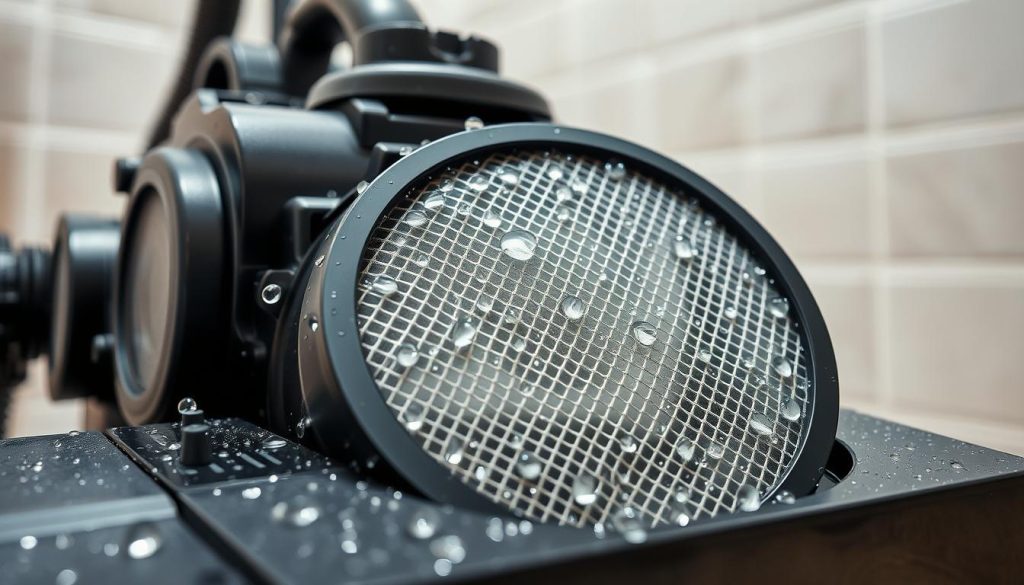
Clear filters preserve airflow and help the device run with consistent strong suction across tiles, laminate and carpet.
We inspect the filter housing for compacted dirt, damp patches or residue that blocks air. Remove the element as the manual directs and look for debris lodged in seals and collars.
Washable elements: rinse, dry, refit
Tap loose dust away for typical dry vacuum runs, then rinse only when the media is rated as washable. Leave the part to air until it feels fully dry and shows no damp smell.
Filter choice for liquid work
For wet dry use, many units require a foam element or removal of certain cartridges. Using the wrong setup risks motor damage and lingering odours.
| Task | Action | Timing |
|---|---|---|
| Inspect | Remove element; check for blockages | After heavy jobs or weekly |
| Rinse & dry | Rinse washable media; air until fully dry | As needed after soiling |
| Replace | Fit new element when degraded | Every 6–9 months or sooner |
Good filter care means cleaner exhaust air, less motor strain and steadier suction. If performance stays weak after these steps, we replace a worn filter using guidance from this guide.
Clean and check hoses, nozzles and accessories for reliable wet dry performance
Routine checks on every tool and hose keep airflow steady across floors and upholstery. We inspect attachments for cracks, kinks and trapped grit. Even small blockages in accessories can cut suction and make the device feel underpowered.
Removing blockages from attachments and crevice tools
Disconnect each accessory and look through bends and necks. Where safe, pull out visible debris by hand. Use a soft brush or cloth to clear fine dust from narrow parts.
Checking the power cord and connectors for wear and safety
We examine the cord and plugs for fraying or exposed wires. Replace any damaged leads immediately to avoid hazards and loss of power. Confirm connectors click firmly so no air leaks reduce suction.
Storage tips for Singapore homes: keeping the device dry and organised
Store the device in a ventilated corner, away from humidity and direct sun. Empty and dry the tank after liquid work and coil cords neatly to prevent kinks.
- Airflow reliability: a clear hose, good seals and intact accessories keep performance consistent.
- Practical tip: keep a small toolkit of brushes and spare nozzles for quick maintenance between jobs.
- Longevity: organised storage reduces odours, prevents water-related damage and extends service life.
For guidance on compatible models and replacement parts, see our note on wet-and-dry models and carpet advice at apartment carpet tips.
Conclusion
Simple daily habits prevent mould and odours. After every use we empty tanks, rinse parts when needed and leave components to dry fully so water, debris and smells do not linger.
Clean tanks, brush parts and filters keep suction steady, reduce motor strain and preserve performance on dust and small messes. Choosing the right filter and accessories for wet dry runs protects the motor and avoids costly damage.
For a reliable maintenance rhythm in Singapore, we follow a quick after-use routine, check filters regularly, inspect hoses and nozzles, and replace worn parts on time. Practical tips: allow extra drying time in humid weather, store the device in a dry, organised spot, and make one final step check before the next use.

