
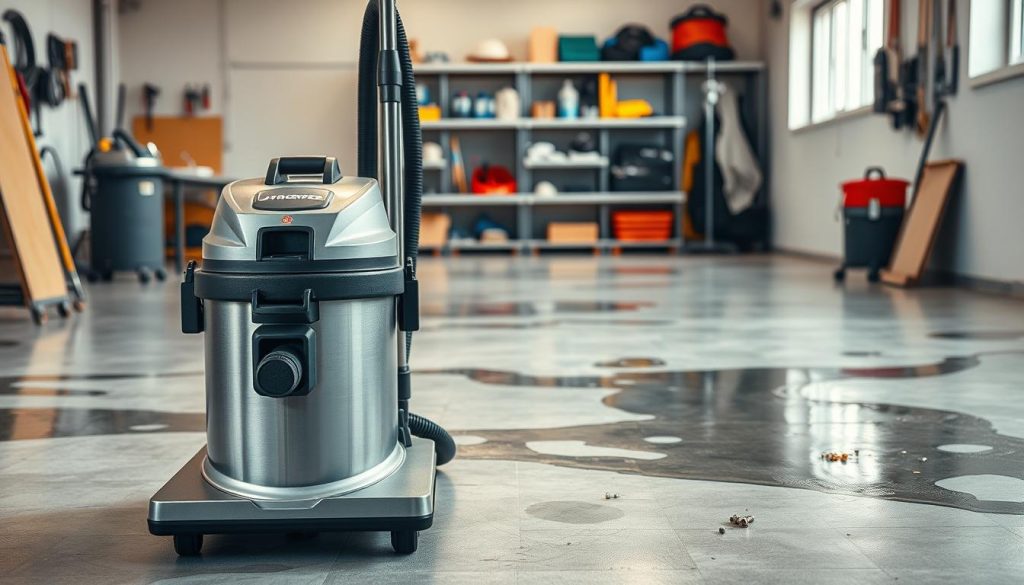
We set clear expectations for this Singapore-focused roundup. The category covers machines that handle solid messes and spills in one product. This saves space and effort in a busy home.
We explain how we test each unit. Our checks cover performance on hard floors, handling of spills, ease of use and value at typical Singapore price points. We compare different format types so readers can match a model to their routine.
We note that wet dry formats and a common term, wet dry vacuum, span drum, stick and hybrid designs. The best choice depends on floor type, storage space and noise tolerance.
What you will get here is straightforward: buying guidance, format comparisons and a short list of recommended models. We flag trade-offs such as weight, tank size and upkeep so you can shortlist and buy with confidence.
Why a wet dry vacuum is the smarter all-in-one cleaner for Singapore homes
In compact Singapore flats, a single machine that handles spills and crumbs changes how we clean day-to-day.
Where these systems beat a dry-only model
Unlike a standard dry vacuum, a wet dry unit can safely pick up water and small spills without risk. This means kitchens, bathrooms and covered balconies get quicker attention after accidents or short leaks.
Practical local scenarios
- Kitchen splashes and toddler spills are picked up in one pass.
- Bathroom drips and balcony grit clear fast, reducing tracked dirt indoors.
- After mopping, machines can handle leftover water so floors dry sooner.
Who benefits most
Families with children, pet owners and residents of high-traffic flats get the most value. Pet hair and scattered debris are handled alongside routine water clean-ups.
Realistic expectations: these units simplify daily upkeep, but performance depends on correct use, timely tank emptying and choosing the right floor settings. The true gain is time saved and fewer tools to store in a small home.
How dry-and-wet vacuuming and mopping works in one machine
This section shows the internal workflow that mixes water delivery with debris pickup. We describe why tank layout, roller action and rinsing claims matter for everyday use in Singapore flats.
Clean water vs dirty water separation: why tank design matters
Most models keep clean water separate from used water to prevent cross-contamination. Good tank design limits odour and makes emptying quicker.
Placement and seals reduce spills and make rinsing easier after use.
Brush, suction, and cleaning solution delivery in real-world mopping
A rotating roller loosens dirt while suction pulls liquid and debris into the dirty tank. Brush width and edge reach decide how well corners come out.
Cleaning solution helps remove stains, but overuse can leave residue. Follow manufacturer dilution guidance to avoid buildup.
What “self-cleaning system” actually cleans (and what it doesn’t)
Self-cleaning systems typically rinse the roller path and nozzle. They do not replace daily emptying of tanks or removing hair from wrap points.
We expect good rinsing, not perfect sanitisation; manual care still preserves performance.
| Component | What it does | Care needed |
|---|---|---|
| Clean water tank | Supplies fresh water for washing | Refill and keep sealed |
| Dirty water tank | Collects used water and debris | Empty after each use |
| Roller and nozzle | Agitates dirt, directs liquid to suction | Rinse with the self-cleaning cycle and inspect |
| Filter and hair points | Protects motor and keeps suction steady | Clean manually; replace as recommended |
What to look for when buying a dry and wet mop vacuum cleaner
Choosing the right model means balancing power, tank size and everyday convenience for Singapore homes.
Suction and motor performance
Prioritise suction and motor quality for picking up debris, embedded grit and pet hair. Strong suction helps, but nozzle and brush design decide real pickup.
Tank capacity trade-offs
Small tanks suit compact flats; larger tanks cut refill trips for bigger floors but add weight and storage issues.
Filtration for dust and allergens
Look for microfilter or HEPA options if household dust triggers allergies. Good filters protect motor life and keep air cleaner.
Cordless versus corded
Cordless models give quick manoeuvre freedom, but check runtime in minutes and high-mode drains life faster. Corded units keep steady power for long sessions.
Noise, weight and tools
Noise and heft affect whether the machine becomes your go-to for quick jobs. Check included brushes, edge tools and multi-surface heads.
Use a checklist: suction, tanks, filtration, runtime, noise, weight and attachments.
| Feature | Why it matters | Trade-off | Practical tip |
|---|---|---|---|
| Suction power | Removes debris and embedded dirt | Higher power = louder, heavier | Test on tile and joints |
| Tank size | Fewer refills for large floors | Bigger tanks add storage burden | Match capacity to typical job size |
| Filtration | Controls dust and allergens | Better filters need maintenance | Choose HEPA if allergies exist |
| Cordless runtime | Convenient for short passes | High mode reduces minutes available | Confirm real-world runtime |
Wet dry vacuum formats compared: drum models, cordless stick cleaners, and robot vacuum alternatives
We separate formats by use case so you can match capacity and attachments to typical chores in a Singapore flat. Below we outline three formats and the practical trade-offs that matter when you shortlist models.
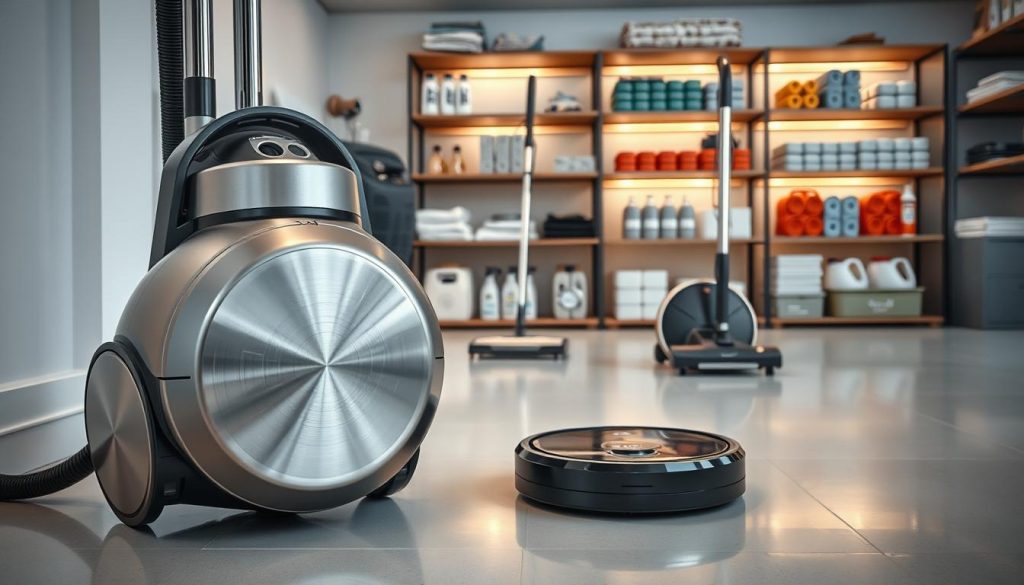
Drum units for heavy debris and renovation work
Drum vacuums suit garages, workshops and small renovation jobs. They offer higher capacity, robust hoses and heavy-duty attachments for larger debris and wet spots.
These units handle coarse grit and water without frequent emptying. Expect more storage space and a bulkier design, but also greater raw power.
Cordless stick systems for everyday hard floors
Cordless stick models combine quick vacuuming and light washing for kitchens and living areas. They are nimble to dock and store in compact flats.
Battery runtime and tank size decide how much continuous work you can do. They are the best fit for routine passes on hard floors and small spills of water.
Robot options: convenience for light maintenance
Robot units excel at daily dust and scattered debris. A robot vacuum helps keep floors tidy with minimal effort.
They fall short for fresh spills, sticky messes and thorough wet cleaning. If you often face liquid accidents, a dedicated unit is usually the safer choice.
Decision rule: for routine wet incidents choose a dedicated floor-washer style model; use robots for dust control and time-saving passes.
Our top dry and wet mop vacuum cleaner picks in Singapore right now
Below we shortlist the models that balance real-world performance, runtime and storage for local flats. Each pick highlights who benefits most and the key specs that matter when comparing products by price and practicality.
Overall best: Tineco Floor One Switch S7 Stretch
Why we like it: iLoop sensing, 22,000 Pa suction and close edge reach for everyday floor care. Tanks are generous (1000ml clean / 720ml dirty). Runtime: 50 minutes wash mode, 70 minutes for plain vacuum use.
Best for pet hair: Bissell CrossWave X7 Cordless Pet Pro
Turbo Pet mode helps lift pet hair on floors and rugs. Up to 20,000 Pa and about 30 minutes runtime make it a strong cordless choice for quick passes.
Best budget: Simplus Cordless Wet-Dry
Good stated suction (21,000 Pa), 50 minutes runtime and a fold-flat design that reaches under low furniture. Tank sizes and a 4.5h charge time keep it practical for smaller flats.
Most manoeuvrable: Narwal S20 Pro
AI Dirt Sense, triple-edge cleaning and 60 minutes runtime suit tight HDB layouts. Light weight and a 3.5h charge time help frequent use without storage pain.
Best for hot-water stain tackling: Dreame H15 Pro Heat
Delivers 85°C hot water for tough stains and oily marks. Strong 22,000 Pa suction and 70 minutes normal runtime but note its 6kg weight and care on wooden floors.
| Model | Suction (Pa) | Runtime (minutes) | Notes |
|---|---|---|---|
| Tineco S7 | 22,000 | 50 / 70 | iLoop, 1000/720ml tanks |
| Bissell X7 | 20,000 | 30 | Pet mode, 820/420ml |
| Simplus | 21,000 | 50 | Fold-flat, 500/550ml |
| Narwal S20 | 20,000 | 60 | AI sensing, 790/720ml |
| Dreame H15 | 22,000 | 70 / 25 (hot) | Hot-water stain option |
Quick buying rule: match tank size, brush edge reach, charge minutes and weight to your routine. That keeps cleaning fast and storage simple in Singapore homes.
Electrolux wet and dry vacuum cleaners: what makes them different
Electrolux splits its line into robust drum units and nimble stick options to suit very different cleaning routines.
Drum vs stick: choosing the Electrolux format that matches your cleaning
Drum models suit heavy debris and bigger water jobs. They offer greater tank capacity and hose power for renovation dust and larger spills.
Stick models are compact for frequent passes in a home. They blend quick suction with on‑the‑go rinsing for tiled floors and short sessions.
Performance features
Electrolux packs practical tech rather than just headline figures. The TriAction nozzle focuses edge contact and lift, so real dirt and debris clear with fewer passes.
Some models include smart dirt detection to raise suction when sensors spot heavier build‑up. In daily use, strong suction means steady pick‑up across joints and grout, not just a high spec number.
Hygiene upgrades
Microfilter technology helps trap fine dust, useful in humid Singapore conditions where allergens can linger.
Certain Electrolux models feature antibacterial water tanks to reduce odour and bacterial growth between uses.
The self-cleaning system on selected units rinses the brush path and reduces manual upkeep, though tanks still need emptying after each job.
- What varies by model: nozzle type, sensor suite, filter class and tank treatments.
- Buying tip: the official Electrolux Singapore store often offers free delivery, 0% instalments and promotional discounts up to 47% — check current offers before you buy.
Electrolux model spotlight for value: Flexio Power Wet and Dry Vacuum Cleaner Z823
For budget-focused buyers we single out a model that gives core performance without premium extras. The Electrolux Flexio Power Z823 is positioned as a value product at an accessible price point. Its aim is clear: robust function for mixed messes in compact Singapore homes.
Who we recommend it for
We recommend the Z823 to households that want a straightforward wet dry solution for patios, utility areas and quick indoor spill response. It suits users who prefer corded power over cordless convenience to save on price.
Key features
1600W motor offers reliable power for lifting debris and dust without fancy sensor systems. The 3-in-1 functions—wet pickup, dry vacuuming, and a blower—cover common tasks with a single product.
- Onboard accessory storage keeps tools with the unit, ideal for small homes where lost attachments slow you down.
- 360° manoeuvrability helps navigate furniture legs and tight corners, so handling often matters more than raw specs.
- The blower is handy for clearing leaves and light debris from balconies and utility nooks.
| Spec | Notes |
|---|---|
| Motor | 1600W — steady power for regular use |
| Functions | Wet pickup / dry vacuum / blower |
| Price (example) | Value segment |
Practical ownership note: corded value models give strong performance but need storage space and routine emptying to keep water tanks and filters in good order.
Electrolux premium cordless pick: 800 3-in-1 Wet & Dry Cordless Cleaner EFW81713
Our pick for a premium cordless model blends strong suction with an all‑in‑one floor wash that suits busy Singapore homes. The EFW81713 pairs an advanced inverter motor with a detachable hand unit for fast spot work.
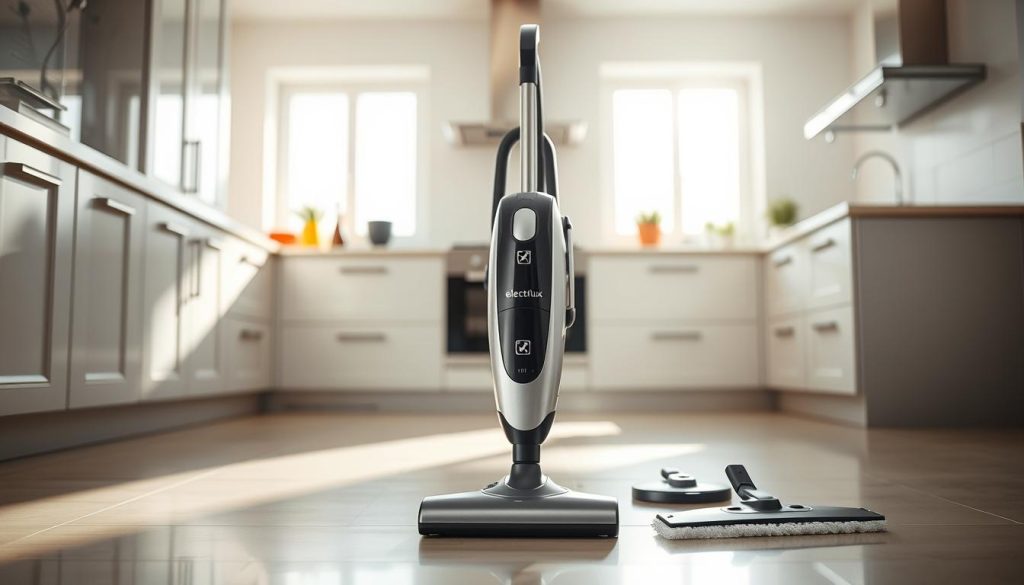
Why it stands out for hard floors
Vacuuming and mopping happen in one pass, which reduces repeat trips over tiled and timber surfaces. The TriAction nozzle helps reach edges and grout, so routine cleaning is quicker.
Convenience features
The detachable hand unit tackles crumbs, sofa edges and tight corners without a second device. Smart dirt detection raises power when sensors spot heavier build‑up, saving effort on predictable heavy patches.
Debris pick‑up claim and nozzle design
Electrolux cites a “99% debris pick‑up” result with the TriAction nozzle. We read this as a practical benchmark: technique, pass speed and edge access affect real outcomes.
Self‑cleaning system maintains the nozzle and roller path after use. Users still must empty tanks, check filters and remove hair from wrap points to keep performance high.
Price sits at the upper end of the retail scale. In return, buyers get cordless freedom, integrated design and reduced friction for frequent cleaning — tangible benefits for busy flats.
Electrolux hygiene-first option: UltimateHome 700 multi-function vacuum cleaner EFW71711
We focus here on a hygiene-first Electrolux option built to keep floors fresher between sessions. The UltimateHome 700 is aimed at households that want clear benefits from water treatment, fast drying and reduced odour in a busy Singapore home.
Antibacterial water tanks and bacteria elimination positioning
Electrolux markets the unit with antibacterial water tanks claiming up to 99.9% bacteria elimination and a practical “99% debris pick-up” result on routine passes. That combination targets families who prize a cleaner-smelling floor and fewer hygiene worries.
Important note: antibacterial treatment helps, but benefits depend on prompt emptying of dirty water. Letting used water sit defeats the protection and increases odour risk.
Quick floor drying and maintenance-friendly cleaning system
Quick floor drying is a real comfort point in humid flats. Faster drying reduces slipperiness and limits lingering damp smells after a pass. The UltimateHome 700 pairs rapid suction with a focused rinse so floors dry sooner.
The model’s self-cleaning nozzle reduces manual scrubbing of the brush path. Still, routine tank rinsing and filter checks remain essential to prevent dust build-up and maintain suction performance.
“For users who value hygiene, the EFW71711 balances odour control, drying speed and lower routine fuss.”
| Feature | Why it matters | Practical tip |
|---|---|---|
| Antibacterial tanks | Limits bacterial growth in stored water | Empty after each use |
| Self-cleaning system | Reduces manual nozzle scrubs | Run cycle and dry components |
| Quick drying | Safer floors, less odour | Use on tiled and sealed timber floors |
Value note: the example retail price sits mid-range in the line-up. For that outlay we see clear daily benefits: reduced odour, faster drying and lower hands-on maintenance over time.
Usage guidance: use brief passes for dust and mixed messes, empty dirty water immediately, and check filters weekly. This keeps debris off the floor and prevents spreading grime during cleaning.
Dyson wet dry options in Singapore: what “Submarine” adds (and what it costs)
Submarine is Dyson’s label for a cordless, premium approach that blends strong suction with an integrated water-handling path. We see it as a proposition aimed at buyers who want the feel of a high-end product, clever filtration and the convenience of a single, stylish unit for light liquid incidents and routine pass cleaning.
Dyson V12s Origin Submarine vs V12s Detect Slim Submarine vs Digital Slim Submarine
At a glance, the three models share Dyson’s cyclonic core and premium build. The V12s Origin Submarine targets users wanting solid cordless performance with competent water handling. The Detect Slim Submarine adds sensor-led surface detection for smarter power delivery. The Digital Slim Submarine focuses on lightweight handling and slim profile for tight Singapore flats.
| Model | Positioning | Strength | Consideration |
|---|---|---|---|
| V12s Origin Submarine | All-round cordless | Balanced power and filtration | Moderate water tank size |
| V12s Detect Slim Submarine | Sensor-led performance | Optimised power use, better dust sensing | Higher price for sensors |
| Digital Slim Submarine | Lightweight urban use | Easy handling, compact design | Smaller water capacity |
Why Dyson typically costs more: design, filtration, and R&D positioning
Price reflects more than brand. Dyson invests heavily in cyclonic engineering, motor design and advanced filters that trap fine dust and limit recirculation.
That R&D leads to tangible benefits: sustained power under load, refined ergonomic design and filtration that suits allergy-aware homes. Buyers pay for engineering, materials and a high-end finish rather than just headline specs.
“For buyers who prioritise lighter handling, superior dust control and premium design, Dyson’s Submarine options are compelling — but check water capacity and ongoing upkeep against value alternatives.”
Decision tip: if you plan to replace a standard dry vacuum with a single, premium unit, Dyson is worth trialling. If heavy water jobs or large tank capacity matter more, compare formats and price before committing.
Real-life scenarios: matching the right machine to your floors, messes, and routines
We map common Singapore messes to machine features so you buy for use, not just specs. Below we match typical tasks to what matters: tank capacity, edge reach, brush type and suction.
Everyday hard floors
For routine care on hard floors, a quick pass with clean water and a light cleaning solution is usually enough. Use short sweeps to avoid over-wetting the floor and check the roller frequently to keep it working well.
Spills and stains
Act fast for fresh spills. Blot large pools, then run a targeted pass with clean water. For oily stains, hot-water mopping (for example an 85°C setting on specialist models) can loosen stubborn marks.
Pet hair and grit
Near entrances and pet zones choose a model with an aggressive brush and strong suction. Edge cleaning is crucial: if corners retain hair and grit the room still looks dirty.
Indoor-outdoor flexibility
Balconies, patios and car footwells need a robust wet dry format that tolerates heavier debris and coarser dirt. A robot vacuum helps daily maintenance, but it cannot replace hands-on wet cleaning for fresh spills.
Price guide in Singapore: what we expect to pay and where value shows up
Expect to pay more for a model that blends strong power with reliable tanks and easy upkeep. Unit prices in Singapore vary because handling water adds parts, seals and extra testing.
Electrolux pricing range and what affects cost
Electrolux models typically span a wide price range during regular retail cycles. Format choice — drum versus cordless stick — drives the base price. Smart features, filter class and a self-cleaning system raise the tag further.
Budget versus premium: where to prioritise spend
For larger floors prioritise power and tank capacity to cut refill trips. For small flats choose convenience features that save time on short, frequent passes.
- When a self-cleaning system pays off: users sensitive to odour or who dislike post-use scrubbing will value the convenience.
- Shopping tip: check official-store promos for free delivery, 0% instalments and discounts up to 47%. Compare included attachments, warranty length and spare filters before you finalise a purchase.
| Budget tier | What to expect | Best for |
|---|---|---|
| Entry-level | Basic product, corded power, simple tanks | Utility areas, occasional water pick-up |
| Mid-range | Cordless stick options, better filtration, mid-size tanks | Daily use in flats, pet owners |
| Premium | Advanced sensors, larger tanks, self-clean cycles | Frequent cleaning, allergy-aware homes |
Maintenance and longevity: keeping your wet dry vacuum cleaner performing
We recommend a short, consistent routine so the system stays hygienic and powerful in Singapore’s humid climate.
Daily habits to prevent odour and wear
Empty dirty water promptly after each session. Rinse both tanks with clean water and leave them open to air-dry.
Spend three to five minutes handling this and you avoid lingering smells and bacterial build-up.
Using the self-cleaning function sensibly
Run the self-cleaning system if available, but do not rely on it alone. Manually inspect seals, nozzles and the water path to remove trapped debris.
“Self-cleaning reduces effort, not the need for manual checks.”
Brush, filter and suction care
Remove hair wraps from the brush, rinse rollers and check end caps so suction and power remain steady. Clean or replace filters to avoid dust clogging the airflow.
- Quick routine: empty tanks, rinse parts, dry components.
- Weekly: deep-clean the brush and check filters for wear.
Small habits of a few minutes after each use extend the machine’s life and keep performance high.
Conclusion
To wrap up, aim for the format that solves your real messes rather than chasing headline specs.
For homes that face both spills and dry messes, a wet dry vacuum can replace separate tools and save space. Choose a model that matches your floors, then shortlist by tank size, power and the features you will use weekly.
Focus on outcomes: pickup of debris and dirt, floor drying time and how many minutes you want to spend on upkeep. Practical runtime and easy maintenance matter more than peak specs for everyday cleaning.
Compare price to ownership: check storage, noise and how simple daily care is. Our simple next step: pick 2–3 models from the list, confirm floor compatibility, and buy the product that fits your flat and routine.

