

We introduce what this guide covers and set clear expectations. We explain the main question and outline what happens inside the machine during a typical clean. We focus on simple, useful facts so Singapore homes can deal with mixed messes fast.
Our overview previews the full cycle: dispense, scrub, suction, separation, after-care. We name core parts — motor, filters, clean tank, dirty tank, float assembly and moisture-safe seals — and show why each matters for results on hard floors.
We stress safe use: switch modes correctly, do not overfill tanks, keep moisture away from the motor. These steps cut mistakes and lengthen appliance life.
To see practical extras and creative uses, follow our short guide to 4 unusual uses. This article anchors advice to real tasks like kitchen spills, rainy entryways and quick refreshes.
What a wet and dry vacuum cleaner is and where it fits in Singapore homes
In Singapore flats, a single machine that handles spills and crumbs can save time and storage space.
Definition: A wet dry unit is one appliance that picks up solid debris and recovers water or other liquids without swapping parts.
The main types are clear in everyday terms.
- Wet-only units target standing water and heavy spills; they may pump out excess water.
- Dry-only models focus on dust control and use bags or HEPA filters to keep exhaust air clean.
- Combined machines switch modes, use a float assembly and separate tanks so solids and liquids remain apart.
For compact layouts, a dual-purpose unit cuts clutter and speeds tasks around furniture. It works well for quick post-meal clears, pet areas and entryways where water and grit arrive together.
On sealed hard floors, these units simplify a “vacuum plus wash” routine. However, deep carpet care may still need specialist tools.
How does wet and dry vacuum cleaner work: the cleaning cycle from start to finish
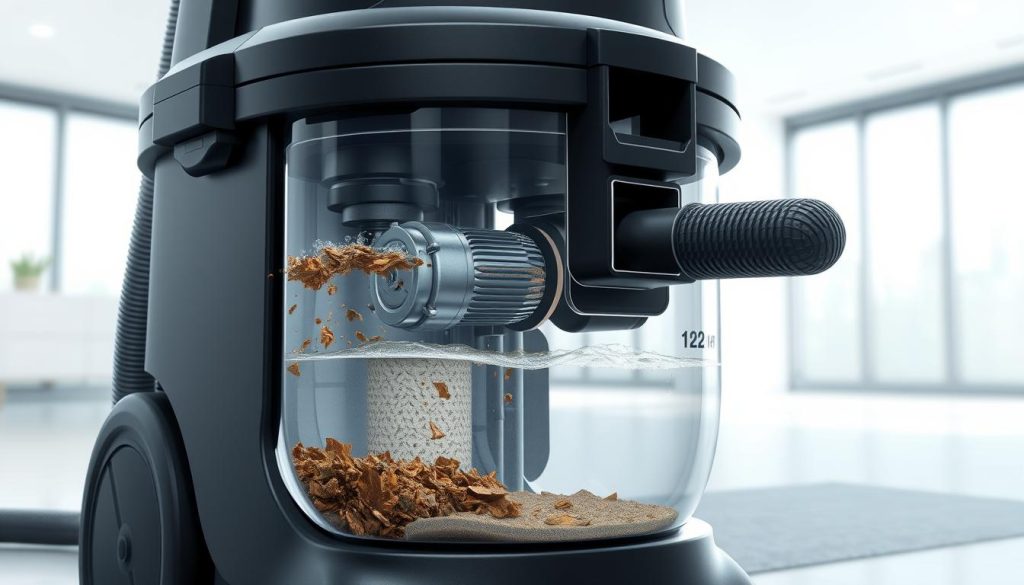
We take a single pass and describe each stage so you can picture what the machine does on tile, laminate or grout. The sequence is simple: dispense, agitate, pull, collect, protect and switch modes when needed.
Dispensing clear solution
The water tank releases measured water or solution ahead of the roller to loosen stuck residue. Controlled flow protects sealed floors from over‑wetting and reduces repeat passes.
Brush or roller agitation
A rotating brush lifts grime, dust and grit from textured surfaces. This mechanical action reduces manual scrubbing and loosens heavier debris for the next stage.
Suction, airflow and collection
Strong suction and steady airflow pull dirty water and solids into the collection tank. Good suction power prevents crumbs from being pushed along the floor.
| Stage | Main role | What to watch for |
|---|---|---|
| Dispense | Apply clean water solution | Even flow, no pooling on laminate |
| Agitate | Lift grime with brush | Brush contact, no stalling |
| Suction & collection | Recover dirty water and debris | Stable suction sound, steady recovery |
| Protection | Float, seals protect motor | No leaks, float stops overfill |
Separation and protection
Dual tanks or a two‑chamber system keep clean water apart from dirty water, limiting odour and cross‑contamination. Float assemblies rise with level and cut suction before spillage reaches the motor.
Mode switching and safe handling
When switching wet dry tasks mid‑clean, pause, empty the dirty water tank and check seals. We link to a clear technical note for deeper reading on correct switching procedures: wet dry operation guide.
- Listen for steady suction.
- Check consistent water recovery in the dirty water tank.
- Watch for minimal streaking and full brush contact.
Inside the system: key components that affect performance and efficiency
A machine’s results come down to a few core components; we unpack each one and why it matters. Small choices in design shape suction steadiness, handling of water, and usefulness across common Singapore surfaces.
Motor and power delivery
The motor is the heart of power and keeps suction constant when moving from crumbs to wet patches. Torque, airflow paths and cooling influence real performance on tiles and sealed wood.
Filters and fine‑particle control
Filters trap fine dust and stop particles escaping into enclosed rooms. Choose washable filters for cost savings or HEPA-type cartridges where air quality matters.
Collection tanks and capacity
The tank must tolerate water and grit. Bigger water tanks reduce stops but add weight for carry between floors. For daily quick tasks we prefer mid-size drums for balance.
Attachments, head design and optional pump
Floor heads set brush contact and edge reach; boost pick-up along skirtings. A blow feature helps gather leaves or dust before pick-up.
For heavier water removal, a discharge pump saves time in flooded areas or construction sites. For most home applications a simple tank is enough.
| Component | What it affects | Practical tip |
|---|---|---|
| Motor / power | Suction consistency, performance on surfaces | Look for sealed airflow and steady wattage |
| Filters | Air quality in enclosed areas | Use washable for routine use, HEPA for sensitive rooms |
| Tank / water tank | Run time between empties, weight to carry | Pick capacity to match your flat size and stairs |
| Attachments / features | Edge pick-up, debris handling, extra functions | Choose heads that match floors and common tasks |
| Pump / discharge | Large-volume water removal in construction or floods | Useful for heavy water tasks; optional for home use |
How we use wet dry vacuums for real cleaning tasks
Practical use is about matching features to need — fast spill recovery, mixed debris pickup or fine dust control. We lay out typical applications so you can choose the right tool for each area in a Singapore flat.
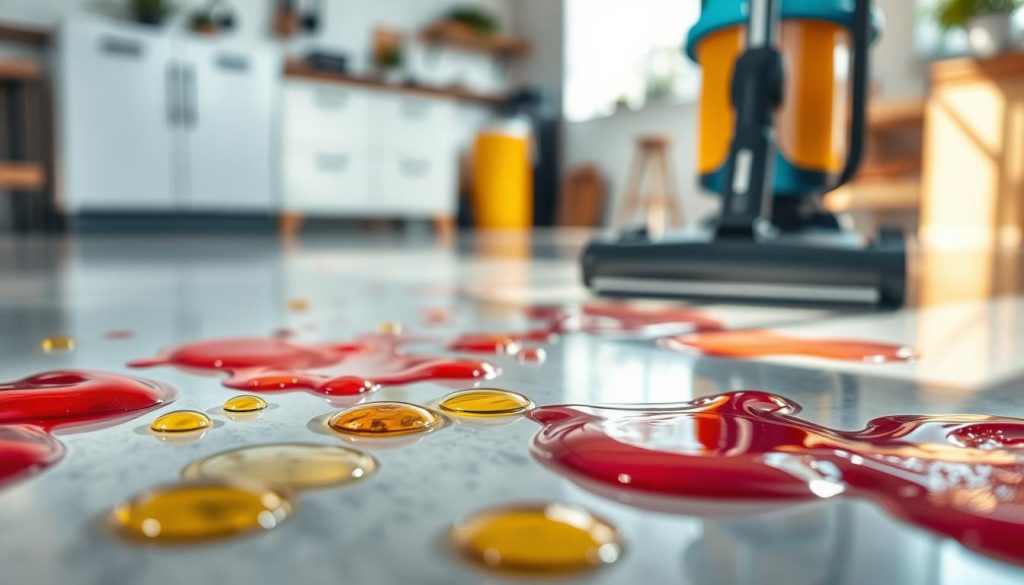
Liquid spills and rainy-day water: quick recovery on tiles and laminate
For doorway puddles and drink mishaps we use controlled flow and immediate suction to stop slips. Quick passes prevent water from soaking into seams on laminate.
Crumbs plus spills in one pass: kitchens, dining areas, and entryways
One route that picks solids then removes the moisture saves time. We prefer heads that keep brush contact so grit and sauce are removed together without extra mopping.
Carpet and upholstery refresh: when a wet and dry vacuum can help
Light stains and surface spills can be treated with a mild detergent and a recovery pass. Be conservative: dedicated carpet extractors still outperform for deep cleaning.
Construction and workshop debris: dust, sawdust, screws, and small materials
After DIY jobs we use units with robust collection drums and strong suction to pick up dust, sawdust and small fasteners. A solid inlet and coarse filter help prevent clogging.
Sensitive environments: when dry vacuum cleaners and fine filtration matter more
In hospitals, labs or cleanrooms we opt for a dry-only model fitted with high-grade filtration. Airborne particle control outweighs wet capability in these areas.
- Choose wet-capable units for mixed spills and fast water removal.
- Pick dry-only units when filtration for dust is the priority.
- Use pumps or wet-only tools for large-volume water tasks.
How we get the best results and extend lifespan with simple maintenance
A short, regular routine protects parts and prevents odour or mould from forming in tanks. We keep steps straightforward so upkeep is quick after everyday tasks. Good habits cut repair bills and keep performance steady in humid Singapore flats.
Emptying and rinsing the dirty water tank promptly
After each session we empty the dirty water without delay. Stagnant water can stain the tank and encourage mould in warm, humid conditions.
Rinse the tank with fresh water and leave it open to air-dry. This simple step prevents odour and limits microbial growth on seals and internal channels.
Self-cleaning cycles, roller care, drying routines
Where the unit has a self-clean option, use it to flush rollers and pathways. Note: it is not a substitute for manual checks.
Remove hair from rollers, check for wear, and allow parts to dry fully before reassembly. Drying keeps seals pliable and reduces trapped moisture.
Filter checks and scheduled replacements
We inspect filters weekly for build-up. A clogged filter reduces airflow and forces the motor to work harder.
Replace or wash filters per the manufacturer’s cadence to keep efficiency steady.
Storage tips for Singapore humidity
Store with tanks open in a ventilated spot. Wipe gaskets and channels dry and keep the dock area airy to avoid lingering moisture.
Maintenance cadence: after every use — empty, rinse, dry; weekly — filter and roller check; monthly — deep rinse and inspection. For related guidance on cleaning an air purifier, see cleaning an air purifier.
Conclusion
To finish, we summarise the practical value of combined machines and the small habits that keep them reliable.
In a single loop the unit meters clean solution, agitates, lifts soiled fluid and solids, then separates deposits into a recovery tank for hygienic disposal.
For Singapore flats where mixed messes on hard floors are common, a combined unit saves steps and time compared with a separate vacuum‑then‑mop routine.
Two make‑or‑break factors determine long‑term satisfaction: separation and filtration design for hygiene, plus simple maintenance habits to prevent odour and preserve performance.
Match a model to your frequent surfaces and messes, then follow basic after‑use care. For further reading on benefits and selection, see why a wet dry vacuum is.

