

We explain what this hybrid tool does and why it became a practical upgrade for Singapore homes. Traditional machines could not handle spills, and mopping after dusting was slow. These floor-washing machines were designed to end that two-step chore.
Our guide sets clear expectations: one pass can pick up loose debris and clear liquid messes with a scrub-and-extract action. We will define dual-tank hygiene, show real results on floors, and compare this class to a simple vacuum mop attachment.
We will also map what to look for — tanks, suction, filters and maintenance — so you can choose for flats or landed houses. Later sections examine performance, use cases and buying tips for our local climate and lifestyles.
What a wet and dry vacuum cleaner is and why it matters in Singapore homes</h2>
A single machine that scrubs up liquids and picks up crumbs in one pass has reshaped cleaning habits in Singapore kitchens. We define a wet dry vacuum as a two-in-one appliance that vacuums solid debris while lifting liquid spills. It is not just a mop, nor only a dry unit.
Why it caught on: long work weeks and compact flats make tool-switching a hassle. Using one pass saves time after dinner and during quick tidy-ups.
Key design points matter. Separate tanks keep clean water apart from waste, which improves hygiene and reduces odour. A brush or roller agitates grime while a sealed airflow handles moisture safely.
- Where it fits: post-meal resets, rainy-day entryway wipes, and fast pre-guest touch-ups in smaller homes.
- Buyer tip: the best wet dry pick depends on home size, common messes and how often we will use it.
Meaning of wet and dry vacuum cleaner: what “wet”, “dry”, and “dual-tank” really mean</h2>
Let’s unpack the labels used on floor-washing models so you know what to expect when spills or grit appear. Dual-tank designs deliver a measured cleaning solution to the floor while keeping the clean water separate from the collected waste.
Wet cleaning: controlled delivery and safe collection
Wet mode sprays a small amount of solution to loosen stains, then scrubs and extracts the mess into a dedicated tank. That keeps clean water usable and prevents dirty water from being reused. This is ideal for liquid spills like coffee or soup drips and for muddy paw prints.
Dry cleaning: dust, crumbs and solid pickup
Dry mode focuses on picking up dust, crumbs and solid debris without wetting the floor. A proper dry vacuum setting uses filters and airflow tuned for dry dirt so there are no streaks or residue.
Why dual-tank hygiene matters
With a sealed airflow and separate tanks, the system protects the motor from moisture and keeps rinsing efficient. When we check specs, we look for strong seals, easy-empty tanks and a build rated for both solids and spills.
How a wet dry vacuum works inside the machine</h2>
Under the housing, a coordinated spray, agitation and suction cycle is what does the real work. We see three clear phases when the head moves forward: dispense, scrub, extract. Each phase must work in sync for fast clean-ups in humid Singapore homes.
Dispense: measured fluid ahead
The unit delivers a small amount of clean water or cleaning solution to loosen grime. Controlled dosing avoids over‑wetting sensitive flooring while preparing dried mess for the next stage.
Scrub: roller or brush action
Soft rollers or brushes agitate grease and stuck-on food. This contact helps the suction lift residue rather than push it around.

Extract: lift into the dirty tank
Powerful suction then removes the slurry and solids into a separate dirty tank. Separation prevents moisture reaching the motor and keeps odours contained.
Airflow, filters and self-care
Sealed airflow paths route air away from wet sections. Many models use foam filters for wet tolerance and a HEPA element for fine dust and allergy control.
“Spray, scrub, extract — the visible cycle that defines performance and longevity.”
Self-clean and self-dry cycles rinse rollers and use heat or airflow to reduce mould and odour. These maintenance features save time and extend usable life.
| Component | Role | Typical Material | Maintenance Tip |
|---|---|---|---|
| Water tank (clean) | Supplies solution for dispense | Plastic, BPA-free | Refill with fresh water; empty after use |
| Roller/brush | Agitates grime for extraction | Rubber or microfiber | Rinse after heavy use; run self-clean cycle weekly |
| Dirty tank | Collects liquid and solids | Clear plastic with seal | Empty promptly; wipe seals to prevent smell |
| Filters (foam/HEPA) | Protect motor and trap fine dust | Foam, HEPA paper | Wash foam; replace HEPA per manufacturer |
In practice, headline power figures matter less than how airflow, brush contact and extraction work together. We look for consistent suction, good seals, easy access to the dirty tank and clear filter care instructions to reduce long‑term maintenance.
What you can clean with wet dry vacuums</h2>
We use these machines for jobs that mix liquids and solids. They save time after meals and cut the need for extra mop work. Below we map the most common Singapore cases and where a single unit truly helps.
Everyday mixed messes
Kitchen crumbs plus drink spills are daily in many homes. A single pass lifts crumbs and extracts splashes, turning a full mop session into a quick touch-up.
Pet and family mess
Muddy paw prints, small accidents and sticky kid spills respond well to immediate extraction. Prompt cleanup reduces lingering smells and prevents stains.
Bathrooms and corners
Tile lines and skirting need edge-to-edge pickup for a neat finish on hard floors. Models with edge brushes reach corners that ordinary tools miss.
Beyond floors
Some units include handheld attachments for car interiors and upholstery. Check included tools — not every model offers these extras.
Heavy-duty and outdoor
Robust, shop-style designs handle DIY dust, patio grit and garage debris. They are tougher on waste, but not every domestic model suits heavy outdoor work.
- Waste reduction: fewer paper towels and disposable pads when spills go straight into a tank.
- When to stick with dry vacuums: pure dust jobs, delicate areas or quick spot pickups still favour a dry-only unit.
Where wet dry vacuums work best (and where they don’t)
Before buying, we match the tool to the surface. The right pairing gives fast, safe results; the wrong one risks damage.
Best for hard floors: tile, sealed hardwood, laminate and vinyl respond well to scrub-and-extract cleaning. These surfaces tolerate limited water and benefit when the machine removes residue quickly.
Why sealed matters
Sealed hardwood keeps moisture out of joints and the core. Using low-moisture settings and prompt extraction reduces warping and finish dulling.
Surfaces to avoid
Unsealed wood and untreated stone absorb water, which can lead to staining, swelling or a dulled surface. We recommend steering clear of these when using a hybrid model.
Carpet caution
Carpets need a true carpet mode. Without it, over-wetting fibres and under-extraction cause slow drying and odours. For most rugs, a dry-only tool remains the safer choice.
- Respect slip risk: even near-dry floors can be slippery immediately after cleaning.
- Best way to test: try a small, hidden patch, use the lowest water setting and watch how the area dries.
- Buyer note: if your home is mostly dry-only tasks, keep a dry vacuum as your main tool and use a wet dry unit selectively.
“Start small, use low water and confirm quick drying before you proceed across larger areas.”
Key features to compare before you buy a wet dry vacuum</h2>
Before we pick a model, we shortlist the features that change daily chores versus those that just look good on paper.
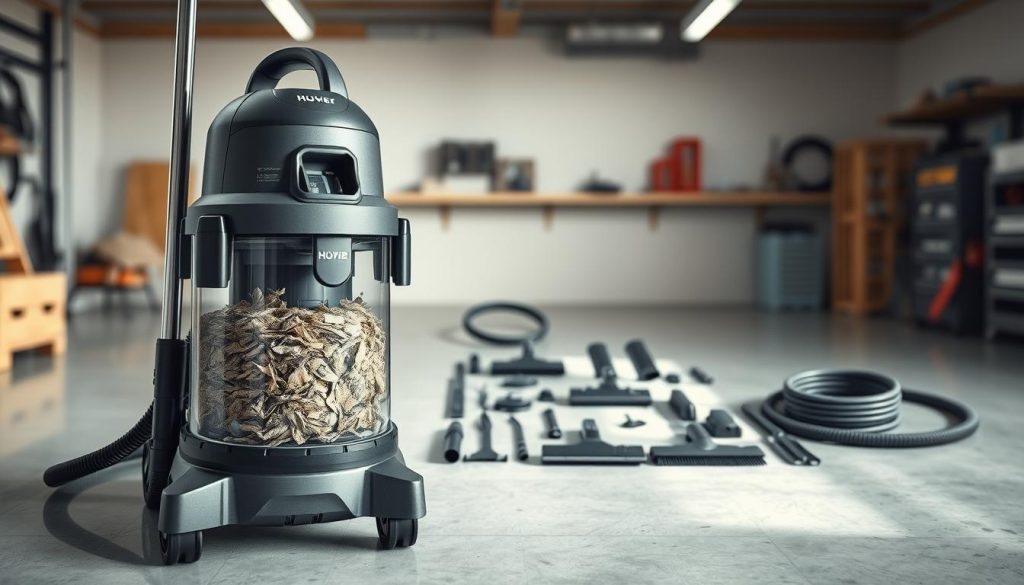
Suction and consistent pickup
Suction must work with brush contact. High headline power means little unless airflow and roller contact lift edges and skirting. Look for tests showing streak-free extraction.
Roller and brush design
Soft rollers suit sealed floors. Wide rollers and edge-reach elements cut hand-wiping. Flexible heads make under-furniture work faster and gentler.
Tank capacity and access
For Singapore flats, a 500–700 ml tank hits a good balance of capacity and weight. Check how easily tanks open for rinsing to avoid messy emptying.
Manoeuvrability and water control
Swivel steering and low push resistance matter in compact layouts. Adjustable moisture settings reduce over-wetting on laminate and similar surfaces.
Usability and running costs
Clear displays, tank-full alerts and self-clean cycles save time. Confirm washable filters and the price and availability of replacement rollers to control long-term maintenance.
| Feature | Why it matters | Practical note |
|---|---|---|
| Suction | Edge lift and extraction | Check demo on skirting |
| Tank(s) | Refill frequency and mess control | 500–700 ml suits daily flats |
| Roller type | Floor safety and pickup | Soft, wide rollers for sealed floors |
| Manoeuvrability | Speed and reach | Swivel + low-profile head for under cabinets |
“Prioritise real-world performance—edge pickup, tank access and easy upkeep—over a single power number.”
Wet dry vacuum vs dry vacuum cleaner: what changes in results and time</h2>
Choosing between a single hybrid unit and a separate dry unit changes what we expect after a quick clean.
One tool versus two: vacuuming and mopping without switching
One pass action means we vacuum loose debris, spray a little solution, then extract the slurry in a single sweep. This cuts setup and swap time, making short evening tidies realistic in compact Singapore homes.
Hygiene gap: fresh water applied, dirty water removed
Dual tanks keep clean water separate from dirty water. We apply fresh solution, scrub, then capture the waste instead of spreading used bucket water across the floor.
Drying time and slip risk
Because the unit extracts most moisture, floors are nearly dry within minutes. That reduces waiting time and lowers slip risk in high-traffic zones like kitchens and bathrooms.
“A proper hybrid pass removes sticky residue as well as crumbs—results you can see and feel.”
| Aspect | Hybrid floor washer | Dry vacuum cleaner |
|---|---|---|
| End results | Removes grit and sticky residues | Removes loose debris only |
| Hygiene | Fresh clean water used; dirty water extracted | No liquid handling; risk of spread with mop |
| Time | Shorter for mixed messes (one pass) | Faster for dry-only spot picks |
| Best use | Crumbs plus spills in small homes | Pure dust, light rugs, quick pickups |
Decision rule: if you face spills and debris together, a hybrid pays back in time and cleaner finish. If your home is mostly dry dust, quality dry vacuum cleaners remain a smart, lighter option.
Choosing the right wet and dry vacuum cleaner for your space and routine</h2>
Runtime, tank size and dock design shape whether a unit becomes part of daily life. We focus on what fits Singapore flats: short runs, light weight and tidy storage.
Apartment-friendly picks: aim for 20–30 minutes runtime and 500–700 ml tanks for balanced capacity and weight. Models like the Dreame G10 Combo or NNIO WEDEE suit small kitchens and tight storage with compact docks and simple refill access.
Deep-clean priorities: for greasy kitchens choose heated rollers and stronger scrubbing. The Dreame H15 Pro Heat is built for this with hot-air drying and edge-to-edge pickup.
Mixed-floor homes: look for automatic moisture and suction adjustment so sealed hardwood and laminate stay safe without manual swaps.
Faster routine: pair a robot for daily hair and crumbs, then use the hybrid for spills and weekly resets. This way we save time and share chores across devices.
Checklist to self-diagnose:
- Typical mess: spills, greasy residue or mostly dust?
- Floors: sealed wood, tiles or rugs?
- Storage: dock space and weight limits?
- Tolerance for upkeep: filters and roller replacement?
“Choose for routine fit, not just power numbers — low upkeep keeps it in use.”
Conclusion</h2>
In short, a hybrid system that dispenses, scrubs and extracts gives us one-pass cleaning for spills and debris. It removes the need to swap tools and delivers better results in kitchens, dining areas and entryways.
Hygiene wins when fresh water stays separate from collected waste. Self-clean cycles cut odour and mould risk, lowering ongoing maintenance and prolonging life.
Choose for sealed hard floors; avoid untreated stone and rugs unless a dedicated mode exists. Prioritise consistent pickup, sensible tank size and simple upkeep over headline specs.
For the calmest routine, pair a hybrid unit with a robot for daily dust. This trims time and reduces disposable consumables, making the system a practical upgrade for Singapore homes.

