

We introduce what a vacuum cleaner water filter is and why it matters for Singapore homes. These machines use a spinning water bath so dust and dirt bind in liquid rather than stay in a bag. That helps deliver fresher room air and reduces allergen recirculation.
In this guide we focus on real-world results: suction and airflow, ease of use, maintenance effort, and true ownership costs. We explain how water filtration differs from bagged or cyclonic designs and where additional stages, such as HEPA, add value.
We also spell out who benefits most — families, pet owners and renovation-prone households — and who may prefer lighter machines. For practical advice on upkeep and specific cleaning steps, see our linked cleaning steps.
How water filtration in vacuum cleaners improves cleaning and indoor air
Understanding the mechanics of a rotating water bath helps explain why exhaust air can feel cleaner after use. We outline the capture steps, the allergy benefits, and how this setup stacks up against bagged and cyclonic systems for homes in Singapore.
How a rotating water bath traps dust and dirt
Dirty air is drawn into the machine and forced into a spinning column. Particles strike the moving surface and become entrained in the water, then sink to the compartment base.
This process reduces airborne particles before the exhaust path, helping the unit maintain steady suction until the compartment needs emptying.
Why this helps with allergy and allergen control
We find that binding fine debris early lowers the quantity of allergens recirculated into rooms. Bagless, wet capture also cuts the risk of creating dust clouds when disposing of waste.
“Multi-stage systems combining a water bath and downstream HEPA can stop microscopic particles and reduce allergen exposure.”
Water filtration versus bagged and cyclonic systems
Bagged units trap debris but can harbour odours and need regular replacements. Cyclonic designs separate larger debris by force, yet performance varies with staging and worn parts.
Water filtration delivers a clear visual of what was removed and often keeps odours down if we empty the dirty reservoir promptly.
- Rotating water bath: early capture of pollen, mite waste and some bacteria-sized particles.
- Downstream HEPA: final barrier for moisture droplets carrying particles (HEPA 13 rated units claim up to 99.95%–99.99% capture).
- Practical outcome: fresher air after routine cleaning of floors and soft furnishings.
| System | Core capture method | Odour control | Maintenance note |
|---|---|---|---|
| Rotating water bath | Entrains particles in liquid | Good if emptied each use | Empty and rinse compartment |
| Bagged | Paper or fabric bags | Can trap odours | Replace bags regularly |
| Cyclonic | Centrifugal separation | Depends on seals and filters | Clean cyclones and post-filters |
For a deeper technical comparison, see our note on how water-based vacuums work, which expands on multi-stage filtration and HEPA performance.
Choosing the right vacuum cleaner water filter for Singapore homes
A practical checklist helps us sort real needs from marketing claims when choosing a water-based filtration machine for Singapore flats. We focus on measurable performance, everyday handling and how a unit fits your layout.
Filtration performance that matters
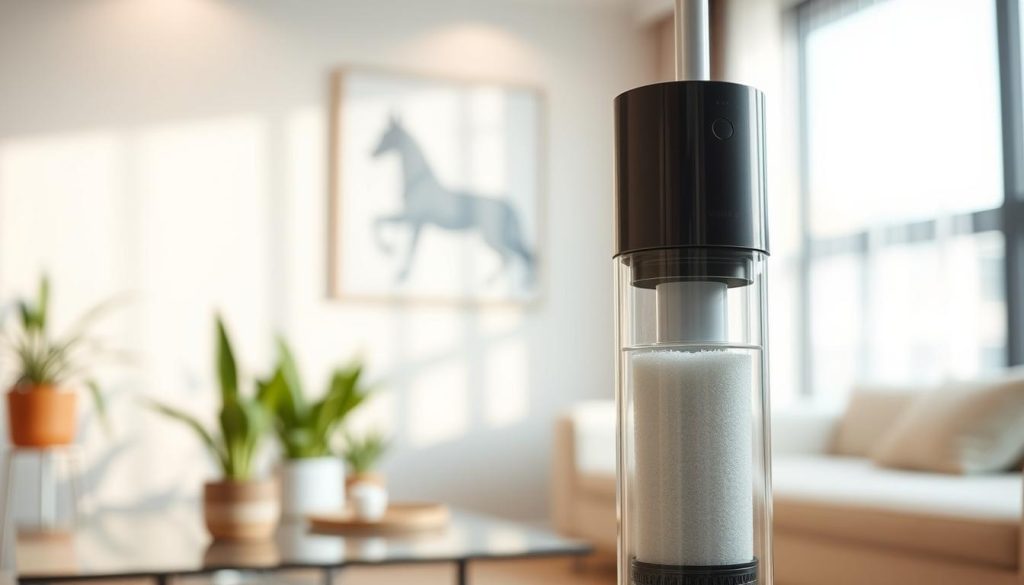
Look for a multi-stage system that pairs a liquid capture stage with a certified HEPA post-stage. HEPA 13, for example, helps trap 0.3 µm particles and reduces allergens in bedrooms and living rooms.
Tank capacity and handling
A 2 L tank is a common sweet spot. It holds enough for regular sessions in flats while staying light to lift, pour and rinse without fuss.
Suction and energy use
Compare rated input power to claimed output. Some machines pair a 650 W motor with design gains that feel like higher power but use less monthly electricity.
Wet and dry needs
Decide if you need true wet pick-up or only dry dirt capture. Wet capability adds versatility but requires prompt emptying and drying in humid climates.
Ease of maintenance and usability checks
We check for anti-foam aids (FoamStop), motor protection stages, cable rewind, parking positions and onboard storage. Operating radius and wheels matter in compact homes; a 10.2 m radius and smooth casters improve reach and manoeuvrability.
Attachments and what to test
Ensure the scope includes a switchable floor nozzle, crevice and upholstery tools. These make cleaning floors, sofas and tight gaps straightforward and reduce repeat passes.
- Match to household: pets, children, renovation dust or sensitive sinuses determine which trade-offs we accept.
- Practical note: pour and rinse dirty reservoir promptly to avoid odours and bacteria build-up.
What to expect from today’s water filter vacuum technology
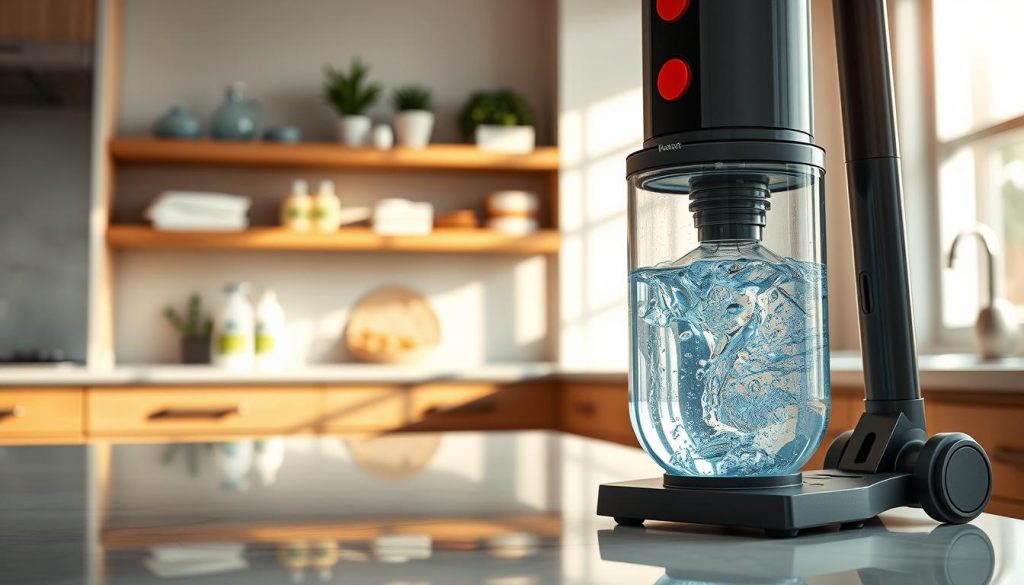
Today’s liquid-capture machines blend robust airflow with a visible record of what was removed from carpets and sofas. We set clear expectations so buyers in Singapore know the trade-offs before purchase.
Typical strengths
Fresher‑feeling air is a common benefit; exhaust often smells cleaner after use.
Stable suction through a session means fewer repeat passes and better removal of dust and dirt.
Potential trade-offs
The added water increases mass. That makes some models heavier and bulkier to store.
Premium materials and stronger motors push purchase price up versus basic machines.
“Emptying and thoroughly drying the reservoir is vital in humid climates to avoid stale odours.”
| Aspect | Typical advantage | Typical drawback |
|---|---|---|
| Exhaust air | Cleaner, less airborne dust | Must maintain seals and post‑stages |
| Suction retention | Stable during use | Heavier motors can cost more |
| Disposal | No bags to buy; visible results | Must rinse and dry reservoir after each use |
In short, the technology offers clear advantages for allergy‑aware households. We recommend checking seal integrity and ease of emptying before buying to ensure long‑term satisfaction.
Conclusion
, We finish with a simple decision guide that focuses on usability, cost and real results.
When a water approach makes sense: households that want fresher air, dislike dusty bins and value a visible record of removed dirt benefit most. Prioritise multi-stage capture with HEPA where needed, a manageable tank size, steady suction and maintenance you will do each week.
Match the choice to your home layout, storage and floor types. Take a total-cost view — consumables, time and convenience matter as much as the sticker price. As a next step, shortlist a few models, compare range, weight and accessories, and pick the one that fits your routine. For a deeper primer on the water method, see our water filtration guide.

