
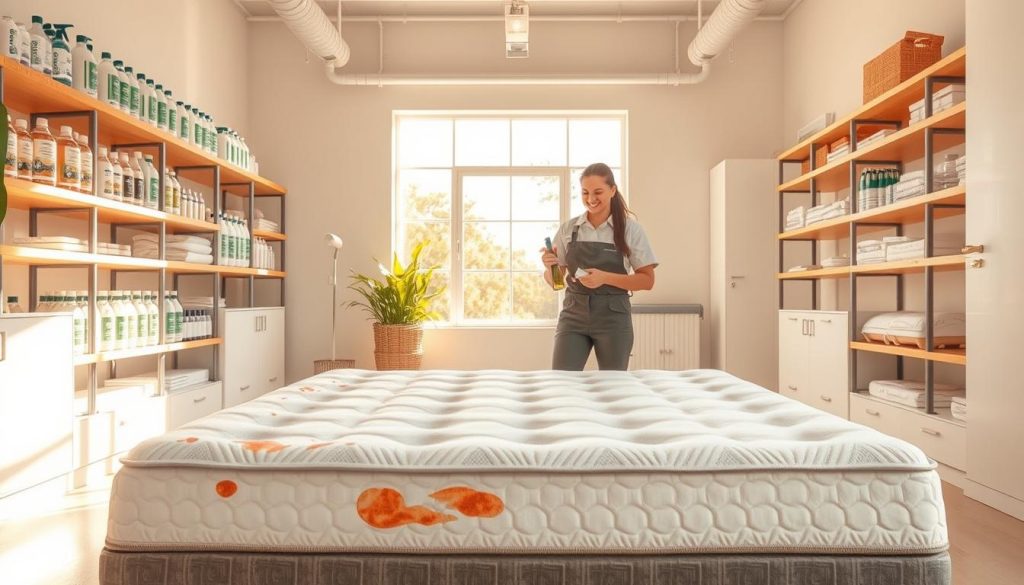
We offer on-site care for beds that need a deeper refresh. Protectors help, but they do not stop dust mites, bed bugs or bacteria from settling into layers. In our climate of heat and humidity, those tiny organisms can thrive and affect sleep quality.
Our service is designed to remove built-up dust and debris, reduce allergens and sanitise the sleeping surface as far as the method allows. We use tested on-site methods so you do not need to replace an expensive item.
We set clear expectations: results depend on type, age of stains and how deep contaminants sit. Still, we aim for visible improvement, less odour and better hygiene for families with children.
On this page we explain climate impact, hidden hazards, how often to book, the main methods (dry, steam, extraction, UV-C) and what to expect on the day. Our team provides controlled, consistent services across the island.
Why professional mattress cleaning matters in Singapore’s hot and humid climate</h2>
In our humid climate, beds act like sponges — they absorb moisture and hold it where airflow is poor. This creates a slow-drying interior that changes how we must care for sleep surfaces.
Mattresses trap moisture and have poor ventilation, creating ideal conditions for microbes
Warmth plus trapped moisture forms an environment where bacteria and mould can persist deep inside layers. Surface-only approaches often leave damp pockets and fail to reach embedded residues.
What builds up inside your bed over time: dust, sweat, oils, stains and food residue
Daily use presses dust, dead skin and body oils deeper into fibres. Spills and food crumbs sink inward and can become sources of odour and allergens when disturbed.
We use methods designed to lift, sanitise and reduce contaminants rather than simply masking smells or spreading moisture. That is why targeted treatment matters in a humid environment.
- Interior moisture dries slowly with poor ventilation.
- Embedded dust and dirt become airborne when you move at night.
- Stains often signal organic matter that encourages microbial growth.
| Approach | Main outcome | Limitations |
|---|---|---|
| Surface vacuum & spray | Removes loose dust and masks odour | Does not reach deep layers; moisture can remain |
| Deep extraction or dry methods | Lifts embedded debris and reduces allergens | Requires correct method for material type |
| UV-C or high-heat options | Sanitises without adding moisture | May not remove heavy stains or trapped dirt |
These climate-driven conditions also accelerate dust mite activity and other hidden hazards that can affect sleep quality and health.
Hidden hazards in your mattress that affect sleep and health</h2>
Hidden hazards inside your bed can quietly affect how you feel each morning. Tiny creatures and microbes thrive where warmth and trapped moisture meet. That makes bedding an ideal habitat in our humid environment.
Dust mites, their waste and rapid reproduction
Dust mites feed on skin flakes and multiply fast. A single female may lay up to 300 eggs in her lifetime. Without intervention, a mattress can harbour up to 10 million dust mites.
Their faeces and fragmented bodies carry potent allergens. When we move or strip sheets, dust and mite particles become airborne and trigger reactions.
Bacteria, mould and viral risks
Warm, moist layers can also shelter bacteria, viruses, mould and fungal spores after spills and heavy sweating. These microbes increase the chance of respiratory irritation and skin problems.
Bed bugs and tell-tale signs
Bed bugs are separate but serious. Early signs include small bite clusters, dark spotting or shed skins. Professional inspection helps confirm an infestation.
Common reactions linked to allergens
Symptoms include a runny nose, itchy or watery eyes, coughing, sinus pain, scratchy throat, eczema flare-ups and restless nights. While many causes exist, reducing allergens in the mattress is a practical step toward better sleep and health.
Next, we explain how targeted services reduce airborne allergens and improve bedroom air quality.
Professional mattress cleaning singapore for allergy relief and fresher indoor air</h2>
A contaminated sleep surface can send tiny allergen particles into the room air every time you move. We explain how targeted care reduces this cycle and improves perceived air quality in the home.
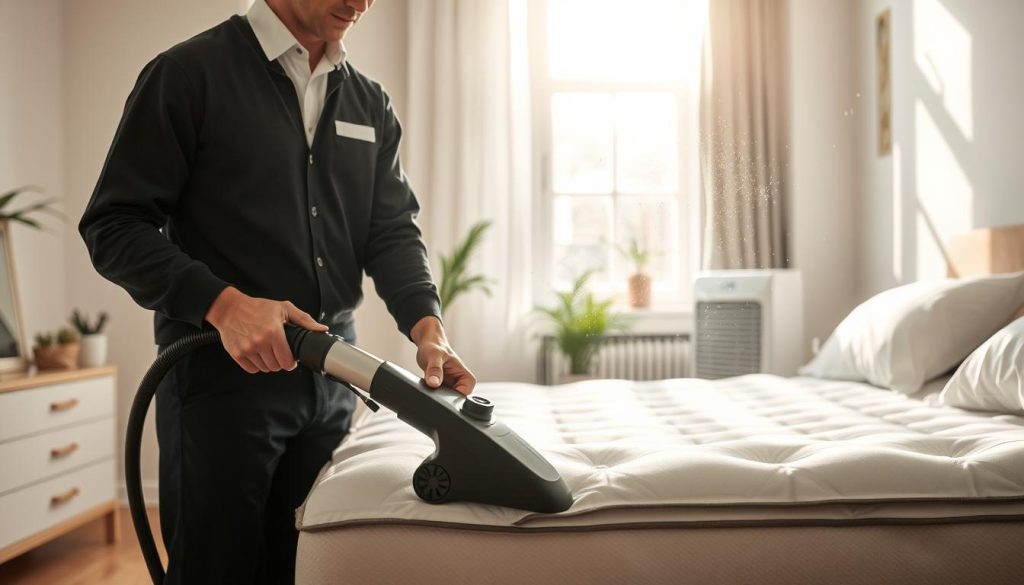
Reducing airborne allergens to improve bedroom air quality
Movement disturbs dust, dust mite debris and microbial residues. Those particles circulate and keep irritants in the bedroom air.
Our approach focuses on reducing these common triggers so fewer particles re-enter the room after treatment.
Creating a healthier sleep environment for children and sensitive skin
Young children and people with sensitive skin or asthma may react more strongly to trapped irritants. A cleaner surface lowers exposure time during nightly contact.
- Measurable outcomes: reduced odour, less visible soiling and fewer trapped irritants.
- We tailor each service to the item type and household needs, prioritising safe, low-moisture options when required.
- Consistency matters: regular visits sustain allergy relief and better air comfort.
| Issue | Expected benefit | Recommended follow-up |
|---|---|---|
| Dust and mite debris | Lower airborne allergen counts | Service every 3–6 months |
| Microbial residues | Fresher smell and reduced irritation | Sanitise with dry or UV methods |
| Visible soiling and odour | Cleaner appearance and air | Deep extraction where suitable |
How often should you book mattress cleaning services?</h2>
We recommend a clear schedule so households can plan. For general upkeep in our humid climate, book a service every 3 to 6 months. This cycle helps limit odour, moisture build-up and allergen accumulation.
General maintenance schedule
Every 3–6 months is sensible for most homes. This timing balances effectiveness with cost and avoids long-term residue buildup.
Stains and spills
Visible stains or recent spills should prompt a quarterly deep cleaning. Organic residue plus trapped moisture accelerates odour and microbial growth, so act sooner rather than later.
Allergies, asthma and dust mites
Households with asthma, sinus issues or dust mite allergies should consider monthly to once every two months. Frequent service reduces exposure and supports better health.
Frequency depends on needs—pets on the bed, heavy perspiration, children’s accidents or poor ventilation all justify more frequent visits.
| Situation | Recommended interval | Expected outcome |
|---|---|---|
| Routine use, good ventilation | 3–6 months | Reduced odour and lower allergen levels |
| Visible stains or spills | Every 3 months | Improved stain reduction and odour removal |
| Allergy or asthma sufferers | 1–2 months | Significant reduction in dust mites and irritants |
What we mean by deep cleaning: a targeted process that focuses on soil removal, odour reduction and stain minimisation rather than a quick surface refresh. We aim to lighten or remove many common stains, but older, set-in marks may not fully disappear.
To book a visit or learn more about tailored intervals, see our mattress cleaning services.
Our mattress cleaning methods and which one suits your mattress</h2>
We select the most suitable method after a short inspection of fabric, soiling and allergy needs. This ensures the chosen solution targets the problem—be it odour, stains or embedded dirt—while minimising downtime.
Dry option for low-moisture sanitation
Dry methods are chemical-free and use minimal moisture. They sanitise surfaces quickly and are ideal when rapid reuse is needed.
Steam for high-heat disinfection
Steam and steam cleaning use heat to kill bacteria and allergens. They are 99% effective for sanitisation but can be less effective at removing heavy surface dirt in a single pass.
Deep cleaning and extraction
Deep cleaning with extraction removes most dirt and moisture. It helps lighten stains and reduce odour while delivering thorough soil removal.
UV-C and BioShield options
UV-C is a 100% dry, chemical-free disinfection suitable for all types. As an add-on, BioShield-style antimicrobial treatment gives added protection after a full service. Note: these are supplements, not substitutes for proper cleaning.
Suitability by type
We treat memory foam and latex cautiously to limit moisture. Innerspring and synthetic covers can tolerate more methods, but we always follow manufacturer guidance.
Matching method to the issue delivers the best results—allergens, stains or odour each need a tailored approach rather than one-size-fits-all treatment.
What to expect on the day: our professional cleaning process</h2>
On the day, we follow a set procedure so every stage of the job is transparent and accountable.

Pre-inspection and consultation
We begin with a short inspection and ask about your needs: allergies, odour, stains or recent spills.
This lets our team choose the safest method—dry, steam, extraction or UV—based on fabric and condition.
We can also check for tell-tale signs of bed-bug activity and advise next steps if anything looks suspicious.
High-powered vacuuming
We vacuum seams and surfaces to remove loose dust, skin particles and debris.
Removing these particles first improves the effectiveness of the next stages.
Targeted stain treatment
Where possible, we treat sweat marks, drink spills and bodily fluids with suitable stain solutions.
We explain realistic results: older or set-in stains may not disappear fully, but early treatment helps.
Sanitising and final steps
We apply a sanitising stage to tackle bacteria, fungi and allergens, matched to the chosen method.
Finally, we offer clear post-clean recommendations — ventilation, protector use and routine tips — to extend results.
For a quick guide to pricing and intervals, see our service cost guide.
Drying time, downtime and how long mattress cleaning takes</h2>
Knowing expected time helps you plan the day. Most appointments take around 1 to 2 hours, depending on mattress size, condition and chosen method.
Typical service duration
Routine jobs usually finish within one to two hours. That covers inspection, suction, targeted stain work and a sanitising step.
Downtime by method
UV-C is 100% dry and needs no drying time, so you can make the bed almost immediately. By contrast, steam and extraction often require extra airing; expect additional hours before the surface feels fully dry.
Speeding up drying at home
Room humidity, ventilation and the bed base affect drying time. Open windows where possible, run a fan across the surface and use air-conditioning or a dehumidifier to move air and reduce moisture.
Safety tip: wait until the surface is fully dry before remaking the bed to avoid trapped dampness and odours. If you need rapid reuse, we can recommend a dry method to suit your schedule and ensure the service meets your needs.
Why customers choose our professional mattress cleaning service</h2>
Our promise is simple: safe formulas, consistent protocols and support that answers quickly.
Eco-friendly, non-toxic solutions that are safer for homes with babies and pets
We favour low-toxicity and chemical-free options where they suit the fabric and the issue. These eco-friendly solutions reduce exposure risks for infants and pets while still tackling odour and allergens.
Thorough, consistent results backed by trained specialists and checklists
Our team follows a strict checklist for every visit. This checklist reflects industry training standards and a 50-point style approach so each job is repeatable and accountable.
Training matters: technicians complete extensive hours of hands-on instruction before they work on homes.
Convenient on-site cleaning across Singapore with responsive support
We come to your home and work on-site, avoiding the hassle of moving bulky items. That saves time and keeps disruption low for family routines.
Responsive booking and support means quick answers and flexible scheduling across the island. For more on why choosing expert care matters, see why you need a professional mattress.
| Benefit | What it means | Customer outcome |
|---|---|---|
| Eco-safe products | Low-toxicity, chemical-free options | Safer air for babies and pets |
| Checklist-led work | Structured inspections and steps | Consistent, visible results |
| On-site service | We clean at your home across the island | Less hassle and faster turnaround |
Conclusion</h2>
A planned maintenance routine protects indoor air and helps prevent allergen build-up over time. In our humid environment, regular mattress cleaning supports fresher air, easier breathing and better sleep.
Book a service when you notice visible stains, persistent odour, frequent sneezing or skin irritation. A scheduled visit every 3–6 months is a practical start, with shorter intervals for allergy or heavy-use homes.
On-site treatment removes embedded dust and residue more effectively than surface-only approaches. We match the method — dry, steam, extraction, UV-C or deep cleaning — to mattress type, downtime needs and sensitivity concerns.
Contact us with your mattress size and any concerns. We will recommend the best option for your home, explain expected drying time and answer any questions so you feel confident before booking.
While total stain removal cannot be guaranteed, our goal is consistent hygiene improvement and a noticeably cleaner mattress for healthier nights.

