

We set practical expectations. In a Singapore home, “mattress virus removal” means sensible surface hygiene and risk reduction rather than medical sterilisation. We focus on what household cleaning can achieve and how to keep risks low.
Our bed is where we spend much of our night, yet it often receives less attention than floors or bathrooms. Daily use leads to dust, sweat and skin debris building up over time, which can affect comfort and sleep.
Regular care extends lifespan and supports comfort. We recommend a clear workflow: preparation, dry dust removal, targeted stain work, deodorising, sanitising and thorough drying. The biggest rule is to avoid over-wetting so the bed dries fast in a humid climate.
This guide is for people with allergies, pet owners and anyone who notices odour or irritation. Over the years, simple routine steps can make a tangible difference to hygiene and the way we rest.
Why sanitising your mattress matters for a healthy bedroom in Singapore
A bedroom can quietly gather pollutants that affect how we feel and how well we sleep. Dust, dead skin and sweat settle into the mattress surface over time. In tropical Singapore, humidity makes this worse and helps tiny pests and microbes prosper.
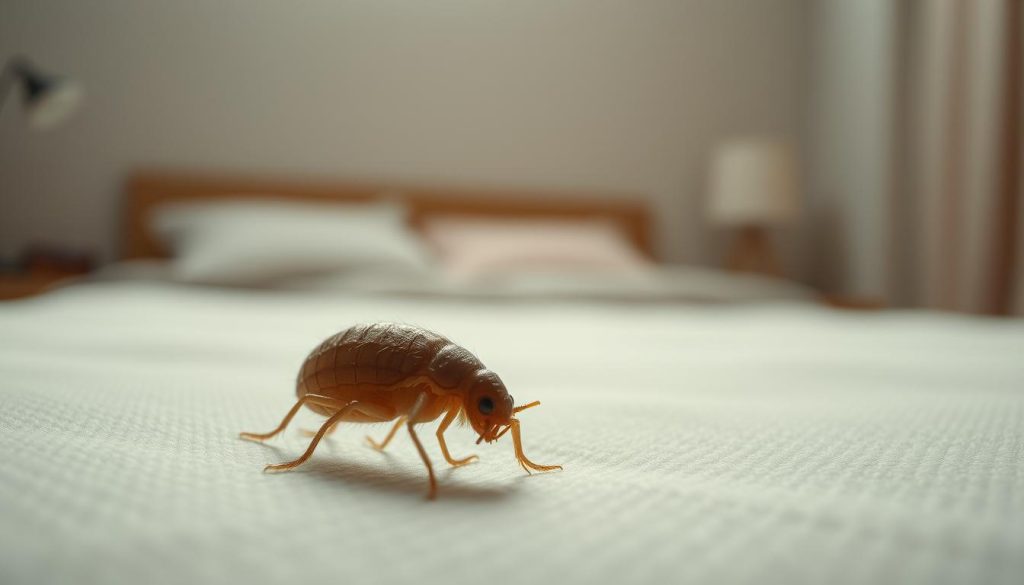
How dust mites, allergens, bacteria and mould build up
Dust mites feed on dead skin and thrive where body oils, sweat and dust accumulate. Their faeces, plus mould that grows in damp spots, create a mix of allergens that lodges in the surface and fabrics.
Bedroom symptoms to watch for
Sensitive sleepers may notice runny nose, itchy or watery eyes and restless night sleep. Symptoms often ease when people sleep away from the bed, showing the link between exposure and reaction.
What cleaning can — and cannot — do for “virus” concerns
Routine surface cleaning reduces dust, mites allergens and general contamination, and helps lower bacteria and mould risk. However, deep decontamination of the core is not guaranteed, so our aim is reduction rather than elimination.
- Combine sheet changes, surface cleaning and humidity control (aim under 50%) to reduce mite-friendly conditions.
- See professional options for heavier contamination and check costs via cleaning costs in Singapore.
- For extra assurance, read about professional cleaning benefits.
Preparation we recommend before mattress virus removal
A short, careful prep makes the whole cleaning session faster and safer for everyone at home. We strip the bed and gather supplies so each step runs smoothly.
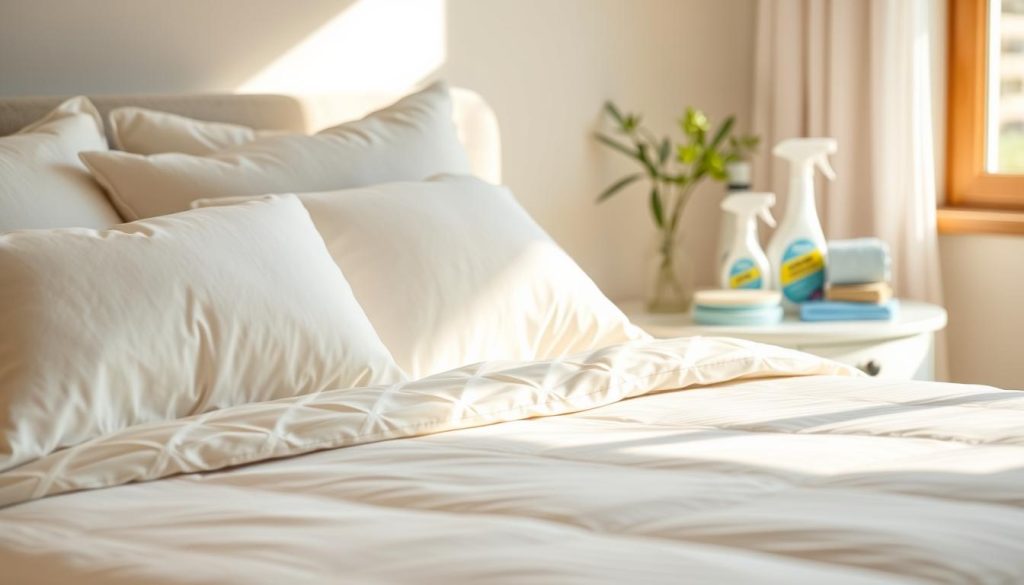
- Vacuum with upholstery attachment for seams and edges.
- A gentle cleaner (enzyme or mild dish soap) and cold water for blotting.
- Baking soda and clean white cloths to absorb odour and lift dirt.
How we handle sheets and other linen
We strip bedding—sheets, pillowcases, covers and toppers—and wash by care label. Where fabric allows, hot water reduces dust mites. On a dry day, drying under direct sunlight adds natural sanitising.
We wash sheets weekly when possible and prioritise pillowcases since they sit close to the breathing zone.
| Item | Primary use | Quick tip |
|---|---|---|
| Vacuum (upholstery) | Remove dust from seams and crevices | Work slowly along edges for best suction |
| Enzyme cleaner / dish soap | Spot-clean stains without soaking | Test on a hidden patch first |
| Baking soda & cloths | Deodorise and blot moisture | Leave baking soda to dwell, then vacuum |
Final checks
Remove items under the bed that trap dust. Confirm label guidance on the mattress and plan enough drying time with a fan or air‑con. For extra reading, see our detailed guide.
Step-by-step mattress virus removal: clean, deodorise and sanitise the surface mattress
Starting with dry cleaning saves time and prevents wet grime from sinking into fibres. We begin by vacuuming the whole surface to reduce loose dust, pet hair and debris before any wet step.
Vacuuming seams, edges and crevices
We use an upholstery tool on low suction and work slowly across the mattress surface. Pay special attention to seams, edges and crevices where dust, mites and allergens collect.
Spot-cleaning stains without soaking
For sweat or drink marks we blot with a cleaner on a cloth rather than pouring water. Test the solution on an inconspicuous area first and avoid using excess water to stop moisture from reaching inner layers.
Deodorising for a good night sleep
Sprinkle baking soda evenly and leave it for at least 15 minutes, or longer if possible. Vacuum again thoroughly to get rid of powder and trapped odour.
Disinfecting and moisture control
Lightly applied antibacterial sprays can reduce bacteria on the surface when wiped and dried fully. If we use steam cleaning, we work in passes and avoid constant bursts so the surface does not stay damp.
Air-drying the right way
Finish by airing the bed: open windows, run a fan or air‑con and wait until the surface feels completely dry before remaking. This step helps reduce mould risk in humid Singapore bedrooms.
Keeping dust mites and allergens under control between deep cleans
Small, regular habits make the biggest difference in keeping allergens low between deep cleaning sessions.
We change sheets at least weekly to reduce dust, dead skin and body oil that feed dust mites. If pets share the bed we increase frequency.
Simple weekly care
Quick vacuum passes stop dirt from settling into seams. Address fresh spills straight away and use a light baking soda touch-up when needed to neutralise odour.
Direct sunlight: help — but with caution
On a dry day, direct sunlight can lower bacteria, mould and mites on the surface. It does not remove allergens, and long exposure may shorten lifespan. Avoid prolonged sunning for latex and sensitive materials.
Humidity and airflow
Dust mites thrive in high moisture. We aim for under 50% relative humidity in the bedroom. Run air‑con or a dehumidifier, keep vents clear and avoid storing damp items under the bed.
When to replace rather than repair
If symptoms come on every night, or the unit smells musty, stained or shows persistent mould, replacement is often the most effective way to get rid of the problem and restore comfortable sleep.
Conclusion
In short, a combined approach — spot care, light sanitising and strong drying — gives the best results over time.
We recommend this simple flow: prepare, remove surface debris first, treat stains with minimal dampness, deodorise, sanitise and dry fully. Controlling moisture and allowing full drying protects hygiene and the product’s lifespan in humid Singapore.
Be realistic: mattress cleaning and light steam cleaning can refresh near‑surface fibres and lower dirt, but they do not guarantee deep sterilisation through the core. Choose antibacterial sprays for light touch or cautious steam cleaning for a near‑surface refresh while avoiding over‑wetting.
Keep routine bedding care and airing. For laundering guidance that supports surface sanitising, see this laundry and bedding resource. Small habits help you enjoy a good night and keep the sleep surface performing well for years.

