
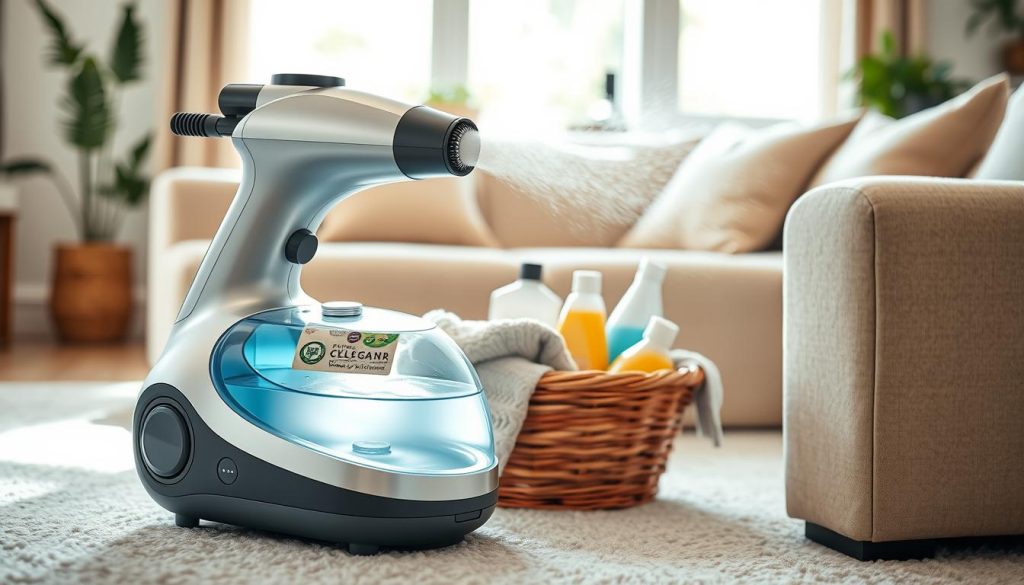
We set realistic expectations. In tight HDB flats, condos and landed houses, a compact device can tidy spills and pet messes quickly, but it will not replace full deep cleans. Our aim is to help us buy the right product without overpaying for unused features.
We explain how the guide is organised so we can jump to sections that match our routine: quick spill clean-ups, pet accidents, or upholstery and mattress care. The layout prioritises practical steps for Singapore living, including space limits and shared-wall noise concerns.
We define key terms you will see on a product page—wet pick-up, wet-dry, HEPA, runtime—and outline core decision factors: suction, tank size, filters, weight, noise and charging minutes. This helps us compare specs and avoid marketing claims that overstate real performance.
Why Singapore homes are choosing handheld wet dry vacuum cleaners now
Everyday life in our flats makes prompt spill control a practical necessity. In smaller homes a dropped cup or tracked-in grit spreads quickly under sofas and beds. We prefer a compact tool that is easy to reach and quick to use.
Everyday spill control in compact flats and busy households
Quick access beats bulk for routine cleaning. A light unit lets us mop up coffee drips or kitchen splashes before they stain. For many of us, speed and storage matter more than peak power.
Humidity, mould risk, and why wet pick-up matters
Singapore’s humidity raises the chance of damp odours and mould. Removing moisture promptly—not just wiping—helps reduce growth on soft flooring or upholstery. A wet dry option gives real advantage after bathroom spills or sudden downpours.
Quick clean-ups for pet hair, dirt, and debris across rooms and cars
Pet owners know how hair and grit travel from corridor to living room and car boot. We use a portable unit for touch-ups on sofas, mats and in the car. Choosing the right attachments matters for hair, dust and debris.
For model ideas and local availability, see the best wet and dry models curated for Singapore homes.
Handheld water vacuum cleaner features that actually matter
Let’s look at the practical specs that determine real pick‑up and ease of use.
Suction power and performance metrics to look for
Ignore marketing watts; check suction and kPa. Look for documented suction figures or kPa where provided. Motor design and airflow decide how well the unit lifts grit from tiles, rugs and narrow gaps.
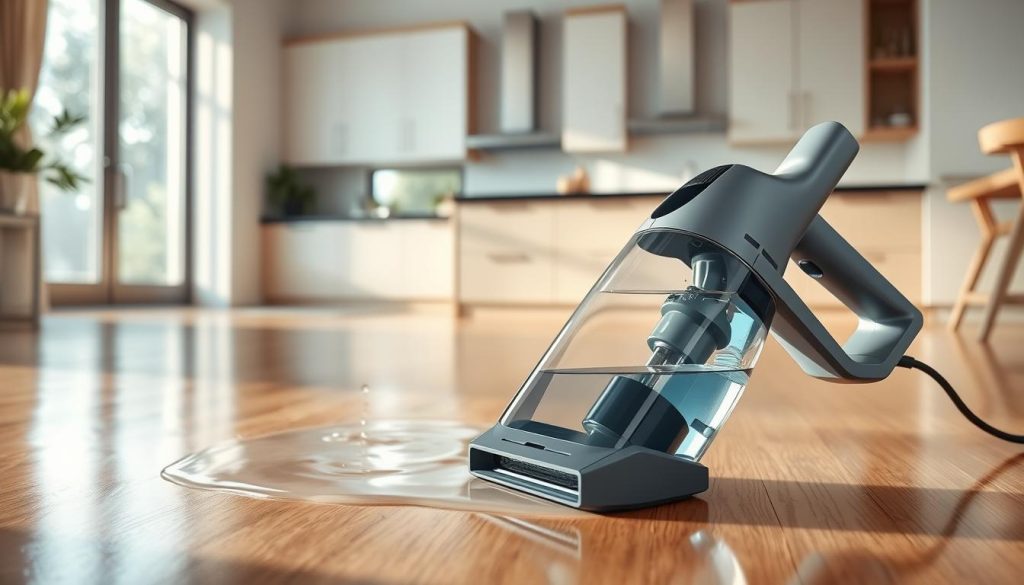
Wet dry capability and tank handling
Wet pick‑up usually covers small spills and damp debris. Expect limits with viscous liquids and large volumes.
Tank capacity trades off with weight. Choose a size that suits quick cleaning rather than long jobs.
Filter and HEPA options
Sealed filter layouts and washable elements keep airflow steady. A HEPA filter helps capture fine dust but needs regular checks to avoid reduced suction.
Cordless design, ergonomics, runtime and noise
One‑handed use depends on handle balance and overall design. Check runtime in mins and how speed/control modes cut battery life.
For HDB living, note noise level at peak power and prefer lower dB in sensitive times.
| Feature | Suction (kPa) | Capacity (ml) | Runtime (mins) | Noise (dB) |
|---|---|---|---|---|
| Compact pick‑up | 5–10 | 200–400 | 12–20 | 60–72 |
| High‑performance | 12–18 | 300–600 | 15–30 | 68–78 |
| Balanced cordless | 8–14 | 250–500 | 20–35 | 62–74 |
Choosing the right type for your cleaning routine
Picking the right tool starts with matching its strengths to our everyday chores. We map common Singapore routines — quick crumbs after meals, weekly whole‑home dusting, or occasional spills — to the device type that makes each task easy.
Handheld device vs dedicated wet dry unit vs full‑size machine
Compact units excel at fast touch‑ups and tight spaces. For daily crumbs and car seats, a handheld vacuum cleaner gets the job done without fuss.
Dedicated wet dry machines suit homes with frequent spills or larger damp messes. They handle bigger liquid pick‑ups and damp patches more reliably than a compact unit.
Full‑size models work best for whole‑home cleaning and carpeted flats. They offer stronger suction and larger tanks, but need storage space and more maintenance.
When a dust mite vacuum with UV makes more sense
For mattresses and upholstery, a dust mite vacuum or mite vacuum with UV attachment can remove embedded particles and reduce allergens. These units target dust mite habitats and are more effective than multi‑purpose compact models.
Dry vacuum needs for dust‑heavy areas
A dedicated dry vacuum cleaner often manages fine dust better. Look for strong filtration and sealed systems (HEPA) to avoid redistributing particles during cleaning.
Two‑device strategy: keep a compact handheld for quick messes and a mite vacuum for beds and soft furnishings. This prevents overloading one tool and keeps both devices in regular use.
Balance purchase choice with storage, cleaning frequency and maintenance tolerance so our tool becomes part of the routine, not a boxed impulse buy. For upholstery and mattress guidance, see how to clean with LURA.
Models and product categories to consider in Singapore
Choosing the right model means reading specs, not just trusting a punchy title. When we browse, product names can promise a lot. Always open the product page and check real suction figures, filtration details and tank size before we add to basket.
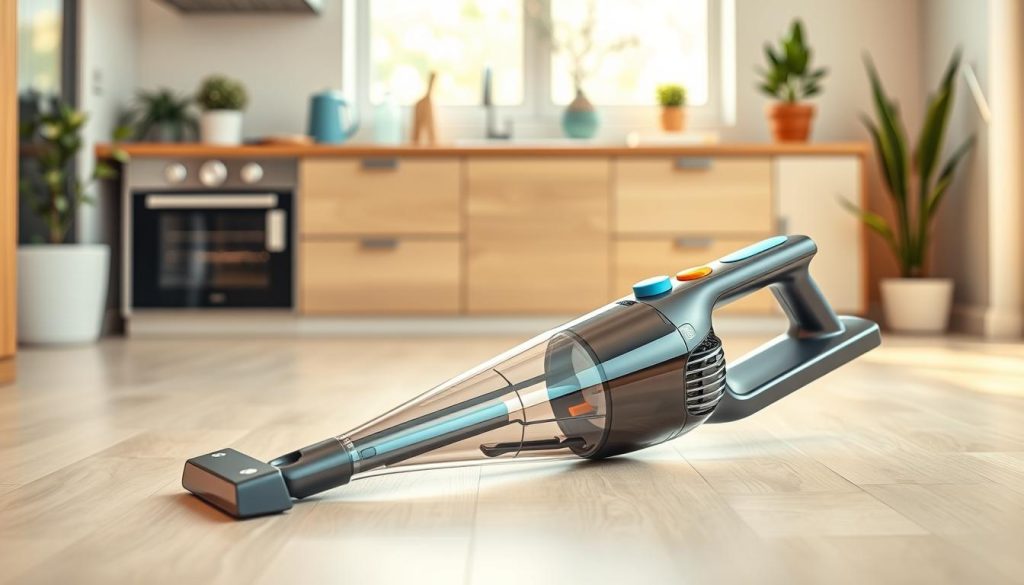
Dust‑mite and UV‑equipped models for beds and upholstery
Look for contact heads and agitation. Listings such as “Cordless Dust Mite Vacuum Cleaner UV Anti-Dust mite Mattress Bed Sofa Handheld House (PPV1023)” highlight UV, but we must confirm brush speed, suction and whether the UV is certified.
Check for sealed filtration and hepa claims to aid odour control and fine particle capture in small bedrooms.
Versatile multi‑surface ranges for mixed messes
Ranges like the Roborock Flexi Collection aim to handle spills, pet hair and tracked‑in dirt across tiles, rugs and car seats.
- Verify attachments for pet hair and car crevices.
- Compare 3–5 products on key specs: runtime, noise, emptying method.
- Match design to storage limits and charging routines.
Shortlisting tip: confirm real specs on the page, then test against our storage, charging and noise constraints to move from browsing to a confident purchase.
Shopping, orders, and delivery in Singapore: what we check before we buy
Before we click purchase, a quick check of delivery notes and seller terms saves time and hassle.
Delivery dates such as “Delivered by Fri, 16 Jan” are estimates. They usually reflect available stock and local dispatch times. Expect dates to change if the seller ships from another island or needs extra handling time.
Delivery windows and delayed fulfilment
“We will need more time to get this item from the seller and deliver to you” often means multi‑step fulfilment (platform → seller → courier). This can add days and complicate urgent replacement orders.
Marketplace realities: vouchers, invoices and after‑sales
Check voucher rules — for example, some e‑vouchers are not valid for marketplace purchases — before you complete payment. Also confirm who issues invoices; many platforms leave this to sellers, which affects reimbursements.
Warranty, service and product page checks
Pre‑purchase checklist:
- Confirm warranty length and local service centre addresses in Singapore.
- Read returns policy and what counts as normal wear versus defect.
- Note battery charging time and expected mins per clean, plus availability of filters and spare parts.
Practical tip: Save screenshots of the product page, delivery message and seller contact details. They help if you need to escalate a claim.
Conclusion
We sum up with a quick practical route: check suction and power first, then confirm filter and HEPA needs for indoor dust control.
Prioritise wet pick‑up when kitchens, bathrooms or high humidity create fast moisture risks. For routine spills, a compact unit saves time. For larger damp messes, pick a model built for wet handling.
Quick decision flow: identify main surfaces, estimate typical mess volume, set a noise and weight threshold, then compare three shortlisted models side‑by‑side.
Validate claimed runtime in mins against how we clean — short bursts versus whole‑room sessions — to avoid runs that stop mid‑task.
Final checklist: confirm warranty and local service, check delivery terms, and ensure filter washing or replacement is straightforward. Good value means reliable suction, easy emptying, sensible filtration and a handheld format that makes frequent cleaning realistic.

