

We know upholstery in busy Singapore homes attracts crumbs, spills and odours fast. Regular upkeep keeps our sofas comfortable and extends furniture life.
In this guide we set clear expectations for what a vacuum cleaner for sofa with water means in practice and when a spray‑and‑extract method is appropriate.
We explain the difference between routine vacuuming of surface debris and a water‑based deep clean that lifts dirt from fibres. Our process helps remove grit, reduce odours and improve day‑to‑day hygiene in living areas.
Before we begin, we preview the safety checks and tools we use — attachments, nozzles and filtration matter for seams and under cushions. We also signpost our stain strategy: act fast, blot and test solutions first.
For a practical how‑to, we link to a trusted carpet‑cleaner guide and share step‑by‑step notes so you can follow along confidently at home.
Why we clean sofas regularly in Singapore homes
High-use seating in compact homes gathers crumbs, drinks and grit fast. In flats where space is shared and meals often happen in the living room, loose debris embeds into fibres. That surface dirt abrades material and makes stains more likely over time.
How crumbs, drinks, pet hair and surface dirt build up
Frequent use, snacks and guests mean crumbs settle into seams within days. Fine grit and spilled drinks sink into fabric and invite stubborn stains if not lifted quickly.
Homes with pets show pet hair and trapped odours that cling to upholstery. Regular attention keeps hair and dirt from becoming a permanent issue.
What regular upholstery cleaning prevents
Consistent care loosens embedded dirt and reduces allergens. We remove stains early, limit mites and keep soft furnishings hygienic. This lowers the need for harsh products later.
How routine care helps furniture, mattresses and car seats last longer
We apply the same habits to mattresses car seats because they face similar build-up. Light vacuum maintenance and periodic deep cleaning save time and preserve appearance.
- Quick maintenance: frequent light vacuuming for day-to-day care.
- Deep clean: scheduled based on use, pets and spill frequency.
Before we start, we always check the fabric, label and water resistance
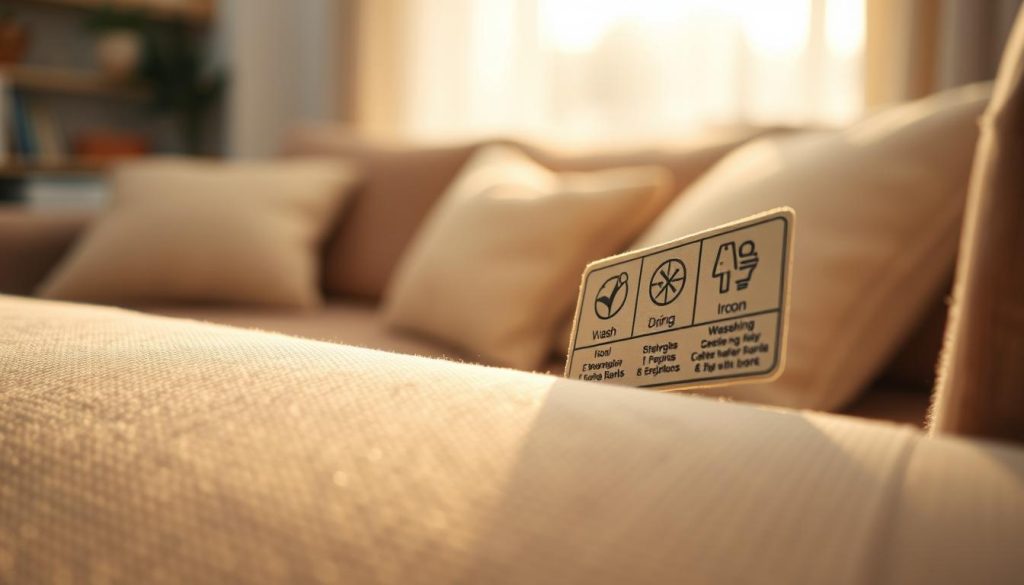
We always check the care label before any wet process. This tells us the approved approaches and saves material from accidental damage.
How to read upholstery cleaning codes and choose a safe method
We locate the tag and note the code: W, S, W/S or X. Each code guides which method and cleaners to use.
Why we test any cleaner on an inconspicuous spot first
We always test a cleaner under a cushion or along a seam. We watch for colour transfer to a white cloth, fibre change, watermarking or slow drying.
When water-based cleaning is a bad idea and what to do instead
If the code is S or the material is heat- or dye-sensitive, we avoid water-based treatments. Instead we use suitable solvent products, gentle brushing, or call a professional.
- Drying: in humid Singapore we reduce wetting and boost ventilation.
- Setup: we make sure the site function correctly — stable equipment, correct settings and no shortcuts on testing.
Choosing the right vacuum cleaner and attachments for upholstery cleaning
Selecting stable suction and the correct airflow settings is the first step to safe, effective cleaning. We look for a machine that lets us reduce power on delicate fabric and raise it for ground-in dirt. That control protects fibres while still lifting debris.
Why an upholstery nozzle and crevice tools matter
An upholstery nozzle covers panels evenly and keeps contact without flattening fibres. A well shaped nozzle moves across seams and piping so we do not miss crumbs or grit.
Crevice tools reach under cushions, along joins and in tight corners. They stop dirt from abrading fabric and causing premature wear.
When to use an air-powered turbo nozzle
We choose an air-powered turbo nozzle in homes with heavy pet hair, stubborn dirt and concerns about mites. The rotating action lifts embedded hair and loosens trapped particles.
Tip: Use the turbo tool gently on older or loose weaves to avoid over‑agitation.
How water-filter machines help and how we care for them
Water-filter models bind particles into the tank and reduce unpleasant odours during vacuuming. They can capture up to 99.5% of airborne particles, improving perceived air freshness in lived‑in flats.
After use we rinse water‑filter parts under running water and reassemble carefully so parts site function correctly next time. Regular rinsing keeps performance steady and extends the life of our machines.
- What we look for: stable suction, controllable airflow, and attachments that reach seams.
- Care tip: rinse removable filter parts promptly and check seals before storing.
How to use a vacuum cleaner for sofa with water for a deeper clean
Our deep-clean routine begins with clearing crumbs and coarse dirt to prevent smearing during wet work. Preparation keeps the fabric from turning gritty when we introduce liquid.
Preparing the surface and tank
We remove loose debris, vacuum seams and lift cushions. This step stops coarse grit from embedding during the wet pass.
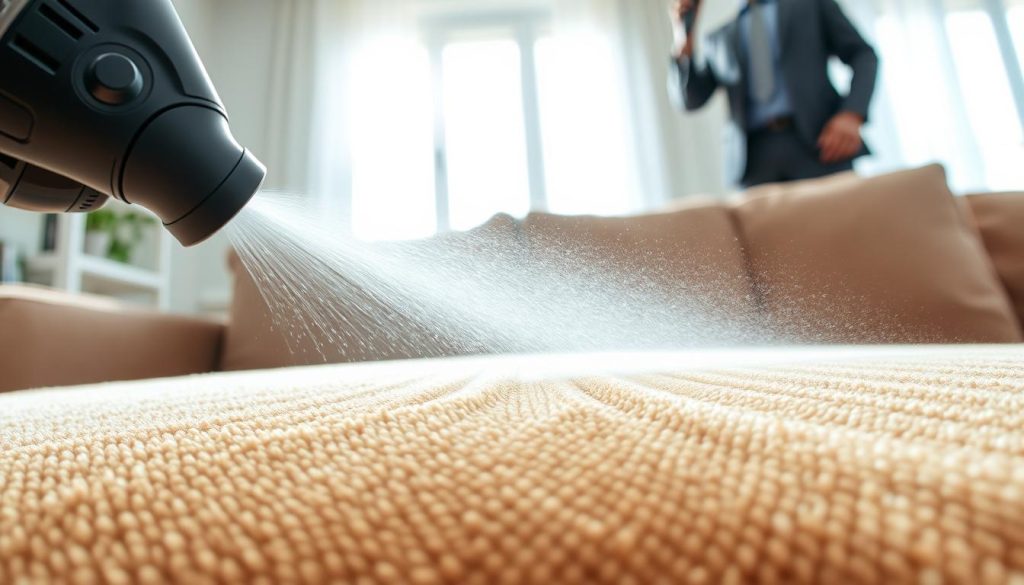
Next we fill the tank and add detergent at the manufacturer’s dosage. We check seals and the nozzle so suction stays steady.
Spraying, dwell time and extraction technique
We spray evenly in steady passes, keeping roughly 10 cm distance to avoid over‑wetting one spot.
After spraying we wait a few minutes so the solution loosens dirt in the fibres. Then we place the nozzle and extract slowly, overlapping passes to pull out grime and moisture.
Repeat, rinse and finish
We wet connected panels fully to avoid patchy drying and water marks. Repeat spray extraction until recovered water runs clear and stops foaming.
“If detergent stays in the fabric, repeat clear‑water passes to remove residue and prevent re‑soiling.”
- Tip: Rinse 1–2 times with clear water where residue remains.
- Note: An extraction cleaner will remove detergent left after manual stain work.
Spot cleaning stains without damaging the upholstery
Fast, gentle action is our best defence against fresh spots on upholstery. We act calmly and follow clear steps to limit damage and odour.
Immediate response: blot a spill quickly using a clean, dry cloth. Lift from the edge toward the centre. Never rub; rubbing pushes liquid deeper and frays fibres.
Check solubility: test a small area using a white cloth and lukewarm water. About 90% of marks respond to this simple test. Use small, rotating motions from top to bottom to lift the stain without roughing the fabric.
- If a mark is non‑soluble: spray a universal stain product onto a colour‑fast cloth and dab gently. Then rinse and extract using a spray extraction method to remove residue.
- Bicarbonate of soda: sprinkle on a set‑in mark, leave overnight and vacuum off the next day to deodorise and refresh.
- Targeted tips: red wine — mineral water then blot; dried wine — lemon or vinegar then dab; blood — cold water only; grease — warm water and washing‑up liquid from the edge inwards.
Controlled moisture and thorough extraction prevent rings and lingering odours in humid Singapore flats.
For more step‑by‑step removal advice, see our guide to remove stains from fabric.
Drying, finishing and protecting the fabric after water-based cleaning
The finish stage—drying and protection—decides how long furniture stays fresh in daily life. After a spray extraction pass we prioritise air movement and patience. Humid Singapore conditions slow evaporation, so good airflow is key.
Ventilate well and allow ample drying time
Open windows and run fans or air‑conditioning dehumidify modes where possible.
Hands-off time matters: avoid sitting until the fabric is fully dry to prevent re-soiling and compression marks.
Vacuuming again once dry
We perform a gentle vacuuming pass the next day to lift fibres and remove loosened dirt brought to the surface.
This restores an even finish across panels and helps spot any remaining patchiness.
Apply a textile impregnator to protect the surface
Once the material is dry, we treat it with a suitable impregnator to reduce future staining and make routine cleaning simpler.
- If you spot watermarking: re-wet evenly and extract rather than spot-wetting to avoid rings.
- Final tip: regular finishing steps turn a cleaned piece into long‑lasting furniture that copes with pets, kids and guests.
Proper drying and protection are the difference between a short-term clean and a sofa that stays fresh in a busy home.
Conclusion
Our closing note pulls together the safe, repeatable routine that keeps upholstery fresh in Singapore homes.
Check the fabric code and test first. Remove coarse grit before any wet pass. When safe, use controlled spray extraction: even spraying and slow extraction give a deep lift and usually dry faster than hand scrubbing.
Act fast on spills: blot, never rub. Test solubility and use extraction to remove residue so stains do not return.
Finish by running a gentle vacuum cleaner pass once dry and consider an impregnator to protect the surface. Regular upkeep reduces stains, keeps pet hair manageable and preserves furniture for daily living.

