

We offer a fast, practical 6-step approach that refreshes your seating with low moisture and no harsh methods.
First, we set clear expectations: this is a gentle process that lifts everyday dirt and body oils without damaging the finish.
Our guide suits homes in Singapore. We show how to check the material, gather tools, pre-clean, follow the main wipe and dry routine, then spot-treat and condition if needed.
We take a section-by-section approach so we avoid over-wetting and reduce risk. Leather is tough but not waterproof, so control and patience matter.
By the end of this intro you will know what to do: how to clean surfaces safely, how to dry and condition them correctly, and when it makes sense to call in professional help.
Why regular leather sofa cleaning matters in Singapore homes
Regular upkeep keeps your seating welcoming, safe and long‑lasting in humid climates like Singapore.
Preserving beauty and comfort: We protect the finish and support the natural oils that keep material soft. Small, routine care slows premature wear and helps retain brightness and tactile comfort.
Hygiene benefits for family life
We prioritise hygiene where children, elderly relatives or allergy‑sensitive people use the seating most. Regular cleaning removes dirt and dust from seams and grain, reducing allergens and odour build‑up.
Humidity, mould risk and lingering odours
Singapore’s damp air increases the chance of mould and trapped moisture under cushions. We aim to keep indoor humidity near 40–60% to prevent mould and to avoid drying out natural oils.
- Routine care reduces the need for deep work later.
- Small habits save time and limit abrasive grit.
- Prevention focuses on gentle processes and environment control.
| Issue | Why it matters | Our simple fix |
|---|---|---|
| Dirt and dust | Abrasive build‑up dulls the finish | Weekly dusting and vacuuming of seams |
| Humidity | Raises mould and odour risk | Ventilate and use a dehumidifier as needed |
| Loss of oils | Leads to stiffness and cracking | Condition regularly with approved products |
Identify your type leather before you clean
We first check the hide type; the finish decides how much moisture and which cleaners to use. This step guides our choice of tools and motion so we avoid lasting harm.
Aniline and semi-aniline: softer feel, higher stain risk
Aniline has no surface coating and feels very natural. It soaks up liquids and marks quickly, so we limit moisture and use targeted blotting.
Semi-aniline keeps the soft hand but adds a light protective coat that helps resist stains and everyday wear.
Pigmented, protected and corrected finishes
These finishes are the most forgiving for busy homes. A durable coating improves stain resistance and makes routine care faster and safer.
Full-grain, top-grain and genuine: practical differences
Full-grain develops patina and needs gentle care. Top-grain is uniform and easier to maintain. Genuine hide is less durable and often fits non-contact areas on the sofa.
Nubuck, pull-up, bonded and faux: special notes
Nubuck needs specialist brushes and products. Pull-up shows marks that can blend with gentle rubbing. Bonded can peel or crack, while faux is simple to wipe but still requires non-abrasive handling.
Warning: using the wrong method may cause permanent damage, so we always check the manufacturer label before applying any product to the hide.
What we prepare before cleaning leather sofa
Preparation keeps the process safe: we assemble the right tools and test products first.
Our recommended kit includes microfibre cloths, a soft‑bristled brush, a vacuum with a soft brush attachment, a mild pH‑balanced cleaner or soap, distilled water in a spray bottle, a dry towel and a leather conditioner.
Tools
We use the vacuum with soft brush attachment for seams and crevices to remove grit without scratching. A soft brush helps gentle agitation on textured areas. Multiple microfibre cloths act as our default soft cloths for wiping and drying.
Products
We choose a pH‑balanced cleaner or mild soap and distilled water to avoid mineral marks. Never pour product directly onto the surface; apply to the cloth first. After cleaning, we finish with a leather conditioner to restore natural oils.
The patch test
We always test on an inconspicuous spot — behind the furniture or under a cushion. Wait a few minutes and check for colour transfer, dulling, darkening, tackiness or residue.
| Item | Purpose | How we use it |
|---|---|---|
| Vacuum with soft brush attachment | Remove dust and crumbs | Low suction, run over seams and crevices |
| Soft brush | Gentle agitation of grain | Light, circular strokes where needed |
| Microfibre cloths & dry towel | Wipe, dampen, and dry | Apply cleaner to cloth; finish by blotting dry |
| pH‑balanced cleaner & distilled water | Safe cleaning solution | Mix sparingly; use a damp, not wet, cloth |
| Leather conditioner | Restore oils | Apply sparingly after full drying and testing |
Less is more: we want a damp cloth, not a wet one. The exact product choice depends on the type and finish of the leather, so we adjust before we proceed. For a clear step‑by‑step routine, see our detailed guide here: how to clean your leather sofa in 7.
Quick pre-clean routine to remove dust and crumbs safely
We begin by removing loose grit so later damp work treats oils, not debris. This short step lowers abrasion risk and speeds the whole process.
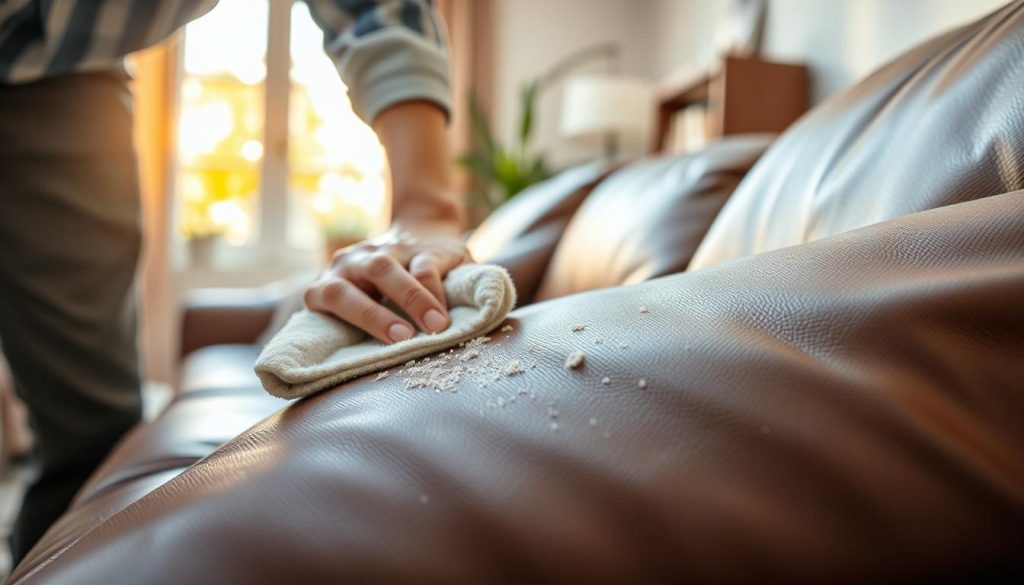
Vacuum seams, corners and under cushions without scratching
Use a brush-headed vacuum attachment and gentle, slow passes. We vacuum seams and crevices first to lift crumbs and fine dust from hidden gaps.
Tip: Run the head along seams and under cushions rather than pressing hard. This avoids dragging hard plastic over the surface.
Wipe the surface with a dry cloth to prevent grit abrasion
After vacuuming, we wipe the main surface top-to-bottom with a clean microfibre dry cloth. This lifts remaining dust and loose dirt without smearing.
Keep pressure light and change cloths if they pick up grit. A clean brush and cloth reduce the chance of pushing particles further into the grain.
| Step | Why it matters | How we do it |
|---|---|---|
| Vacuum seams | Removes trapped crumbs | Brush attachment, low suction, slow passes |
| Under cushions | Stops hidden dirt abrading finish | Lift cushions, vacuum gaps, replace gently |
| Dry wipe | Lifts surface dust | Microfibre dry cloth, top-to-bottom strokes |
Cleaning a leather sofa in quick, practical steps
We target high‑contact spots straight away to make the rest of the job quicker and gentler.
High‑use areas first
Begin with armrests, headrests and seat cushions where skin oils and wear collect most. Inspect for stains before you start. This helps us choose how gentle to be.
Make a mild solution
Mix a few drops of mild dish soap into warm, not hot, water. Keep the mix very weak to protect coatings and dyes.
Work with a damp cloth
Dip then wring the cloth until it is damp, not dripping. Wipe using light circular motions, one panel at a time to avoid tide marks.
Timing and moisture control: Work each area and then buff immediately with a dry cloth if any excess shows. For delicate finishes such as aniline, limit passes and let each section breathe between efforts.
Our aim is simple: lift oils and surface soil without saturating the hide. For an expanded routine, see this quick steps guide.
Spot-cleaning spills and stains without damaging the leather
When spills happen, prompt action makes the difference between a temporary mark and a permanent stain.
Blot, don’t rub. We press a dry cloth onto the spill to lift liquid. Rubbing pushes the stain deeper and increases risk of damage.
Food and drink marks
We mix a very mild soap with warm water and dampen a cloth lightly. Wipe the affected area with gentle, single‑direction strokes and stop when the mark fades.
Oil and grease
We do not add water first. Instead, we sprinkle talcum powder or baking soda over the spot and leave it to absorb oils. After an hour we brush away residue with a soft brush.
Ink and high‑risk stains
For ink, we treat only the small area and test first. A cotton swab with minimal solvent can work, but testing prevents colour loss or surface dulling.
Decision point: if a stain spreads, lightens oddly, or the hide feels tacky, we stop and reassess rather than overworking the area.
| Stain type | First action | Follow-up |
|---|---|---|
| Food & drink | Blot with dry cloth | Light soap solution on cloth, gentle wipe |
| Oils | Apply absorbent powder | Brush off with soft brush, repeat if needed |
| Ink | Test on hidden area | Targeted solvent on swab; stop if damage appears |
How we dry the sofa properly after cleaning
Removing dampness carefully prevents spotting and reduces mould risk in humid rooms. Drying is a protection step, not an afterthought. We treat it with the same care as wiping.
Blot promptly. We press a dry cloth onto each panel using light pressure to lift moisture. Use a soft cloth for delicate finishes and change it if it picks up grit.
Pay special attention to seams and corners. Water can collect there, so we fold the cloth and use the edge to draw out dampness rather than rubbing the surface.
Air-dry guidance and what to avoid
Allow the seating to air-dry naturally. Leave it unused until it feels fully dry to the touch. In Singapore, drying can take longer, so plan extra time and keep the room ventilated.
Avoid hairdryers, direct heat and powerful fans. These force-dry patches and can stiffen the finish. Gentle airflow and patience are better than speed.
| Action | Why it matters | How we do it |
|---|---|---|
| Blot with dry cloth | Removes surface moisture | Light pressure, replace cloth as needed |
| Focus on seams | Prevents trapped water and staining | Use folded cloth edge to extract dampness |
| Air-dry only | Avoids uneven finish and damage | Keep ventilated, allow sufficient time |
For extra guidance on handling persistent damp or stains, see our trusted reference on how to care for your couch: how to care for your couch.
Conditioning: restoring natural oils and preventing cracks
Applying the right conditioner brings back suppleness and reduces cracking. It replenishes natural oils, helps maintain flexibility and slows visible ageing.
When to condition: only after the seating is completely dry. Press a clean cloth to check for moisture before starting.
How long to let it absorb before buffing
Apply a small amount of product to a clean cloth and spread thinly, panel by panel. Let the conditioner absorb for about 10–15 minutes, then buff with a fresh cloth until the surface feels even and non‑greasy.
High‑traffic areas to prioritise
Focus on armrests, headrests and seat cushions first. These areas lose oils faster and can darken unevenly if left untreated.
Choosing products vs DIY mixes
We favour leather‑specific products because they suit modern finishes and reduce risk. DIY mixes, such as olive oil plus vinegar, can work but require strict patch‑testing. If the surface feels greasy or attracts dust after conditioning, remove excess with another buff.
“Less is more: thin layers give the best, longest-lasting result.”
Normal cleaning vs deep cleaning: choosing the right level of care
Deciding whether to refresh the surface or undertake a full restore depends on what we see and feel. Routine upkeep keeps daily build‑up under control, while deeper work removes embedded grime and restores tone and suppleness.
What routine removes and what deep work targets
Routine removes dust, light dirt and body oils using gentle wipes and minimal moisture. It is quick and protects finishes when done often.
Deep cleaning loosens embedded dirt in the grain, treats stubborn marks and corrects uneven dullness, followed by thorough conditioning to restore natural oils.
Recommended timing for Singapore homes
We dust or wipe weekly. For deeper work, aim for every 3–6 months in normal use; in Singapore’s humid climate, plan deep care roughly every 6–12 months.
Why light-coloured materials need more attention
Light tones show transfer marks and wear sooner. For pale upholstery we often recommend professional deep cleans about every six months to keep the surface even and bright.
When to choose deep work: if the seating looks dull after routine care, feels sticky, or shows set‑in grime, schedule an intensive clean and conditioning session.
Leather sofa maintenance habits that keep your sofa looking new
Simple weekly rituals protect surfaces and extend usable life. We follow a short routine so issues never build up and we avoid heavy intervention later.
Weekly dusting
We dust weekly with a soft cloth to stop dust settling into the grain. This small step reduces abrasion and keeps the finish even.
Monthly crevice care
Once a month we vacuum seams and gaps to remove grit. That stops wear and prevents faster fading in high-use spots.
Rotate cushions and placement
We rotate cushions regularly to balance wear and avoid uneven fading where sunlight hits. We also keep furniture at least 30 cm from vents or heaters.
Control humidity and protect high‑use areas
We aim for indoor humidity around 40–60%. In the rainy season we use air conditioning or a dehumidifier. For busy seats we add throws or armrest covers and manage pet contact to limit scratches and oil transfer.
“Regular, small actions keep the seating looking consistent without constant major work.”
| Habit | Frequency | Benefit |
|---|---|---|
| Dust with soft cloth | Weekly | Stops dust settling; reduces abrasion |
| Vacuum crevices | Monthly | Removes grit; prevents wear |
| Rotate cushions | Monthly | Even wear; reduces fading |
| Use throws/keep away from direct sunlight | Ongoing | Protects high‑use spots; limits UV damage |
Cleaning mistakes that cause damage (and what we do instead)
Many accidental missteps—from too much moisture to the wrong wipes—cause visible harm faster than wear does.
Using too much water or harsh cleaners
Excess moisture soaks into the hide and can leave tide marks, encourage odour and raise mould risk in Singapore’s humidity. We avoid heavy wetting and choose pH‑balanced cleaners instead.
Never use strong solvents or household chemicals
Bleach, ammonia, alcohol‑based wipes, acetone, window cleaner and strong detergents strip protective coatings. We replace these with gentle, leather‑safe products and always patch test first.
Scrubbing aggressively and pushing stains deeper
Hard scrubbing abrades the finish and forces stains further into the grain. We blot spills, use light circular motions and lift marks slowly to protect the surface.
Skipping patch tests and using coloured cloths
Coloured rags can transfer dye. Skipping a patch test risks uneven discolouration. We test on an inconspicuous area and use neutral microfibre cloths only.
Over‑conditioning and leaving residue
Too much product leaves a sticky film that attracts dust. We apply conditioner sparingly, let it absorb, then buff with a clean, dry cloth until no residue remains.
| Mistake | Why it harms | What we do instead |
|---|---|---|
| Too much water | Tide marks, odour, mould risk | Use damp (not wet) cloth and blot with dry cloth |
| Harsh cleaners | Strip coatings and fade colour | Use pH‑balanced cleaners and patch test |
| Aggressive scrubbing | Abrasion and deeper stains | Blot, then gentle circular strokes |
| Over‑conditioning | Sticky residue attracts dirt | Thin application; buff with dry cloth |
When to call professional leather sofa cleaning services in Singapore
If persistent marks, odours or material breakdown keep returning, professional help is the safest next step.
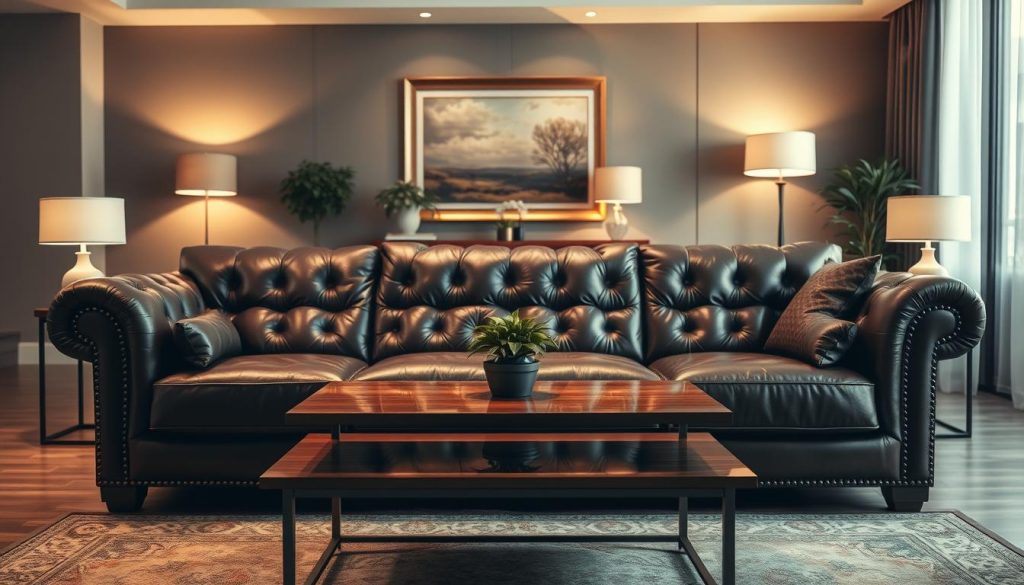
Signs DIY isn’t enough: we book pros when heavy soiling, recurring stains, cracking, peeling or notable fading appear. Also call if embedded odours remain after several attempts.
What professionals typically do
Experts begin with a careful inspection to identify hide type and wear. They match pH-balanced products and use specialised nozzles to vacuum seams.
- Targeted pre-treatment of stubborn marks
- Low‑moisture methods for deep soiling
- Deodorising where odours persist
- Conditioning, balms and optional protective sprays
- Final quality check to confirm even tone and dryness
When to book
We recommend scheduling service before major events, after a large spill, or as annual preventive care to extend lifespan. For valued suites or pale finishes, professional work reduces risk and often saves cost long term.
For reliable service in Singapore, see our trusted partner for sofa care: professional leather sofa service.
Conclusion
In conclusion, our routine focuses on simple actions that protect value and appearance. We identify the hide type, remove dust first, work with minimal moisture, dry each panel and finish with conditioner to support long‑term care.
Keep to three protection rules: avoid harsh solvents, avoid over‑wetting and always patch test new products. These steps preserve finish and reduce repair time.
In Singapore’s humid climate, regular upkeep saves time and prevents mould or odour. Treat your furniture like an investment: small, timely actions prevent larger work later.
If stains, persistent odours or finish issues remain, call professional help to restore appearance safely.

