

Your mattress is more than just a place to sleep—it’s a haven for dust mites, dead skin cells, and bacteria. Over time, these allergens can affect your health, especially in Singapore’s humid climate, which accelerates dust mite growth. According to Nolah Sleep, regular cleaning is essential to maintain sleep hygiene and reduce allergy symptoms.
Studies show that 61% of Singaporeans experience allergy symptoms linked to dusty bedding environments. This makes it crucial to adopt effective cleaning practices. From natural methods to stain-specific solutions, this guide will help you keep your mattress fresh and allergen-free.
For more detailed insights on mattress cleaning costs in Singapore, check out our comprehensive resource. Start today and transform your sleep space into a healthier environment!
Key Takeaways
- Regular cleaning reduces allergens and improves sleep hygiene.
- Singapore’s humidity accelerates dust mite growth in mattresses.
- Natural cleaning methods are effective and eco-friendly.
- Stain-specific solutions help maintain mattress freshness.
- Cleaning every six months is recommended for optimal results.
Why Sanitizing Your Mattress is Essential
Your bed can harbor unseen threats that impact your well-being. Over time, dust mites, bacteria, and allergens accumulate, creating an unhealthy sleep environment. Regular cleaning is not just about freshness—it’s about protecting your health.
The Hidden Dangers in Your Mattress
Did you know your bed can host over a million dust mites? These tiny creatures thrive in the fibers, feeding on dead skin cells. Their feces contain 15+ allergens, which can trigger respiratory issues and allergies.
Unclean sleeping surfaces are also linked to eczema flare-ups and acne. Bacteria transferred from your skin can clog pores, while mold spores increase asthma risks. A clean mattress reduces these dangers significantly.
Health Benefits of a Clean Mattress
Maintaining a fresh bed offers numerous health benefits. Studies show a 72% improvement in sleep quality after proper cleaning. Here’s why:
- Reduces exposure to allergens and irritants.
- Prevents bacterial buildup that causes acne.
- Lowers the risk of respiratory issues like asthma.
- Minimizes eczema and other skin conditions.
By keeping your bed free from dust mites and bacteria, you create a healthier space for rest and recovery.
Preparation: Getting Ready to Sanitize Your Mattress
Proper preparation is the foundation of a successful cleaning routine. Before you start, gather all the necessary cleaning supplies and set up a safe workspace. This ensures efficiency and protects your health during the process.
Gathering the Necessary Supplies
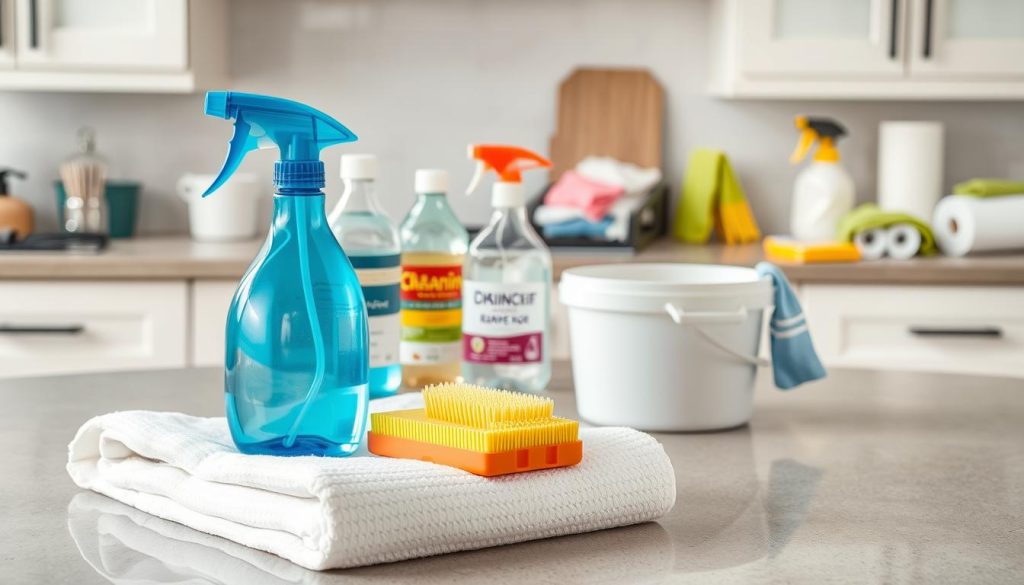
Having the right tools makes cleaning easier and more effective. Here’s a checklist of essential items:
- Vacuum with an upholstery attachment for removing dust and debris.
- Mild detergent for spot cleaning without damaging the fabric.
- Baking soda and white vinegar for natural cleaning solutions.
- Anti-mold spray to combat Singapore’s humid climate.
- A plastic liner to protect your floor or workspace.
For drying, consider using a dehumidifier to prevent moisture buildup. This is especially useful in Singapore’s high humidity.
Creating a Clean and Safe Workspace
Set up your workspace to ensure safety and efficiency. If you live in an HDB flat, use foldable tables to organize your cleaning supplies. Cover the area with a plastic liner to protect surfaces from spills.
Store chemicals in a cool, dry place to prevent reactions in humid environments. Always read labels for safety instructions.
“A well-organized workspace not only speeds up the process but also minimizes risks.”
When choosing cleaning cloths, consider their effectiveness. Here’s a quick comparison:
| Type | Pros | Cons |
|---|---|---|
| Microfiber | Highly absorbent, lint-free | Can trap dirt if not washed properly |
| Cotton | Soft, easy to clean | Less absorbent, may leave lint |
By preparing thoroughly, you’ll achieve a cleaner, healthier sleep environment with minimal effort.
Step 1: Remove Bedding and Vacuum the Mattress
Starting your cleaning process right ensures a healthier sleep environment. Begin by stripping off all bedding, including sheets, pillowcases, and protectors. This exposes the mattress surface, making it easier to clean thoroughly.
How to Properly Vacuum Your Mattress
Using a vacuum with an upholstery attachment is key to removing dust and debris. Focus on the seams and edges, where dust mites often hide. A crevice tool can help reach tight spots effectively.
For best results, follow Luce SG’s cross-hatch vacuum pattern technique. Move the vacuum in overlapping lines to ensure no area is missed. This method is especially useful for HDB-friendly cleaning routines.
Using Baking Soda for a Deeper Clean
After vacuuming, sprinkle baking soda evenly across the mattress surface. Its natural pH balance helps break down oils and neutralize odors. For a queen-sized bed, use about 1 cup of baking soda.
Let it sit for at least 30 minutes to absorb moisture and odors. This step is particularly effective in Singapore’s humid climate. Afterward, vacuum again to remove the baking soda residue.
Here’s a quick comparison of vacuum types for this task:
| Type | Pros | Cons |
|---|---|---|
| Upright | Powerful suction, easy to maneuver | Bulky, less portable |
| Handheld | Compact, great for tight spaces | Limited suction power |
Warning: Avoid over-wetting memory foam layers, as moisture can damage their structure. Stick to dry cleaning methods for these types.
Step 2: Spot Cleaning Common Mattress Stains
Stains on your bed can be stubborn, but with the right approach, they’re easy to tackle. Whether it’s urine, blood, or sweat, each type requires a specific solution for effective removal. Here’s how to handle these common issues and restore your sleep space to its best condition.
Removing Urine Stains
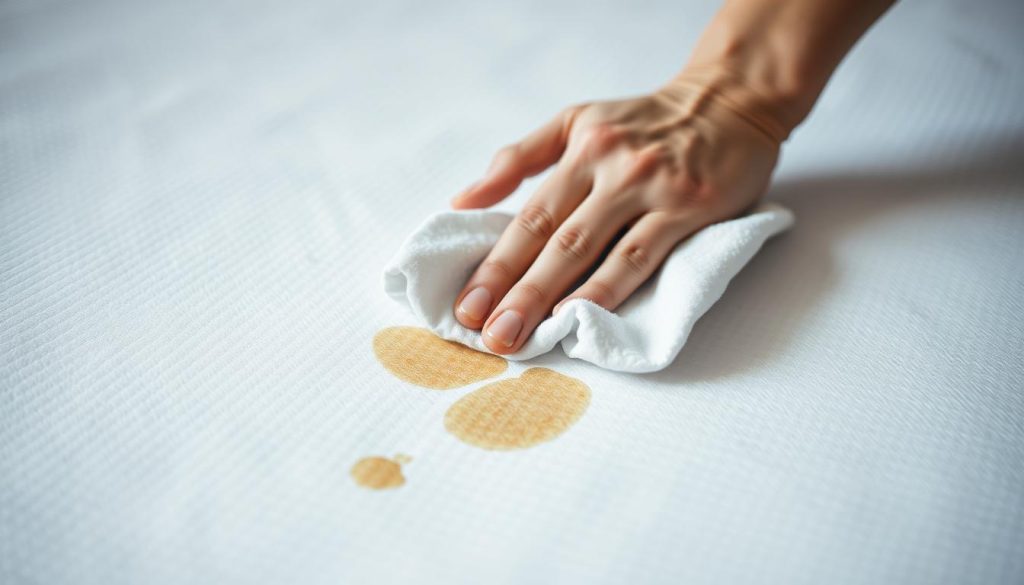
For urine stains, act quickly to prevent them from setting. Start by blotting the area with a clean cloth to absorb as much liquid as possible. Use a circular motion to avoid spreading the stain further.
For a natural solution, mix 8oz of hydrogen peroxide with 3tbsp of baking soda. Apply the mixture to the stain and let it sit for 15 minutes before blotting it away. This enzymatic cleaner breaks down the proteins in urine, leaving your bed fresh and clean.
Dealing with Blood Stains
Blood stains can be tricky, but cold water is your best ally. According to Luce SG’s protocol, rinse the stain with cold water as soon as possible. Avoid hot water, as it can set the stain permanently.
For tougher stains, apply a small amount of hydrogen peroxide directly to the area. Let it bubble for a few minutes, then blot gently. Repeat the process until the stain is gone.
Eliminating Sweat Stains
Sweat stains are common, especially in Singapore’s humid climate. To remove them, mix equal parts white vinegar and water. Dab the solution onto the stain and let it sit for 10 minutes before blotting it dry.
For deeper cleaning, sprinkle baking soda over the area and let it sit overnight. Vacuum it up the next morning to reveal a fresher surface. This method is safe for most bed types and effective in removing odors.
“Using the right techniques and products ensures stains are removed without damaging your bed.”
For more tips on handling urine stains, check out our detailed guide on removing urine stains effectively. With these methods, you can keep your sleep space clean and comfortable all year round.
Step 3: Sanitize Mattress with Natural Solutions
Natural cleaning methods are not only eco-friendly but also highly effective for maintaining a fresh sleep surface. Unlike harsh chemicals, these natural solutions are safe for your health and the environment. They also help disinfect your bed without leaving harmful residues.

Using Baking Soda and Vinegar
Baking soda and vinegar are a powerful duo for cleaning. Sprinkle baking soda evenly across the surface and let it sit for 30 minutes. This helps absorb odors and moisture. Next, mix white vinegar and water in a 1:2 ratio and lightly spray it over the area. The acetic acid in vinegar breaks down biofilms, leaving your bed fresh and clean.
Here’s why this method works:
- Baking soda neutralizes odors and absorbs moisture.
- Vinegar’s acetic acid kills bacteria and removes stains.
- It’s cost-effective compared to chemical cleaners.
Steam Cleaning for a Thorough Sanitization
For a deeper clean, consider steam cleaning. According to Consumer Reports, steam at 212°F kills 99.9% of bacteria and dust mites. Use a handheld steamer and move it in slow, overlapping motions to cover the entire surface. Focus on seams and edges where dirt accumulates.
Here are some tips for effective steam cleaning:
- Maintain a 45-degree angle to avoid over-wetting the fabric.
- Ensure proper ventilation by opening windows or using a fan.
- Let the bed dry completely before remaking it.
“Steam cleaning is a chemical-free way to eliminate allergens and bacteria, making it ideal for Singapore’s humid climate.”
By using these natural solutions, you can keep your sleep space clean, fresh, and free from harmful chemicals. Whether you choose baking soda and vinegar or steam cleaning, these methods are safe, effective, and environmentally friendly.
Step 4: Deodorizing Your Mattress
Odors can linger in your bed, but natural solutions can help. Over time, sweat, spills, and environmental factors can cause unpleasant smells. Regular deodorizing keeps your sleep space fresh and inviting.
How to Use Baking Soda for Deodorizing
Baking soda is a powerful, natural deodorizer. According to Nolah Sleep, a 24-hour treatment works best. Sprinkle it evenly across the surface and let it sit overnight. This absorbs moisture and neutralizes odors effectively.
For even distribution, use a sifter or fine mesh. Focus on areas prone to smells, like the center and edges. After 24 hours, vacuum thoroughly to remove the residue.
Other Natural Deodorizing Methods
Sunlight is another excellent deodorizer. Luce SG recommends a maximum of 2 hours in tropical sun. Place your bed in direct sunlight to kill bacteria and freshen the fabric. Be cautious not to overexpose, as it may fade colors.
Essential oils are a fragrant alternative. Add a few drops of Singapore-approved blends like lavender or tea tree oil to a spray bottle with water. Lightly mist the surface for a fresh, calming scent.
“Natural deodorizers like baking soda and sunlight are safe, effective, and eco-friendly.”
Here’s a comparison of popular deodorizing agents:
| Agent | Pros | Cons |
|---|---|---|
| Baking Soda | Absorbs odors, non-toxic | Requires vacuuming |
| Activated Charcoal | Highly absorbent, long-lasting | Messy to apply |
| Essential Oils | Adds fragrance, antimicrobial | May cause allergies |
For pet odors, enzymatic neutralizers break down organic compounds. Store your bed in a humidity-controlled area to prevent musty smells. With these methods, you can maintain a fresh and inviting sleep space.
Step 5: Disinfecting a Used Mattress
Disinfecting a used mattress is crucial for ensuring a safe and healthy sleep environment. Whether you’ve purchased a second-hand mattress or inherited one, proper cleaning eliminates hidden threats like bacteria, allergens, and pests. Follow these steps to restore it to a hygienic condition.
How to Clean a Second-Hand Mattress
Start with a thorough inspection. Use a UV light to check for stains or signs of bed bugs. According to Luce SG’s 3-stage protocol, begin by vacuuming the surface to remove dust and debris. Pay extra attention to seams and edges where dirt accumulates.
Next, use a Carousell-approved checklist to assess the mattress’s condition. Look for visible stains, odors, or damage. This step ensures you address all potential issues before proceeding with cleaning.
Using Hydrogen Peroxide for Disinfection
Hydrogen peroxide is a powerful disinfectant that kills germs and bacteria. For best results, use a 3% solution. Higher concentrations, like 6%, are more effective but require careful handling. Apply it to stained areas and let it sit for 10 minutes before blotting it away.
For a deeper clean, consider professional alternatives like Kawah sterilization services. These methods use advanced techniques to eliminate bacteria and pests without damaging the fabric.
“Following NEA guidelines for pest management ensures your mattress is free from harmful organisms and safe for use.”
Here’s a quick comparison of cleaning methods:
| Method | Pros | Cons |
|---|---|---|
| Hydrogen Peroxide | Effective, affordable | May bleach fabric |
| Steam Cleaning | Kills bacteria and pests | Requires equipment |
| Professional Services | Thorough, hassle-free | Higher cost |
For more detailed steps, check out Luce SG’s guide on cleaning a used mattress. With these methods, you can confidently enjoy a clean and safe sleep space.
Maintaining a Clean Mattress
Keeping your sleep space fresh requires consistent effort and the right tools. Proper maintenance not only extends the life of your bed but also ensures a healthier sleep environment. From using a mattress protector to following a cleaning schedule, these steps are essential for long-term care.
Using a Mattress Protector
A mattress protector is a simple yet effective way to shield your bed from spills, dust, and allergens. According to Nolah, their Cooling Protector reduces bacterial growth by 60%. Here’s a quick comparison of popular types:
| Type | Pros | Cons |
|---|---|---|
| Waterproof | Protects against spills and stains | May feel less breathable |
| Allergen-Proof | Blocks dust mites and allergens | Often more expensive |
For divan beds, ensure the protector fits snugly. This prevents shifting and maximizes protection. In Singapore’s humid climate, choose breathable materials to avoid moisture buildup.
Regular Cleaning Schedule
Consumer Reports recommends a bi-annual deep clean to maintain hygiene. Here’s a simple cleaning schedule tailored for Singapore:
- Wash protectors every 2-4 weeks to prevent bacterial growth.
- Vacuum the surface monthly to remove dust and debris.
- Spot clean spills immediately to avoid stains.
Set reminders using phone apps to stay on track. Look for signs like odors or visible stains as indicators for early cleaning. With these steps, you can enjoy a fresh and healthy sleep space year-round.
Conclusion
A clean sleep space is essential for better rest and overall health. By following this guide, you can effectively maintain a fresh and hygienic environment. Regular cleaning, especially during Singapore’s monsoon season, helps prevent allergens and ensures long-lasting comfort.
Recap the key steps: vacuuming, spot cleaning, and using natural solutions like baking soda. These methods are tailored for Singapore’s humid climate and are easy to incorporate into your routine. Remember, a clean mattress directly impacts your sleep quality and well-being.
For professional assistance, consider trusted local services like Luce SG or Kawah. Their expertise ensures thorough results, saving you time and effort. Set reminders for seasonal cleaning to stay on track.
Start today and enjoy the benefits of a fresh, healthy sleep space. Your body and mind will thank you!

