

Dealing with rodent waste on your carpet can be stressful and unhealthy. Immediate action is crucial to minimize health risks. The Lura vacuum offers a quick and effective solution for this problem.
Lura’s advanced wet/dry vacuum technology is perfect for porous surfaces like carpets. It ensures thorough cleaning while adhering to CDC guidelines. This makes it an ideal choice for Singaporean households.
Don’t wait to address this issue. With Lura, you can tackle the problem today and restore your home’s cleanliness and safety.
Key Takeaways
- Lura vacuum provides an immediate solution for rodent waste removal.
- Health risks from rodent waste require urgent attention.
- Lura’s wet/dry technology is ideal for porous surfaces like carpets.
- Follow CDC guidelines for safe and effective cleaning.
- Act now to maintain a clean and healthy home environment.
Introduction: Why Cleaning Mouse Poop from Carpet is Essential
Mouse droppings on your carpet can pose serious health risks if not addressed promptly. These small, seemingly harmless pellets can carry over 35 diseases, including Hantavirus and Salmonellosis. According to the CDC, 15-20% of mice carry Hantavirus in their droppings, making them a significant threat to your household.
In Singapore’s humid climate, the risks are even higher. Moisture can cause dried feces to release airborne particles, which, when inhaled, can transmit diseases. Fresh droppings remain infectious for up to three days at room temperature, increasing the urgency of proper cleanup.
“Rodent waste is not just a nuisance—it’s a serious health hazard that requires immediate attention.”
Carpets, being porous surfaces, are particularly vulnerable. Droppings can easily become embedded, releasing harmful particles over time. This makes thorough cleaning essential to maintain a safe living environment.
Here’s a quick overview of the risks associated with mouse droppings:
| Risk Factor | Details |
|---|---|
| Disease Transmission | Over 35 diseases, including Hantavirus and Salmonellosis. |
| Airborne Particles | Dried feces release particles that can be inhaled. |
| Infectious Period | Fresh droppings remain infectious for 3 days. |
| Porous Surfaces | Carpets trap droppings, increasing health risks. |
For more information on identifying and addressing rodent waste, check out this comprehensive guide. Taking action now can protect your family from the dangers of rodents and their waste.
Safety First: Preparing to Clean Mouse Poop
Ensuring safety during cleanup is the first step to protecting your home. Rodent waste can carry harmful pathogens, so taking precautions is essential. Proper preparation minimizes health risks and ensures effective results.
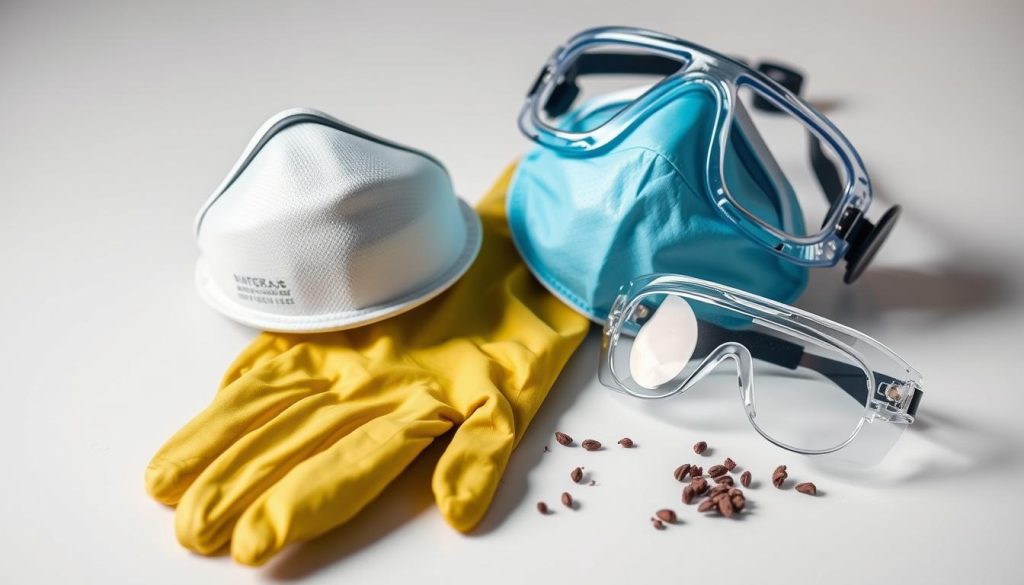
Gather the Right Equipment
Before starting, assemble the necessary tools. Wear nitrile gloves to protect your hands and an N95 mask to reduce inhalation risks by 95%. Goggles are also recommended to shield your eyes from airborne particles.
Use EPA-approved disinfectants or a 1:9 bleach and water solution. This mixture is effective for sanitizing the area. Keep a plastic bag nearby for safe disposal of contaminated materials.
Ventilate the Area
Proper ventilation is crucial. Open windows and doors to allow fresh air to circulate. In HDB flats, cross-ventilation helps reduce the concentration of harmful particles. Follow a 30-minute ventilation protocol before beginning the cleanup process.
“Safety measures are not optional—they are essential for protecting your health during cleanup.”
Here’s a quick checklist to ensure you’re prepared:
- Nitrile gloves, N95 mask, and goggles
- EPA-approved disinfectant or bleach solution
- Plastic bag for double-bagging waste
- Pre-cleaning safety check for nests or dead rodents
Taking these steps ensures a safer and more effective cleanup process. Preparation is key to minimizing risks and maintaining a healthy home environment.
How to Clean Mouse Poop from Carpet: Step-by-Step Guide
Removing rodent waste from your carpet requires a systematic approach to ensure safety and effectiveness. Follow these steps to eliminate health risks and restore your carpet’s cleanliness.
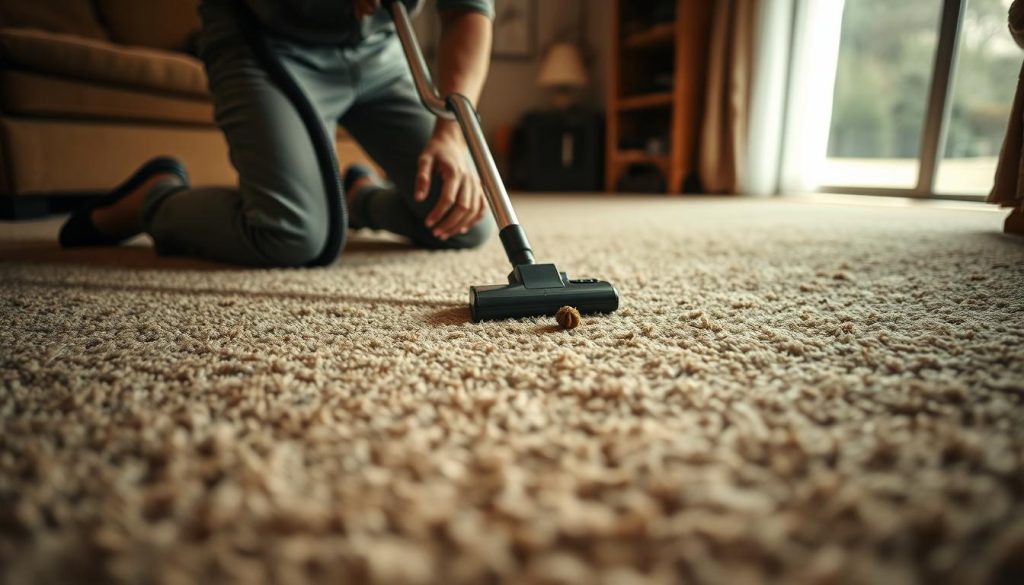
Step 1: Disinfect the Area
Start by applying a disinfectant solution to the affected area. A 1:9 bleach and water mixture is highly effective. Use a spray bottle for even coverage, ensuring the solution soaks into the carpet fibers.
Allow the disinfectant to sit for at least 5 minutes. This soak time is critical for neutralizing pathogens. Blot the area with paper towels to remove excess moisture and debris.
Step 2: Use the Lura Wet & Dry Vacuum Cleaner
The Lura vacuum is designed for wet and dry cleaning, making it ideal for porous surfaces like carpets. Its HEPA filter captures 99.97% of particles as small as 0.3 microns, ensuring thorough removal of harmful contaminants.
Switch to wet mode when using enzymatic cleaners for deeper sanitation. The specialized nozzle attachments are perfect for reaching embedded droppings and urine stains.
Step 3: Dispose of Waste Safely
After cleaning, place all contaminated materials, including paper towels and gloves, into a plastic bag. Follow the double-bagging protocol to minimize secondary contamination.
Check local municipal disposal regulations in Singapore for proper waste handling. Finally, wash hands thoroughly with soap and water for at least 20 seconds to eliminate any remaining pathogens.
“Proper disposal and handwashing are crucial steps to prevent the spread of diseases.”
By following these steps, you can effectively address rodent droppings and maintain a safe, clean home environment.
Why Choose the Lura Wet & Dry Vacuum Cleaner
When it comes to tackling stubborn messes, the Lura Wet & Dry Vacuum Cleaner stands out as a reliable choice. Its 150W motor power outperforms competitors’ 100W models, ensuring superior suction for even the toughest debris. Whether you’re dealing with rodent waste or everyday dirt, this cleaner delivers unmatched performance.
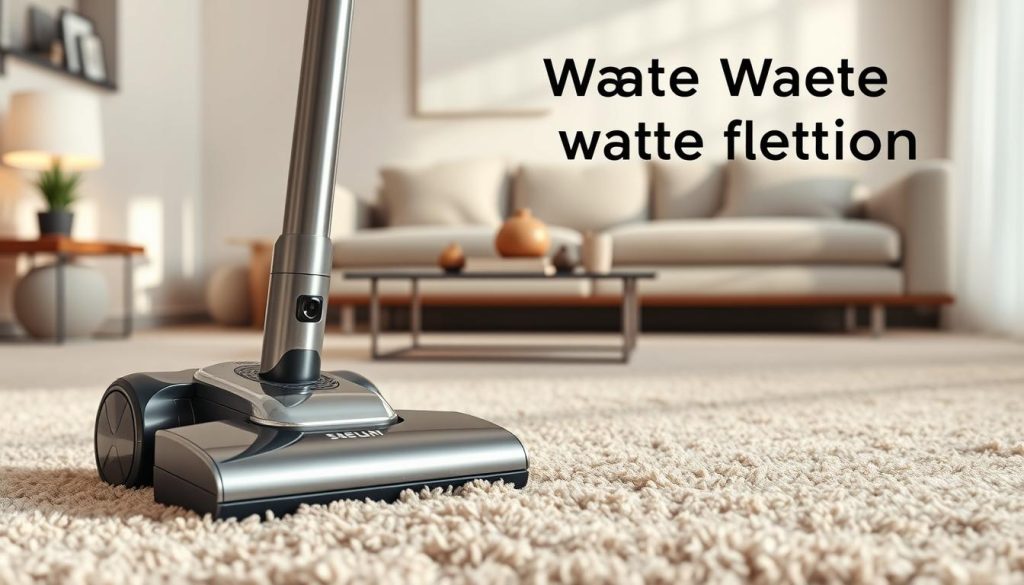
With a 0.8L dust capacity and washable filters, the Lura vacuum is built for convenience. Its 3-in-1 nozzle adapts to different surfaces, making it perfect for carpets, hard floors, and tight corners. This versatility ensures a thorough clean in every corner of your home.
One of its standout features is the HEPA filtration system, which captures 99.97% of particles as small as 0.3 microns. This makes it ideal for removing allergens and harmful contaminants. Compared to traditional vacuums, the Lura cleaner offers a cleaner and healthier environment.
For deep sanitation, the wet-cleaning mode allows you to use disinfectants effectively. This feature is especially useful for addressing rodent-related messes and ensuring a hygienic space. Additionally, the Lura vacuum comes with a comprehensive warranty and access to service centers in Singapore, providing peace of mind for users.
Don’t miss out on this powerful cleaning solution. Explore Lura’s carpet deep cleaning services in and experience the difference today. Limited stock is available, so act now to secure your Lura Wet & Dry Vacuum Cleaner!
Preventing Future Mouse Infestations
Preventing future rodent issues in your home requires proactive measures and consistent maintenance. By addressing potential entry points and maintaining cleanliness, you can significantly reduce the risk of an infestation.
Seal Entry Points
Rodents can squeeze through gaps as small as 6mm, making it essential to seal all potential entry points. Common areas to inspect include doors, windows, and utility lines. Use steel wool or caulk to block these gaps effectively.
For floors near ground level, ensure that vents and crawl spaces are covered with mesh screens. Regular inspections can help identify new gaps before they become a problem.
Maintain Cleanliness
Proper food storage is critical in preventing rodent activity. According to an NSF study, proper storage can reduce the risk by 48%. Store food in airtight containers and clean up spills immediately.
Landscape maintenance also plays a role. Trim bushes and trees near your home to eliminate hiding spots. Regularly dispose of garbage and avoid leaving pet food outdoors overnight.
“Prevention is always better than dealing with an active infestation. Small steps today can save you from big problems tomorrow.”
Here’s a quick guide to rodent-proofing your home:
| Action | Details |
|---|---|
| Seal Gaps | Use steel wool or caulk for gaps larger than 6mm. |
| Food Storage | Store food in airtight containers and clean spills promptly. |
| Landscape Maintenance | Trim bushes and trees near the home. |
| Regular Inspections | Check for new gaps and signs of rodent activity. |
For more tips on maintaining a rodent-free environment, check out this guide. Taking these steps ensures your home remains safe and comfortable for your family.
Health Risks Associated with Mouse Droppings
Understanding the health risks linked to rodent waste is vital for protecting your family. Mouse droppings can carry dangerous pathogens, including hantavirus and salmonella, which pose serious health threats. According to the CDC, Hantavirus Pulmonary Syndrome (HPS) has a mortality rate of 38%, making it a critical concern.
In tropical climates like Singapore, pathogens in mouse droppings survive longer due to high humidity. This increases the risk of exposure to diseases. Fresh droppings remain infectious for up to three days, while dried feces can release harmful particles into the air.
Certain groups are more vulnerable to these health risks. The elderly, children, and individuals with asthma or weakened immune systems face higher chances of severe complications. Symptoms of rodent-borne illnesses often appear within 1-5 weeks, including fever, fatigue, and respiratory issues.
“Rodent waste is not just unsightly—it’s a silent carrier of life-threatening diseases.”
If you suspect exposure, seek medical advice immediately. Singapore’s healthcare facilities, such as the National University Hospital, offer specialized care for infectious diseases. Post-exposure prophylaxis protocols may include antiviral medications and supportive treatments.
Here’s a quick overview of the risks and actions to take:
- Hantavirus: High mortality rate; symptoms include fever and respiratory distress.
- Salmonella: Causes gastrointestinal issues; 1.35 million cases annually in the U.S.
- High-risk groups: Elderly, children, and asthmatics require extra caution.
- Local resources: Utilize Singapore’s healthcare facilities for immediate care.
Taking these risks seriously ensures your family’s safety and well-being. Addressing rodent waste promptly minimizes the threat of diseases and maintains a healthy home environment.
Conclusion: Clean Your Carpet Safely with Lura
Keeping your home free from unwanted pests is essential for a healthy living space. The Lura Wet & Dry Vacuum Cleaner offers a reliable solution to address these concerns effectively. Its advanced HEPA filtration ensures thorough removal of harmful particles, while the wet-cleaning mode provides deep sanitation for carpets and other surfaces.
Take advantage of our limited-time bundle offers to enhance your cleaning experience. Partnering with professional disinfection services, Lura ensures your home remains safe and hygienic. For immediate assistance, our FAQ hotline is available to address any cleaning emergencies.
Don’t wait to restore your home’s cleanliness. Order today and join countless satisfied users in Singapore who trust Lura for their cleaning needs. Act now to secure your Lura vacuum and enjoy a healthier living environment!

