
We start by setting clear expectations about what a combined wet-dry machine does in a typical Singapore flat. These devices speed up daily cleaning on sealed tiles, vinyl and marble-effect surfaces that show streaks and footprints quickly.
Why swap a mop and bucket? We find that many households upgrade for faster routines, better pick-up of spills and less time changing water. That change cuts the effort of wringing and keeps floors sanitary.
In the following guide we preview our top picks and the use-cases they serve: single-purpose floor machines, modular mop-hoover combos and compact robot units for upkeep. We also warn that not every option suits rugs or carpets, so buyers can avoid a poor match.
Practical ownership matters. We balance suction performance with day-to-day tasks like refilling clean water, emptying tanks, brush cleaning, docking space and battery planning.
Quick comparison of our top wet-dry vacuum picks for Singapore homes
We’ve lined up the standout models and summed up what each one does well in typical Singapore homes. This short comparison helps you match a cleaner to a condo, HDB flat or landed property at a glance.
Best overall for hard floors
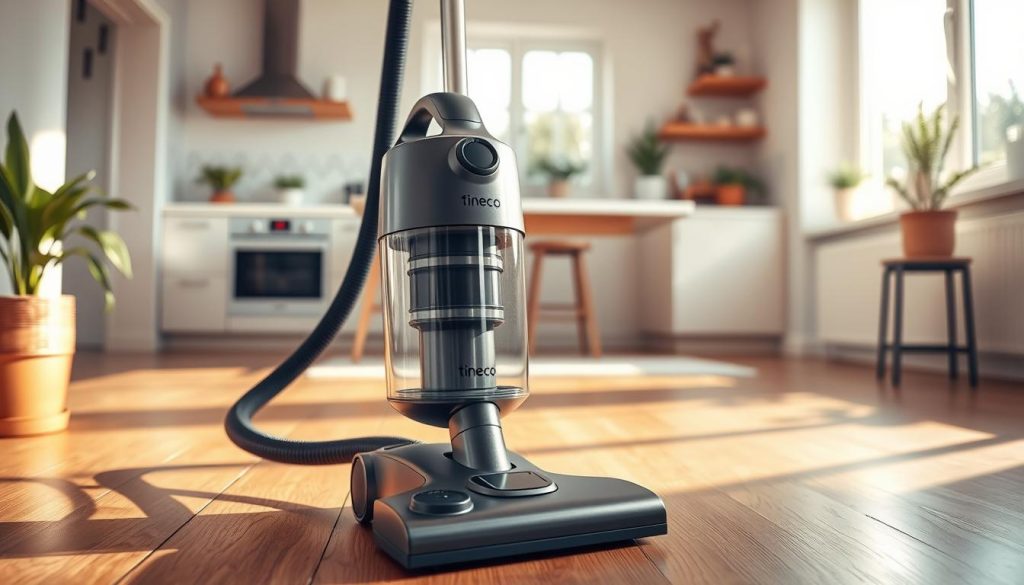
Tineco Floor One S7 Pro balances suction, mopping consistency and Auto Mode sensors that adapt to spills and dust. This is our pick where sealed tiles and marble-effect floors dominate.
Runner-up for manoeuvrability and long runtime
Roborock F25 Ace offers a lie-flat head for under-furniture reach and impressive battery life that suits larger layouts.
Best budget at a sharper price point
Shark HydroVac Cordless trims the price point with sensible compromises: shorter runtime and smaller tanks, but strong value for everyday upkeep.
Best 2-in-1 vacuum mop for mixed floors
Dyson V15s Detect Submarine swaps heads to handle rugs and hard areas without extra tools. It suits homes with mixed surfaces.
Best robot for hands-free cleaning
Roborock Qrevo Curv automates refills and emptying, and is ideal as a daily maintenance tool. Remember: robot vacuums won’t replace a manual scrub of fresh spillages.
| Model | Strength | Trade-off |
|---|---|---|
| Tineco Floor One S7 Pro | Auto mopping & sensors | Higher upkeep |
| Roborock F25 Ace | Reach & battery life | Not ideal on rugs |
| Shark HydroVac Cordless | Price point | Smaller tanks |
Best wet and dry vacuum cleaner for home overall: Tineco Floor One S7 Pro
We examined how the Tineco Floor One S7 Pro’s Auto Mode reacts to dust, crumbs and wet splashes in busy homes. The unit blends mopping and suction in one pass, which suits sealed tiles and laminate in Singapore flats.
Why it earns our recommendation
Auto Mode uses sensors to raise power where visible dirt appears. That reduces repeat passes on dusty or greasy patches.
Water tank sizes and practical meaning
The clean water tank is 0.85L while the dirty water tank holds 0.72L. In practice, 0.85L of clean water lasts a typical kitchen-and-hall sweep, but the 0.72L dirty tank often needs emptying after a full clean.
Real-world use and maintenance
The brush roll copes well on glossy tiles, matte finishes and laminate, though slow passes risk streaking if too much water is used.
Self-propulsion eases work in open-plan living rooms. Noise reaches about 65dB in Ultra, and max runtime is 40 minutes with a charge time near 240 minutes.
Trade-offs and who should consider it
The main limits are battery life and routine upkeep: the self-clean system helps but you must still rinse the dirty water tank to avoid smells. We think this system suits pet owners and anyone who needs fast mopping and debris pickup on hard floors.
| Feature | Spec / Note | Practical effect |
|---|---|---|
| Clean water tank | 0.85L | Enough for one full flat sweep in most cases |
| Dirty water tank | 0.72L | Usually emptied after a thorough clean |
| Runtime | Up to 40 minutes | Sufficient for small to medium flats; larger homes may need a top-up |
| Noise | ~65dB (Ultra) | Noticeable but not intrusive |
Runner-up wet-dry vacuum: Roborock F25 Ace
The Roborock F25 Ace earns its runner-up spot by blending longer runtime with nimble handling suited to multi-room flats. We find it excels on sealed surfaces and is designed around daily upkeep rather than heavy deep cleans.
Strong everyday cleaning on hard floors
It handles fine dust, hair and grit with steady suction. A single pass often resets living areas so the floor looks tidy between deeper sessions.
Edge access and under-furniture reach
The lie-flat head lets the unit get under low sofas and beds. That improves edge cleaning along skirting boards and around table legs.
Dock features that cut maintenance time
The dock offers hot-water or room-temperature wash options for the roller, then uses hot-air drying to reduce damp smells. Automatic detergent dispensing keeps solutions consistent, though owners should check local availability for refills.
What to watch
Not suited to rugs or carpet. If your flat mixes surfaces, plan a separate device for soft floors or a modular system that swaps heads.
| Spec | Value |
|---|---|
| Clean water tank | 0.74L |
| Dirty water tank | 0.72L |
| Max runtime / Charge | 60 mins / 6h 30 |
Best budget wet-dry vacuum: Shark HydroVac Cordless
The HydroVac Cordless targets everyday cleaning tasks with a compact design and a sharper price point.
What “best budget” means to us: strong day-to-day performance at a lower price, but with smaller tanks and shorter runtime. It suits flats where speed beats long sessions and owners accept a bit more upkeep.
Why it’s great value
The unit handles sealed tiles and other hard floors well, while also coping with low-pile rugs in its gentler setting.
Modes explained: hard floor mode vs Freshen mode
Hard floor mode delivers steady mopping and pick-up for spills and dust. Freshen mode lightly refreshes low-pile rugs without soaking fibres.
Maintenance reality check
Water tank is 0.5L, and runtime is about 25 minutes with a 4-hour charge. That translates to a single sweep of a small flat; larger homes will need recharges mid-clean.
The self-clean cycle helps, but we still have to empty dirty water after most uses. The brush roll may need removal and up to 24 hours to dry.
| Spec | Value | Practical note |
|---|---|---|
| Water tank | 0.5L | More frequent refills and empties |
| Max runtime | 25 minutes | Good for small flats |
| Charge time | 4 hours | Plan runs around busy days |
Storage and who should buy: compact enough for tight utility spaces, though a slimmer dock-based model makes sense if you prefer less frequent tank handling. We recommend this at the sharper price point when daily upkeep is acceptable.
Best 2-in-1 stick vacuum and mop: Dyson V15s Detect Submarine
A modular 2-in-1 stick lets us shift from deep carpet suction to light mopping in seconds. The Dyson V15s Detect Submarine pairs a powerful dry vacuum motor with swappable floorheads designed for carpets, rugs and hard floors.
Swappable floorheads for carpet, rugs and sealed floors
We appreciate the Submarine’s modular design: change from a laser-equipped hard-floor head to a carpet roller without bulky tools. That saves storage space and lets us target fibres on bedroom carpets while treating living areas with gentle suction.
Mopping performance: light upkeep rather than heavy grime
The Submarine head mops best with short, regular passes. Its 0.3L water tank suits quick refreshes; it won’t replace a deep scrub of stubborn cooking marks.
Design drawback: take care when removing the head
Important caveat: the dirty water tank is not fully sealed. If we remove the Submarine head carelessly the dirty water can drip back onto the floor, which undermines the convenience of an all-in-one system.
Is the premium price worth an all-in-one system?
With a 0.77L bin, up to 60 minutes runtime and ~4.5 hours charge time, the system suits mixed-surface flats. We think the price is justified if you value strong suction, fewer devices to store, and quick switches between mop and vacuum modes. For larger open-plan areas, note the small water tank may need frequent top-ups.
| Spec | Value | Practical note |
|---|---|---|
| Water tank | 0.3L | Good for short mops; refill often in big spaces |
| Bin | 0.77L | Holds daily debris for most flats |
| Runtime | Up to 60 minutes | Sufficient for medium flats in standard mode |
Best wet-dry robot vacuum: Roborock Qrevo Curv
We favour robot models that take the daily hassle out of upkeep while still keeping floors presentable.
Why the Qrevo Curv suits Singapore flats: its dock automates the messy bits so we spend less time on routine tank work. The base holds a 2.4L clean water tank, a 2.4L dirty water tank and a 2.7L dust bin. That capacity reduces trip frequency to utility sinks and bins.
How the dock automates refill and emptying
The dock will refill clean water, empty dirty water and dump dust into the bin automatically. It can also dispense detergent and wash and dry the mop pads. This removes the chores that often put people off robot mopping.
Mopping system, edge reach and carpet detection
Rotating pads deliver gentle mopping action and one pad extends to reach edges. The platform detects carpet and either lifts the pad or leaves it at the base to avoid soggy rugs.
Set-and-forget scheduling
We program routines to target high-traffic areas at chosen times. Daily runs handle debris and dirt near entrances, kitchens and dining zones. That keeps floors presentable between deeper cleans.
Limitations and pairing advice
Robots are great for upkeep but won’t replace manual scrubbing. They lack the pressure and agitation needed for fresh spillages or baked-on stains. We recommend pairing a robot daily with a manual wet-dry session weekly or for mess emergencies.
“For daily maintenance the Qrevo Curv is exceptional; for heavy-duty scrubbing you still want a manual system.”
| Feature | Spec | Practical effect |
|---|---|---|
| Clean water tank | 2.4L | Long intervals between refills |
| Dirty water tank | 2.4L | Less frequent emptying, cleaner handling |
| Dust bin | 2.7L | Fewer empty cycles for debris |
| Mopping pads | Rotating, edge-extend | Better edge coverage; gentle mopping |
| Carpet detection | Pad lift / base drop-off | Prevents wetting rugs |
How we test wet and dry vacuums for real homes
We judge machines by how quickly they make a kitchen safe to walk on after a spill. Our tests reflect daily life in Singapore flats, so we focus on visible outcomes rather than headline specs.
Hard floor results: sticky spills, fine dust and everyday debris
We place sticky spills, fine dust and crumbs on sealed tiles and run each unit in a single pass. That shows how suction and mopping work together to lift dirt without excessive wetting.
We note which machines leave residue, which need a second pass and which clear debris in one go. This helps us judge real-world cleaning performance.
Mopping and drying: avoiding streaks, puddles and lingering water
Speed of drying matters. We time how long floors feel non-slippery and check for lingering water near grout and edges.
Streaks and puddles are a safety risk in humid homes. We record whether a unit redistributes water or removes it into the dirty tank efficiently.
Practical ownership: tank handling, brush roll cleaning and storage
We evaluate how easy the clean water and dirty water tanks are to remove, refill and rinse. Systems that splash or trap smells lose points.
We test brush and brush roll access. Self-clean cycles help, but we measure the manual effort still required to stop hair and grit building up.
“Real testing means measuring what you see and feel on the floor, not just trusting ‘up to’ figures.”
| Test area | What we measure | Why it matters |
|---|---|---|
| Sticky spills | Removal rate, streaking | Shows real mopping efficacy on sealed hard floors |
| Fine dust | Suction lift, residual dust | Indicates everyday cleaning and allergy control |
| Drying time | Seconds to non-slip | Safety and usability after cleaning |
| Tank handling | Ease of empty/fill, splash risk | Practical ownership in compact flats |
| Brush upkeep | Time to clean, tangle handling | Maintenance burden and long‑term performance |
For more unconventional uses and tips on caring for tanks and brushes, see our guide to unusual uses and maintenance here.
Wet-dry vacuum types explained: dedicated floor cleaner vs vacuum-mop vs robot
Choosing the right category of floor machine makes the difference between a quick tidy and a day of refills and scrub work.
We split options into three clear types so readers in Singapore can match a unit to their flooring mix and lifestyle. Each type serves a distinct role: deep scrub for sealed surfaces, flexible swapping for mixed floors, or hands-off upkeep with scheduled runs.
Dedicated floor cleaners for sealed hard floors
Dedicated floor cleaners combine suction with a robust mop action. They typically self-propel and deliver superior scrub-and-dry results on sealed tiles, vinyl and similar hard floors.
They remove sticky spots faster and leave less water behind. Note: these systems are not suitable for carpets or high-pile rugs.
Modular vacuum-mop systems with separate heads
Modular systems start as a dry vacuum and add a mop head when needed. The design keeps suction strong while giving a mop option for light spills.
Their water tanks are usually smaller, so expect more frequent refills when mopping a kitchen or open plan area.
Robot vacuums with mopping for light maintenance cleans
Robot vacuums are maintenance tools. They excel at daily dust control and light mopping when scheduled while you are out of the house.
Advanced docks can refill tanks, empty dirty water and lift pads over carpets. Robots cannot replace a manual scrub of heavy soiling.
- Flooring mix: choose a dedicated unit for mostly sealed hard floors.
- Mixed surfaces: pick a modular system that swaps heads.
- Low-effort upkeep: select a robot with pad-lift and decent tank sizes.
- Pets & cooking frequency: larger tanks and stronger mopping are useful.
| Type | Strength | Limit |
|---|---|---|
| Dedicated floor cleaner | Strong scrub, fast drying on hard floors | Poor on carpets; higher upkeep |
| Modular vacuum-mop | Flexible for mixed floors; strong dry suction | Smaller water tank limits full-kitchen mopping |
| Robot with mop | Automated upkeep; set-and-forget scheduling | Gentle mopping only; not for baked-on stains |
What to check before you buy in Singapore
Consider local conditions first: tiles, humidity and tight layouts change what you need.
Flooring mix and rugs
Match a model to your main surfaces. If most rooms have sealed tiles or vinyl, choose a unit designed for hard floors.
For flats with one or two rugs, pick a flexible model that lifts pads or swaps heads. That avoids buying a machine that soaks fibres or won’t clean carpet at all.
Home size, layout and battery planning
Translate battery specs into real minutes per run. A quoted runtime rarely equals full-power cleaning time.
We recommend checking how many minutes you need to cover typical rooms, and allow extra for tight spaces and manoeuvring around furniture.
Humidity, drying time and odour control
High humidity in Singapore slows drying. Choose models with good water extraction and a dock with drying where possible.
Plan routines to run during drier parts of the day and keep doors open to speed evaporation and reduce smell risk.
Warranty, servicing and local parts
Check warranty length, local service centres and availability of consumables like brushes, filters and detergent.
Local stocking of parts can save time and avoid higher long-term maintenance costs. Consider price only after these checks.
| Check | Why it matters | Action |
|---|---|---|
| Flooring mix | Ensures compatibility with tiles, rugs or carpet | Choose flexible heads or dedicated hard-floor models |
| Battery minutes | Real cleaning time per run | Map runtime to rooms; allow margin for tight areas |
| Water handling | Drying speed and odour risk | Prefer larger tanks and dock drying if humid |
| Warranty & parts | Long-term upkeep and costs | Verify local service and part availability |
What to check before you buy in Singapore
Consider local conditions first: tiles, humidity and tight layouts change what you need.
Flooring mix and rugs
Match a model to your main surfaces. If most rooms have sealed tiles or vinyl, choose a unit designed for hard floors.
For flats with one or two rugs, pick a flexible model that lifts pads or swaps heads. That avoids buying a machine that soaks fibres or cannot clean carpet well.
Home size, layout and battery planning
Translate battery specs into real minutes per run. A quoted runtime rarely equals full-power cleaning time.
We recommend mapping minutes to your rooms, and allowing extra time for tight spaces and manoeuvring around dining chairs.
Humidity, drying time and odour control
High humidity slows drying. Choose models with good water extraction and a dock that helps dry pads and tanks.
Plan cleaning during drier periods and keep doors open after a run to reduce lingering dampness and smells.
Warranty, servicing and local availability
Check warranty length, local service centres and spare-part availability. Consumables such as brushes, filters and detergent should be easy to source in Singapore.
Consider price against practical features: dock drying, larger tanks and easier maintenance are worth paying for; flashy extras often add little day-to-day value.
Water tanks made simple: clean water tank, dirty water tank and what they mean day-to-day
Knowing which tank holds fresh solution and which traps gunk saves time and fuss. We demystify terminology so buyers know what they must rinse after each use. This helps avoid smells and long cleaning sessions later.

Capacity vs convenience: how often we refill and empty
Match tank size to your routine. A larger clean water tank means fewer refills during a full flat sweep.
Smaller tanks force more frequent stops to top up clean water and to empty dirty water. In practice we refill clean water once per major run and empty dirty water right after each session.
How to empty dirty water without splashes or smells
Pour slowly at sink height, keeping the spout close to the drain. Rinse seals while the tank is still tilted to remove trapped residue.
Avoid leaving dirty water in the tank in Singapore’s heat. Emptying immediately reduces odour and mosquito risk.
How to clean dirty water tanks to prevent build-up
Use warm water, a mild detergent and a soft brush to scrub corners, filters and float screens. Rinse until the runoff runs clear, then air-dry with the lid off.
Pro tip: inspect mesh parts weekly and replace consumables when worn. Good tank hygiene keeps performance steady and tanks smelling neutral.
| Topic | Practical tip | Why it matters |
|---|---|---|
| Clean water tank size | Choose larger if you mop whole flat in one go | Fewer interruptions during cleaning |
| Dirty water tank handling | Empty immediately after use; pour slowly | Reduces splashes and odour |
| Cleaning routine | Rinse, scrub corners, dry with lid off | Prevents mould and clogged filters |
| Seal & filter checks | Wipe seals; inspect mesh weekly | Extends part life and keeps suction effective |
Brush roll and floorhead design: the difference between a clean finish and a smeared mess
Where dirt clings or hair tangles, the brush roll is where performance is won or lost. We look at why the roller and the head shape matter more than raw power.
Tangle resistance for hair and long fibres
We favour rollers with segmented bristles or a spiral profile. These push strands into the intake rather than wrapping them tight.
Why it matters: less time cutting hair from the roller and fewer performance drops during daily cleaning.
Edge cleaning and corners: what to expect in real rooms
Most floorheads reach close to skirting boards but still miss the true corner where two walls meet.
Expect to need a quick hand tool for tight corners. Machines that have offset suction channels do better on skirting edges.
Lie-flat heads for under-sofa cleaning
Lie-flat designs make a big difference in flats with low furniture. They let the head glide under sofas to lift hidden debris and dust bunnies.
We recommend checking the clearance and the turning radius. Narrow heads help around chair legs and in tight dining areas.
| Feature | What to look for | Practical effect |
|---|---|---|
| Brush profile | Spiral or segmented bristles | Better hair handling; fewer tangles |
| Head width & shape | Slender, offset suction channel | Improved corner and edge access |
| Lie-flat hinge | Low-profile swivel | Access beneath low sofas and beds |
Modes and features that actually matter
Choosing useful modes saves battery life and reduces water use in humid Singapore flats. We look past marketing and focus on settings that change real results on sealed floors.
Auto Mode dirt detection vs Max Mode deep cleaning
Auto Mode uses sensors to raise power where dirt is visible. It reduces water flow and noise while extending battery minutes for a full flat sweep.
Max Mode forces higher suction and water output. Use it on stubborn patches or greasy kitchen spills where extra agitation helps remove residue.
Suction-only and dry vacuum options for spills
We keep a suction-only or dry vacuum mode handy to lift liquid puddles and damp patches without adding more water. This reduces drying time and odour risk in humid conditions.
Voice prompts, displays and app controls: helpful or hype?
Useful features warn about blocked filters, tank fills or low detergent. Roborock-style displays and apps can prompt maintenance and map routines.
“Features should prevent errors and save time, not just look clever.”
| Feature | When to use | Practical effect |
|---|---|---|
| Auto Mode (sensor) | Everyday runs | Balanced water use; longer runtime |
| Max Mode | Stubborn stains | More water and suction; drains battery faster |
| Suction-only | Liquid spills, quick dry | Reduces wetting; faster non-slip time |
| App/display alerts | Maintenance & scheduling | Prevents errors; varies in real value |
Battery life, charging time and runtime planning
Battery performance shapes how we schedule cleaning sessions and where we place docking stations in compact Singapore flats.
What “up to” runtime means in different modes
Manufacturers quote an “up to” figure under ideal conditions. In practice, higher suction and more water cut that number quickly.
Examples: the Tineco reaches ~40 minutes with a ~4h charge, Roborock can hit 60 minutes but needs about 6h 30 to recharge, Shark runs near 25 minutes with a 4h charge and the Dyson claims 60 minutes with ~4h 30 charge.
Charging routines and planning for busy households
Map the minutes you need per room. A quick kitchen wipe may take 8–12 minutes; an entire flat needs far longer. Match that to realistic battery cycles rather than marketing claims.
For uninterrupted work choose a longer runtime, a swappable battery or a dock-based robot that refills and empties. We find topping up daily is often smarter than waiting for a full recharge.
- Tip: run Auto modes for routine upkeep and reserve Max mode for stains to save battery.
- Tip: keep chargers near common routes to reduce idle time between runs.
Maintenance checklist: keeping your wet dry vacuum cleaner hygienic
Regular upkeep keeps performance steady and prevents smells in humid Singapore flats. Below we lay out a short, repeatable routine that takes little time but makes a big difference to the machine’s lifespan and results.
After each clean: rinse, empty and dry the system
Empty dirty water straight away. Pour slowly at sink height so you avoid splashes. Then rinse the dirty water tank and the water tank seals until the runoff runs clear.
Remove filters and give them a quick rinse. Let tanks and filters air-dry with lids off before storing. This reduces bacteria growth and odour risk.
Self-clean cycles: what they do and what they miss
Self-clean cycles circulate water to wash rollers and the head. They help but rarely remove trapped hair or sticky residue from crevices.
We still remove the brush for a manual clean weekly. Check seals and float screens after a cycle — the system may leave grit in corners.
How to stop the brush and tanks from smelling
Take brushes off and dry them separately when damp. Wipe seals and lids with a mild detergent, then rinse. Never leave dirty water sitting overnight; empty dirty water immediately.
For deeper anti-odour action, run a hot-water wash in the dock if available, then use the hot-air dry feature. If your model lacks that, place parts in a well‑ventilated area to dry completely.
“Emptying and drying quickly is the simplest way to keep tanks and brushes fresh in humid climates.”
| Task | Frequency | Why it matters |
|---|---|---|
| Empty dirty water | After every use | Prevents odour and bacterial growth |
| Rinse tanks & filters | After every use | Maintains suction and clean water quality |
| Remove & dry brush | Weekly or when damp | Stops mould, reduces tangles and prolongs life |
| Run self-clean cycle | After regular runs | Reduces residue but does not replace manual cleaning |
| Inspect seals & float screens | Weekly | Prevents leaks and keeps system efficient |
For detailed step-by-step servicing tips, we recommend this short maintenance guide on keeping a unit running like new: top maintenance tips.
Alternatives worth considering if our top picks are out of stock
Stock levels and promotions change fast in Singapore, so we list credible alternatives that cover different needs — carpets, steam, value options, modular designs and tight‑space reach.
Bissell CrossWave OmniFind suits mixed floors where rugs and carpet share space with sealed tiles. It runs about 25 minutes on a charge and gives a practical all‑in‑one option when you need a single device to handle both fibres and hard surfaces.
Bissell CrossWave HydroSteam Pet is the corded choice if you prefer steam hygiene over managing battery cycles. With roughly 820ml clean / 640ml dirty water tank capacity, it stays running without recharge and adds sanitising steam for kitchens and pet areas.
Tineco iFloor 5 is a value‑focused pick for sealed hard floors. It offers self‑clean cycles and near‑quiet operation with over 30 minutes in eco modes, making it attractive when price and simple upkeep matter.
Dyson WashG1 targets rapid one‑sweep routines on hard surfaces. Its 1L clean/dirty tank and roller-based debris tray suit quick refreshes rather than heavy scrubbing.
Bosch Unlimited 7 Aqua gives a modular Submarine‑style setup for users who want swappable heads and a compact storage footprint.
Roborock Flexi Pro is the lie‑flat option that excels at edge access and under‑furniture work. Expect up to ~50 minutes, with a smaller clean water tank (~0.73L) and a modest dirty tank (~0.43L), so plan runs accordingly.
| Model | Strength | Practical note |
|---|---|---|
| Bissell CrossWave OmniFind | Covers carpet & rugs plus hard floors | ~25 minutes runtime |
| Bissell CrossWave HydroSteam Pet | Corded steam cleaning | 820ml clean / 640ml dirty tank |
| Tineco iFloor 5 | Value-focused hard floor cleaning | ~30+ minutes in eco; self-clean |
| Dyson WashG1 | Fast one‑sweep hard‑floor routine | 1L tanks; roller debris tray |
| Roborock Flexi Pro | Edge & under‑furniture reach | ~50 minutes; smaller tanks |
“When stock or price rules change, these models are practical substitutes that match common Singapore needs: carpets, rugs, sealed floors and tight spaces.”
Conclusion
We recommend the Tineco Floor One S7 Pro as the practical choice for most Singapore flats with sealed tile or laminate. It blends strong suction with a reliable mopping pass, low drying time, and minimal fuss over water use.
Runner-up: Roborock F25 Ace gives longer runtime and reach, at a slightly lower price but with smaller tanks. Shark HydroVac is compact and cheaper; expect shorter battery life and more frequent tank emptying.
For mixed floors, choose a modular vacuum-mop system so you can swap heads rather than risk soaking rugs. Remember: tanks, water and routine maintenance are part of ownership. The right pick is the one we will keep topped up, rinsed and ready to use. Choose by floors, time and how hands-on you want to be, and buy with confidence.

