

We often face small household spills in Singapore — a tipped glass, a pet accident, or a minor kitchen leak. Reaching for our everyday machine feels quick, but speed must not override safety.
Being able to remove liquid is different from it being safe to do so. Regular household units are not designed for liquids. Experts and manufacturers recommend wet/dry models or mopping instead to avoid electrical hazards and irreversible damage.
In this guide we will explain what counts as damp versus standing liquid, which devices suit wet clean-up, and how to stop odour and mould after a spill. We also outline a clear decision path: identify your unit, judge the amount of liquid, choose the correct tool, then follow safe technique.
Our aim is practical prevention. The cheapest quick-fix can become the most costly if it ruins equipment or causes a safety incident in the home.
Why liquids and regular vacuum cleaners don’t mix in the home
Bringing liquid into a dry-only unit risks more than a messy bin — it threatens electrical parts and indoor air.
Dry vacuum units rely on steady airflow to pull dust and debris into a bag or bin. Fine filters, often HEPA-style, trap particles and return cleaner air to the room.
How dry vacuums are built to collect dust and dry debris
They assume “dry in, dry out.” Paper or fine filters collapse or clog when exposed to moisture. Bags and bins are not sealed for liquid handling.
What happens when moisture reaches the motor, wiring and filters
When moisture reaches the motor or electrical contacts it causes corrosion and short circuits. Sparks, sudden loss of power and permanent damage are real outcomes.
Key risks: electric shock, permanent damage and warranty issues
Regular vacuum models lack waterproof insulation found in wet-rated machines. Manufacturers often class liquid pick-up as misuse and may void warranty for subsequent repairs.
Hidden downsides: clogged suction, sludge in the bag/bin and mould growth
Dust, hair and damp combine into sludge that clogs hoses and filters and reduces suction. Trapped dampness in the bin and filters drives mould and stale odour, which is noticeable fast in compact Singapore homes.
“Treat any liquid pick-up by a dry-only device as unsafe unless the manufacturer explicitly rates it for wet use.”
| Component | Designed for | Risk if wet |
|---|---|---|
| Bag / Bin | Dry debris and dust | Sludge, clogging, foul odour |
| Filters | Particulate trapping, air return | Collapse, blockage, reduced air flow |
| Motor & Wiring | Dry operation with insulation | Corrosion, short circuit, loss of power |
For wet spills, we recommend using equipment rated for wet use. If you need guidance on choosing the right solution, see our note on how to use vacuum cleaning solution.
Can a normal vacuum cleaner suck water safely?
Before we advise any action, it helps to know which models handle damp floors and which will fail if they meet pooled liquid.
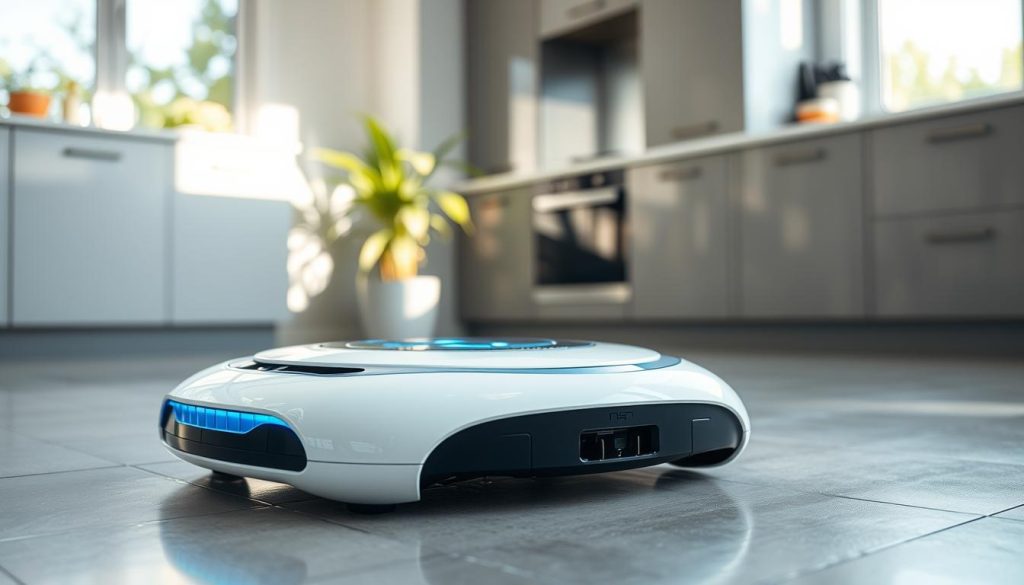
The short answer for upright, stick, cordless and robot units
Upright, stick, cordless and canister models are not rated to extract pooled liquid. Even small amounts may reach filters or electronics and cause faults or odour. For these models, avoid attempting suction of standing puddles.
Robot vacuum-mops handle light dampness and routine mopping tasks. They are not designed to remove pools or heavy spills. Treat them as surface cleaners, not extractors.
When damp is not the same as standing puddles
Damp means a thin film or slight residue that wipes away quickly. Standing puddles are pooled liquid that will flow into hoses and internals.
Use this simple threshold: if you can push the liquid into a puddle with a tissue or foot, it is pooled. Wipe or mop first, then use dry modes for final cleaning.
- Grey areas: wet tiles, condensation near AC units, and kitchen splashes often need wiping before any suction.
- Safer tools: microfiber cloths for quick spills, a mop for larger patches, or a wet-rated machine for extraction.
For practical guidance on limits and device care, see our detailed note on robot mop capabilities and uses for wet-dry devices at wet-and-dry vacuum tips.
Choosing the right device for wet cleaning in Singapore
When floods or leaks strike in Singapore flats, the device you pick determines how fast, and how safe, recovery will be.
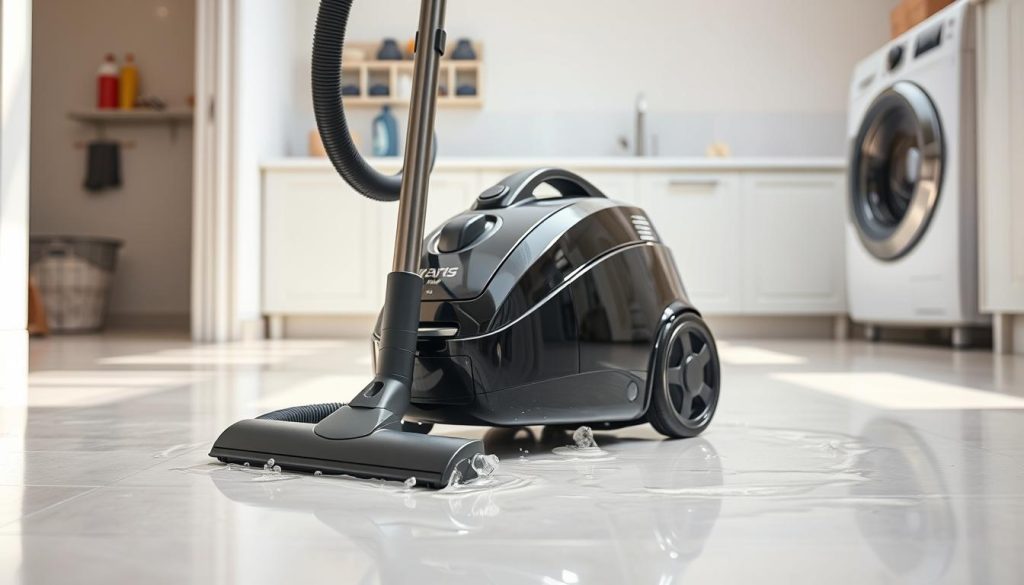
Which types suit each task
Dry-only units serve daily dust and debris. They are light and easy to store but are not rated for liquid extraction.
Wet-only machines are made to extract standing liquid from leaks, burst pipes, and minor flooding. They are compact and focused on extraction.
Wet dry vacuum models switch between dry and wet use. They suit households that want one versatile system for spills and regular cleaning.
Why wet dry systems are safer
Engineering matters: sealed tank design prevents leaks, insulated motors reduce electrical risk, wet-use filters trap moisture and float assemblies stop liquid reaching the motor.
Capacity, performance and trade-offs
Check tank size and emptying frequency. Larger tanks clear standing liquid faster but add bulk as they fill.
Wet dry vacuums deliver strong suction and power for extraction. Expect extra weight and more storage space compared with compact cleaners.
Choosing by lifestyle
- Families with children or pets: prefer wet dry vacuums for frequent spills.
- Ground-floor units: wet-only or wet dry models help after occasional ingress.
- Minimalists: a mop plus a compact dry unit often suffices.
| Type | Best for | Key safety features | Typical trade-offs |
|---|---|---|---|
| Dry-only | Daily dust, light debris | Fine filters, lightweight | Not rated for liquids, risk of damage |
| Wet-only | Leaks, small floods | Sealed tank, simple drain | Limited dry cleaning function |
| Wet dry vacuum | Mixed spills and routine cleaning | Insulated motor, float assembly, wet-use filters | Bulkier, heavier when tank fills |
Buying checklist: wet-rated specification, sealed tank, correct tools, manageable tank capacity, and a system that suits your likely use.
How to vacuum water safely with a wet and dry vacuum
The first step for any spill is to verify your wet/dry system supports liquid handling and to prepare it correctly. Safety first: switch power off before you change parts or fit tools. Check the manual or specification label for wet-use rating.
Check specs and set wet mode
Confirm the unit is rated for liquid pick-up. Set the control to wet mode while the plug is disconnected.
Fit the correct tools and filters
Install foam or wet-use filters and attach any squeegee-style nozzle or wide head. Remove dry bags or paper inserts if the design requires it. Using the right setup preserves suction and prevents internal damage.
Technique for hard floors
Work from edges to the centre to avoid pushing liquid into skirting or grout. Use steady passes and short overlapping strokes for efficient extraction.
Emptying, disposal and aftercare
Stop when the tank nears full — the motor sound and airflow change. Empty wastewater into a designated drain, not garden soil.
Rinse the tank, hoses and tools, then air-dry fully to prevent mildew and corrosion. Store wet and dry tools together so future cleaning is fast and consistent.
Conclusion
Key takeaway, our clear rule is simple and practical.
We stress that a dry vacuum cleaner and regular vacuum models handle dust and dry debris only. Attempting liquid pick-up risks electrical faults and costly failure of vacuums.
For small spills, wipe or mop. For pooled liquids choose a wet dry or wet dry vacuum rated for liquid use. These systems protect motors with sealed tanks and wet-use parts.
Using correct cleaners saves money, preserves warranties and keeps indoor air free from mould and stale odour. Follow wet-mode setup, empty tanks responsibly and dry components fully.
For filter care and step-by-step maintenance, see our filter care guide to keep your kit ready for everyday cleaning at home.

