
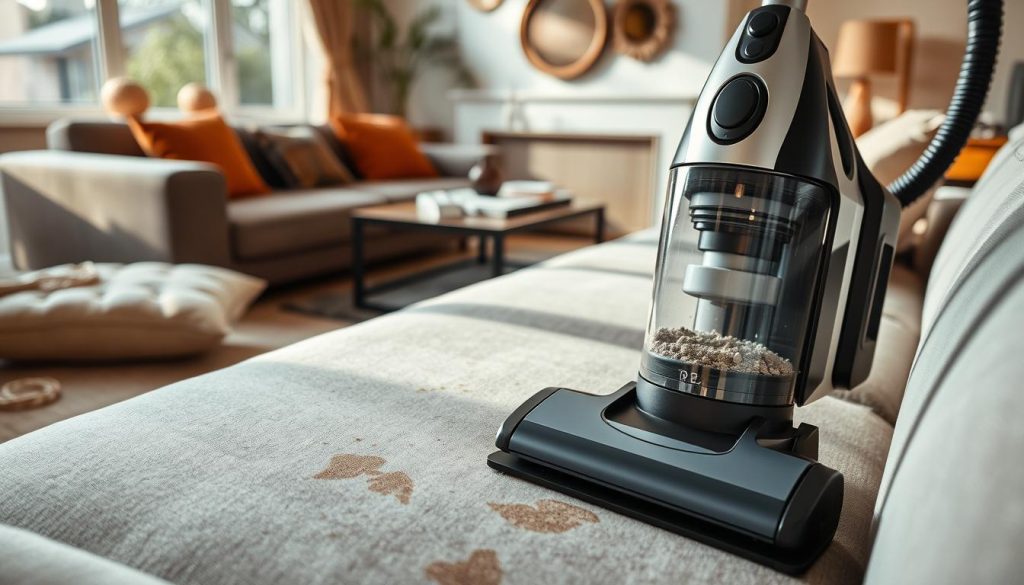
We present a concise guide for anyone in Singapore seeking a practical, budget-friendly option that handles spills and crumbs. This roundup clarifies what a cheap vacuum cleaner with water filter typically means today and what it does not promise.
We explain who benefits most: HDB flats, condos, families and pet owners who need quick daily resets after meals. We also compare wet dry models and traditional dry machines so you pick the right tool for your home.
Our selection focuses on value for money, sensible tank sizes, reliable suction, easy maintenance and noise levels for close-quarter living. We preview budget wet dry picks such as Simplus, Dibea H8, Dibea HC26 and Shark HydroVac, and note pet-focused options like Bissell and premium choices from Tineco.
Read on to learn how water-based claims work, what to watch for before buying, realistic Singapore price ranges and where to buy with warranty and returns in mind.
Why we recommend a vacuum cleaner with a water filter for Singapore homes
A single unit that handles spills and dust can save time in busy Singapore homes. Compact flats, short cleaning windows and frequent downpours mean we often need quick, effective solutions.
Handling wet spills and daily dust in HDB flats and condos
Wet dry models separate liquid from debris, so kitchen splatters and tracked-in grit do not re-circulate as dust. This makes routine cleaning faster and tidier on hard floors.
Why wet and dry vacuums are ideal for kids, pets, and high-traffic floors
For families, pet hair, crumbs and accidental spills arrive together. A wet dry vacuum reduces steps: we can pick up dry messes, rinse sticky residues and finish in one pass.
- Quick resets: entryways and dining areas recover faster after meals.
- Pet-friendly: removes fur and damp accidents more reliably than dry-only cleaners.
- Realistic trade-offs: expect slightly more weight and noise compared to basic models.
When most of your home is carpeted or spills are rare, a wet dry unit may be overkill. Choose based on your floors and daily routines to avoid unnecessary cost.
What “water filter” usually means in budget models today
We start by clarifying terminology. Budget labels that mention a water filter most often describe a two-tank system: a fresh tank and a dirty tank that traps debris in used water.
Wet and dry models in drum form use larger tanks for heavy jobs. They handle mop-style rinsing and larger spills but are bulkier to store.
Wet and dry stick models vs dry-only options
Stick wet and dry designs act as floor washers. They vacuum, mop and rinse in one pass. Owners add a small amount of cleaning solution to the fresh tank and refill often during heavy use.
Dry-only models still excel where rugs and upholstery need strong suction. They weigh less and remain easier for quick passes around chairs and stair edges.
When robot or cordless stick machines suit you better
Robot models are ideal for hands-off daily upkeep. They handle crumbs and dust across hard floors but rarely cope with liquid spills.
Cordless stick machines offer fast touch-ups and lighter maintenance than drum wet and dry units. Choose them if storage, speed and lower upkeep matter most.
| Type | Strengths | Trade-offs |
|---|---|---|
| Drum wet & dry | Large tank, handles big spills | Bulky, higher maintenance |
| Stick wet & dry | Vacuuming plus mopping in one pass | Smaller tanks, needs cleaning solution refills |
| Dry-only stick / canister | Stronger suction for rugs and upholstery | No wet cleaning capability |
| Robot vacuum cleaners | Automated daily cleaning, low-touch | Best for dry debris; limited wet performance |
Practical decision lens: match model to floor type, spill frequency, tolerance for tank emptying and brush washing, and storage space in Singapore homes.
What to look out for before buying
Smart buyers focus on a few core specs that decide real-world cleaning ease. We cover the practical points that matter in compact Singapore homes: tanks, suction, filters, noise, power source, tools and handling.
Tank capacity and water tank volume
Capacity affects how often you refill or empty. Smaller tanks are easier to lift and store in flats.
Look for separate clean and dirty tank volumes. A larger dirty tank suits bigger kitchens; a smaller setup works for quick daily touch-ups.
Suction power
Strong suction helps pull grit from grout and lift crumbs from rugs. Pa numbers give a guide, but real-world head design matters too.
High suction also improves edge pick-up on hard floors and helps with deep cleaning high-traffic areas.
Filter system and HEPA
HEPA benefits allergy-prone households by trapping fine dust. Check if filters are washable and available locally.
Noise level
Noise level matters in close-quarter living. Some brands add sound reduction for HDB-friendly use. We prefer sensible cleaning hours over louder high-power runs.
Cordless vs corded
Cordless offers reach and convenience; check battery runtime in minutes and realistic battery life per charge. Corded models give steady power for longer sessions.
Accessories and attachments
Useful accessories include edge heads, brush rollers and extension wands. Decide if branded cleaning solution is needed or if standard mixes will do.
Weight and design
Weight and compact design affect manoeuvrability and storage. Flat-folding heads help under sofas and along skirting boards.
“We weigh capacity against portability: smaller tanks win for compact flats; larger ones reduce refill time for bigger homes.”
| Feature | Practical effect | What to check |
|---|---|---|
| Tank capacity | Refill/empty frequency | Clean vs dirty litres, ease of emptying |
| Suction power | Grit and rug lift | Pa rating, head design, brush type |
| HEPA | Allergen control | Replaceable/washable, local availability |
| Cordless runtime | Coverage per charge | Minutes runtime, battery life, charge time |
For a deeper technical checklist and buying tips, see our buying guide.
Best cheap vacuum cleaner with water filter: budget picks we’d shortlist
Below are compact wet dry picks that balance runtime, tank capacity and everyday handling. We open each choice with a quick “who it’s for” line so you can match a model to home size and spill frequency.
Simplus Cordless Wet-Dry Vacuum Cleaner: best budget wet dry overall
Who it’s for: small flats that need reach under furniture and long runtime.
The Simplus offers 21,000 Pa of suction and a 50-minute runtime. Its clean/dirty tanks are 500ml/550ml and it folds 180° for low clearance cleaning.
What you give up: higher weight at 4.4kg and modest tank capacity versus larger drum models.
Dibea H8: strong value for tank capacity and easy self-cleaning
Who it’s for: apartment owners who prefer hassle-free maintenance.
The H8 pairs a 500ml/600ml capacity with a built-in self-cleaning cycle and up to 38 minutes runtime in auto mode. Suction is practical at 13,000 Pa for mixed floors.
What you give up: marginally lower suction power and slightly shorter runtime than top cordless models.
Dibea HC26: higher suction focus and larger tanks
Who it’s for: homes that prioritise wet cleaning and longer continuous runs.
The HC26 lists 700ml/700ml tanks and a bold suction figure. It has a longer handle for reach and about 38 minutes runtime in auto mode.
Note: verify real-world suction claims and warranty terms before purchase.
Shark HydroVac WD210SM: practical option for hard floors
Who it’s for: those who want low-odour daily maintenance on hard floors.
This model has antimicrobial brush rollers, a 500ml/360ml capacity, 2,700 Pa suction and 30 minutes runtime. It is a tidy choice for quick touch-ups.
What you give up: lower suction and smaller dirty tank than bigger models.
“We recommend confirming box contents at delivery — docks, spare rollers and filters can shift the effective price.”
| Model | Key spec | Practical trade-off |
|---|---|---|
| Simplus | 21,000 Pa, 50 min, 500/550ml | Higher weight, small tanks |
| Dibea H8 | 13,000 Pa, 38 min, 500/600ml | Lower peak suction, good maintenance |
| Dibea HC26 | 700/700ml, 38 min, long handle | Check claimed suction, heavier handling |
| Shark HydroVac | 2,700 Pa, 30 min, antimicrobial rollers | Smaller dirty tank, lower suction |
Best cheap wet dry vacuum for pet hair and family messes
Pet households face a unique mix of fur, stains and dander that routine cleaning tools often miss.
Bissell CrossWave X7 Cordless Pet Pro is our pick for mixed pet messes. This cordless wet dry vacuum offers up to 20,000 Pa of suction, a 30-minute runtime and a 4-hour charge time.
The clean tank holds 820ml and the dirty tank 420ml. Turbo Pet mode boosts suction and uses a formulated cleaning solution to tackle stubborn hair and stains on hard floors and rugs.
Where it works best: quick passes after feeding, frequent touch-ups on hard floors, and spot-cleaning rugs that trap pet hair.
- Suction that lifts embedded fur.
- Brush design that resists tangles.
- Easy emptying to avoid dust clouds in small flats.
Expect ongoing costs for cleaning solution refills, occasional roller care and filter upkeep to control odour and dust. For heavy shedding days, start with a dry pick-up pass, then run the wet dry cycle and empty the dirty tank promptly.
“Turbo Pet mode and larger clean tank make this model a strong choice for busy pet homes.”
Affordable “premium-style” upgrades worth considering if you can stretch
If you can stretch your budget a little, a handful of near-premium models bring smarter sensing and cleaner edges without a full price jump.

What “premium-style” means in practice: smarter dirt sensing, smoother manoeuvring, superior edge cleaning and easier maintenance. These features improve day-to-day cleaning rather than only adding a higher price tag.
Tineco Floor One Switch S7 Stretch
The Tineco model pairs a 1,000ml clean tank with a 720ml dirty tank and 22,000 Pa suction. Its iLoop sensor auto-adjusts suction and water flow to match soil levels.
Why it stands out: it converts to a stick vacuum and includes dual-side rollers for close-to-wall cleaning. Runtime is 50 minutes for floor washing and 70 minutes as a vacuum; charge time is about 4.5 hours.
Narwal S20 Pro
Narwal’s S20 Pro focuses on handling and edge performance. It weighs 4.27kg, offers 20,000 Pa suction and a 60-minute runtime, with a 3.5-hour charge time.
The triple-sided head, AI Dirt Sense and flat-fold reach make it easy to clean edges and tight corners. It also supports hot-water mopping for tougher soils.
Dyson wet and dry options in Singapore
Dyson models command higher prices due to cyclonic engineering, R&D and a lighter, more compact design. Typical V12s-style wet heads list smaller water capacity (around 300–360ml) but strong suction and advanced filtration.
Who benefits: allergy-conscious households that need HEPA-level filtration and a lighter stick design for easy storage in HDB flats.
“Premium-style upgrades buy smarter sensing and refined design—not just a bigger price tag.”
| Model | Key specs | Notable benefit | Trade-off |
|---|---|---|---|
| Tineco S7 Stretch | Clean 1,000ml / Dirty 720ml; 22,000 Pa; 50–70 min; 4.5h charge | iLoop auto-sensing; switchable to stick vacuum | Higher cost; larger footprint |
| Narwal S20 Pro | Clean 790ml / Dirty 720ml; 20,000 Pa; 60 min; 3.5h charge | AI Dirt Sense; triple-edge cleaning; hot-water mopping | Mid-weight at 4.27kg |
| Dyson V12s series | Clean ≈300ml / Dirty ≈360ml; ~60 min; 3.5h charge; HEPA on Detect | Lightweight design; advanced cyclonic suction and filtration | Smaller capacity; premium price |
How to decide if stretching makes sense: match the model to your cleaning frequency, allergy sensitivity and storage limits. If you need smarter sensing, better edge cleaning and a two-in-one stick option, these upgrades are worth considering for Singapore homes.
Price guide for Singapore: what “cheap” can realistically mean in 2026
To budget sensibly in 2026, we set out clear price brackets by product type and use case.
Entry-level benchmarks by category
Dry cordless stick: branded models span a wide price range during promotions, with entry lines costing less.
Canister / dry vacuum cleaner: reliable canisters sit in a moderate price band, per Electrolux ranges.
Robot models: basic robot vacuum cleaners from recognised brands carry a moderate price tag.
Wet & dry floor washer: wet & dry units typically sit higher in price due to added parts and power demands.
How to pick your budget
Smaller flats favour portability and battery runtime over tank capacity. Larger homes benefit from bigger capacity and longer minutes of runtime.
Hard floors justify spending more on wet & dry models for sticky spills. Carpeted homes often need stronger dry suction instead.
“Check delivery, included accessories and refill costs—headline deals can add hidden expense at checkout.”
| Category | Entry pricing | Main trade-off |
|---|---|---|
| Dry cordless stick | Varies | Portability vs suction power |
| Canister | Varies | Storage size vs steady power |
| Robot vacuum cleaners | Varies | Convenience vs wet performance |
| Wet & dry | Varies | Complexity and capacity vs multi-tasking |
Choosing the right type for your floors and routine
Choosing the right tool starts with matching your daily routine and floor types, not the flashiest spec sheet. We build a simple framework so you choose by tasks, not brand claims.
Hard floors: deep cleaning, sticky spills, and edge performance
For tiled or wooden floors, a wet dry machine handles sticky spills and tracked-in grit best. Its wash cycle helps with stubborn spots and gives a more thorough deep cleaning than a dry pass.
Edge cleaning matters. Look for a head that reaches skirting boards and corners to remove dirt and dust effectively.
Dry messes vs wet messes: when a dry vacuum still wins
A dry vacuum cleaner is lighter, faster and easier for crumbs, dust and rugs. For upholstery, stairs and quick touch-ups, a dry-only design saves time and maintenance.
Canister models excel at deep cleaning and offer strong suction plus useful attachments for curtains, sofas and crevices.
Busy households: when robot models make more sense than wet dry
Robot vacuum cleaners save time on daily upkeep. They keep floors free of crumbs and dust so you only need an occasional wet dry pass for spills.
Our practical tip: combine tools — a robot for routine maintenance and a wet dry for spot wash-ups — to avoid over-buying one do-it-all machine.
“Match the machine to your routine: maintenance tools plus a targeted washer deliver the best results for most Singapore homes.”
Where to buy in Singapore and what to check before delivery
Smart shopping in Singapore weighs delivery speed, warranty clarity and included accessories before price.
Shopping platforms and official stores
We compare official brand stores against marketplaces such as Lazada, Shopee and Amazon. Official retailers often include free shipping, verified warranty support and authentic spare parts.
Marketplaces can offer flash promos and bundles. Check that extras—spare brush rollers, replacement hepa filter cartridges and cleaning solution packs—are genuine and listed in the product description.
Pre-purchase checklist you can run in two minutes
Confirm stated runtime and minutes per charge, realistic charge time, tank capacity and weight. Check whether a dock or self-clean function is included for wet dry and cordless models.
Quick test: note battery minutes and expected battery life, and ensure the seller lists included accessories before you commit.
Delivery, returns and ongoing costs
Check delivery windows, box dimensions for small flats, and whether liquids ship to Singapore. Record an unboxing video to document condition on arrival.
Understand returns policy: what counts as “used” and how to claim warranty. Budget for recurring costs: replacement hepa filter parts, brush roller wear and cleaning solution refills over time.
“Prioritise warranty coverage and authentic spare parts when promo prices look too good to be true.”
For a route that balances support and local delivery perks, consider buying from official brand stores or trusted retailers such as official retailers.
Conclusion
Finally, we boil the guide down to simple rules for choosing the right machine.
For many Singapore homes, a budget wet & dry option handles dust and spills in one pass. If your floors are mostly hard and spills are frequent, a wet dry vacuum is efficient and saves time.
Choose dry vacuum cleaners if you need lighter weight for rugs, upholstery or stair runs. Pick a robot vacuum to automate daily upkeep when time matters most.
Non-negotiables: match capacity to your flat, check realistic runtime and confirm the filtration approach for dust or allergy concerns.
Before you buy, verify warranty, delivery terms and the cost or availability of consumables. For a deeper look at how water systems work, read about water filtration vacuums.
Make a confident final pick by matching suction, capacity and design to your routine—then enjoy cleaner floors with less fuss.

