
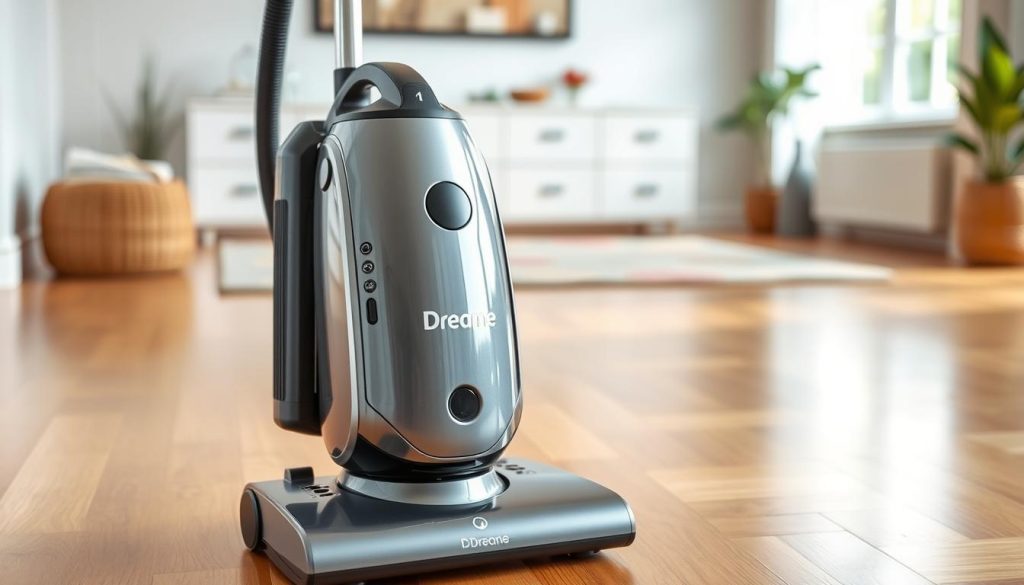
We introduce what an old vacuum cleaner with water tank means today. In our view, it is an earlier-generation design that uses a reservoir to trap debris and damp spills. We clarify limits and benefits versus modern wet–dry models.
Our testing in Singapore focuses on daily cleaning of hard floors, quick spot-cleaning after meals, and managing humidity-related odour risks in any reservoir system. We evaluate usability, performance on hair and crumbs, wet spill handling, edge cleaning and transitions to rugs.
We aim to help readers decide whether to keep, repair, buy used or replace. Our view uses clear criteria: cleaning results per minute, effort to maintain, hygiene, parts availability and buyer confidence signals like free shipping, warranty and secure checkout that brands such as Tineco highlight. Later, we compare results to Tineco FLOOR ONE, iFLOOR and PURE ONE series, and to the Carpet One Cruiser.
Who this old vacuum cleaner with water tank is for in Singapore homes today
We explain which households find a wet dry system genuinely useful and when a dry-only device is a smarter pick.
What a wet dry system changes in use
Wet dry capability means a machine can pick up small spills and give a mop-like finish while it suctions. That is helpful in kitchens and dining zones.
Trade-off: managing the reservoir adds rinse and empty steps that a dry vacuum cleaner owner never faces.
Best homes and surfaces
Hard floors and hard floor tiles benefit most from a wet dry pass. Area rugs and thicker carpets often remain better served by a dedicated dry design.
For HDB flats and compact condos, choose a model that fills and empties cleanly and stores upright to avoid drips in narrow corridors.
When we’d still pick a cordless option
We favour a cordless vacuum cleaner or cordless stick vacuum when quick, frequent dry picks matter: stairs, sofas and ceiling corners.
If tank setup slows you down, a stick vacuum cleaner gets used more often and keeps a home consistently tidy.
| Home type | Best use | Recommendation |
|---|---|---|
| HDB flat | Daily crumbs, occasional spills | Wet dry if compact and easy to empty |
| Condo | Open-plan kitchens, short passes | Wet dry for floors; cordless for fast touch-ups |
| Homes with rugs | Area rugs and carpets | Dry vacuum or cordless stick vacuum preferred |
| Families with kids/pets | Frequent spills and hair | Wet dry for spills; pair with dry vacuum for hair |
Design, water tank capacity and day-to-day usability
Practical layout choices shape how usable a unit is in a small Singapore home. We look at fill ports, seals and how confident we feel carrying the device from tap to floor without drips.
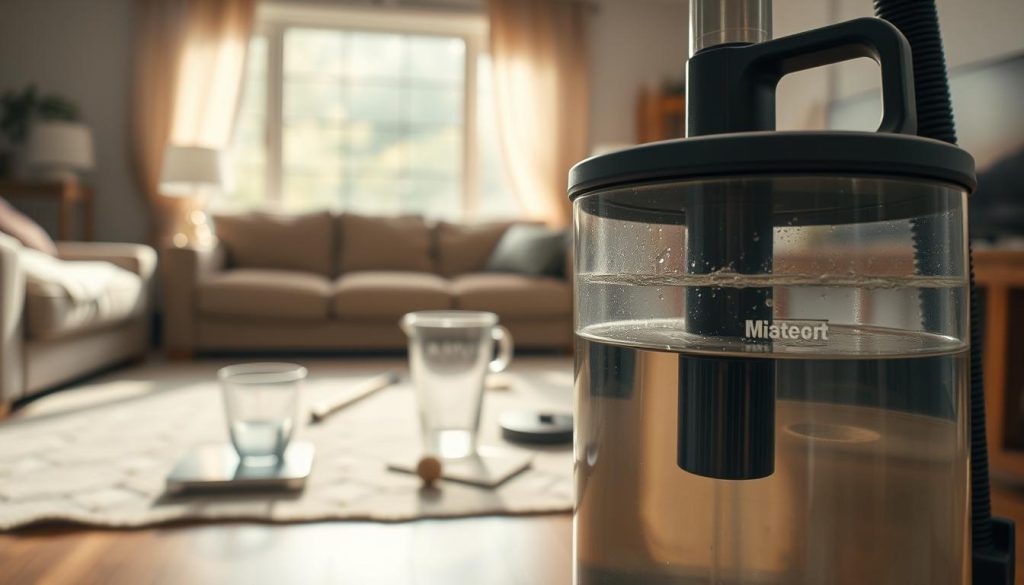
Water port, capacity and spill resistance
The position of the water tank fill port matters. A top-mounted cap that seals tightly makes carriage simple. We note how far one fill goes: typically a kitchen plus living pass before capacity forces a pause.
Emptying should be fuss-free. A wide mouth and smooth corners make rinsing easy and stop debris clinging to the interior. Older seals can drip on tight turns; a good design resists that.
Dustbin capacity and mixed-use separation
Clear separation between wet and dry chambers reduces mess. Adequate dustbin capacity means fewer stops when alternating wet dry tasks. We prefer detachable bins that are easy to inspect and rinse.
Handling, noise and ongoing care
Low head clearance and a responsive pivot help edge cleaning along skirting boards. Brush design should limit hair wrapping so maintenance is quick.
Weight, noise and storage footprint are practical deal-breakers for flats. Regular care—rinsing the reservoir and checking seals—keeps performance steady over months.
Our performance tests on common messes
We ran hands-on tests across common household spills and messes to see how the unit performs in real rooms.
Hair pick-up on hard surfaces
We tested strands on tile and laminate. In one pass the device gathered loose hair well, but clumping required a second run in some spots.
Observation: hair sometimes stayed near skirting edges rather than lifting cleanly, so an extra guided pass helps. A tineco carpet one or similar brush design reduces this issue on fibres.
Wet spills and sticky marks
For small water and light beverage spills the wet dry function picked up liquid rather than pushing it forward. Floors felt only slightly damp after a pass.
Note: dried sticky residue needed a couple of passes or a pre-soak. If speed matters, a dedicated floor cleaner or a steam cleaner gives a faster, streak-free finish for stubborn marks.
Fine dust and everyday crumbs
We scattered flour-like dust and crumbs along grout lines. The dry vacuum mode captured most grit but scattered some when suction or brush speed lagged.
Tip: run a slower pass over grout. A dedicated dry vacuum cleaner still outperforms on deep grout extraction.
Transitions to rug and carpet
Moving from tile to a low rug exposed limits. Pile trapped residue that this design struggled to extract deeply.
“For true carpet extraction, a Carpet One-style machine like the Tineco Carpet One Cruiser is built to outperform on fibres and deep dirt.”
- Workflow: switching between wet dry and dry modes is workable but adds steps.
- When carpets need deep cleaning, use a carpet specialist rather than relying on one multi-mode pass.
Maintenance, self cleaning and parts availability
Regular upkeep is the unsung factor that keeps these machines hygienic and effective.

Cleaning the reservoir and internal pathways: odour and hygiene checks
In Singapore’s humid climate we advise rinsing the reservoir after every wet pass and drying it fully within a few hours. If dirty water sits, smells can develop in 24–48 hours.
Check for slime, residue and trapped fibres at seams. Inspect tubes and valves; if pathways are hard to reach, microbial build‑up is likely unless you disassemble parts.
Self cleaning expectations vs reality
Many units offer a self cleaning rinse for the roller or channel. In practice, this helps remove loose debris but rarely disinfects or fully removes hair.
Plan time for manual rinsing. The time cost of maintenance often equals or exceeds the minutes saved on one mop pass.
Replacement parts and accessories
Availability of spares matters. A listing such as Dibea’s “FS007 WATER TANK” and the option to view all 4 products signals continued support for parts like tanks, rollers, filters and seals.
For used purchases, confirm model number, check for cracks and seal wear, and verify that consumables and accessories are sold locally or can be shipped. If parts are available, ongoing ownership is less risky.
For step‑by‑step rinse guidance, see our easy cleaning steps.
Value for money and how it stacks up against newer products
Value hinges on everyday use — not the sticker price but how often you actually reach for the device. We weigh upfront cost against maintenance time, parts risk and whether the machine truly shortens cleaning chores.
Benchmarks from modern wet dry ranges
Modern floor one and iFLOOR ranges like Tineco FLOOR ONE and iFLOOR deliver more refined seals, smarter brush systems and clearer accessory ecosystems. These improvements cut rinsing and clog checks.
When a smart cordless stick makes more sense
For homes that need quick grabs — crumbs, hair and light dust — a smart cordless stick or a Pure One/Station model often gives better value. A cordless stick vacuum is easier to store, quicker to start and fits compact Singapore flats.
Buying confidence: warranty, returns and shipping
We prioritise clear signals: a two‑year warranty, a 30‑day return window and a secure checkout promise. Transparent shipping terms or free shipping offers reduce risk for Singapore buyers.
If you want to judge long‑term worth, view official listings and accessories to confirm spare parts and service support — consumables matter more than specs.
“Warranty length, returns and clear shipping are often the deciding factors for ownership value.”
For context on whether a higher price can be justified, see our note on products that are worth the money.
Conclusion
Our final view weighs daily convenience against maintenance and long‑term support.
Keep this unit if you clean hard floors often and will rinse, dry and store parts every time to avoid odour. If performance and seals remain strong, ownership can stay cost‑effective.
Replace it if you need fast, frequent dry picks, dislike ongoing upkeep, or struggle with weight, noise or storage. Modern products can save time and improve consistency.
Key trade‑off: water‑based cleaning can brighten tiles but it demands hygiene discipline and access to spare parts.
Decide: keep (if reliable), repair (if a part restores function), or upgrade (if new models cut chores). Non‑negotiables for any purchase are clear returns, a meaningful warranty and trustworthy checkout/shipping.
Match the machine to your dominant mess type, home layout and how often you’ll actually use it. For tips on less obvious uses, see our note on unusual uses for your wet-and-dry device.

