
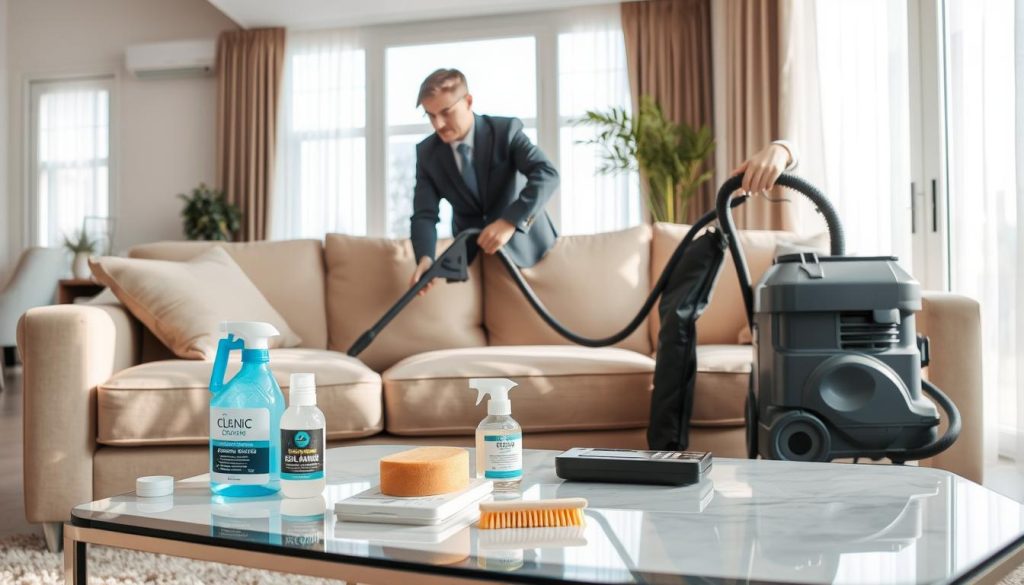
We introduce what this wet filtration device is and set clear expectations for homes in Singapore.
In plain terms, suction draws dirty air into the machine. Liquid captures dust and microbes, much like rain washing particles from the breeze.
Many models add a HEPA stage after the tank to trap any stray particles or droplets before exhaust. This gives fresher exhaust air and may improve perceived indoor air quality without promising medical benefits.
We will explain why this approach matters locally — humid flats, dust mites, high-rise living and haze seasons — and contrast it with bags, cyclones and stick machines.
Read on and we will cover components, stages of filtration, correct use, maintenance and buying tips so you can choose the right unit for your home.
Key takeaway 1: Wet capture plus HEPA can reduce expelled particles and improve comfort.
Key takeaway 2: Proper use and upkeep are essential for performance in Singapore conditions.
What a water filter vacuum cleaner is and why Singapore homes are considering it</h2>
Many households now choose a unit that traps airborne dirt in a water chamber rather than in a bag. This design uses liquid as the main capture medium, so visible debris, hair and odours often stay in the tub instead of the exhaust.
Water capture versus vacuum-and-mop machines
Water capture treats incoming air by passing it through a basin where particles become heavy and drop out. The difference to vacuum-and-mop devices is clear: the latter use water to scrub floors, not to clean the intake air.
Buyers should not confuse the categories. One focuses on containment of airborne matter. The other focuses on surface washing.
Who benefits most
Pets, haze-prone residents and allergy sufferers often gain the most. Pet hair and odour tend to be held in the tank, which reduces re‑release during cleaning.
Families with dust‑mite sensitivity or breathing irritation during haze seasons may prefer units that combine the wet stage with a HEPA post‑stage for added protection.
| Feature | Water capture | Vacuum-and-mop | Bagged/cyclone |
|---|---|---|---|
| Main capture medium | Liquid basin | Cleaning solution on floor | Bag or cyclone chamber |
| Odour control | Good for pet odours | Surface cleaning only | Depends on bag seal |
| Maintenance | Empty and rinse after use | Refill tanks and mop pads | Replace bags or wash bins |
How does a water filter vacuum cleaner work in practice</h2>
Let us follow the airflow journey step by step to see where dust and particles finish their trip.
From nozzle to tank: The floor head and hose draw in air and loose debris. That stream passes into the collection basin where motion and contact change the behaviour of particles.
What the basin does
When the incoming air meets the water, fine dust collides with droplets and becomes heavier. These grains sink and stay suspended in the dirty water rather than floating back out.
The role of suction
Strong suction and turbulence keep airflow fast enough for particles to reach the bath. Without proper suction power the separation is less effective and visible carry‑over may occur.
Why a HEPA stage still matters
Many designs use a post‑stage HEPA filter to catch any remaining fine dust or tiny moisture droplets. This reduces exhaust emissions and gives fresher air in the room.
Expectations: Performance depends on correct water level, sealed lids and intact seals. Good upkeep keeps the system working as intended.
Core components that make the water filtration system work</h2>
Core parts inside the canister decide whether dust stays put or escapes back into the room. We will briefly list the elements you handle most and why each matters in daily use in Singapore flats.
The motor and suction power that drives the swirl
The motor creates the suction that spins the liquid into a swirl. This keeps particles colliding with droplets so they sink rather than float back out.
Tank, inlet position and Min/Max fill lines
Fill between the Min and Max markers. Keep the inlet under the surface to maintain capture. Low fill reduces capture; overfill risks spills in small HDB spaces.
Seals, lid locks and hose connections that prevent leaks and allergen escape
Check that the lid clicks fully and that seals show no cracks. A loose lid or worn hose port can let fine allergens bypass containment and leak during use.
- Handle the canister rather than yanking the hose to protect connections.
- Rinse the tank after use and inspect seals regularly.
- Replace worn hoses to keep the unit airtight and maintain suction power.
| Component | Function | User action | Risk if ignored |
|---|---|---|---|
| Motor | Generates suction for swirl | Run at recommended settings | Reduced capture, poor cleaning |
| Tank & fill lines | Contain debris in liquid | Fill to Min/Max; keep inlet submerged | Spills or carry‑over |
| Seals & lid | Maintain airtight path | Ensure secure lock after refit | Leaks and allergen escape |
| Hose ports | Air path to canister | Handle gently; inspect for damage | Loss of suction; dust release |
Understanding filtration stages: water filter, intermediate filter and HEPA</h2>
Think of the system as three checkpoints: coarse capture, mid-stage polishing and final HEPA sealing. Each stage handles specific debris so fewer irritants return to room air during routine cleaning.
Main stage for coarse dirt and visible debris
Main capture handles large grit, hair and visible dirt. Transparent tanks, like the Kärcher DS 6, let us confirm coarse capture at a glance. This builds user confidence and shows when the basin needs emptying.
Washable intermediate or foam stages for fine airborne particles
Moist airflow can still carry tiny grains. A washable foam or intermediate element acts as the bridge. We favour washable designs for frequent use in humid Singapore, since they tolerate repeated rinsing and restore suction quickly.
HEPA performance for pollen, spores, bacteria and mite debris
HEPA finishes the job. A HEPA 12, for example, traps 99.5% of pollen, fungal spores, bacteria and dust‑mite excretions. This reduces ultra‑fine particles that matter to allergy sufferers.
Why wet‑safe HEPA designs matter
After the main stage the air may be moist. HEPA modules for this system are built to tolerate damp conditions without losing capture efficiency. That wet‑safe design separates these units from typical dry-only HEPA setups and explains better outcomes in humid flats.
- Staged filtration prevents carry‑over of coarse and fine residues.
- Transparent basins aid maintenance and trust.
- Washable intermediates suit frequent rinsing and reuse.
- Wet‑rated HEPA secures ultra‑fine allergens and bacteria.
What improves indoor air quality when we use water-based vacuums</h2>
When airborne solids meet a liquid bath, they tend to stick and fall rather than float away.
Reducing re-release of dust and allergens back into the air
Binding particles to liquid cuts the chance of fine grit and pet dander becoming airborne again during use or when the bin is emptied.
That binding action acts like rain washing the breeze. Small grains and many allergens attach to droplets and sink to the basin.
Why exhaust air can feel “fresher” after vacuuming
Less dry dust in the outlet means fewer visible specks and fewer odours. Manufacturers report exhaust that can be up to 99.5% dust-free, which users describe as noticeably fresher.
In Singapore, where we ventilate less in hot or hazy conditions, reducing cleaning-related airborne material matters for comfort and for those with allergies.
Key takeaway: Water-based appliances with good seals and routine upkeep can improve indoor air quality by limiting re-release of dust and allergens, though they are not a permanent removal of all particulates.
| Benefit | What it reduces | User action |
|---|---|---|
| Bind and sink | Dust, hair, dander | Keep inlet submerged; empty after use |
| Polish stage | Fine particles and droplets | Replace or wash intermediate elements |
| Sealed exhaust | Odours and re‑emitted grit | Check seals; fit HEPA if present |
How to set up and use a water filter vacuum cleaner correctly</h2>
Before you start, we set up the canister so it stays stable and seals correctly during cleaning. This prevents spills in tight corridors and keeps suction at design levels.
Filling the tank and keeping the inlet submerged
Fill between the Min and Max marks and confirm the inlet sits below the surface. Lock the lid until it clicks and attach the hose securely.
Choosing the right attachment
Use hard floor heads on tiled surfaces and soft brushes for delicate areas. Crevice tools reach skirting gaps and sofa seams without disturbing padding.
Managing suction and power
Adjust suction for each surface. Higher suction suits embedded grit; reduce power for rugs and lightweight mats to avoid snagging.
Wet and dry pickup, and clog prevention
Pick up large debris first and avoid overfilling. Stop if airflow drops or splash-up appears. Keep hair away from the inlet and check the basin mid-session.
- Setup checklist: fill to line, confirm inlet submerged, lock lid, connect hose.
- Tip for flats: move the canister gently under furniture and through narrow areas to prevent tipping.
How to clean and maintain the vacuum after each use</h2>
A fast, consistent tidy‑up after each session stops bacteria and mould from taking hold in the basin. We recommend a 5–10 minute routine that prevents odour and keeps suction at design levels.
Empty dirty water immediately
Empty straight away. Pour the spent liquid near a floor drain or service area, using a steady grip to avoid spills in small flats. Leaving water for days invites unpleasant smells and bacterial growth.
Rinse the tub and wash washable parts
Disassemble the basin, rinse thoroughly and use a hose if possible. Wash foam or intermediate elements under running water until clear.
Do not soak the motor casing. Wipe the motor section with a damp cloth and keep electrical parts dry at all times.
Drying and storage for humid climates
Air‑dry parts fully before reassembly. In Singapore humidity, avoid sealing damp pieces in cupboards; use a well‑ventilated service yard or balcony where possible.
If items still feel slightly damp after air‑drying, leave them uncovered overnight before fitting back together to prevent mould and protect long‑term quality.
- Quick sequence: empty bin, rinse tub, wash foam, dry parts, reassemble.
- Spill minimiser: empty near a drain and keep the motor upright and dry.
- Time expectation: plan 5–10 minutes each time to avoid bigger cleaning jobs later.
For step‑by‑step guidance and safety tips, see our detailed routine at easy cleaning steps.
Suction power and cleaning results: what to expect over time</h2>
We find that many water-based units keep steady pull until something blocks the airflow. This means performance rarely fades in small steps; it stops or slows when passages clog.
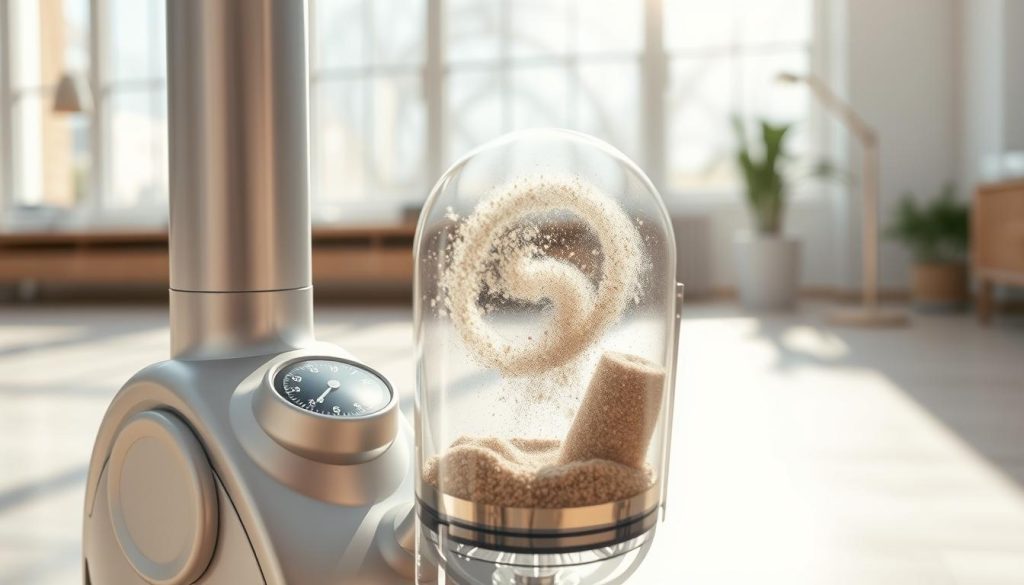
Why stable pull holds until obstruction
Stable suction happens because the wet basin continues to separate particles effectively while the motor runs at rated power.
Only when hair, fibres or crusted dirt gather in the inlet or hose does airflow become restricted and separation worsens.
Common causes of reduced performance and quick fixes
- Clogged nozzle or brush head — clear visible debris first.
- Blocked hose — detach and check for obstructions or compacted pet hair.
- Over‑dirty basin or saturated intermediate element — empty and rinse the tank and wash washable parts.
- Incorrect water level — confirm Min/Max to maintain effective swirling.
| Issue | Symptom | Quick fix |
|---|---|---|
| Nozzle clog | Low pickup on floors | Inspect head; remove hair and debris |
| Hose blockage | Weak airflow, rattling | Detach hose; clear obstructions |
| Saturated intermediate filter | Reduced separation, moist exhaust | Wash or replace element; dry fully |
| Dirty basin | Poor capture, odour | Empty and rinse after each session |
Realistic expectations: strong suction aids dust and dirt capture, but technique and upkeep determine long-term cleaning quality. We recommend regular checks to avoid build‑ups and preserve performance over time.
Water filter vacuum cleaner vs stick vacuums for daily cleaning</h2>
Small flats demand practical trade-offs between portability and containment. We weigh speed, storage and allergy control so you can decide which suit your routine.
Portability and speed versus deep allergen capture
Stick models win on grab-and-go convenience. They are light, quick for crumbs and ideal for daily spot work.
Canister and water filter vacuum designs usually feel more powerful and capture visible dirt and many allergens better. Expect larger size and post-clean maintenance.
Cable length, manoeuvrability and storage in smaller flats
Long cables reduce unplugging; some units offer 10 m leads. Corded canisters need route planning around furniture in HDB flats.
- Sticks: fast, easy to store, good for tiled floors.
- Canisters: deep containment, better for allergy sufferers on weekly deep cleans.
- Many households keep both for routine and deep sessions.
“We find a stick for daily touch-ups and a canister for thorough weekly cleaning makes practical sense.”
| Aspect | Stick | Canister |
|---|---|---|
| Portability | High | Moderate |
| Containment | Moderate | High |
| Storage footprint | Small | Larger |
For further reading on the broader technology and our buying choice, see our water filtration guide.
Water filter vacuum cleaner vs bag and bagless vacuum cleaners</h2>
We choose between sealed disposal, open cups or wet containment based on hygiene, cost and day‑to‑day handling.
Bagged systems: hygiene, disposal and ongoing consumable costs
Bag models trap dirt inside replaceable bags. That makes removal tidy and reduces direct contact with dust.
Trade‑off: you pay for bags over time and must store spares if you prefer neat disposal.
Bagless cyclones: separation and when suction drops
Bagless cyclones spin debris into a clear cup. Emptying that cup can release dust plumes if done indoors.
Suction often falls as stages and filters load, so users must clean the cup and washable parts frequently.
Where water filtration sits for containment and smell control
Our middle path uses wet capture so dirt binds in liquid rather than staying dry in bags or cups.
Benefit: odours from pet hair and food residue are reduced when we empty promptly.
Practical note for Singapore: humid flats make timely emptying and drying vital to avoid lingering smells.
| System | Containment | Disposal |
|---|---|---|
| Bag | High | Replace and bin |
| Bagless | Moderate | Empty and rinse |
| Water-based | High | Pour and rinse immediately |
Pros and cons we should weigh before buying a water filter vacuum</h2>
Weighing benefits against commitments helps buyers decide if this model fits daily life in Singapore.
Advantages
Visible capture: We can see the dirty water and confirm that grit and pet hair stay put. This builds trust during use and shows when emptying is due.
Fewer odours: Without a smelly bag, exhaust often smells fresher. Some models even allow light scenting with essential oils, but use these sparingly in allergy‑sensitive homes.
Wet pickup: Many units handle spills and damp messes that dry machines cannot, improving cleaning flexibility.
Trade-offs and maintenance
These machines tend to be heavier and bulkier than sticks. Upfront cost is often higher but may reduce consumable spends over time.
Every session needs a quick tidy: empty, rinse and dry. That takes extra time, yet prevents odours and loss of quality.
Potential risks
Spills can be messy in narrow corridors. If we leave carpets damp after use, humidity rises and mould may follow. Always dry surfaces promptly and avoid overfilling.
| Factor | Benefit | Consideration |
|---|---|---|
| Visible capture | See dirt and dust in basin | Empty when murky |
| Odour control | Fresher exhaust, optional scenting | Avoid oils if allergic |
| Wet pickup | Clean spills and damp carpets | Dry quickly to prevent mould |
| Size & weight | More power and containment | Bulkier to store and move |
Decision note: If our routine supports brief after‑use care and we value visible results and wet pickup, these cleaners can suit many homes. If time or storage is tight, simpler stick options may fit better.
Choosing the right model and features for Singapore households</h2>
Selecting the right model means balancing tank size, carriage weight and staged filtration for typical HDB life. We favour units that match lift access, storage and how often we will deep‑clean.
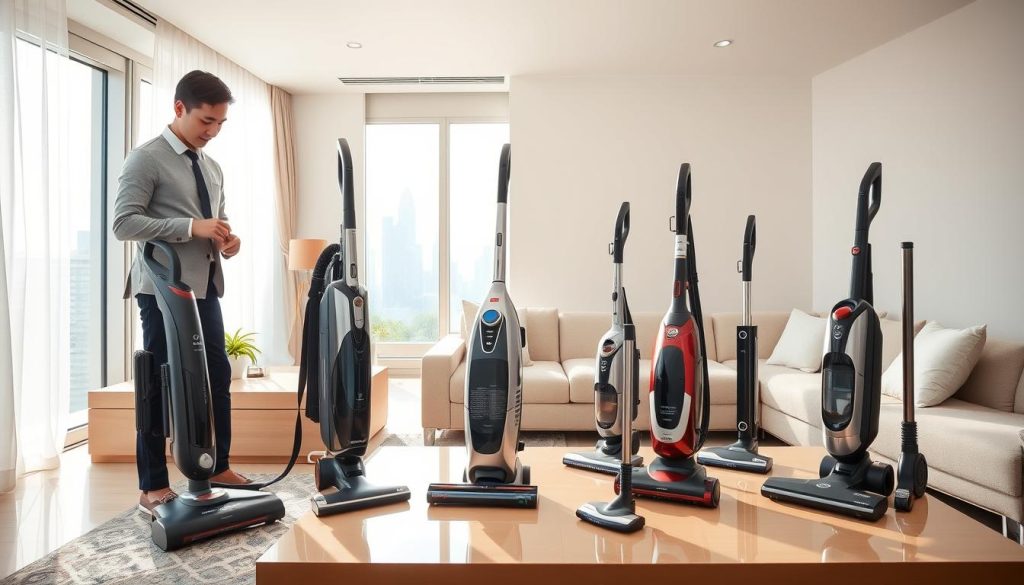
Canister versus upright designs for tight layouts
Canister designs suit homes that need stable tanks and larger capacity. They handle water weight more safely and often offer stronger suction.
Uprights are handy for quick passes and small storage spaces, but usually carry smaller tanks and require more frequent refills.
Must-have features for allergies
Multi-stage filtration (tank + washable intermediate + HEPA) is essential to reduce allergens and improve exhaust. Look for wet‑safe HEPA modules such as HEPA 12 found on some premium units.
Capacity, weight and warranty
Choose tank size that reduces refill frequency yet remains lift‑friendly. Check warranty length and local service; long warranties add long‑term value.
Practical extras that make daily use easier
- Suction adjusters for rugs and curtains
- Blower function for balconies and corners
- Telescopic tubes, cord rewind and parking positions
| Consideration | Impact | User action |
|---|---|---|
| Capacity | Less refilling | Match to home size |
| Weight | Ease of carry | Test lift in stair access |
| Warranty & parts | Long-term value | Confirm local support |
Conclusion</h2>
Conclusion. We finish by saying suction pulls room air into the canister, the liquid stage traps dust and debris, and a post-stage polishes the exhaust so the room smells and feels fresher.
This design suits households in Singapore that manage pet odour, haze‑borne particles and allergy triggers. We find benefits strongest when users commit to prompt emptying and rinsing after each run.
Key rule: keep fill lines correct, check seals and lock lids, then empty and rinse immediately to protect results and air quality.
If daily speed matters, a stick suit us; if containment and calmer indoor air matter more, consider a water filter vacuum. Next, shortlist models with multi-stage filtration, wet‑safe HEPA and serviceable parts, and match capacity and weight to your storage and routine.
For model examples and technical notes, see our guide to water filter models.

