

We answer the search intent clearly: this device combines suction plus liquid pick-up so you reset floors fast after meals or spills. In busy Singapore lives, where many of us work roughly 42 hours weekly, shaving minutes from chores matters.
Our guide is practical: we explain how the appliance works, show correct use, and help you pick one without overpaying for needless features. Expect tips for mixed messes — crumbs with spills — and compact flats that need quick resets.
The “one pass” benefit reduces tool switching — no separate mop, bucket or cloth most of the time. That trims routine duration so whole-home cleaning can fit into a short slot between tasks, saving precious time.
Later sections compare wet-only, dry-only, and combined models so you can decide if this device fits your home. For extra, practical uses and clever hacks, see our piece on unusual uses.
Why wet dry cleaning matters in Singapore homes right now
We live busy lives. Most of us work long weeks, so short cleaning rounds matter. In this context, wet dry tools help us keep living spaces presentable with minimal fuss.
Busy schedules and faster whole-home results
Quick rounds that fit weekday life
A five to ten-minute reset after dinner or before guests gives immediate results. Wet dry models let us remove crumbs and spills in one pass, so we avoid lengthy mop-and-bucket sessions.
Humidity, compact layouts, and grime
Why floors show wear faster here
Singapore’s humidity and frequent rain mean wet grit and sticky residue build up on floors. Compact HDB flats and condos also concentrate messes, so frequent short cleans beat rare, long ones.
One appliance instead of several
Space-saving, practical household use
Storing fewer items saves space and reduces friction that stops us from cleaning. Cordless wet dry vacuum options make manoeuvring around furniture easier and speed up routine tasks.
For recommendations suited to local homes, see our concise buying guide: best wet dry vacuum choices.
What does a wet and dry vacuum cleaner do
Here we outline how a single machine can lift dry debris and liquid messes without switching tools.
Direct definition: this two-in-one floor washer removes loose debris and liquid spills in one cleaning route, so we do not need to vacuum first then mop. That one pass approach keeps crumbs, grit and sauce drips from spreading across surfaces.
Best use areas: sealed hard floors in kitchens, dining areas and pet corners are where performance shines. Fur tumbleweeds, water-bowl splashes and food spillages are classic mixed messes this unit handles well.
When a dry vacuum cleaner is enough: if our home mainly holds dust, dry dirt and dry debris with hardly any spills, a regular cordless dry vacuum may be simpler and lighter to store. A combined unit is not automatically a deep carpet-cleaning replacement unless the model lists that capability.
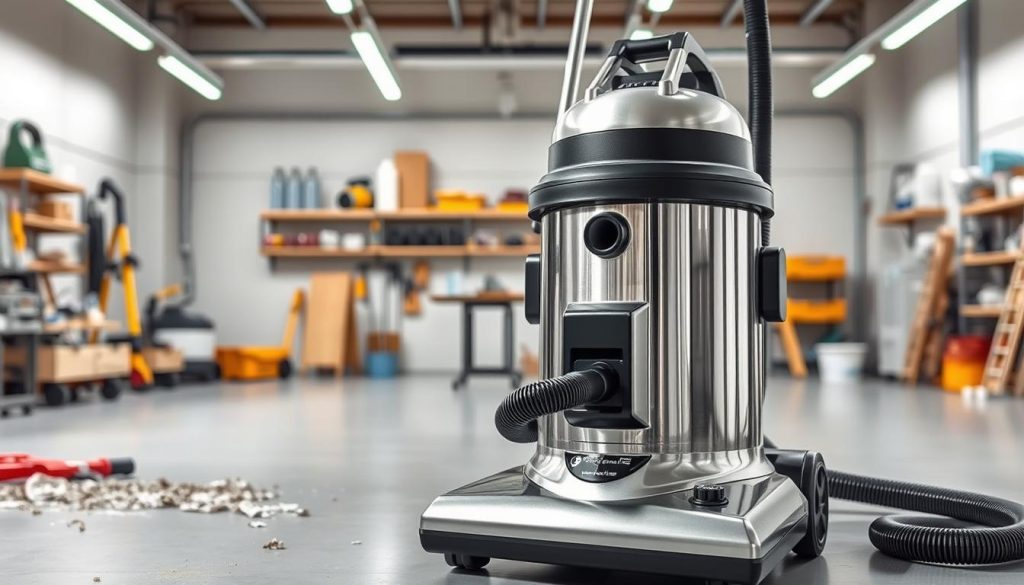
For an inside look at system design and how these units handle water safely, see this concise technical overview from the manufacturer.
- One-pass cleanup saves time on frequent short rounds.
- Ideal for quick dinner aftermath and pet areas.
- Check surface suitability—sealed hard flooring usually gives best results.
How a wet dry vacuum works inside the system
A short tour inside shows how clean water, agitation and sealed channels work together to lift grime.
Dispense: lay down clean water
Clean water is metered onto the floor, often with an optional cleaning solution. The aim is to loosen residue without soaking the room.
Agitate: scrub with a roller
A brush or roller scrubs the surface. That mechanical action helps release sticky sauce, coffee rings and tracked-in grit so suction can pick them up.
Suction: lift dirty mix into the tank
Powerful suction pulls the mix of dirty water, dust and small debris into the collection tank. This prevents streaks and leaves surfaces ready to dry.
Separate: dual tank design
Dual tanks keep clean water separate from dirty water. We do not reapply waste water, so hygiene improves and odours fall.
Seal and protect: moisture-safe routing
Sealed airflow paths and protective elements stop moisture reaching sensitive parts. Good systems use guards and washable filters to protect the motor.
Refresh: one-button rinse
Many units offer a one-button self-clean cycle that flushes the roller and channels with clean water. This reduces smell and keeps performance steady.
“The separate tanks and sealed airflow are the design features that make reliable wet handling possible.”
| Stage | Main action | Key benefit |
|---|---|---|
| Dispense | Apply clean water (± solution) | Loosens sticky grime |
| Agitate | Brush/roller scrubs | Frees dried residue |
| Suction | Lift dirty water and debris | Leaves floors streak-free |
| Separate | Dual water tanks | Prevents cross-contamination |
| Refresh | Self-clean rinse | Reduces odour and maintenance |
Wet-only vs dry-only vs wet and dry vacuums
We compare three machine types so we can match features to our living space. This helps us choose devices that suit frequent spills, routine dust, or mixed messes without paying for unnecessary extras.
Wet-only: water removal for major incidents
Wet-only units are for standing water and serious leaks. They scoop up large amounts of liquids quickly after burst pipes or heavy rain in an entryway.
Dry-only: dust, dirt and filtration for daily upkeep
Dry vacuum cleaners excel at routine pickup on carpets and sealed floors. Many use HEPA or similar filters to trap fine particles and improve indoor air quality.
Combined units: seamless switching for common household tasks
Wet dry vacuum models bridge both roles. They take solids and liquids in one pass and often avoid fiddly filter swaps. Note form factor: some are shop-style, others are floor washers for homes.
- Power means steady suction, airflow and brush contact, not just wattage.
- Choose wet-only for heavy water incidents, dry-only for mostly dust, and combined units for mixed messes.
| Type | Best use | Key note |
|---|---|---|
| Wet-only | Standing liquids | High capacity tanks |
| Dry-only | Dust and allergens | Filtration options |
| Wet dry vacuum | Mixed household messes | Flexible, one-pass cleaning |
How to use a wet and dry vacuum cleaner effectively at home
Before we start, a quick scan and small clear-up speeds the whole job and protects machine parts. Remove large debris that can block intakes. Check whether the surface is sealed; some timber or untreated tile can stain if over-wet.
Prep the area
Clear toys, bowls and loose debris. Pre-tidying stops clogs and shortens tasks. Confirm the floor type so we choose the right flow.
Fill and set flow
Top up the clean tank and select low flow for light dust or higher flow for sticky spills. Adjustable flow prevents over-wetting and keeps suction power steady.
Technique for better results
Use slow, overlapping passes. That lets the roller scrub and the suction lift dirt and dirty water fully. Work edges last with controlled strokes along skirting boards.
Handling mixed messes
Start at the spill’s outer edge. Collect loose crumbs first, then move through wet areas. This stops smearing and improves final results.
“Empty and rinse the dirty tank promptly to prevent smells and keep performance steady.”
- Do: run self-clean if available and air-dry parts.
- Don’t: rush passes, overfill tanks, or leave dirty water sitting.
What to look for when choosing a wet and dry vacuum cleaner in Singapore
Small choices matter more than big specs when we buy for flats and condos. Think practical trade-offs: refill frequency, storage and ease of use.
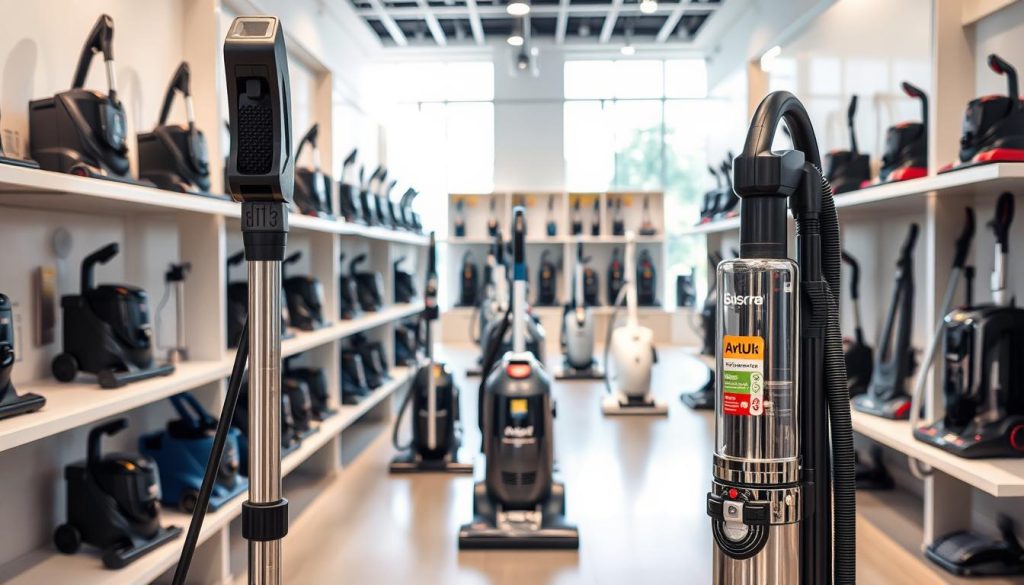
Tank capacity and weight balance
For daily rounds in compact homes we recommend about 500–700 ml per tank. That capacity reduces refills yet keeps the unit light enough to carry between rooms.
Suction that stays steady
Look beyond peak numbers. Good suction feels consistent along skirting and into corners. Stable airflow as the tank fills is a true sign of usable power.
Runtime, cordless convenience and dock storage
For an apartment, 20–30 minutes runtime fits most quick cleans. Cordless models with a simple dock or charging base make daily use far more likely.
Brush, filters and hygiene
Choose rollers that handle crumbs and sticky spills without scattering debris. Washable filters and an easy-to-rinse water tank keep smells down.
Noise, maintenance and space
Noise matters in close quarters; quieter operation suits late-night tidy-ups. Check that replacement rollers and filters are easy to source locally to avoid high upkeep costs.
Design and useful features
Design and footprint affect whether the dock can sit in view. One-button self-cleaning and compact storage are features we value most for everyday use.
“A balance of capacity, consistent power and sensible features beats headline specs every time.”
For practical cleaning tips and local guidance, see our short guide on apartment carpet care.
Everyday situations where a wet dry vacuum saves time
Everyday spills and tracked grit are where this tool earns back our time. We handle common messes in seconds instead of swapping tools. Quick action stops stains and lingering smells.
Dinner aftermath: crumbs, sauce, soup drips
After meals we often face loose crumbs plus liquid spots. A wet dry vacuum takes both in one pass so we avoid smearing sauce across floors. Micro-tip: use one extra slow pass over sticky rings and set moderate water flow.
Entryway clean-ups: rainy-day grit, wet footprints
Rain brings grit and damp prints that mark tiles quickly. Fast removal prevents build-up and slippery patches. Tip: collect loose debris first, then run a wet pass to pick water and trapped grit.
Pet areas: fur, water-bowl splashes, muddy tracks
Pet corners combine hair, spilled water and occasional mud. The mixed pickup strength here saves time and keeps odour down. Empty the dirty tank after messy jobs to keep performance steady.
Coffee corners: spills, sticky rings, quick refreshes
Small spills and sticky rings are frequent near kettles and brewers. A quick route with this unit restores the spot before guests arrive. For best results, choose low flow and finish with a dry pass to lift residual moisture.
“When cleanup takes minutes, we are far more likely to act immediately — and that prevents stains.”
- Do: trust one pass for mixed messes to save time.
- Don’t: leave dirty water sitting after use; empty and air-dry tanks.
- Quick tip: match flow to the spill size to protect sealed floors.
Conclusion
Ultimately, the right device balances capacity, steady suction and easy hygiene for everyday cleaning.
Combined models suit mixed spills and loose debris, so they handle crumbs, dust and liquids in one pass.
If our routine is mostly dust and dry dirt, a simple vacuum may suffice. If spills or sticky residues recur, two-in-one wet dry capability improves efficiency.
Remember the system flow: dispense, agitate, suction and separate into two tanks. That design keeps dirty water apart and limits odour.
Choose for sensible capacity, stable power, washable filters and a compact dock that fits Singapore homes. Use slow passes, match flow to the spill and empty tanks promptly for best results.

