
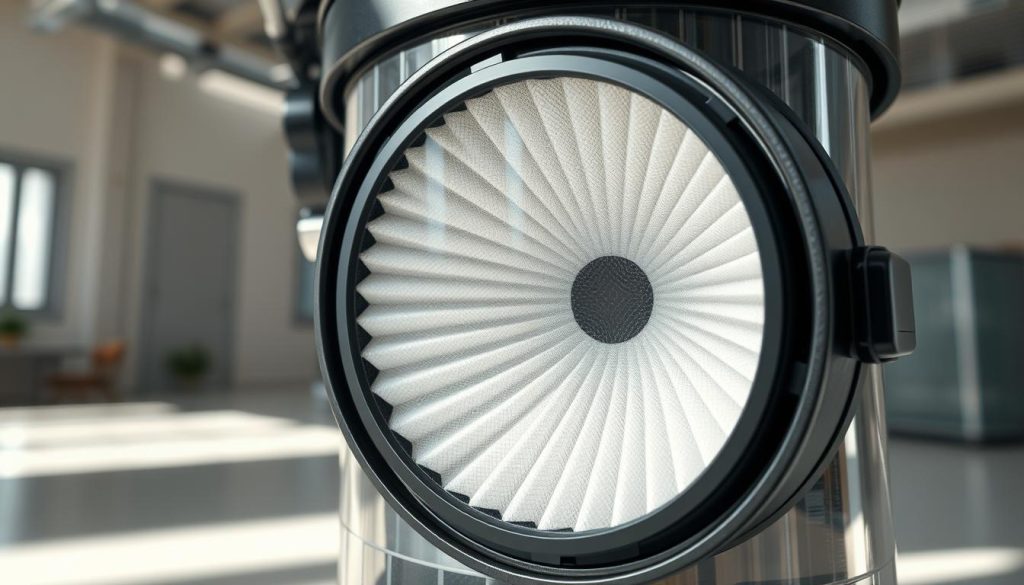
We set out to test a popular wet–dry model that promises one-tool convenience for Singapore flats. Our aim is clear: to show what this product does best, what it compromises on, and who benefits most.
In simple terms, a wet–dry unit handles solid debris and liquid spills in one pass. We explain how this differs from a typical model that only lifts dust, and why families and pet owners may prefer the extra function.
We judge real cleaning performance, noise, weight and upkeep rather than marketing claims. Our method blends timed tasks, tank tests and everyday use in homes with hard floors common in Singapore.
Readers will find quick guidance on value buys and premium options. This is a commercial-intent review designed to help you shortlist by habit, flat size and budget.
Why a wet dry cordless vacuum cleaner makes sense for Singapore homes
High humidity and steady foot traffic mean floors pick up grit fast. We find that combining suction with water-based rinsing cuts through tracked-in grime, sticky spills and salt residue far better than sweeping alone.
Common messes in local flats include fine dust, food crumbs, drink spills and pet hair. These surfaces—tile, vinyl, laminate and stone—show streaks and edge build-up. A wet dry unit that uses water to lift residues reduces smear and prevents spread across a room.
How it stacks up against robots and standard stick models:
- Robot vacuum models are handy for frequent light passes but often miss fresh spills, sticky spots and corners.
- Standard cordless tools lift dust well but do not wash; a separate mop may still be needed.
- Wet dry systems are heavier and bulkier, yet they serve as a fast reset for kitchen and dining zones.
For a concise guide to top picks in Singapore, see our roundup of the best wet and dry options.
How we reviewed these models for real-world cleaning performance
We tested each model across everyday messes to see how factory specs translate to real use. Our process pairs measured data with hands-on checks so buyers get useful guidance for HDB and condo life in Singapore.
What we compared
We scored units on suction and power, tank capacity, runtime, weight and charge time. We also logged noise levels, filter type and key features such as LED displays and AI sensing.
Hard-floor focus
Tests covered tile grout, laminate seams, vinyl edges and stone floors. We rated streaking, edge reach and how heads manoeuvre around chair legs and tight kitchens.

Ease of ownership
We measured ownership time: emptying dirty water, rinsing a clean water tank, and filter care. Units with one-button self-clean cycles and washable HEPA filters score higher for weekly use.
- Scoring framework: raw specs plus refill and empty frequency.
- Interpretation: suction numbers matter only with good brush design and water flow control.
- Technology: AI sensing, LED and digital readouts helped us choose correct settings and spot residue before it dried.
For a practical guide on cleaning without heavy kit, see our step-by-step advice for carpets at how to clean dirty carpet without a.
Best dry and wet cordless vacuum cleaner picks in Singapore
Our picks focus on real user needs: refill frequency, manoeuvrability, hot-water mopping and odour control guide this shortlist. Below we name winners for common household profiles so you can match price and performance to habits.
Overall best: Tineco Floor One Switch S7 Stretch
Why it stands out: large 1,000ml clean water tank and 720ml dirty water capacity reduce refills. With 22,000 Pa suction, a dual-side brush that reaches 0.5cm from skirting and iLoop technology, it adapts water flow and suction on the move.
Best for pet hair: Bissell CrossWave X7 Cordless Pet Pro
Turbo Pet mode targets trapped hair and stubborn marks. It offers 820ml clean tank, 420ml dirty tank and about 30 minutes runtime—good for quick sessions in pet households.
Best budget buy: Simplus Cordless Wet-Dry
Strong value for the price. The 500ml clean tank and 550ml dirty tank pair with 50 minutes runtime. Flat-folding reach and a 6.5cm brush head help in corners common in HDB flats.
Best for hot-water mopping: Dreame H15 Pro Heat
Its water heater reaches 85°C, useful on oil films and set-on spills. Note runtime drops to ~25 minutes in heat mode; exercise care on sensitive timber floors.
Most manoeuvrable: Narwal S20 Pro
Light handling, AI Dirt Sense and five modes make it nimble for tight kitchens. Clean/dirty tanks near 790ml/720ml and 60 minutes runtime suit larger flats.
Best for odour control: Shark HydroVac WD210SM
Antimicrobial brush rollers reduce smell between uses. It is a lighter option with shorter runtime, suited to small kitchens where odour is a priority.
Best premium brand option: Dyson V12s Submarine range
Exceptional filtration, compact weight and high Air Watts make this a strong choice for allergy-prone households that want brand reliability and low dust escape.
| Model | Clean tank / Dirty tank | Suction / Runtime | Best for |
|---|---|---|---|
| Tineco Floor One S7 Stretch | 1,000ml / 720ml | 22,000 Pa / 50–70 minutes | Everyday use, low refills |
| Bissell CrossWave X7 Pet Pro | 820ml / 420ml | 20,000 Pa / 30 minutes | Pet hair, targeted cleaning |
| Simplus Cordless | 500ml / 550ml | 21,000 Pa / 50 minutes | Budget, battery life |
| Dreame H15 Pro Heat | 800ml / 650ml | 22,000 Pa / 25–70 minutes | Stubborn stains, hot-water mopping |
| Narwal S20 Pro | 790ml / 720ml | 20,000 Pa / 60 minutes | Manoeuvrability, AI modes |
Side-by-side specs that matter: tanks, power, time and weight
We focus on the numbers that change outcomes: tank capacity, power ratings, runtime and handling weight. These specifications tell you how often you’ll refill, how well the unit lifts residue, how long a session lasts and how tiring handling feels.
Clean water tank vs dirty water tank sizes
Clean water tank size sets how long you can mop before a refill. A 1,000ml clean water tank (Tineco) suits larger flats. Smaller tanks like 300–500ml suit quick touch-ups.
A matching dirty water tank matters for hygiene. Bigger dirty tanks reduce emptying frequency. For example, Tineco’s 720ml dirty tank needs fewer stops than Bissell’s 420ml for the same task.
Suction power explained: Pa vs Air Watts
Manufacturers use Pa for wet-capable heads and Air Watts (AW) for stick performance. Up to 22,000 Pa helps wet pickup; Dyson shows 130–140 AW for dry dust. Prioritise Pa for water lift and AW for carpet suction.
Battery life and charge time: minutes that matter
Runtime varies by mode. Expect 25–70 minutes depending on heat and power settings. Charge times sit around 3–4.5 hours. Match minutes to home size: 30–40 minutes for small flats, 60+ for larger homes.
| Model | Clean water tank / Dirty tank | Suction (Pa / AW) | Runtime (minutes) | Weight / Charge (hrs) |
|---|---|---|---|---|
| Tineco Floor One S7 Stretch | 1,000ml / 720ml | 22,000 Pa | 50 | 5.4kg / 3.5 |
| Bissell CrossWave X7 Pet Pro | 820ml / 420ml | 20,000 Pa | 30 | 4.1kg / 3.5 |
| Dreame H15 Pro Heat | 800ml / 650ml | 22,000 Pa | 25–70 | 6.0kg / 4.0 |
| Dyson V12s Submarine | 300ml / 360ml | 130–140 AW | 60 | 2.2kg / 3.0 |
Features that actually change results on hard floors
Not all features matter equally; some directly alter how spotless a hard floor looks after one pass.
Brush and edge cleaning
Dual-side rollers reach close to skirting, trimming edge lines while triple-sided layouts improve corner reach. We note brand examples: Tineco’s dual-side brush hits 0.5cm from walls; Narwal uses triple-edge action for tighter corners.
Smart cleaning modes
Auto AI sensing raises power and water flow where dirt is dense, saving passes. Manual low/high modes keep finishes safe, while Dreame’s water heater option gives hot-water mopping for oily residue and set stains.
Filtration and air quality
A HEPA-based, multi-stage system traps fine dust and allergens so fewer particles re-enter the air. Shark’s antimicrobial rollers also cut odour risk between uses.
Visibility and control
LED lighting and a digital display reduce missed patches by showing status, battery and system feedback. We recommend prioritising the mix of suction, water flow and roller speed for streak-free floors.
What to check before you buy: price, accessories and upkeep
Price should be read alongside the items in the box and the likely ongoing spend on pads, solution and filter replacements.
We advise listing what comes with the machine and what is sold extra. That prevents surprises when you expect a wall bracket, mini power brush or wet accessories but find they are optional.
Accessories that add value
Good accessories turn a machine from occasional use into a grab‑and‑go tool for small flats.
- Crevice nozzle for tight gaps and skirting edges.
- Mini power brush for sofas and pet spots.
- Wet items such as mop heads and dedicated pads for tiled kitchens.
- Wall bracket or stand tray to keep a storage drip-free.
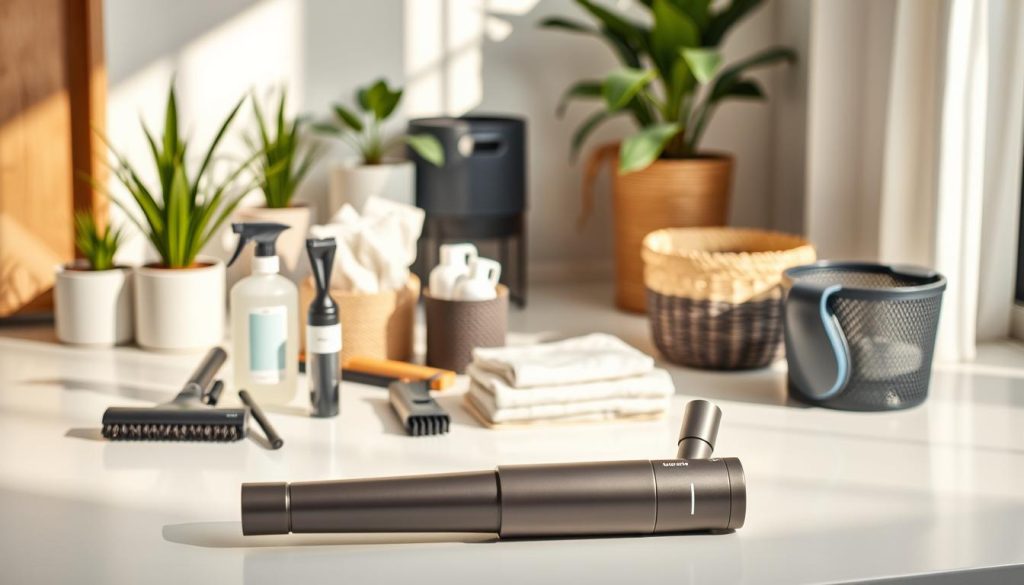
Maintenance checklist
Check for one-button self-clean cycles, quick-empty tanks and washable filters. These features cut post‑cleaning time to a few minutes.
Empty dirty water promptly, rinse the water tank and air dry parts in Singapore’s humid climate to avoid odour. Keep spare filters and pads on hand to reduce downtime between sessions.
Noise, bulk and handling
Expect higher power and a fan system to increase weight and noise. Try to lift and steer a demo unit over 3–4 minutes to judge manoeuvrability.
Choose a cordless wet format if you need quick spot cleaning; prefer a stick vacuum style if you want lighter handling for daily dust runs.
| Check | Why it matters | Quick tip |
|---|---|---|
| Tank sizes | More clean water and larger dirty water reduce refill frequency | Pick 700ml+ for regular kitchen use |
| Included accessories | Changes how often you use the machine and what jobs it can do | Prioritise a mini brush and wall bracket |
| Self-clean features | Save time; reduce odour and maintenance effort | One-button rinse is a strong ownership perk |
Conclusion
Choosing well comes down to tank capacity, sustained suction and simple upkeep. For Singapore homes with frequent spills, tracked-in debris, dust and hair, a wet dry system saves us time by combining wash and pick-up in one pass.
Match a clean water tank and dirty water size to your routine, check charge and power specs, then test weight and handling in person. Our pick-by-profile summary helps: best overall, pet option, value model, hot-water specialist, manoeuvrable unit, odour-focused choice and a premium lightweight.
Practical tip: rinse and dry rollers, empty tanks quickly and store the unit on a stable dock like a stand fan to reduce smells and keep it ready. For a clear primer on how these dual‑tank systems work, see what is a wet‑dry vacuum.

