
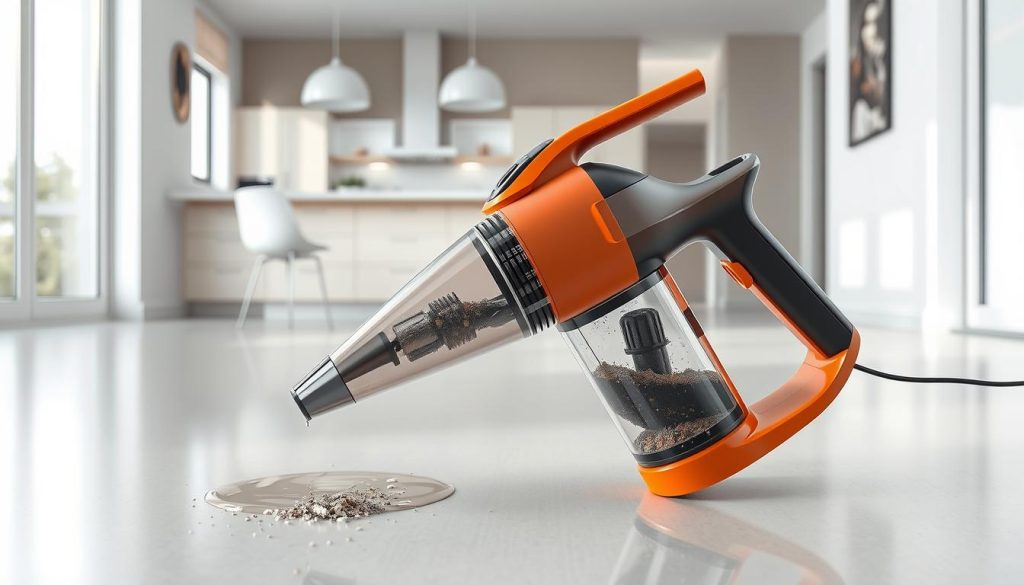
We introduce a compact list of all-in-one suction units that suit busy Singapore homes.
These models handle spills and everyday dust with less fuss. They save us time when the family needs a quick reset after meals or rainy-day visits to the flat.
In this roundup we explain who will benefit most, how we shortlist each product and what “best” means for performance, price and daily practicality.
Key decision factors you will see include water tank size, suction power, filtration, runtime in minutes, manoeuvrability and useful accessories.
Expect clear trade-offs: these units give stronger suction and better all-in-one cleaning, but can add weight, noise and bulk compared with a standard dry unit.
We favour real-world convenience such as compact storage, easy refills, simple self-cleans and good edge reach. Our picks cover brands like Tineco, Bissell, Narwal, Dreame, Shark, Dyson and Xiaomi to match different routines and time limits.
Why a wet and dry vacuum cleaner handheld makes sense for homes in Singapore
Combining liquid pick-up with solid debris removal makes routine resets faster for busy families in Singapore.
We find these units suit our local needs: spilled drinks, kitchen splashes, pet accidents and fine dust that settles quickly in humid flats. A single pass often lifts crumbs while the machine lays down a controlled flow of water to wipe sticky patches.
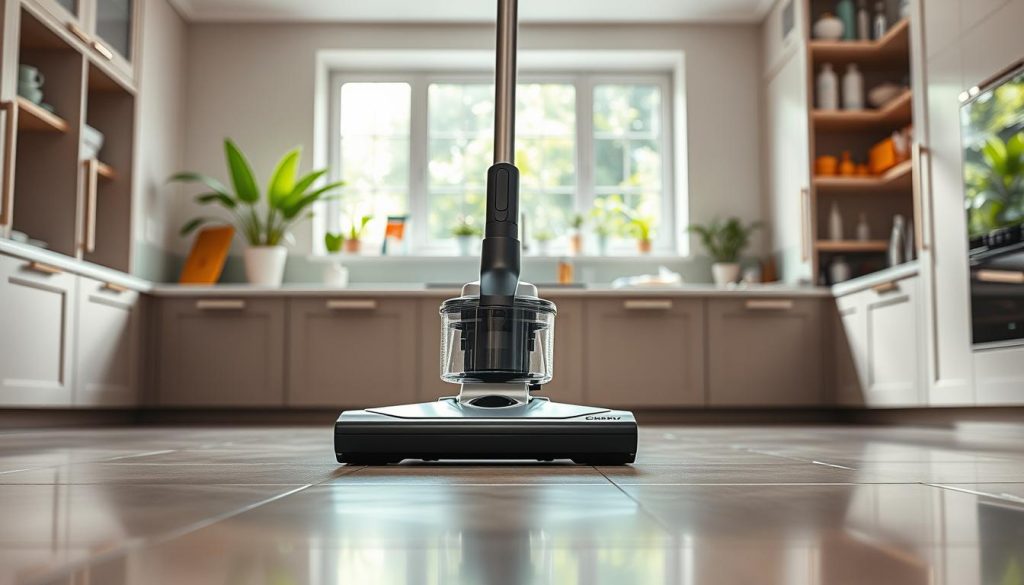
One-pass cleaning: what changes for daily use
One-pass cleaning reduces steps. We no longer follow a dry pick-up with a separate mop for many common messes. This saves minutes on quick resets after meals or outdoor play.
What to expect versus a standard dry vacuum
These units use more power and often sound louder. They also carry tanks and pumps, so they feel heavier and take more storage space than a typical dry vacuum.
- Best for spills, grit at entrances, hair on tiles and paw prints.
- Still useful to keep a small dry machine for upholstery, high shelves and speedy touch-ups.
- Consider turning radius and footprint if you live in an HDB flat or narrow corridor.
How we choose the best wet and dry vacuum for your floors, time, and budget
We judge each model by how well it balances tank size, suction and everyday usability.
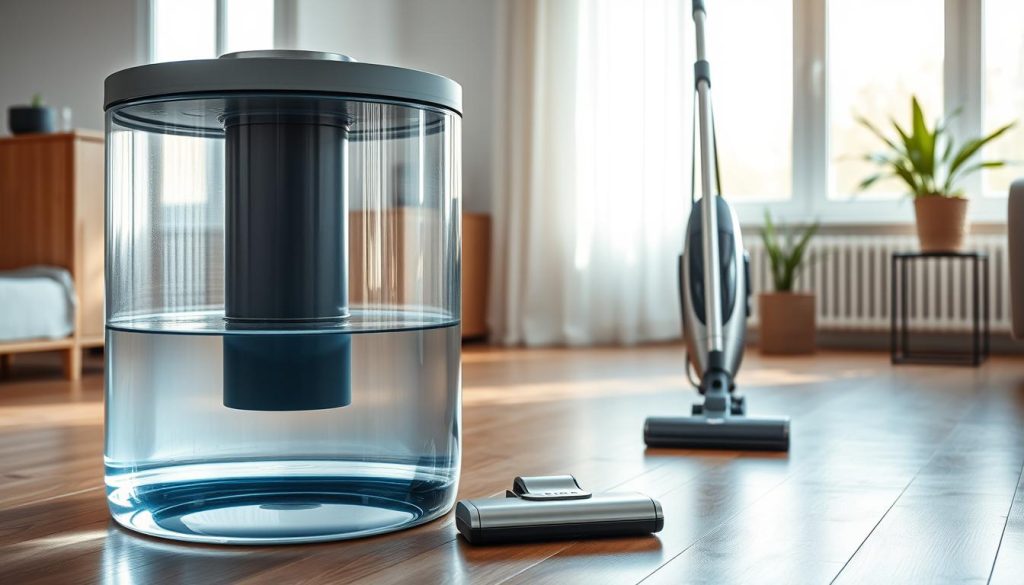
Tank layout matters. Prefer separate clean water tank and dirty water storage to avoid reusing soiled water. Larger water tank volumes reduce refill stops for bigger flats, while smaller tanks suit quick, light passes and easier handling.
Performance metrics that matter
Suction is quoted in Pa or Air Watts; higher figures mean fewer repeat passes on gritty mess and soaked spills. Use stated numbers as a guide — Xiaomi’s 15,000Pa gives a practical benchmark for heavy-duty pickup.
Roller, edge reach and filtration
Roller speed affects how evenly floors are wiped; a 500rpm brush bar is a useful reference for consistent results. Edge cleaning measures how close the brush reaches skirting boards — zero-millimetre claims show tight reach in lab tests.
Filtration and hygiene matter for households with allergies. Standard filters suit general dust, while HEPA is worth the upgrade for fine particles. Antimicrobial rollers help cut odour on frequent use.
Cordless practicality and modes
Match runtime in minutes to your cleaning window: ~30 minutes for quick resets, 60+ for whole-home passes. Consider charge time, modes for tiles or wood, and accessories for corners and rugs when balancing budget and convenience.
- Tank design: separate clean and dirty tanks for hygiene.
- Suction: higher Pa for heavy debris.
- Accessories: specialised brushes for floors and tight spaces.
Our picks: wet and dry vacuum cleaner handheld models we’d shortlist now
Below we shortlist the models that proved most useful in Singapore flats, with clear reasons why each made our cut. Each entry explains the key trade-offs so you can match a product to your routine and floor types.
Overall best smart all-rounder: Tineco Floor One Switch S7 Stretch
Why it made our cut: 1,000ml clean water tank paired with 720ml dirty water capacity. Strong 22,000 Pa suction, iLoop sensor that adjusts water flow and power, and a dual-side roller that reaches close to skirtings. Runtime fits most whole-flat passes.
Best for pet hair on mixed floors: Bissell CrossWave X7 Cordless Pet Pro
Why it made our cut: Turbo Pet mode, 820ml clean / 420ml dirty tanks, and up to 20,000 Pa suction. Good for targeted hair pickup on tiles and rugs for shorter sessions (around 30 minutes).
- Narwal S20 Pro: Manoeuvrable with hot water mopping, triple-sided edge cleaning and a 60-minute runtime.
- Simplus Cordless: Budget option with 21,000 Pa, 50 minutes runtime and flat-folding reach for corners.
- Dreame H15 Pro Heat: Best for oily, stubborn stains thanks to 85°C hot water mopping; note the heavier 6kg build.
- Dibea H8: Strong value, self-cleaning and light handling for daily passes.
- Dibea HC26: Larger 700/700ml tanks for longer wet runs and a high suction spec for heavier tasks.
- Shark HydroVac WD210SM: Compact hybrid with antimicrobial rollers to reduce odour build-up.
- Dyson Submarine range: V12s Origin for a lightweight premium feel; Detect Slim adds HEPA and a visibility head.
- Xiaomi Truclean W20: Strong benchmark with 15,000 Pa lab-tested suction and a 500rpm roller for edge cleaning.
| Model | Clean / Dirty tank (ml) | Suction / Power | Runtime (minutes) |
|---|---|---|---|
| Tineco Floor One S7 Stretch | 1,000 / 720 | 22,000 Pa | 50 / 70 |
| Bissell CrossWave X7 Pet Pro | 820 / 420 | Up to 20,000 Pa | 30 |
| Narwal S20 Pro | 790 / 720 | 20,000 Pa | 60 |
| Simplus Cordless | 500 / 550 | 21,000 Pa | 50 |
| Dreame H15 Pro Heat | 800 / 650 | 22,000 Pa | 70 / 25 (hot) |
Quick tip: If you want a deeper comparison of cordless picks, see our curated cordless guide for more specs and buying context here. For a purchase option suited to local services, check ordering info here.
Matching the right cleaner to your cleaning routine and floor types
Pick a design that fits your storage and run-time needs to get the best results on Singapore floors.
Small flats and quick resets: favour lighter builds such as the Dyson V12s Origin at ~2.2kg. Shorter runtime is acceptable when you aim for daily upkeep. Smaller water tank sizes cut weight and make handling easier.
Small flats and quick resets
Key points:
- Light weight for stairs and tight storage.
- Shorter minutes of runtime work if you clean frequently.
- Smaller water tank is fine for swift touch-ups; refilling is quick.
Family homes and frequent spills
We recommend larger tanks and higher suction for busy households. Models like the Tineco S7 (1,000ml clean tank) or Narwal S20 Pro (60 minutes runtime) reduce refill stops and save time on repeated passes.
Hard floors vs rugs
Choose rollers and modes that lift hair and debris from rugs without over-wetting soft fibres. For tiles and sealed wood, a controllable water flow and selectable modes protect finishes.
“Match your floor types first, then pick tank size and runtime to fit your weekly rhythm.”
Conclusion
,Practical convenience matters more than peak numbers when daily upkeep is the goal. The best wet dry solution saves us real time on spills, crumbs and everyday dust without becoming too heavy to use often.
Quick checklist: choose tank sizing that fits your routine, match runtime in minutes to cleaning windows, check edge performance and pick modes that suit your floors. Keep a small dry vacuum for high shelves and ultra-fast touch-ups.
Who it’s for: pick the smart all-rounder for whole-flat passes, the pet-focused model for fur, a manoeuvrable unit for tight flats, or a budget option for simple runs. Prioritise the cleaner you will actually use frequently — consistent upkeep beats occasional deep cleans in busy Singapore homes.

