
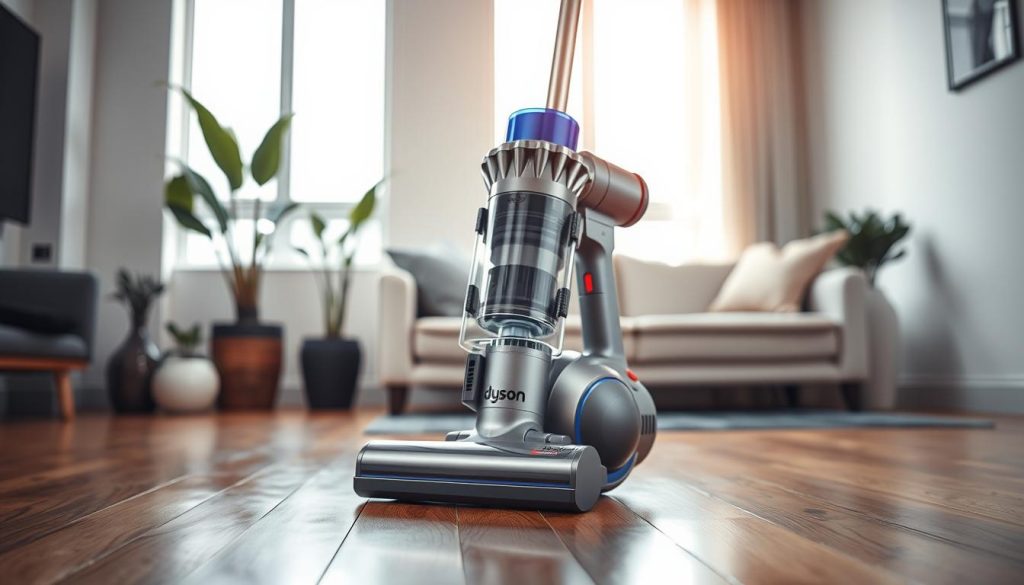
We introduce what this device is and why we pick it over a standard vacuum in Singapore. It is commonly known as a wet–dry machine and suits sudden floods, pipe leaks and heavy rain at home or on site.
We set clear expectations for proper operation. Protecting the motor, keeping suction and leaving surfaces safe matter more than surface shine.
Our guide outlines choosing the right machine, setup, switching between wet and dry modes and practical technique for liquids and dust. We cover typical scenarios such as balcony overflow, kitchen puddles, air-con drips and post-renovation mess.
Practical routine reduces downtime and extends the life of vacuums. Good results rely on preparation, correct filters and timely emptying of the tank.
Choosing the right water vacuum cleaner for Singapore homes and job sites
Choosing a suitable model saves time, reduces clogs and matches the job—from balcony puddles to renovation dust. We advise matching types and features to common local scenarios so cleaning stays effective and safe.
Water vacuum cleaner vs wet dry vacuum vs dry vacuum
Wet pick-up capable units handle liquids and are ideal for spills on tiles or balcony puddles. A true wet dry vacuum switches between modes and suits mixed messes on site.
Dry vacuums excel at fine dust and carpet dirt but must not be used for liquids without correct parts. Using the wrong type risks motor damage and blocked hoses.
Corded and cordless: power, run time and movement
Corded models give sustained power for long sessions in landed homes or site offices. Cordless units free us from trip hazards and help around furniture and stairs.
For larger areas, plan battery swaps; extra packs extend run time and keep cleaning continuous.
Key features to look for
- Suction power: faster debris removal on tiled and rough surfaces.
- Tank capacity: larger tanks reduce emptying during liquid clean-up.
- Filtration: pleated filters for dust-sensitive users; foam filters protect the motor for wet pick-up.
- Noise and nozzle width: consider condo rules and match nozzles to surfaces and corners.
For practical guidance in apartment carpet and tile care, see our detailed tips at apartment carpet cleaning with a wet dry.
How to use a water vacuum cleaner: set-up, safety and the right tools
Good preparation prevents costly blockages and keeps the machine running at peak suction. We begin with a quick sweep of the area, removing toys, screws and other small items that could clog hoses or damage the motor.
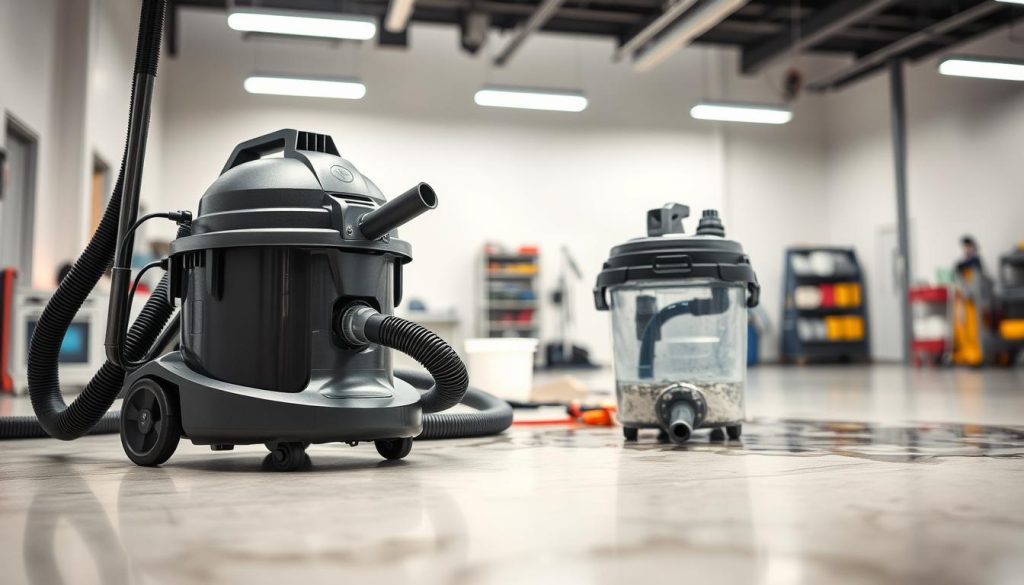
Prep the area and protect the motor
Clear tight spaces and check hose paths so movement in condos or landed homes stays smooth. For new users, test the unit with a small amount of water in a safe spot before tackling larger spills.
Swap filters for wet mode and dry mode
Before wet pickup, remove any paper bag and fit the foam wet filter. When returning to dry work, reinstall the pleated dry filter or bag so dust and dirt are captured effectively.
Select nozzles and attachments
Choose a wide nozzle for fast tile clearing and a narrow tool for skirting and corners. Keep only the useful attachments handy to avoid switching mid-step.
| Task | Recommended part | Why it matters |
|---|---|---|
| Large spill on tile | Wide nozzle, wet setting | Speeds removal and preserves suction |
| Tight gap or skirting | Crevice tool | Targets dirt without scratching surfaces |
| Mixed dust and liquid | Remove bag, foam filter | Prevents soggy blockages and motor harm |
Safety essentials and a pre-start checklist
Always switch off the unit and unplug before changing attachments, filters or opening the tank. Our quick checklist: correct mode, correct filter, correct nozzle, empty tank, secure hose and clear area.
Wet vacuuming technique for spills, puddles and water clean-up
For safe, effective liquid removal we follow a staged routine that protects motor life and keeps suction steady.
Switching into wet mode: make sure the wet dry setting is active and the foam wet filter is fitted before you start. This protects the motor and allows proper wet pickup.
Best way to pick up liquids: begin at the outer edges of the spill and work inwards. Slow, overlapping passes stop spread and speed removal.
Controlling the nozzle on hard floors and tight areas
Match nozzle width to the area: wide for open tiles, narrow for skirting and corners. Use steady strokes so suction lifts standing water and dirt rather than skimming.
For tight spots under cabinets or around pedestals use a crevice attachment. That gives precise removal without splashing nearby surfaces.
Tank emptying and finishing steps
Stop, switch off and unplug before emptying. Empty the tank when fill level rises or suction drops to keep power consistent through the job.
Finish by drying grout and edges with a cloth. Rinse and dry the tank after use to prevent smells and mould.
- If pickup is poor, make sure wet mode is selected.
- Check hose seating and clear any blockages.
- Confirm the tank is not full; resume once emptied and secured.
Dry vacuuming for dust, debris and pet hair without losing suction
Slow, overlapping passes are the technique that separates a quick sweep from a deep clean. We work in straight lanes and overlap each pass so fine dust in grout and textured surfaces lifts rather than stays trapped.
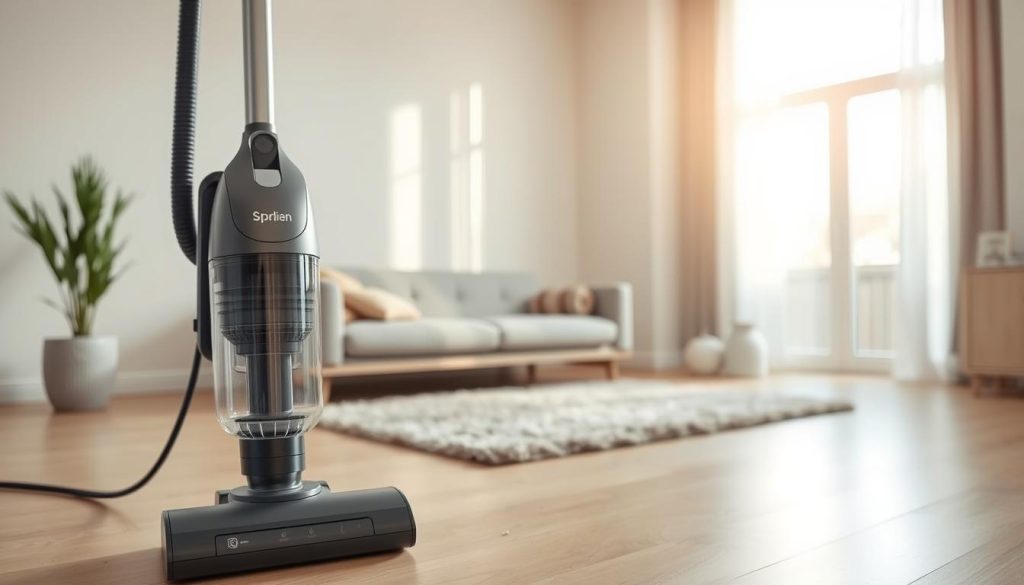
Go slow and vacuum in overlapping passes for thorough removal
We keep pace steady and avoid rushing. Short, repeated strokes pick up embedded dirt and hair more reliably than long, fast sweeps.
Upholstery, crevices and corners: matching attachments to the area
Choose the crevice tool for skirting lines and seams, and an upholstery nozzle for sofas and cushions. Do not use fabric tools for wet spill pickup; keep wet and dry set-ups separate.
Keeping airflow strong: when to empty the bin or change the bag
We empty the bin or replace the bag once it reaches about 50–75% full. Reduced suction is a sign to check the filter, hose and nozzle for blockages before continuing.
For pet owners: repeat passes in different directions on soft furnishings and corners to lift hair. For model guidance and pet-focused options see best models for pet hair.
Cleaning and maintenance after vacuuming to keep filters fresh and odour-free
After each cleaning session we follow a short post-care routine that keeps smells away and preserves suction. This habit matters in humid Singapore and saves time later.
Rinse and dry the tank
Empty promptly after wet pick-up, rinse the tank with clean water, then wipe with a cloth and leave the lid off to air dry. Drying fully stops mould and prevents smells returning during the next clean.
Filter care and replacement
For reusable filters, rinse per manufacturer guidance and air dry completely before reinstalling. Replace filters that are clogged, torn or smell. Clean filters keep dust and dirt from degrading suction.
Quick checks and safe do’s and don’ts
- Inspect hoses, nozzles and attachments for lodged debris and wear; clear blockages in minutes.
- Unplug and stow cords without kinking; avoid pulling at the cable to protect power leads.
- Do not pick up sharp objects or hot ashes; these harm the motor and internals.
Troubleshooting tip: if performance falls, check the filter, confirm the tank or bag level, and scan the hose for clogs before seeking service. Regular maintenance keeps our wet dry and dry vacuum working longer and smelling fresh.
Conclusion
In short, consistent choices and small steps make cleaning quicker and machines last longer.
We summarise the core method: pick the right types of vacuums, set wet dry mode correctly, and treat water and dust as separate tasks. This way protects motor life and keeps suction steady.
Always power off and unplug before changes, fit the correct filter or bag, and match tools to the surface. For wet removal follow one clear step: wet mode on, work edges toward the centre, steady nozzle control, empty the tank promptly and finish with a cloth.
For dry work, use slow overlapping passes, the right attachments for corners and upholstery, and replace or empty bins before airflow chokes. Regular maintenance in humid Singapore keeps tanks and filters fresh and odours away.
Decide by need: if dust dominates, a dry vacuum will suit; if spills and dirt recur, a wet dry unit gives the best flexibility for home use.

