

We set the buying context for a compact wet/dry unit tailored to flats and condos in Singapore. Our focus is on real-world cleaning needs rather than spec-sheet claims.
This roundup covers the main wet dry formats and the key decision points. We flag which models stand out for hygiene, value and premium convenience.
We compare how Electrolux and Kärcher position their vacuum cleaners. Electrolux advertises multi-surface tools and strong suction for dry dust and spills. Kärcher’s WD vacuums stress superior suction, energy efficiency and fast, residue-free dirt removal across floors.
Our review lens emphasises practical performance and usability for daily messes. We also set expectations on price in Singapore and explain why some units cost more — capacity, filtration, cordless design and extras affect value.
Use this guide by starting with your typical mess types, storage limits and whether you need quick wet pick-up, dry debris handling or an all-in-one floor solution.
Why we recommend a wet dry vacuum for Singapore homes and small spaces
Homes in Singapore face a mix of sticky spills, tracked-in grit and humid damp patches that a single, flexible machine can handle.
From dry dust to liquid spills: what wet and dry means in practice
Wet dry models pick up dry dust and debris and also remove liquid messes safely. That means faster clean-ups after cooking accidents, shower overflows or balcony leaks.
Where a regular dry vacuum cleaner falls short
A typical dry vacuum is designed for dust and dirt only. It cannot handle pools, damp entryways or post-mop residue without risk to the motor.
Typical messes in Singapore flats
We see sand tracked from corridors, pet hair on mats, quick kitchen spills and damp patches from humidity. A single wet dry vacuum saves space and swaps tools quickly for different tasks.
| Common mess | Dry-only unit | Wet dry model |
|---|---|---|
| Spilled drinks | Poor — risk of damage | Good — picks up liquid |
| Sand and grit | Good — handles debris | Very good — works wet or dry |
| Post-mop residue | Poor — leaves damp film | Good — removes residue |
In short, for compact flats we value speed, manoeuvrability and the ability to tackle both dry and wet tasks without storing two machines.
What makes a small water vacuum cleaner worth buying in the first place
For many HDB and condo owners, a neat storage footprint matters as much as cleaning power. We look at the practical trade-offs that decide whether a wet dry unit earns a place in a tight home.
Compact design and storage: why size matters for HDBs and condos
Space is limited in typical Singapore homes. A compact design with hose and accessories stored on the device saves cabinet room and reduces setup time.
Kärcher scores for integrated storage. Electrolux wins for a user-friendly shape that is easy to stow and carry.
Suction power and cleaning performance on mixed debris
Good suction must handle fine dust and larger debris, plus damp grit and the odd spill. We prioritise units that hold steady suction as the container fills.
Tank and container capacity: balancing runtime with portability
Higher capacity extends run-time for puddles, while a smaller container improves manoeuvrability. Match capacity to your typical mess and storage limits.
Filter and filtration system choices
Look for a filter system that copes with wet dry switching and traps fine dust. Electrolux highlights advanced filtration for allergens; Kärcher reduces contact with dirt via innovative filter design.
Convenience features we look for
Onboard accessory storage, tidy hose management and easy-empty designs cut handling time. These features matter more than extra attachments in compact homes.
| Criterion | Why it matters | Kärcher | Electrolux |
|---|---|---|---|
| Design | Fits limited storage and quick access | Integrated hose and tool stowage | Ergonomic, easy to store |
| Suction power | Maintains cleaning performance on mixed debris | Stable under load | Balanced for home use |
| Capacity | Runtime vs portability | Larger tanks available | Compact containers for easy handling |
| Filter system | Allergen control and wet/dry switching | Filter avoids contact with dirt | Advanced microfilters for fine dust |
Wet and dry vacuum formats we compared
We mapped how each format performs on everyday messes to help readers pick the right option for Singapore homes.
Drum wet dry vacuum cleaners for heavier jobs
Drum models suit tougher work: larger water pick-up, coarse debris and renovation dust. They hold more and cope with coarse or fine dirt without strain.
The trade-off is storage and portability. Drum units are heavier and need more space, so they fit garages, workshops or occasional heavy clean-ups.
Cordless stick wet dry cleaners for everyday hard-floor care
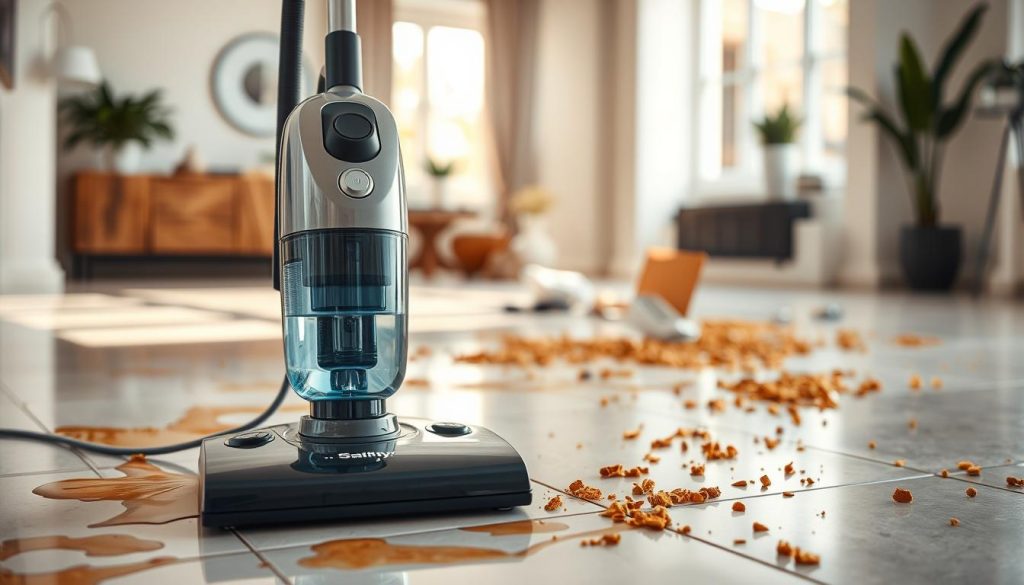
Cordless sticks offer quick access and lighter handling. They pair well with hard floors where a fast vacuum-and-mop routine keeps tiles and vinyl tidy.
These models favour convenience over raw power. They are ideal for families, pet owners and frequent spill response.
When a blower function is genuinely useful
A built-in blower helps clear leaves, push debris from corners and tidy patios or entrances. Kärcher and Electrolux note it is handy for outdoor edges but not essential for indoor floor cleaning.
“Choose format by routine: power where you need it, portability where you use it most.”
Next, we explain how we test each format fairly, given their different strengths and common uses.
How we tested and ranked each model in our roundup
We designed tests that mirror everyday Singapore messes and show which models deliver consistent cleaning performance. Our method favours real results over spec-sheet numbers so readers get useful, practical advice.
Real-world mess tests
We trialled dry debris such as sand and crumbs, damp dirt at entryways, small puddles and common kitchen stains. Each model ran the same sequence so pick-up, streaking and residue could be compared fairly.
Floor and surface coverage
Tiles and vinyl were tested for streak-free passes. Rugs and stairs were checked for hair and grit removal. We also vacuumed car interiors to assess reach and the value of specialised tools.
Ease of use
We judged manoeuvrability around furniture, perceived noise, weight in hand and how fast we could swap the right tool. These factors often decide whether a model is used daily.
Drying time and residue
For wet pick-up we note how much residue remains after one pass, and the drying time until surfaces felt safe to walk on. Quick drying and minimal residue scored higher.
| Criterion | What we measure | Why it matters |
|---|---|---|
| Performance | Pick-up consistency on debris and stains | Shows true suction and cleaning performance |
| Ease | Weight, noise, tool swaps | Determines daily usability in flats and cars |
| Drying time | Residual film and time to dry | Affects safety and post-clean routine |
“We rank performance first, then ease of use, and finally maintenance and drying time — the features that actually matter day-to-day.”
Kärcher WD wet and dry vacuums: what stands out in our review
Kärcher’s WD range aims to be a step up when you need true wet dry performance rather than an occasional fix. We tested units across tile, vinyl and rug edges to see how suction power and design translate to everyday cleaning in Singapore homes.
Superior suction power with energy-efficient performance
Suction power stayed steady as tanks filled, which matters for long jobs and wet pick-up. The result is reliable pick-up of dry debris and liquid without frequent restarts.
Rapid, residue-free dirt removal across floor surfaces
We observed fewer passes needed on tiles and common floors. Rapid, residue-free removal reduced drying time and left surfaces safe to use sooner.
Robust design for home, garage, garden and workshop use
The build feels durable and portable. It suits our tests from car interiors to light renovation work, where larger containers handle more water and debris.
Filter designs that reduce contact with dirt
The filter system keeps hands cleaner at emptying time. Innovative designs minimise dust contact and simplify maintenance between jobs.
Accessory-driven versatility: from car detailing to renovation dust control
Kärcher’s accessory range adds real value. Tools reach tight gaps, support sanding extraction and the blower function helps outdoor edges.
| Strength | Why it matters | Observed result |
|---|---|---|
| Energy-efficient suction | Lower running cost, steady pick-up | Consistent suction on wet and dry mess |
| Filter system | Hygienic maintenance | Minimal contact with dirt on emptying |
| Accessory range | Versatile cleaning tasks | Good for cars, patios and renovation dust |
“Choose a WD model when you need performance that handles both everyday spills and tougher jobs without adding extra machines.”
Electrolux wet and dry vacuum cleaners: our take on the range
Electrolux splits its offering into two clear lanes so you can match form to routine. The drum models aim at occasional heavy work while cordless sticks focus on daily floor care and quick spill response.
Drum vs stick: which Electrolux format suits your cleaning routine
The drum units deliver stronger suction for renovation dust and larger puddles. They are best if you need capacity and rugged performance now and then.
Cordless sticks pair moderate suction with integrated mopping and fast access. They suit flats where storage and daily convenience matter more than raw power.
Multi-surface tools and microfilter technology
Multi-surface tools let you move from tile to rug to upholstery without swapping machines. This reduces time and keeps the home tidy across zones.
Microfilter systems trap fine dust and reduce airborne particles, improving indoor comfort during cleaning. Filters are easy to replace, which matters in humid climates like Singapore.
Added hygiene options: self-cleaning functions and antibacterial water tanks
Selected models include self-cleaning cycles and antibacterial tanks claiming 99.9% bacteria elimination. These features cut maintenance and lower unpleasant odours after wet use.
| Feature | Drum models | Stick models |
|---|---|---|
| Suction & capacity | Higher suction, larger tank | Balanced suction, compact tank |
| Tools & use | Workshop, car, heavy spills | Daily floors, quick spills, mopping |
| Hygiene | Durable filters, optional antibacterial tanks | Microfilters, easy-empty designs |
We note Electrolux also promotes buying perks in Singapore such as free delivery and instalment plans, which can sway timing when promotions appear. In the next section we map the range to specific picks by budget and priority.
Our featured Electrolux picks for different needs and budgets
We present a tight shortlist — three Electrolux models that map to common Singapore priorities: value, hygiene and premium cordless convenience. Each model is chosen for clear outcomes: fewer tool swaps, faster spill response and easier maintenance of clean water tanks.
Electrolux Flexio Power Z823 — value-focused buyers
Why buy: a 3‑in‑1 wet dry/blow option with 1600W power and on‑board accessory storage. The 360° manoeuvrability suits flats where quick access matters.
Price: listed at the entry point of the range. The low entry price makes this model a sensible first step if you want strong power without overpaying.
Electrolux UltimateHome 700 EFW71711 — hygiene-first households
Why buy: claims 99% debris pick-up, antibacterial tanks with 99.9% bacteria elimination and a self‑cleaning nozzle. These features cut maintenance and speed up drying time on hard floors.
Price: listed in the middle of the range. The design and features favour buyers who prioritise cleaner tanks and reduced odour after wet use.
Electrolux 800 EFW81713 — premium cordless convenience
Why buy: cordless 3‑in‑1 vac & mop with an advanced inverter motor, detachable hand unit and TriAction nozzle claiming 99% debris pick‑up. Smart dirt detection helps performance match effort.
Price: listed at the top of the range. This model suits buyers who value cordless freedom, higher sustained power and fewer interruptions during cleaning rounds.
| Model | Key features |
|---|---|
| Flexio Power Z823 | 3‑in‑1, 1600W, onboard storage |
| UltimateHome 700 EFW71711 | Antibacterial tank, self‑cleaning nozzle |
| Electrolux 800 EFW81713 | Cordless, inverter motor, TriAction nozzle |
Practical note: price and promotions change value. We recommend checking official-store offers for free delivery or instalment plans before you decide, since discounts can shift which model offers the best match for your budget and cleaning needs.
Where wet and dry vacuums work best: use cases we prioritised
Practical use cases show when a wet dry unit outperforms a regular dry vacuum cleaner in home life. We map scenarios so readers can see when a wet dry vacuum is worth the space and when a dry vacuum does the job.
Kitchen and bathroom spills: fast water pick-up without fuss
Why it matters: fast pickup of spills stops stains and reduces odour. A stick format offers quick access for routine spills, while drum models suit larger puddles.
Car cleaning in tight gaps: seats, mats and hard-to-reach spaces
We value focused suction and accessories for seat rails and boot corners. Tool-led nozzle kits help remove debris and trapped dirt without excess fuss.
Renovation and workshop dust: cleaner air with tool-assisted extraction
For sanding or light renovation work, a drum wet dry model with extraction ports cuts airborne dust and keeps the work area tidier.
Outdoor edges: patios, entrances and stairs, plus garden debris
Where patios and steps gather grit and leaves, the wet dry option combined with a blower function speeds clearing and reduces manual sweeping.
| Use case | Key need | Recommended format |
|---|---|---|
| Kitchen & bathroom spills | Fast liquid pick-up, low residue | Stick for daily spills; drum for large puddles |
| Car interiors | Tight reach, debris removal | Stick with accessory tools |
| Renovation / workshop | Dust extraction, high capacity | Drum with tool port |
| Patios & entrances | Debris clearing, optional blowing | Drum with blower or accessory kit |
Commercial and industrial considerations in Singapore
When cleaning needs shift from occasional spills to constant mixed waste, a different class of machine is required.
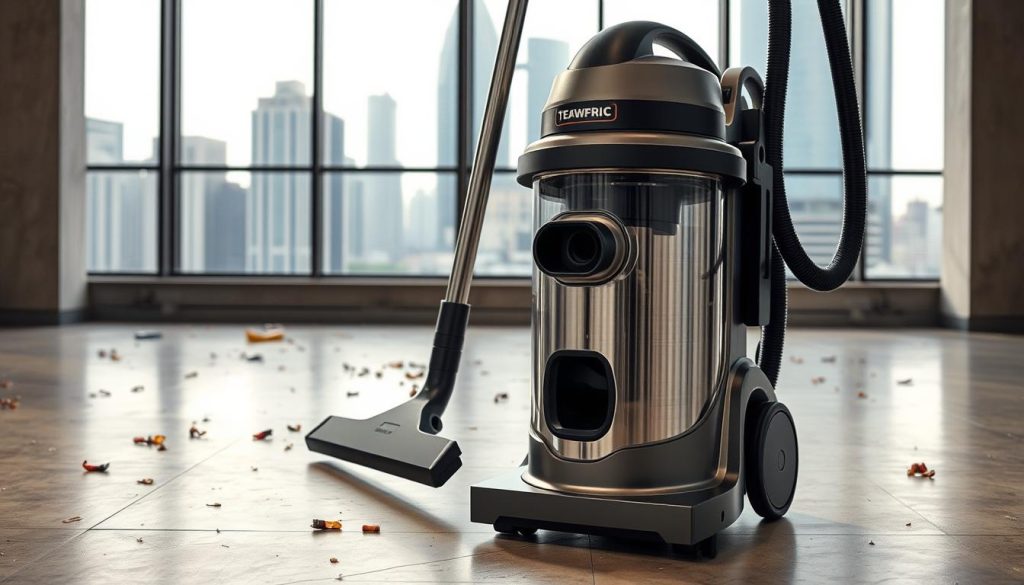
Continuous operation matters in workshops, kitchens and building sites. We look for systems that sustain power without overheating during long shifts.
Professional-grade products show this in practice: robust chassis, reinforced hoses and motors rated for extended duty cycles. Those features keep performance steady when dirt and debris are frequent.
Continuous operation and high-performance cleaning for workplaces
High-capacity tanks and larger filters reduce stoppages for emptying and maintenance. That lowers downtime and keeps teams focussed on work, not machine checks.
Sustained suction and accessory kits let staff clear both liquid spills and coarse debris quickly. This improves safety and reduces slip hazards on the floor.
When to consider professional-grade wet and dry units for tougher sites
Choose pro models when incidents are regular, when loads include grit, oils or pooled water, or when noise and storage constraints are managed by site rules.
We recommend checking rated duty cycles and accessory compatibility before purchase. Matching type and capacity to site needs avoids underpowered products and wasted price.
Protecting floors and materials to reduce downtime and long-term costs
Correct cleaning prevents surface damage. Fast drying and residue-free pick-up preserve flooring finish and reduce replacement needs.
Higher initial price often pays back through lower labour time, better hygiene outcomes and fewer material replacements.
“Investing in the right system reduces downtime and protects assets — it’s an operational decision, not just a purchase.”
| Need | Recommended feature | Commercial benefit |
|---|---|---|
| Continuous shifts | High-duty motor, cooling system | Less overheating, longer run time |
| Frequent wet incidents | Large capacity tank, rapid drain | Fewer interruptions, faster clean-up |
| Heavy debris | Durable hose, coarse debris nozzle | Improved pick-up, reduced wear |
| Floor protection | Soft nozzles, residue-free extraction | Extended floor life, fewer repairs |
How we advise buyers: match the product type to site constraints — storage, noise tolerance and frequency of wet incidents. Consider total cost of ownership, not just price.
Price, capacity and value: what to expect when buying in Singapore
Price tags mean little unless matched to capacity needs and features that reduce cleaning time in everyday life.
Typical price range and what drives cost differences
In Singapore we saw Electrolux list prices vary by model and promotion. Higher prices often reflect cordless design, added hygiene options, advanced filters and bundled accessories.
What adds cost: cordless systems, self‑cleaning cycles, antibacterial tanks, and premium filter packs. These features raise value by reducing maintenance and improving indoor comfort.
Choosing the right capacity for quick jobs versus larger puddles
Pick capacity by frequency of use. For daily spill response in a flat, a compact container lets you move quickly and store the product easily.
If you expect larger puddles or frequent post‑mopping pick‑ups, choose a larger container for longer runs and fewer stops to empty. Kärcher highlights capacity as helpful for swift pick‑up of larger accumulations of water.
Promotions, delivery and instalment options to look out for
Watch official sites for discounts up to 47%, free delivery and 0% instalment plans. These offers can make premium models more accessible and change the best-value choice.
Practical tip: compare total ownership value — how much time the product saves across weekly cleaning tasks and how often it will be used for wet and dry messes.
“Match price to predicted use. Paying more only makes sense if the capacity and features cut your cleaning time and upkeep.”
For a full checklist and examples of how capacity and features affect daily cleaning, see our recommended cleaning workflow here: whole-house cleaning checklist.
Conclusion
We conclude that for most Singapore homes a wet dry setup delivers the best blend of everyday cleaning and fast liquid pick‑up. It saves storage and cuts time by handling spills and debris with one device.
Households that rarely face spills and want the lightest, purely dry option should still consider a dedicated dry vacuum cleaner for routine dust and carpet care.
Follow our decision framework: start with space and storage, then the mess types you face, then suction consistency, drying results and maintenance effort. Note brand differences: Kärcher excels on robust, versatile wet dry performance; Electrolux focuses on home‑friendly design and hygiene features.
Next steps: shortlist the right format, check capacity versus your typical spill size, and compare deals. Read more on the benefits of owning a wet‑dry unit and some unusual uses to help finalise your choice.
The right pick reduces cleaning time, improves ease of use and keeps floors and living areas cleaner after both spills and everyday debris.

