
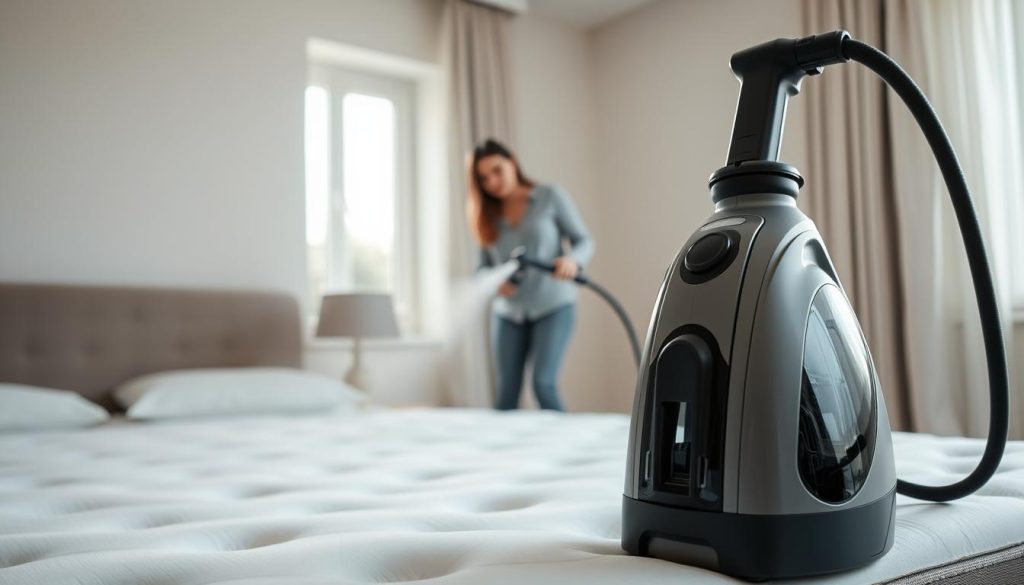
We start with a clear definition: an air purifier tune‑up is a short, safe service you can follow at home to refresh your unit. It keeps the device working well and helps protect indoor health in Singapore flats and houses.
We outline the sensible order and simple steps we recommend. This includes checks for reduced flow, odd odours and unfamiliar noise so you know when to act.
Our approach shows what good maintenance looks like for most designs. We explain how main filter stages and cleaning or timely replacement affect performance more than just running the product for longer.
What we cover next: how to handle traditional filter models and filterless plate units, and a practical, repeatable routine that uses minimal tools. The aim is clear — keep delivering clean air without causing accidental damage.
Why regular maintenance keeps your indoor air quality high in Singapore
Consistent checks and cleaning keep performance reliable, especially in humid tropical homes. We focus on simple habits that prevent problems before they start.
How clogged filters reduce efficiency, airflow and overall performance
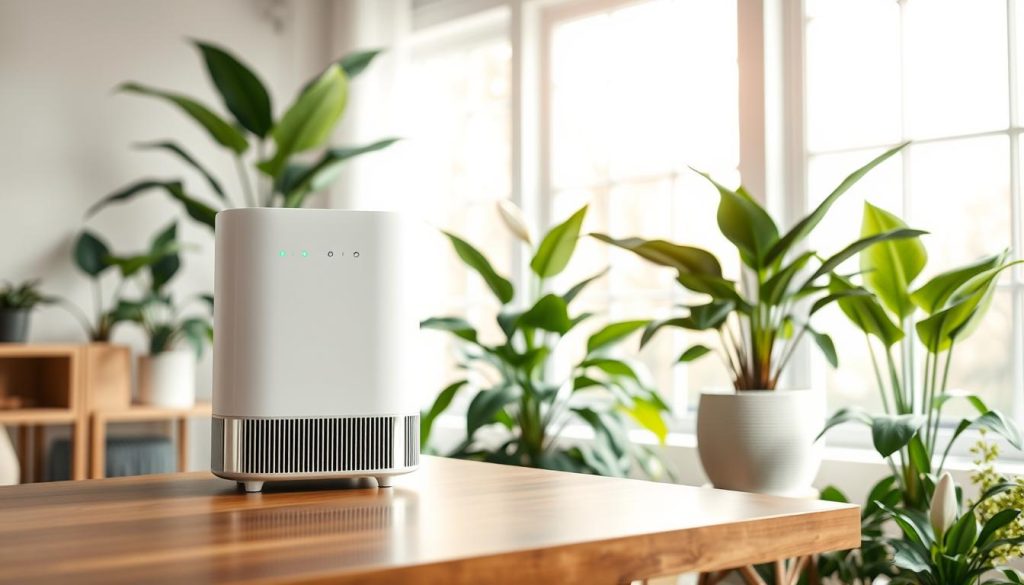
Clogged filters restrict airflow and force devices to run harder. This lowers efficiency and weakens circulation so pollutant capture becomes inconsistent.
Health and hygiene risks when upkeep is skipped
Skipping replacement can let mould and bacteria grow inside a unit and be released back into the air. That reverses the device’s purpose and risks allergies and irritation.
“Clogged filters reduce airflow and can contribute to noise and odours.”
Longer device lifespan and lower running costs with regular care
Regular maintenance delivers quieter operation, fewer odours and steadier quality readings. It also stops fans from running at high speed for long periods, which saves energy and reduces wear.
- Humidity, urban dust and haze increase the load on purifiers in Singapore.
- Dust, pet dander and particles build up and weaken filtration over time.
- Routine cleaning and timely replacement extend lifespan and cut surprise repairs.
Our approach treats upkeep as a short, repeatable habit that protects indoor air and keeps your unit working well.
Know your air purifier type before you start cleaning
Before you touch any parts, identify which model you own so cleaning is safe and effective. The correct method depends on the product design and each component’s care needs.
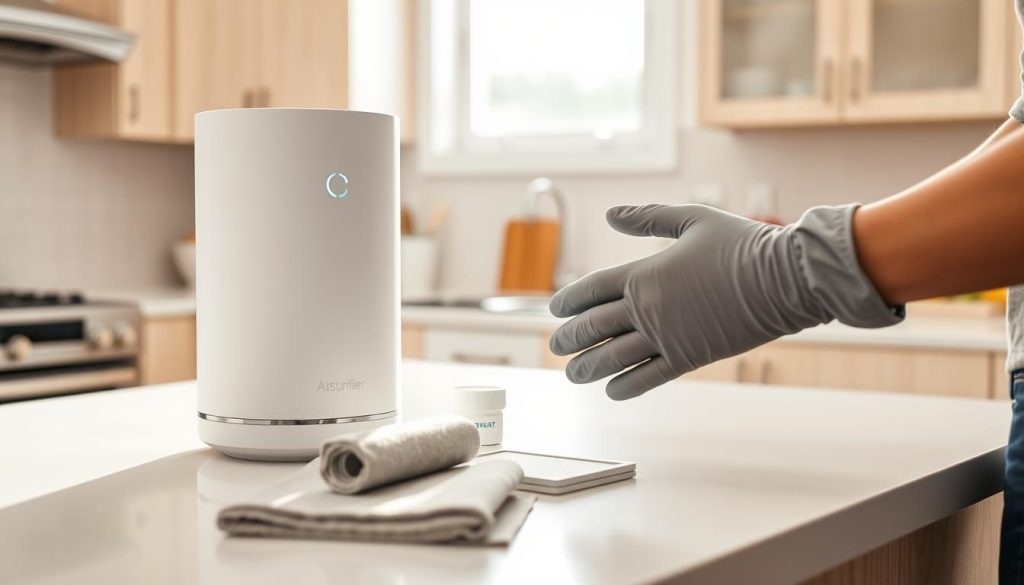
Traditional units usually include a pre-filter for large debris, a HEPA stage that captures microscopic particles (commonly rated at 99.97% for fine particulates), and an activated carbon layer for odour and VOC control. We advise treating the HEPA as non-washable; scrubbing it can reduce its particle‑trapping ability.
Filterless designs use washable collection plates. These need periodic washing and inspection even though they avoid recurring replacements. “Low maintenance” means fewer disposable parts, not zero care.
- What to wash: pre-filters and plates are usually washable.
- What not to wash: delicate HEPA fibres and some carbon media should be replaced rather than rinsed.
- Cost and waste: disposable filters raise ongoing cost and waste; reusable plates save on replacements but need regular cleaning.
For model-specific guidance and placement advice, see our recommended maintenance checklist and the manufacturer care notes. For washing techniques and practical tips, consult this guide on proper placement and run-time model care and placement, and this walkthrough on effective cleaning methods using vacuum and rinsing tips.
Air purifier tune‑up routine and timing we recommend for consistent clean air
A short schedule of small tasks helps us keep performance steady and detect issues early.
Daily wipe-down
Each day we wipe the exterior with a soft cloth. This stops dust gathering around vents and grilles and keeps airflow clear.
Weekly vent and intake check
Once a week we use a vacuum with a brush attachment to clear intake and outlet areas. Remove loose debris before it reaches the filters.
Monthly inspections
Every month we look for dirt build-up, new odours, indicator light changes and visible filter wear. These signs tell us when performance slips.
Every few months deep work
Every 3–6 months we schedule deeper maintenance: internal cleaning, fan and sensor checks, and any supported performance reset. Trent Howard recommends this cadence for consistent results.
Replacement timing
Replace or clean filters more often in poor conditions (3–6 months); in cleaner homes extend to 6–12 months. HEPA elements typically need replacement around 8–12 months depending on use. Filterless plates may require washing every 2–6 weeks based on local quality.
Tip: Set reminders and consider a quick reference note. For a practical guide to cleaning filters easily, see our suggested tool and method cleaning filters easily.
Step-by-step tune-up: cleaning filters, plates, fans and key components safely
Start by creating a clean, well‑lit area and checking the user manual for any special precautions. Always power off and unplug the unit before opening panels to protect both you and the product.
Pre‑filter care
Remove pre-filters and clear dust, debris and pet dander with a soft brush or a vacuum brush head. Where the manual allows, rinse gently and air‑dry fully before replacement.
HEPA and carbon handling
HEPA media is delicate. We remove loose particles by tapping or a short vacuum pass; avoid scrubbing. Replace HEPA when visible soiling or reduced performance appears.
Activated carbon reduces smoke and odour. Once saturated, cleaning rarely restores function — plan to replace the carbon element when odour control falls off.
Filterless plates, fans and exterior
For collection plates rinse with lukewarm water only. Do not use harsh detergents and let plates dry completely before reassembly. Use a vacuum and brush to clear fans and vents, then wipe the exterior with a soft cloth.
Placement and final checks
Keep the unit away from direct sunlight and high humidity and allow free airflow. After reassembly we check panels are seated, listen for rattles and reset indicators as needed.
Conclusion
Simple, scheduled upkeep is the easiest way to keep indoor comfort steady in Singapore homes.
We find that regular maintenance preserves air quality, reduces odours and prevents noise or flow loss. Small checks we do often beat infrequent deep cleans for steady results.
Match the routine to your model — traditional air purifier units need different care from filterless plates. Replace a saturated carbon stage or worn filters promptly for best effect.
Consider local pollutants, humidity and lifestyle when you set time reminders. With this simple schedule we keep indoor air healthy, extend device life and ensure clean air day after day.

