

We set clear expectations for what air purifier maintenance cost means in a Singapore household. This guide focuses on practical, repeatable steps that keep performance steady and predictable.
Most ongoing spend comes from filter replacements and electricity. Annual filter spend varies with model and room size. Electricity use varies with wattage and fan settings.
We explain how regular care improves indoor air quality and delivers cleaner air, not just lower bills. We also outline three clear buckets we will calculate later: filters, electricity and basic upkeep, and why each matters for long-term performance.
Think of this as a step-by-step method you can reuse when you change room, device or hours of use at home. We will use ranges and simple calculations so figures remain useful rather than confusing.
What “air purifier maintenance cost” really includes for homes in Singapore
What we pay each year depends on filter lifespan, how much electricity the unit consumes and how we use it day to day.
Upfront price is the sticker on the box. Total ownership adds recurring items that shape annual bills.
Ongoing charges versus the purchase price
We split recurring spend into three clear buckets: replacement filters, electricity/energy use, and basic upkeep such as cleaning pre-filters and wiping sensors.
How usage and goals change annual spend
Running a unit 24/7 or on high speed raises energy use and shortens filter life. Different goals — allergy control, odour removal, or managing haze — change how often filters are swapped.
Running costs cover filters, electricity and basic upkeep, and they scale with room size: larger rooms cost more to run than smaller ones (electricity estimated on an average 50 W draw).
Later we will measure annual filter spend by room size and model, and calculate electricity using our local tariff rather than a generic overseas rate.
Check your filter types and set a realistic replacement schedule
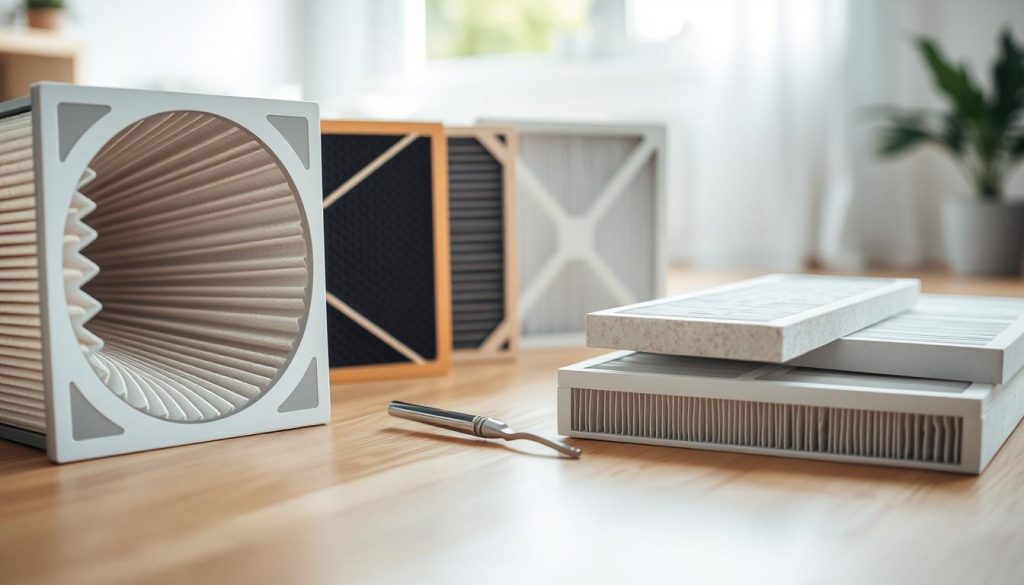
Start by mapping the exact filter stack in your unit — that list determines how often each part needs attention.
HEPA lifespan and what shortens it
HEPA filters normally last six to twelve months. In practice, heavy dust, renovation debris, frequent cooking aerosols and pet dander shorten that span.
Why carbon follows a faster cycle
Carbon cartridges typically need changing every three to six months. Once adsorption capacity is used, odours and gases pass through even if the filter looks clean.
Washable pre-filters: a simple routine
Clean pre-filters every two to four weeks. Vacuum or rinse, dry fully, then reinstall. This small habit protects the main filter and keeps airflow and performance steady.
For a practical cleaning routine see our cleaning routine.
Real-world factors and tracking
Match replacement timing to smoke or haze events, cooking frequency, pets and allergy season. An undersized model runs harder and shortens filter life.
Use indicator lights and track hours rather than trusting the clock. Many devices measure actual usage and conditions, so we replace parts when the device signals need.
“Replace by condition, not just by calendar.”
Estimate annual filter replacement costs by purifier model and room size
A clear annual budget starts with how many times filters are changed and how much each set costs. From there we can build simple scenarios for light use and 24/7 use across different models and spaces.
Typical yearly ranges and what drives the difference
Typical yearly filter spend in Singapore depends on the model and how often HEPA and carbon parts are swapped.
Key drivers include proprietary cartridges, combined HEPA+carbon packs, multipacks or subscription options, and how hard the unit runs when the room is busy.
Budget benchmarks by space size
Use this as a quick sanity check for homeowners:
Annual filter spend scales with space, from the least for small rooms and single-bed setups to the most for larger, open-plan areas.
Practical tips: multiply “how many changes per year” × “price per filter set” to get an annual figure. Check whether a model uses larger or extra carbon packs — that can raise yearly spend even if replacement frequency stays the same.
Example scenarios: light use (occasional daytime) may halve replacements versus 24/7 use, so two households with the same unit can see very different yearly bills. Remember: filters only explain half the picture; electricity for running units is the other recurring line item we will calculate next.
Calculate electricity cost for running your air purifier day and night
Small changes in fan speed and daily hours can make a big difference to our annual energy usage. Typical power draw ranges from about 30–250W, with many units near 50W on standard settings.
Step-by-step calculation
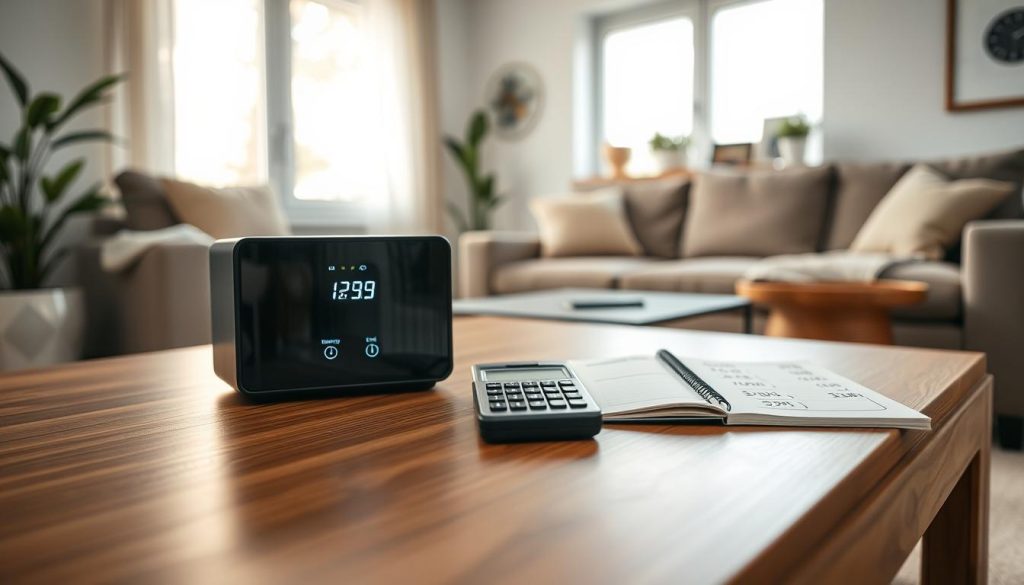
Use this simple formula: (watts ÷ 1,000) × hours per day = kWh/day. Multiply by 365 to get kWh/year, then × your tariff for the annual electricity figure.
Worked examples
30W running 24 hours = 0.72 kWh/day ≈ 263 kWh/year.
50W running 24 hours = 1.2 kWh/day ≈ 438 kWh/year.
250W running 24 hours = 6.0 kWh/day ≈ 2,190 kWh/year.
Hidden drains and efficiency
Clogged filters increase energy use by roughly 20% because motors work harder to keep airflow and performance. Energy Star-rated units can be about 40% more efficient than standard models.
- Check the wattage label.
- Test noise at the speed you will use for sleep.
- Estimate yearly kWh before buying and link to our cleaning guide for routines: cleaning routine.
“Measure watts and hours, not guesses—then choose efficiency.”
Lower maintenance costs without sacrificing clean air performance
Small, steady habits make the biggest difference to yearly bills without lowering clean air delivery. We focus on practices that stretch component life and cut needless energy draw while keeping indoor air quality steady.
Pre-filter care extends main filter life
Clean pre-filters every two to four weeks. That simple routine reduces dust load and can extend HEPA life by months.
We vacuum or rinse, let parts dry fully, then reinstall. It preserves airflow and delays replacement cycles.
Run at the right speeds and use auto modes
Use lower fan settings for quiet bedrooms and sleep. High settings are for short spikes, not constant use.
Auto modes adjust output to actual conditions. That reduces unnecessary energy draw while still responding to pollution events.
Match size to the room and plan replacements
Choose a unit rated for your room size so it does not work harder than required. Proper sizing cuts both energy use and part turnover.
Buy genuine replacement parts from official sellers and plan ahead for Singapore promotions. This avoids last-minute mark-ups and ensures designed fit and predictable performance.
“Lower filter turnover plus lower energy draw equals lower annual spend with steady clean air delivery.”
Spot the signs maintenance is overdue before performance drops
A few simple checks reveal when a unit is struggling long before it fails. We watch both visible changes and how the unit behaves in daily use.
Visual cues you can check in minutes
Discolouration or darkening of the filter means particles have built up and it no longer captures new pollutants effectively.
Heavy dust on grills and pre-filters shows the main element is under strain. Visible saturation is a clear sign to act.
Performance cues that affect comfort and health
We note weaker airflow at the same setting, higher noise levels and lingering odours. Allergy flare-ups or recurring symptoms tell us the unit no longer protects indoor health.
Indicator lights are useful prompts, but we confirm by sight and a quick airflow check before replacing parts.
| Sign | What to look for | Immediate action |
|---|---|---|
| Discolouration | Filter turns grey or dark | Inspect and replace if saturated |
| Reduced flow | Weaker airflow at usual speed | Clean pre-filter; test; replace main filter if unchanged |
| Noise & smell | Unit louder; odours persist | Check seals, carbon inserts; replace if needed |
Keep replacement predictable: match these checks to your schedule and review our guidance on when to replace filters so overdue service becomes a routine, not an emergency.
Conclusion
Combining replacement cycles and run-hours gives us a dependable yearly view, and helps turn surprises into manageable plans. We summarise the method: identify filter types, set a realistic schedule by conditions, estimate annual replacement spend, and calculate electricity from wattage and hours.
To keep yearly bills low we focus on three levers: match the purifier to the room, clean pre-filters regularly, and favour auto or low speeds for steady performance. Proactive maintenance prevents higher energy draw and faster wear.
Simple actions: check indicator lights, inspect the filter, log runtime habits, and order replacements before they become urgent. The result is predictable running cost and consistently cleaner air from the same unit.

