
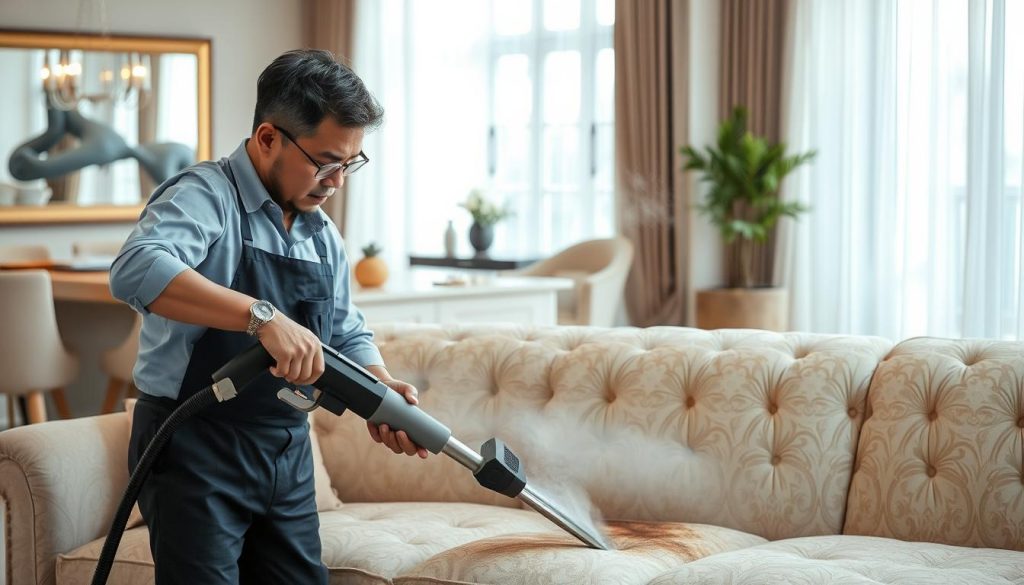
We look at what sets an all‑in‑one wet dry option apart from a standard cordless vacuum. These machines pick up dry debris and mop spills in a single pass, which saves time for busy households and pet owners.
In Singapore today there are clear trade‑offs to weigh: price, weight, noise and tank size. We explain what to expect so you can decide if a wet dry unit suits your floors and routine.
Our roundup focuses on the specs that matter: tank capacity, suction, runtime and charging. We also test real‑life usability such as edge reach, self‑clean cycles and odour control.
Finally, we outline the format: a quick comparison table, then our top picks for budget needs, pet homes, heavy wet cleaning and hygiene‑led rollers. This helps you find the right model for your home without fuss.
Key takeaways: wet dry models save time; expect heavier builds and more noise; check tanks and runtime for larger clean‑ups.
Cordless wet and dry vacuum cleaners for Singapore homes
High-rise living in Singapore often means juggling limited storage and multiple types of messes. We look at how a single appliance can cut clutter and speed up routine cleaning in compact flats.
What a wet dry vacuum does that a dry vacuum cleaner cannot
Wet dry machines pick up spilled drinks and damp footprints as well as loose dust and hair. A traditional dry vacuum cleaner is built for dry debris only; using it on wet mess can damage the motor and filter.
Wet dry vacuums have stronger motors and larger tanks, so they tend to be heavier and noisier. That trade‑off buys versatility: quick liquid pick‑ups and solid dirt removal in one pass.
Who benefits most: families, pet owners and small flats with hard floors
Typical Singapore scenarios include kitchen splashes, rainy-day mud at the door, and accidental spills in living rooms. In these cases a wet dry unit saves time and a trip to the mop bucket.
- Families: frequent spills from children.
- Pet owners: fur plus muddy paw marks.
- Small flats: less storage, fewer appliances needed.
Note: wet dry models can feel bulkier than a standard dry vacuum. We will judge manoeuvrability, weight and corner reach when choosing our top picks.
What to look for in a cordless water vacuum cleaner
Choosing the right wet-dry model comes down to matching tank size, suction and tools to your flat’s layout. We break the buying factors into clear checks so you can weigh trade-offs quickly.
Tank capacity
Clean vs dirty volumes affect how often you stop to refill or empty. For a small flat, a 700–800ml clean tank often suffices. Larger flats benefit from 1,000ml+ models to reduce interruptions.
Suction and power
Brands report power in Pa or Air Watts. We compare both: Air Watts (e.g. 130–140 AW on some sticks) and Pa (20,000+ on many floor washers). Focus on real performance, not just the highest number.
Floor compatibility and filtration
Tiles, vinyl and marble tolerate wet-dry use. For wooden floors, choose low-moisture settings and avoid heat. Filter choice matters: HEPA is worth it for allergy sufferers; standard filters suit routine dust and spills.
Runtime, brush design and usability
Match runtime to flat size and note charge time—long recharges can disrupt a cleaning session. Look for anti-tangle rollers, low-profile heads for corners and edge tools for skirtings.
Noise, weight and accessories
Wet-dry units can be heavier and louder. Prioritise balanced weight, good manoeuvrability and useful attachments: pet tools, extension wands and multi-surface heads add real value.
Quick comparison of top cordless wet dry models in Singapore
We present a quick spec view so you can weigh runtime, tanks and upkeep at a glance.
Below is a compact comparison of the models we tested, focused on tank volume, suction/power, weight, runtime and charge time. We flag hot‑water capability and self‑cleaning where relevant.

At‑a‑glance specs
| Model | Tanks (clean/dirty) | Suction (Pa) | Weight / Runtime / Charge |
|---|---|---|---|
| Tineco Floor One S7 Stretch | 1000ml / 720ml | 22,000 | 4.7kg · 50min (washer) / 70min (vac) · 4.5h |
| Dreame H15 Pro Heat | 800ml / 650ml | 22,000 | 6kg · up to 70min (normal) / 25min (hot) · 4h |
| Simplus Cordless Wet‑Dry | 500ml / 550ml | 21,000 | 4.4kg · 50min · 4.5h |
| Bissell CrossWave X7 Pet Pro | 820ml / 420ml | up to 20,000 | 4.8kg · 30min · 4h |
| Dibea H8 | 500ml / 600ml | 13,000 | 3.7kg · 38min · 4.5h (self‑cleaning) |
| Dibea HC26 | 700ml / 700ml | 146,000 | 3.85kg · 38min · 4.5h |
| Narwal S20 Pro | 790ml / 720ml | 20,000 | 4.27kg · 60min · 3.5h (hot water yes) |
| Shark HydroVac WD210SM | 500ml / 360ml | 2,700 | 3.9kg · 30min · 4h (antimicrobial rollers) |
Notes: Dreame and Narwal offer hot water mopping, useful on oily kitchen marks and stubborn stains. Dibea H8 has built‑in self‑cleaning and Shark uses antimicrobial rollers; both reduce maintenance effort.
Tip: Check the product page for current price and bundle deals in Singapore, and remember runtime figures can fall in hot‑water or high‑power modes.
Our best cordless wet dry vacuum cleaner picks for present-day buying
These selections favour balanced performance, manageable weight and features that reduce daily effort. We chose models that suit common Singapore needs: pet hair, spills, tight corners and small storage spaces.
Overall smart all‑rounder: Tineco Floor One Switch S7 Stretch
Tineco wins for iLoop sensing, 22,000 Pa suction and a 1000/720ml tank pair. It also converts to a stick for dry-only jobs.
Best for pet hair and rugs: Bissell CrossWave X7 Cordless Pet Pro
Bissell targets fur with Turbo Pet mode and suits mixed floor types. Tanks are 820/420ml and runtime is practical for quick sessions.
Best budget buy: Simplus Cordless Wet‑Dry
Simplus offers 21,000 Pa, a 50‑minute runtime and a flat‑folding head to reach under furniture in compact flats.
Other specialist picks
- Dreame H15 Pro Heat: hot 85°C mopping for stubborn stains (take care on wooden floors).
- Narwal S20 Pro: lightweight manoeuvrability, AI Dirt Sense and triple‑side edge cleaning.
- Shark HydroVac WD210SM: antimicrobial rollers for hygiene and odour control.
- Dibea H8: built‑in self‑cleaning for low maintenance.
- Dibea HC26: twin 700/700ml tanks for longer wet passes.
| Model | Tanks (ml) | Suction (Pa) |
|---|---|---|
| Tineco S7 Stretch | 1000 / 720 | 22,000 |
| Bissell X7 Pet Pro | 820 / 420 | 20,000 |
| Simplus Wet‑Dry | 500 / 550 | 21,000 |
Dyson wet and dry options in Singapore: is the price worth it?
Dyson’s Submarine range asks whether premium engineering justifies a premium tag in Singapore. We set a clear value test: lighter handling, consistent power and top‑tier filtration must earn the price.
Dyson V12s Origin Submarine: lightweight and allergen focus
Specs: 300ml/360ml tanks, 130 Air Watts, 2.2kg, up to 60 min, 3.5h charge.
We like the low mass for manoeuvring. The design targets bacteria and allergens, but the small tanks mean more frequent refills for wet dry tasks.
Dyson V12s Detect Slim Submarine: HEPA and visibility
Specs: 300ml/360ml, 140 Air Watts, 3.1kg, 60 min, HEPA plus Fluffy Optic head.
The HEPA filter and particle‑revealing head help when fine dust and allergy control matter. This model trades slightly more weight for better filtration and sightlines on hard floors.
Dyson Digital Slim Submarine: compact trade‑offs
Dyson’s slimmest option cuts bulk but reduces run time to ~40 minutes. If we prioritise compact storage and brisk sessions, this is sensible. For heavy wet dry cleaning, larger‑tank models remain better value.
- Quick note: Dyson reports suction in Air Watts, not Pa, so compare units carefully when weighing power figures.
- When to choose Dyson: pick it for manoeuvrability, premium filter performance and useful tools. For long wet passes, a larger‑tank wet dry model may offer more value.
Electrolux wet and dry vacuum cleaners: drum vs cordless stick formats
Electrolux splits its wet‑dry range into heavy drum units and nimble stick models to suit very different chores.
Drum machines handle renovation debris and larger volumes with greater capacity and robust build. They suit garages and heavy clean‑ups where tank size and raw power matter.
Stick formats prioritise ease of use. The lighter handling and compact design make sticks better for daily hard‑floor care and quick spills.
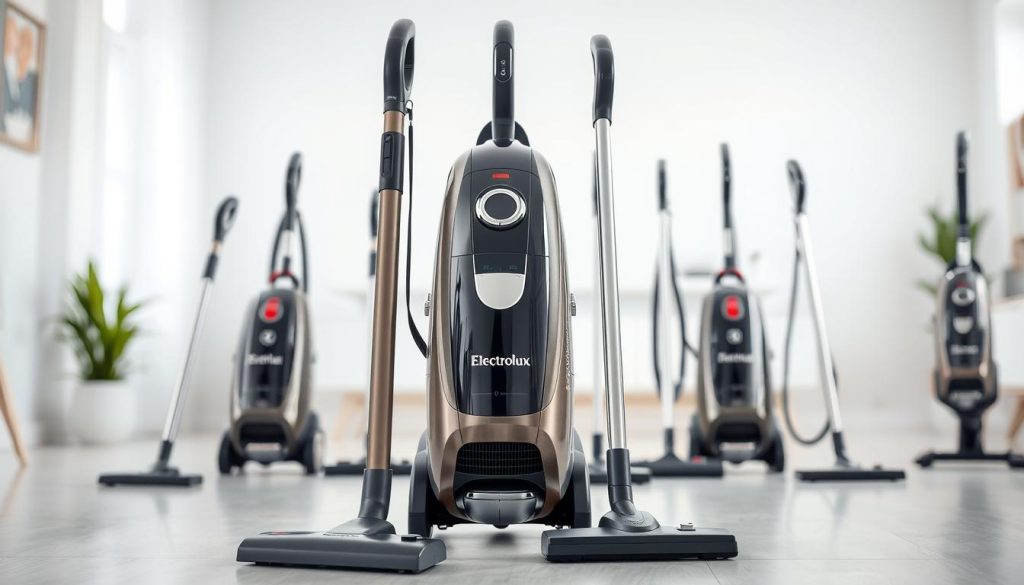
Electrolux 800 3‑in‑1 EFW81713 — key features
The Electrolux 800 3‑in‑1 Wet & Dry Cordless model (EFW81713) pairs a TriAction nozzle with smart dirt detection. A detachable hand unit helps spot cleans around chairs and skirtings.
Self‑cleaning reduces post‑use fuss. We found the feature valuable for homes that need frequent, simple maintenance.
“The detachable hand unit makes short jobs quick — no second device needed.”
Pricing and offers in Singapore
Electrolux pricing spans a wide range locally, with promotions up to 47% off at times. Watch for bundle gifts and time‑limited discounts to improve value.
| Format | Best for | Typical benefit |
|---|---|---|
| Drum | Heavy clean‑ups | Large tanks, robust handling |
| Stick (EFW81713) | Daily hard floors | TriAction nozzle, smart sensing, self‑clean |
| Both | Varied home needs | Reputable support, clear model choices |
For full model details and current offers see the Electrolux wet and dry range in Singapore.
Prices, platforms and what to check before we buy in Singapore
A smart buy starts with platform comparison and a close look at what the listed price actually covers. We balance speed, savings and after‑sales support when choosing where to shop.
Where we shop: Lazada, Shopee, Amazon and official brand stores
Marketplaces such as Lazada and Shopee often run vouchers and bundle deals that cut the sticker price.
Amazon can show wider model choice and third‑party offers, but check shipping and local support. Official brand stores give clearer warranty terms, free delivery and instalment plans.
What affects price
The main drivers are hot‑water or steam functions, smart sensing that auto‑adjusts suction, premium filtration and self‑clean systems. Each adds cost but can save time and improve results for regular cleaning.
Warranty, returns and accessories
Always open the product page to confirm included items: charging dock, spare rollers, extra filters and any detachable hand tool.
Factor in total cost of ownership: replacement rollers, filters and cleaning solutions add recurring expense. Check warranty length, return windows and accessory stock on the same platform.
Our tip: for higher‑ticket wet dry vacuum purchases we favour official stores for peace of mind, then compare marketplace deals when warranty terms match.
Maintenance tips to keep suction and cleaning performance strong
Regular upkeep keeps performance high and odours at bay. We outline a short, repeatable routine you can do after each wet pass and a few deeper tasks for monthly care.
Emptying dirty tanks and preventing smells
Empty the dirty tank immediately after cleaning. Rinse it with clean water and leave the cap off so air can circulate.
Do not store components sealed while damp. That traps moisture and encourages bacterial build‑up and odours.
Cleaning and drying the brush roller
Remove hair and debris from the brush after use. If the roller got food or pet mess on it, rinse and blot it dry with a cloth.
Dry fully before refitting. Even models with self‑clean cycles still need manual drying to stop bacteria forming.
Filter care for suction and dust control
Check the filter monthly. Wash reusable filters as the manufacturer directs and replace disposable ones on schedule.
Why it matters: clogged filters reduce suction, lower power and worsen fine dust capture — which matters for allergy control in Singapore flats.
Storage and charging to protect battery life
Store the unit dry and cool. Follow charge guidelines: avoid leaving the battery fully flat for long periods and plug in for regular top‑ups between intense sessions.
“Empty, rinse, air‑dry — those three steps stop most odour and bacteria problems before they start.”
| Issue | Likely cause | Quick fix |
|---|---|---|
| Reduced suction | Clogged filter or full dirty tank | Empty tank, clean or replace filter |
| Streaky wet cleaning | Dirty roller or low solution level | Clean roller, top clean tank and test again |
| Persistent smell | Moist components stored sealed | Rinse parts, air‑dry and leave vents open |
Conclusion
A useful wet dry unit should fit your daily routine, not force one on you. ,
Key takeaway: the best wet dry vacuum matches your floors, mess types and willingness to empty tanks and do basic maintenance. Look beyond headline power numbers to tank size, runtime and real usability.
Match needs to models: a smart all‑rounder for mixed homes, a pet‑focused head for fur, a budget option for simple tasks, a hot‑water feature for greasy stains, and lightweight designs for tight flats.
When you buy in Singapore, compare price across Lazada, Shopee, Amazon and official stores. Confirm warranty terms and spare‑part availability before checkout.
Final note: long‑term performance depends on routine tank emptying, roller drying and timely filter care — that keeps suction and cleaning consistent.

