
We start with a clear definition for Singapore households: a best selling wet and dry vacuum cleaner is one machine that handles solid debris and liquid spills so you spend less time swapping tools. We will show models that suit flats, pets and busy families.
In this roundup we list winners by use case. We cite real specs — tank volumes, suction, runtime, weight and charge time — so you can compare without guesswork.
Our focus is not only on raw power. We cover handling, noise and storage, which matter in HDB flats and condos. We also preview six main picks (Tineco, Bissell, Simplus, Narwal, Dreame, Shark) plus a Dyson note for shoppers weighing premium price against performance.
Why wet and dry vacuum cleaners are selling fast in Singapore right now
Everyday life in Singapore brings tracked grit, kitchen drips and sudden spills that demand fast cleanup. We see a lot of mixed messes: crumbs with liquid, pet paw prints, and sticky remnants after meals. These situations explain why many households shift to a single, multi-mode device for routine jobs.
Made for real-life messes: debris, dirt and everyday spills
Mixed messes are common in HDB corridors and condo kitchens. A device that picks up loose debris while removing small spills saves time. It cleans crumbs and damp marks in one pass, so we do not have to vacuum first then mop.
Ideal for homes with children and pets
Families with young children face frequent small spills and sticky patches. Pet owners deal with fur plus muddy prints. Quick, targeted clean-ups reduce the need for a full mop-and-bucket routine and help keep living spaces hygienic.
Faster than separate vacuuming and mopping on hard floors
On tiles, vinyl and laminate, combined tools cut routine cleaning time. They work well on most hard floors but may need different care for rugs and carpets. We set realistic expectations: these units speed up maintenance, yet you must still rinse tanks and empty dirty water after use.
“For daily upkeep, the single-pass approach is a game changer in compact homes.”
- Tracks-in grit and kitchen drips are easier to manage with one pass.
- Crumbs plus liquid are handled together, not in separate sessions.
- Hard floors are the ideal surface; rugs may need a different approach.
What a wet and dry vacuum cleaner is and how the system works
The core idea is simple: supply clean water, scrub with a roller, then extract the mess into a dedicated tank. We define this category as machines that combine liquid delivery with rolling agitation and extraction to tackle common household stains.
How clean water, brush rollers and suction lift stains
Clean water (sometimes mixed with a small amount of detergent) wets the brush roll. The brush agitates the surface to loosen dirt and stains.
Powerful suction then pulls the slurry away into a dirty water tank so you are not spreading muck around. The separate water tank arrangement keeps clean and dirty water apart for better results.
Why these models are heavier and louder than a dry vacuum
These machines need extra components: dual tanks, pump systems, larger motors for stronger suction. That adds weight and noise compared with a standard dry vacuum.
Expect different handling when turning, reversing or storing a bulkier unit in HDB flats. Routine emptying of the dirty water tank is essential in Singapore’s humid climate to prevent odour build-up.
How we chose our top picks for Singapore homes
Our selection started by matching devices to typical HDB and condo routines. We prioritised tools that clean hard floors well, reach edges, and fit into compact storage spaces.
Hard floors performance matters most for tiled kitchens and vinyl corridors. We checked brush designs, side reach and whether near-wall scraping keeps skirting lines tidy.
Water and tank capacity for city flats
We compared clean water and dirty water tanks by real use. Larger tanks cut refill trips but add bulk that affects turning and storage.
Suction power and handling wet messes
We tested suction strength on sticky spills and tracked-in grit. Power that lifts slurry without leaving residue earns higher marks.
Battery life, runtime and charge time
For cordless models we measured battery life and runtime in minutes. We judged if a single charge covers a typical session or forces a mid-clean pause.
Maintenance realities
Self-cleaning programmes help, but routine maintenance still includes rinsing the dirty tank and keeping the brush roller dry.
“Practical usability — turning radius, lie-flat reach and simple tank emptying — often matters more than peak specs.”
| Criterion | Why it matters | What we tested | What we recommend |
|---|---|---|---|
| Hard floors | Most Singapore units are tiled or vinyl | Brush action, edge reach | Dual-side rollers and near-wall tools |
| Tank capacity | Refill frequency vs bulk | Clean tank vs dirty water tank sizes | Balanced tanks for 40–60 minute sessions |
| Suction & power | Removes slurry and grit | Wet pick-up tests, residue checks | Strong but controllable suction, multiple modes |
| Battery & runtime | Completing a session without interruption | Run time in minutes and charge time | 50+ minutes for cordless practicality |
Our best selling wet and dry vacuum cleaner picks at a glance
This at-a-glance guide highlights models suited to pets, small flats and busy kitchens. We list the headline specs you need: clean and dirty tank sizes, runtime and notable features so you can decide quickly.
-
Overall: Tineco Floor One Switch S7 Stretch
Specs: 1,000ml clean / 720ml dirty; up to 50 minutes runtime. Why this works: smart iLoop adjustments and versatile design for most hard floors.
-
For pet hair: Bissell CrossWave X7 Cordless Pet Pro
Specs: 820ml clean / 420ml dirty; up to 30 minutes runtime. Why this works: turbo pet mode for fur and tracked-in grit on mixed surfaces.
-
Budget pick: Simplus Cordless Wet-Dry
Specs: 500ml clean / 550ml dirty; up to 50 minutes runtime. Why this works: compact design and strong suction for everyday sessions at a lower price.
-
Most manoeuvrable: Narwal S20 Pro
Specs: 790ml clean / 720ml dirty; up to 60 minutes runtime. Why this works: flat-fold design and precise edge cleaning for tight HDB layouts.
-
Hot-water mopping: Dreame H15 Pro Heat
Specs: 800ml clean / 650ml dirty; 85°C hot water, 22,000 Pa suction, up to 70 minutes runtime. Why this works: tackles oily spills and deep stains with heat-assisted cleaning.
-
Value all-rounder: Shark HydroVac WD210SM
Specs: 500ml clean / 360ml dirty; up to 30 minutes runtime. Why this works: antimicrobial brush rollers and balanced features for quick clean-ups.
| Model | Clean / Dirty (ml) | Runtime (mins) | Standout feature |
|---|---|---|---|
| Tineco S7 Stretch | 1,000 / 720 | 50 | Smart sensors, versatile design |
| Bissell X7 Pet Pro | 820 / 420 | 30 | Turbo pet mode |
| Simplus Cordless | 500 / 550 | 50 | Affordable price, solid suction |
| Narwal S20 Pro | 790 / 720 | 60 | Manoeuvrable, edge cleaning |
“Match the model to your priorities — pets, tight spaces or hot-water performance — and you’ll get the most value for your price point.”
We cover pros and cons in the following sections so you can see when a pick is not ideal for certain floors or storage limits.
Overall best for most people: Tineco Floor One Switch S7 Stretch
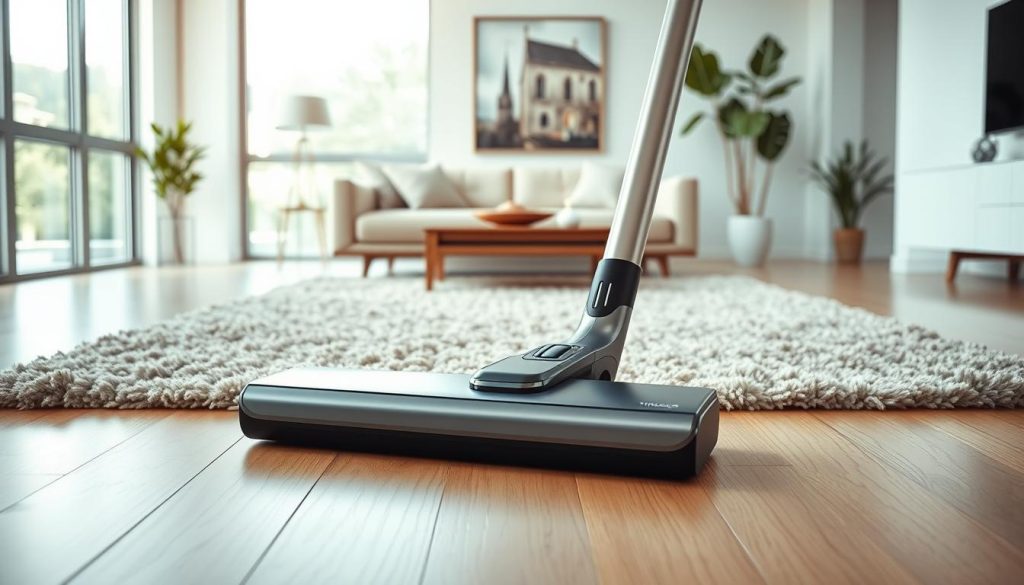
For busy Singapore homes we favour a model that blends smart sensing with usable tank sizes and a flexible stick form. The Tineco Floor One Switch S7 Stretch delivers a strong mix of automation and practical specs for tiled flats and condos.
Key specs and daily impact
Specs: 1,000ml clean water tank, 720ml dirty water tank, 22,000 Pa suction, 4.7kg weight. The floor washer gives up to 50 minutes runtime and vacuum mode up to 70 minutes, with a 4.5-hour charge.
Smart sensing and Auto Mode
The iLoop sensor feeds an LCD readout and adjusts flow in Auto Mode. It reduces over-wetting on light dirt and ramps power on heavier spills, which saves water and time during everyday sessions.
Brush design and switchable use
The dual-side brush roll reaches to about 0.5cm from the skirting, cutting the missed strip that annoys many owners of hard floors. The switchable design converts to a stick for dry-only jobs, making it useful across mixed surfaces.
- Practical notes: the tank sizes reduce mid-session refills for most flats.
- At 4.7kg and a 4.5-hour charge, assess storage and battery life against your routine.
- We recommend this model for households seeking a user-friendly, feature-rich option; see the official offer Tineco Floor One deals.
Best for deep stains and oily spills: Dreame H15 Pro Heat
For homes that tackle heavy cooking messes, a hot-water option offers a stronger reset than routine wipes. The Dreame H15 Pro Heat pairs high temperature with strong suction to lift oil and set-in marks that standard sessions struggle with.
Hot water mopping at 85°C and what it’s good for
Hot water at 85°C helps break down grease and stubborn stains more quickly than cold rinses. Use it for oily spills and kitchen spots where a normal pass only smears residue.
Specs that matter
Key figures: 800ml clean tank, 650ml dirty tank, 22,000 Pa suction, weight 6kg. Rated runtime is up to 70 minutes in normal mode and about 25 minutes in hot-water mode. Charge time is roughly 4 hours.
Design and day-to-day manoeuvrability
The flat-folding design and auto-traction wheels reduce effort when pushing a heavier unit. These features help with storage and with smoother turns in corridor-style Singapore flats.
When to avoid it
Be cautious on wooden floors: high heat and damp can stress some finishes. The 6kg weight and shorter hot-water runtime mean this model suits households that want a deeper, occasional reset rather than constant light maintenance.
Who should choose it: regular cooks and busy kitchens that need stronger stain-fighting power. If you prefer lighter handling or frequent short sessions, consider a lighter option instead.
Most manoeuvrable for tight spaces: Narwal S20 Pro
B. Compact flats need a nimble solution that reaches corners and threads between chair legs without fuss.
Design is central to the Narwal S20 Pro. The flat-folding form lets us slide the head under low sofas and cupboards without lifting the whole unit. That saves time and reduces strain when we clean frequent, short sessions in HDB flats.
Lightweight handling with flat-folding design
At 4.27kg the unit stays light enough for stairs and tight turns. The flat-folding layout improves reach and smooth transitions around obstacles.
AI Dirt Sense with multiple cleaning modes
AI Dirt Sense detects dirt and adjusts flow automatically. There are five cleaning modes so we can choose quick maintenance or deeper passes depending on the mess.
Triple-sided edge cleaning for corners and skirting lines
Triple-sided edge cleaning catches crumbs and hair along skirting lines and into corners. It reduces the need for follow-up detailing, though we still recommend occasional manual touch-ups for very tight crevices.
- Specs: 790ml clean tank, 720ml dirty water tank, 20,000 Pa suction power.
- Runtime: up to 60 minutes; charge time ~3.5 hours.
- Ideal for hard floors in kitchens and living areas where quick manoeuvring beats very large tanks.
“For narrow layouts, a flat-fold design and smart sensing cut the time spent wrestling bulky machines.”
Best for pet hair and tracked-in dirt: Bissell CrossWave X7 Cordless Pet Pro
Pet ownership changes cleaning priorities: fur, damp paw prints and gritty trails arrive together. The CrossWave X7 is designed to tackle those mixed messes swiftly with a focus on pet-use features.
Turbo Pet mode and enhanced suction for stubborn mess
Turbo Pet mode boosts suction and uses a pet-safe solution to loosen trapped fur and sticky spots. With up to 20,000 Pa suction power the head lifts heavier debris and embedded dirt so we often avoid repeat passes.
Tank design considerations: balancing clean water and dirty capacity
The unit has an 820ml clean tank and a 420ml dirty tank. That trade-off means fewer refills of clean water but more frequent emptying of dirty water during heavy sessions.
Buyer tip: if you face large wet mess regularly, prioritise dirty-water capacity and ease of emptying.
Where it fits best: hard floors and rugs in pet-friendly homes
The cordless design weighs 4.8kg with a maximum runtime of 30 minutes and a 4-hour charge. It suits targeted room-by-room cleaning on hard floors and low-pile rugs in common areas.
- Plan short sessions per room to match the 30 minutes runtime.
- Expect strong cleaning performance on hair and tracked-in dirt, with quick maintenance between deep cleans.
Best budget buy for everyday cleaning: Simplus Cordless Wet-Dry Vacuum Cleaner
Small flats benefit from a compact design that still delivers strong suction and sensible run times. We position the Simplus as a value choice that covers routine sessions without premium cost.
Strong suction and practical battery life for full cleaning sessions
Key specs: 500ml clean tank, 550ml dirty tank, 21,000 Pa suction, weight 4.4kg and a maximum runtime of 50 minutes with a 4.5-hour charge.
The 21,000 Pa suction lifts crumbs and everyday dirt from hard floors and handles small spills without repeated passes. With up to 50 minutes of battery life, we can clean living areas and corridors in one go on most HDB layouts.
Brush head width and 180° flat-folding for hard-to-reach corners
The compact 6.5cm brush head and a 180° lie-flat design let us reach skirting lines, narrow corners and under low furniture. That design reduces the time spent nudging the machine into awkward spots.
Trade-offs: at this price you will not get heat-assisted cleaning or advanced sensors. Regular maintenance—emptying the dirty water tank and rinsing the water tank—keeps performance steady.
- Who it suits: first-time buyers, smaller homes and anyone seeking value over extras.
- Good balance of suction, battery and tank setup for typical Singapore cleaning routines.
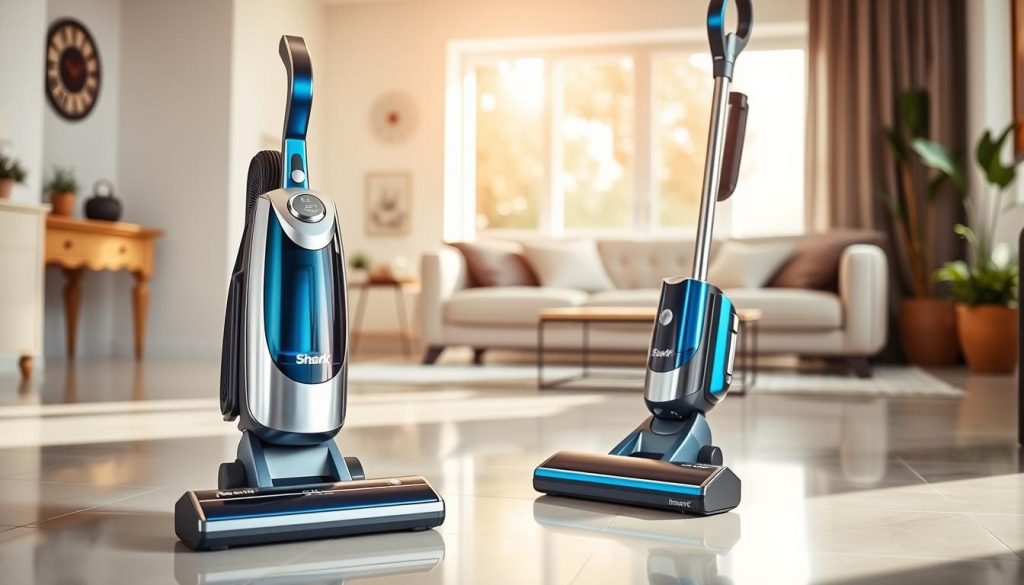
Best value, practical choice: Shark HydroVac WD210SM
For households that need quick, no-fuss sessions, a compact, reliable model often wins the daily battle against crumbs and spills.
Antimicrobial brush rollers to reduce odours and bacterial build-up
Shark’s antimicrobial brush rolls help limit bacterial growth on the roller surface. In Singapore’s humid climate this reduces the chance of musty smells after short-use sessions.
With a 500ml clean tank and a 360ml dirty water tank the unit stays light at 3.9kg. Suction is 2,700 Pa and max runtime is 30 minutes with a 4-hour charge.
When it works best: quick clean-ups across common household surfaces
We find this model suits kitchens, dining areas and entryways where fast results matter. The smaller dirty tank means more frequent emptying during bigger jobs, but it speeds routine room-by-room sessions.
- Practical notes: plan short zones to use the 30 minutes efficiently.
- Prompt emptying, rinsing and drying keeps the system fresh even with antimicrobial parts.
- Recommended for buyers seeking a known brand, sensible features and accessible price over flagship specs.
“A light, well-designed unit can make daily upkeep far less tedious.”
Dyson wet and dry options in Singapore: what to know before paying more
Dyson models command a premium in Singapore. We explain what you pay for and when the higher price makes sense for a compact home or allergy-aware household.
Why Dyson costs more: the brand invests heavily in R&D, cyclonic suction breakthroughs and refined filter systems. That engineering delivers strong dry vacuum performance, sustained suction and advanced filter systems that capture fine dust and allergens.
Dyson V12s Origin Submarine — light design, long runtime
The V12s Origin Submarine is aimed at buyers who want a lightweight unit with long runtime. Specs: 300ml clean / 360ml dirty water; 130 Air Watts; 2.2kg; up to 60 minutes runtime; ~3.5h charge. It balances handling and sustained battery life for routine sessions.
Dyson V12s Detect Slim Submarine — HEPA and Fluffy Optic head
This model adds a HEPA filter and a Fluffy Optic head to show fine debris on hard floors. With 140 Air Watts and similar tank sizes, it suits homes where dust and allergens are priorities. Improved head visibility helps us spot missed particles during passes.
Dyson Digital Slim Submarine — compact, shorter runtime trade-off
The Digital Slim Submarine trades longer runtime for a more compact design. It is useful for small flats where storage and light handling matter more than extended minutes. Note the 300ml clean water tank limits long mopping sessions; expect more frequent refills and dirty water emptying.
“If filtration, cyclonic power and light handling are your priorities, Dyson can be compelling; for larger water capacity and extended wet scrubbing, other models may deliver better value.”
| Model | Clean / Dirty (ml) | Runtime (minutes) | Standout feature |
|---|---|---|---|
| V12s Origin Submarine | 300 / 360 | 60 | Lightweight 2.2kg, 130 Air Watts |
| V12s Detect Slim Submarine | 300 / 360 | 60 | HEPA filter, Fluffy Optic head, 140 Air Watts |
| Digital Slim Submarine | 300 / 360 | ≈40 | Compact design, trade-off on runtime |
Decide by priorities: choose Dyson for cyclonic suction, refined power delivery and top-tier filtration. If you need larger water tanks or longer continuous wet cleaning, compare alternatives in our guide or read a local roundup at a Singapore review.
Choosing the right model for your floors: hard floors, rugs and mixed homes
Your home’s mix of tiles, rugs and low-pile carpets should guide model choice.
For dedicated hard floors we favour units that focus on mopping performance. Dedicated hard-floor models give the deepest wet-dry results but are not ideal for carpets.
Multi-surface combos use swappable heads to handle both hard surfaces and rugs. They are more flexible, yet often deliver less intensive mopping on tiles.
Robot alternatives for light, hands-off maintenance
Robot vacuum-mop systems suit daily dust and light dirt. Their docks can refill water and empty debris, but they will not scrub sticky spillages like a manual wet-dry machine.
Edge cases to consider
Low-pile carpets, door tracks and under-bed reach matter in compact flats. A lie-flat design helps access low furniture. Choosing the right head and mode prevents over-wetting rugs or streaking sensitive finishes.
- Map your floors room-by-room to match tool type.
- Pair a floor-focused wet-dry unit for kitchens with a dry vacuum or robot for bedrooms.
“Match tools to surface, and routine maintenance becomes faster and more reliable.”
Key buying factors to compare before you buy
Before you buy, compare how each model balances practical capacity, usable power and everyday handling for Singapore flats. Use a shortlist so specs match real chores in kitchens, corridors and living rooms.
Tank capacity: clean water vs dirty water
Check both tanks. A larger clean water tank means fewer refills. A larger dirty water tank reduces mid-session emptying.
Think about refill and empty frequency for a typical 30–60 minutes session. Small tanks force more interruptions.
Suction power and modes
Suction affects how much effort you need. Auto mode handles light mess; Max or pet mode tackles stuck grime.
Look for clear cleaning modes and a simple switch between them so you do not over-use power or water.
Filter systems and allergies
Filter systems matter if allergies are a concern. HEPA filters trap fine dust. Standard filters work for routine dust on hard floors.
Cordless convenience, battery and runtime
Cordless models give freedom but check the battery runtime in minutes and charge time. Match runtime to the time you spend per session.
Noise level, weight and accessories
Noise level and weight affect comfort in HDB flats. Lighter units are easier to store and carry between floors.
Accessories such as a specialised brush or a narrow head add value. The right attachments improve edge cleaning, upholstery care and vacuum-only use.
“Use this checklist to translate specs into convenience when shopping on Lazada, Shopee or brand stores.”
Maintenance and running costs we want you to plan for
Daily habits around rinsing and drying extend the life of the water system and brushes. A little time after each session prevents odours and keeps performance steady.
Emptying dirty water and rinsing tanks after each use
Always empty the dirty water tank immediately after use. Rinse both tanks with fresh water and leave them open to air-dry.
Why this matters: trapped moisture invites smells and residue. In Singapore’s humidity, a quick rinse saves hours of scrubbing later.
Brush roller self-cleaning versus manual cleaning
Self-clean systems save time by flushing the brush, but they do not remove tangled hair or grit fully. We still recommend a manual check once a week.
Tip: remove hair and fibres by hand, then run the self-clean cycle for a deeper rinse.
Storage and drying to prevent smells and residue
Store with components separated and upright so air circulates. Avoid sealed cupboards while parts are damp.
Small running costs add up: cleaning solution, replacement rollers and filters, plus occasional deep-clean time.
| Task | Frequency | Time (minutes) |
|---|---|---|
| Empty dirty water tank & rinse | After every session | 2–4 |
| Manual brush check and untangle | Weekly | 5–10 |
| Filter / roller replacement | 6–12 months | 15–30 (one-off) |
“A few extra minutes of maintenance after each use keeps the system running and reduces long‑term costs.”
Conclusion
To wrap up, we outline a simple checklist that helps you pick a model that fits daily use. Check tanks, runtime and storage, then compare suction, filtration and noise to your flat size and routine.
Our top pick for most Singapore homes is the Tineco Floor One Switch S7 Stretch; other pro options suit pets, tight layouts or hot-water stain work. Match the model to how often you will use wet cleaning versus dry vacuum function and how much maintenance you accept.
Compare real-life limits — storage space, weight, battery life and noise — not just headline specs. Shortlist two models, verify tank sizes and runtime against your flat, then pick the one you will actually use. That practical step saves time, price regret and daily dust buildup.

