
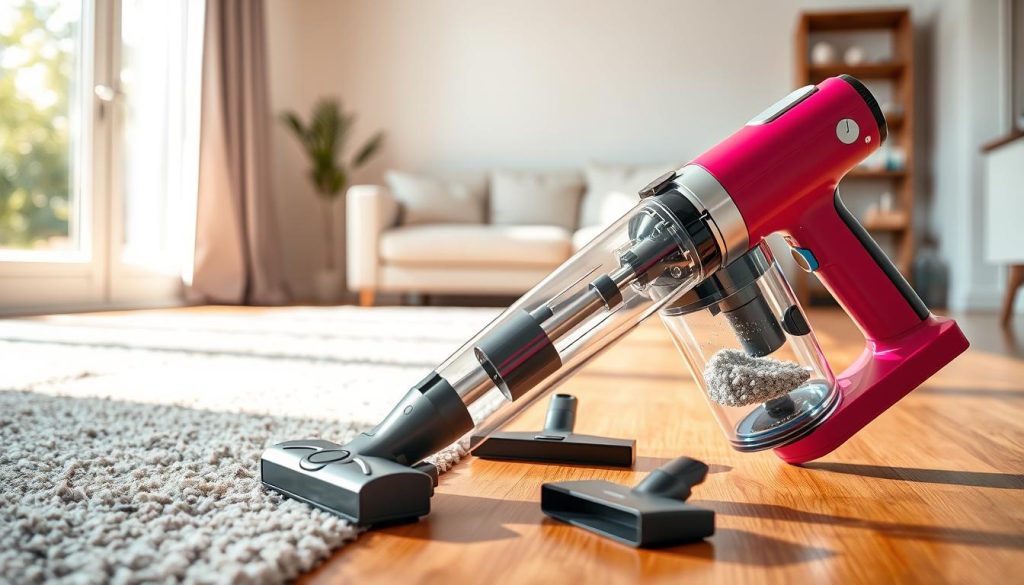
We tested household units in Singapore to see how real homes fare with humidity and soft furnishings. Our focus is on practical cleaning performance and measurable results that matter to allergy sufferers and families.
Mattress cleaners are made to lift mites, pet hair and dead skin from beds. Studies show daily use can reduce allergens and bacteria, which helps sleep and general health.
We preview cordless everyday options, dedicated mattress tools, multi-use upholstery units and a powerful handheld for tight spots. We explain what a unit can remove and why removing debris and allergens often matters more than simply killing a mite.
Our aim is to balance cleaning, filtration, ease of use and price. This guide helps allergy sufferers, parents and pet owners shortlist the right product type, then the right models for HDB flats, condos or landed homes.
Why dust mites are a Singapore home problem
Year-round warmth and high humidity in Singapore make managing indoor allergen levels a constant task. Soft fabrics and poor ventilation let small particles build up and stay airborne during normal activity.
Common triggers: allergies, asthma and irritated skin
We see sneezing, asthma flare-ups and a blocked nose at night as frequent signs. Mite waste and fine dust become airborne when beds and sofas are disturbed during cleaning.
Children, the elderly and those with existing allergies often notice symptoms first. Tiny particles can affect sleep and general health.
Where mites build up most: mattresses, sofas, carpets and pet areas
Bedrooms are ground zero: mattresses and pillows trap skin flakes that feed dust mites.
- Fabric sofas, carpets and curtains hold dander and fine debris.
- Pet sleeping zones add hair and extra allergen load.
- High-traffic surfaces collect settled dust that becomes airborne during activity.
| Hotspot | Why it matters | Quick cleaning tip |
|---|---|---|
| Mattresses | Collect dead skin and dust mite waste | Frequent vacuuming and mattress covers |
| Sofas & Curtains | Trap fibres and pet dander | Regular brushing and steam or upholstery cleaning |
| Carpets & Rugs | Deep pile hides fine debris | Use strong filtration and frequent cleaning |
| Pet areas | Adds dander and extra food for mites | Wash bedding and vacuum pet zones weekly |
Our goal is clear: reduce allergen load in indoor air by removing fine dust effectively, not just visible crumbs. The right product choice helps; a poorly sealed unit can stir up allergens and worsen symptoms.
best vacuum for dust mites review: how we judge what’s worth buying
Our tests focus on real-world pick-up on beds, upholstery and floors rather than lab numbers alone.
Debris pick-up performance is about results on mattresses, sofa fabric, low-pile rugs, hard floors and skirting-board creases.
We record how much visible debris a cleaner lifts, then inspect remaining fine particles. Suction readings (kPa or Pa) help, but we prioritise actual pick-up on fabrics and in corners.
Filtration and airborne allergens
HEPA filtration is a must to trap microscopic particles that trigger symptoms.
We test sealed systems to check for leakage and measure how well the filter and filtration system retain allergens during emptying and use.
Build quality, ergonomics and noise
We judge construction against price expectations; a budget mattress cleaner has different tolerance than a premium cordless system.
Good portability means a balanced grip, easy bin emptying and compact storage suitable for small flats.
Noise levels are logged in normal modes because quiet operation matters in HDBs and family homes.
| Test area | What we measure | Why it matters |
|---|---|---|
| Mattress & upholstery | Pick-up %, agitation efficiency | Primary reservoir of skin flakes and allergens |
| Hard floors & rugs | Suction kPa/Pa and lint removal | Daily dust build-up affects air quality |
| Crevices & skirting | Crevice tool effectiveness | Tiny particles hide in edges and stay airborne when disturbed |
Our verdicts weigh suction, filter quality and ease of regular use. We favour models that make routine cleaning simple, since consistency reduces settled dust and airborne particles.
What to look for in a vacuum cleaner for dust mites and allergens
We prioritise features that actually trap particles and limit re‑release into the room. Focus on sealed design, verified filtration and tools that lift embedded debris without stirring clouds of air.
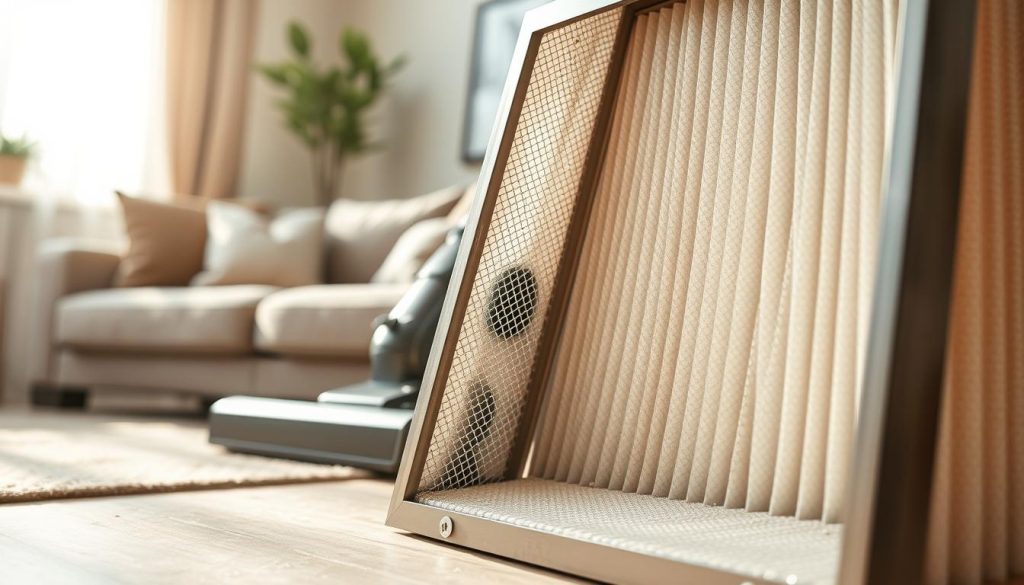
True HEPA vs “HEPA‑type”
True HEPA traps 99.97% of particles ≥0.3 microns. HEPA‑type may not meet that standard, so it can let fine particles and allergens back into the air.
Sealed systems that stop leakage
A sealed body and bin prevents allergen-laden air escaping through gaps. Strong suction is wasted if the system leaks during use or emptying.
Understanding suction numbers
Manufacturers list Pa, kPa or air watts. Higher figures help on mattresses and upholstery. Look for sustained suction and anti‑clog airflow, not only peak power.
Sterilisation and heat
UV‑C and hot air reduce surface microbes. Hot‑water cleaning at around 90°C gives deeper sanitisation. These aid cleaning but do not replace good filtration and regular maintenance.
Brushes, tools and upkeep
Tapping heads, motorised brushes and narrow crevice tools lift hair and embedded debris effectively. Clean rollers and wash pre‑filters regularly to protect long‑term suction and indoor air quality.
Top cordless pick for everyday allergen control: Tineco Pure One Station
This cordless model shines when you need a quick daily clean that keeps settled allergens under control. We found it clears visible debris rapidly while staying quiet enough to avoid upsetting routines in small Singapore homes.
What impressed us
Cleaning result: 99.8% debris pick-up in one minute during our tests. That figure shows the unit has sustained power and effective agitation for routine use.
Noise and comfort: Sound levels stay around normal conversation, so you can clean while kids nap or during calls without much disruption.
Ease of use
The tool is lightweight and easy to handle. A bright front light helps spot fine dust along skirting and under furniture.
The station sits on the floor and does not need wall mounting. Assembly is quick and the trigger control feels intuitive. Built‑in Wi‑Fi and AI voice add handy smart features.
Limitations we noted
Edges and tight corners can need extra passes. Very tiny particles, such as orzo-like grains, sometimes resist a single sweep and need a crevice tool.
Price is a consideration: this model sits at a premium price point. We think it suits households that value daily convenience, low noise and smart features enough to justify the cost.
| Aspect | Why it matters | Our takeaway |
|---|---|---|
| Debris pickup | Shows real-world cleaning power | 99.8% in one minute — excellent for quick upkeep |
| Noise | Daily use in compact homes | Pleasantly low; conversation-level |
| Handling | Ease of use and reach | Very lightweight; front light aids visibility |
| Smart features | Connected convenience | Wi‑Fi and AI voice available |
| Cost | Value versus alternatives | Premium positioning — best for buyers who use it daily |
Best mattress vacuum overall for mite-prone sleepers: Jimmy BX5 Pro
The Jimmy BX5 Pro targets embedded allergens in bedding with tools tailored to mattress fibres. We found its combination of agitation, UV‑C and multi‑stage filtration makes a clear difference on mattresses used nightly.
Deep-clean features: high-frequency tapping brush, UV-C and HEPA
The deep-clean trio works as follows:
- High-frequency tapping brush agitates fibres to lift dead skin and mite debris from deep layers.
- UV‑C sterilization provides surface sanitisation to complement mechanical lifting.
- HEPA filtration captures fine particles that escape lesser filters, reducing airborne allergens during emptying and use.
Practicality: 5-metre cord, weight and storage
The 5‑metre cord helps reach across beds without constant socket changes. Cord management is required since it is not retractable.
The unit is slightly heavier than some rivals and has a wider base that may need overlapping passes in deep creases. It stores neatly in a closet corner despite the size.
Who it suits in Singapore: humid bedrooms and allergy-prone households
We recommend this cleaner for households with persistent allergy symptoms and humid bedrooms where dust mite activity rises. Consistent use on mattresses helps lower allergen levels and improve sleep comfort.
Best value mattress option: JIGOO J300 for HEPA, UV and hot air
The JIGOO J300 delivers targeted bedding sanitisation in a simple, affordable package tailored to everyday use. Priced at an entry level, it pairs HEPA filtration, LED UV lights and a hot-air outlet to lower surface humidity and aid sterilization.
We found it picks up tiny lint and fine dust reliably, which helps lower airborne allergen load after routine cleaning. The unit feels compact and robust, making it easy to move between bedrooms in HDB flats or rental rooms.
Why we rate it for price-to-performance on bedding
What you get: true hepa filter capture, UV-assisted sterilization and warm air that may reduce mite activity on the surface. For the price, these features are rare among corded options.
Mode usability and what to expect from the wider cleaning head
The controls rely on indicator lights, so modes can be hard to tell apart at a glance. Our tip is to stick to one or two modes you trust and use them consistently.
The broad head covers mattress panels quickly and lifts embedded debris and hair well. It struggles in narrow gaps and along piping, where a narrow crevice tool still helps.
| Feature | Why it matters | Our note |
|---|---|---|
| HEPA filtration | Traps fine particles and reduces airborne allergens | Effective at removing tiny lint and fine dust |
| UV and hot air | Surface sterilisation and moisture reduction | Adds sterilization at low cost; hot air aids drying |
| Cleaning head | Coverage speed vs access to crevices | Wide head covers panels fast; not ideal for tight crannies |
| Portability & price | Suitability for multiple rooms and budgets | Compact, durable and affordable |
Who it suits in Singapore: students, renters and families equipping several bedrooms on a practical budget. Maintain suction and filtration by checking the filter regularly and emptying the bin after frequent mattress use.
Best multi-use bed and upholstery cleaner: UZK Bed Vacuum Cleaner
In small Singapore homes, one device that works across sofas and bedding often beats juggling several niche machines. We position the UZK as a flexible tool that tackles sofas, fabric chairs and pet beds without needing a full laundry cycle.
Where it fits: sofas, pet beds and quick refreshes beyond mattresses
The unit pairs HEPA filtration, UV‑C light and hot air to reduce surface allergens and aid sterilization. Its design lifts hair and fine fibres while the hepa filter helps trap airborne particles during emptying.
At around 16kPa reported suction, the cleaner has enough power for routine upkeep. It is lightweight, easy to hold and compact to store, which suits crowded living areas where soft furnishings are close to sleeping zones.
Trade-offs: corded mobility and inconsistent suction reports
Being corded means continuous power but limited range; the cord does not retract, so plan a tidy wrap or hook for storage. Test feedback notes suction can be hit or miss on dense fabrics, so expect extra passes in heavy-traffic areas.
Extras such as aromatherapy capsules are pleasant, but we emphasise core cleaning and filtration quality. The UZK is best for buyers who need one compact cleaner to refresh multiple surfaces quickly, not a specialist for deep crevices.
Most powerful handheld for tight spaces: Dyson Car + Boat
Tight gaps and narrow creases trap more fine particles than open surfaces, so an agile handheld makes a real difference. We found the Dyson Car + Boat excels where larger heads cannot reach.
What stands out
The unit delivers a clear power feel with strong suction and rugged build quality. Attachments click on easily and the bristles cope with embedded hair and fibres.
What it doesn’t major on
It lacks UV or heat features, so it should be paired with good filtration and routine cleaning rather than relied on for sanitising.
- Champion use: sofa seams, bed frame joints, skirting edges and car interiors.
- Ownership notes: short learning curve to empty the bin and a reassuring 2‑year warranty.
- Value point: priced in line with some full-size models, so ideal for buyers who need detail cleaning and durability.
| Feature | Note | Use case |
|---|---|---|
| Suction | Strong, focused airflow | Crevices, upholstery edges |
| Attachments | Versatile, durable | Detail and pet hair spots |
| Warranty | 2‑year warranty | Good for households needing targeted cleaning |
Robot vacuums and wet-dry systems for dust mite control between deep cleans
Robotic cleaners keep floors tidy every day, cutting the food supply that lets mites multiply.
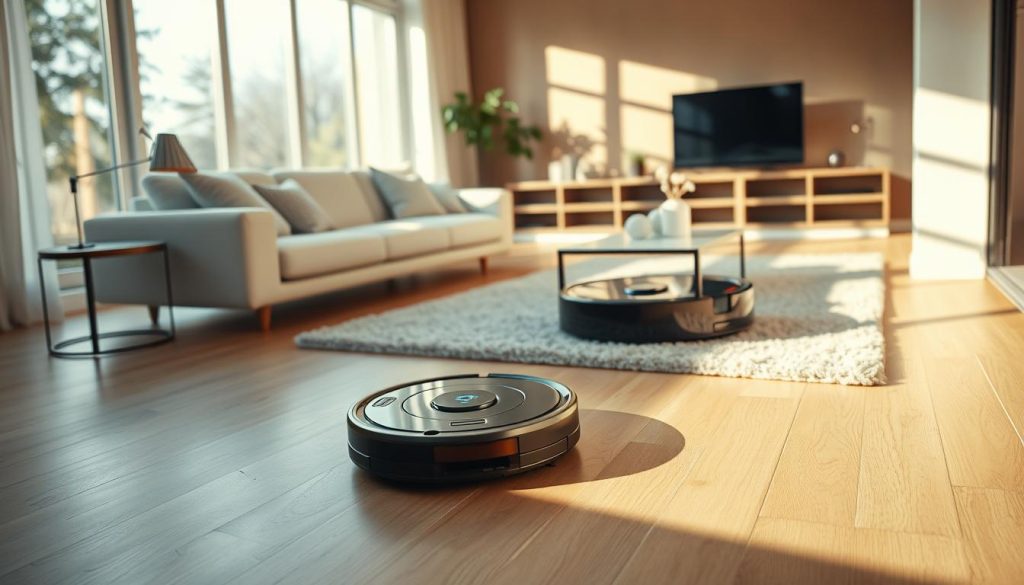
What they do well
Daily runs lower settled dust and pet hair across hard floors and low rugs. This steady removal reduces what mites feed on and helps maintain cleaner air in high-traffic zones.
Where they fall short
Robots do not deep-clean mattresses, upholstery or thick pile. For embedded allergens you need a targeted mattress or handheld unit that uses agitation and higher suction.
When heat helps
Wet-dry systems that use hot water around 90°C aid surface sterilization and cut bacteria levels. Heat complements filtration by reducing biological load on fabrics.
- Filtration matters: sealed airflow and good filters such as HEPA reduce allergen blow-back during automated runs.
- Practical pairing: use robots for daily upkeep, then schedule deep cleaning of beds and sofas weekly or fortnightly.
- Pet homes: regular automated cleaning curbs hair and dander, improving overall air comfort between deep sessions.
| Function | Ideal areas | Limit |
|---|---|---|
| Robot runs | Hard floors, under beds, hallways | Limited on thick fibre and upholstery |
| Wet-dry system | Hard surfaces, tiled floors | Less effective on deep mattress layers |
| Heat treatment (~90°C) | Surface sanitisation of fabrics | Not a substitute for filtration |
Conclusion
A daily cleaning habit makes the biggest difference to indoor allergen levels and sleep quality. Prioritise a true HEPA filter, a well‑sealed system and steady suction that lifts fine particles from fibres, not just visible debris.
Choose by use: a cordless unit suits quick upkeep, a dedicated mattress cleaner helps symptomatic sleepers and a handheld reaches tight seams. Robots help daily floor runs but do not replace targeted mattress or upholstery care.
Balance features and price: UV or heat aid sterilization, yet good filtration and practical usability deliver the best long‑term results. Maintain filters, empty bins carefully and keep airflow paths clear to protect indoor air and health.
For an example of advanced filtration and mattress cleaning methods see the Lura wet‑dry cleaner.

