

We set realistic expectations for what a fabric water vacuum cleaner can do in Singapore homes and when it beats professional upholstery services on cost and convenience.
We outline how we compare options by cleaning performance, stain handling, tank design and day-to-day practicality. This helps you shortlist the right product fast.
Our key decision is simple: do your main needs favour quick spot use for a sofa, or routine deep cleaning across multiple upholstery items? We explain the trade-offs clearly.
We preview the metrics we will reference — suction, tank layout and tool design — and why good results on textile depend on technique as much as the machine.
Price in Singapore often tracks convenience features: easier emptying, safer water control and better accessories. We show how to avoid overpaying and pick a product that suits your home.
Why a fabric water vacuum cleaner makes sense for Singapore homes
High humidity and frequent spills mean ordinary upkeep often falls short for sofas and soft furnishings here. We focus on tools that extract moisture and residues so fabrics dry faster and smell fresher.
Humidity, spills and everyday stains on upholstery
Persistent damp and mould risk grow in humid flats. Immediate extraction removes spill residue instead of masking it, which reduces musty odours.
Common stains — coffee, bubble tea, curry and children’s snacks — respond best to prompt spot extraction. Acting quickly raises the odds of full removal on a sofa.
Common use-cases: sofa, car seats, soft toys and spot cleaning
Dust and fine dirt lodge deep in fibres faster than most people realise. A purpose-built cleaner targets embedded grime rather than surface crumbs.
We see regular use for sofa arms and cushions, car seats after trips, and soft toys after playtime. It does not replace your everyday vacuum, but upgrades your ability to handle wet spills, pet accidents and set-in marks.
- Pet messes and tracked-in dirt: extraction helps cut odour at the source.
- Quick spot work before guests preserves appearance and saves on professional cleaning.
What a fabric water vacuum cleaner is and how it works
We describe the spray–soak–extract cycle so you know what to expect when you run a session on a sofa, car seat or soft toy. The process is simple but needs careful technique to avoid overwetting and slow drying.
Spray, soak and extract: the cleaning cycle
First, a measured spray wets the stain with a mild solution. A short dwell loosens oils and dissolved residues.
Next, powerful suction pulls that soiled solution back into the dirty tank, taking dissolved residues and fine debris with it. The TOYOMI VC 7336WD combines spray & soak with strong suction to speed upholstery care.
How it differs from a standard dry unit
A standard dry device moves air to lift dust and light dirt from fibres. It cannot rinse sticky spills or remove dissolved residues that cause re-soiling.
Deep cleaning for fabrics is therefore about controlled liquid delivery plus effective extraction, not just making the item wet. Older, set-in marks may fade rather than vanish, and repeated passes with the right detergent improve final results.
- Technique matters: short sprays, measured dwell time and slow extraction passes.
- Drying: allow adequate air circulation in Singapore to prevent lingering damp smells.
| Step | Action | What it removes |
|---|---|---|
| Spray | Apply solution in short bursts | Surface stains, oils |
| Soak | Let detergent work for a brief dwell | Dissolved residues, softened dirt |
| Extract | Slow passes with suction nozzle | Dirty solution, fine debris |
For guidance on routine upholstery maintenance and spot technique, see our practical tips on cleaning a fabric sofa.
fabric water vacuum cleaner types you’ll see when shopping
Different machine types suit distinct tasks, so choose by where you’ll use them most.
Dedicated spot and stain deep units
What they do: compact spot and stain deep products target sofas, cushions and car interiors.
They deliver measured sprays and focused extraction for quick stain work.
Wet dry models for mixed surfaces
Wet dry options handle spills on hard floors as well as soft furnishings. They make sense if you want one tool for both tasks.
Handheld and cordless formats
Handheld and handheld vacuum cordless units offer fast response for small jobs.
Expect shorter run time and sometimes reduced peak suction in exchange for portability.
Canister options and when they help
Canister and canister vacuum types give larger tanks and more attachments.
They suit longer sessions and carpeted homes but can be less handy for quick spill response.
| Type | Best use | Key trade-off |
|---|---|---|
| Spot/stain deep | Sofas, cushions, car seats | Focused power, small tanks |
| Wet dry | Mixed floors and upholstery | Versatile but bulkier |
| Handheld/cordless | Quick spots and cars | Run time vs convenience |
| Canister | Long sessions, carpets | More capacity, less instant portability |
Suction power, airflow and real cleaning performance
We focus on what actually changes cleaning outcomes: how much soil a machine removes, how fast items dry, and what ends up in the dirty tank. Specs help, but practical performance tells the full story.
What “powerful suction” means for fabric work
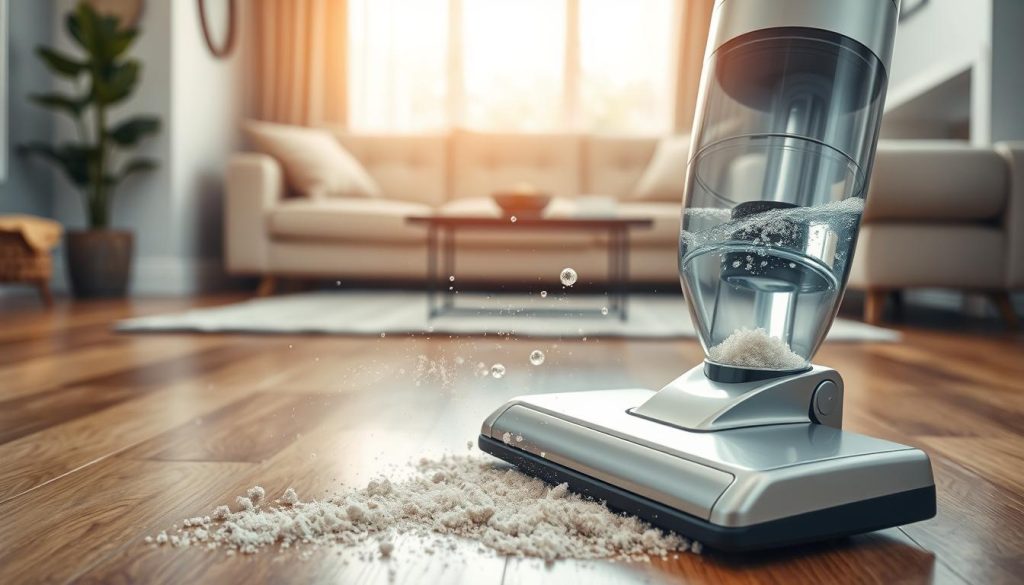
Powerful suction removes more soiled solution and speeds drying. That reduces re-soiling and lifts embedded grime from sofas and other fabrics.
Strong extraction also pulls fine dust and loose dirt into the dirty tank rather than redistributing it across fibres.
Comparing kPa and wattage
Wattage shows motor load but not the whole picture. Airflow, nozzle seal and hose length shape how that power converts into usable suction.
We use kPa as a practical comparator. It reflects the actual negative pressure the head can deliver during a pass.
Benchmark and simple home test
As an example, the TOYOMI Spot and Stain Deep cleaner VC 7336WD cites 10.5 kPa suction with 400W power. This is a common spot-unit spec in Singapore for strong extraction without excess bulk.
- Run a controlled spill test on a hidden sofa area.
- Make identical short sprays, then do the same number of extraction passes.
- Compare dirty-tank colour and check residual dampness after 30 minutes.
| Metric | Why it matters | What to check |
|---|---|---|
| Suction (kPa) | Direct extraction force | Consistent negative pressure during passes |
| Wattage (W) | Motor capability | Use with good head design, not alone |
| Dirty tank | Visible proof of removal | Darker water = better removal of dissolved soils and fine dirt |
Tank design, capacity and water management
How you manage clean and dirty reservoirs affects refill frequency and overall ease of use. We look for systems that match real routines in Singapore — short sessions, frequent spot work and quick turnarounds.
Clean-water capacity to reduce refills
Larger clean tanks cut interruptions when you clean multiple sofa cushions, dining chairs and car seats in one go. The TOYOMI VC 7336WD uses a 1L removable clean tank that suits several spot cycles before a refill.
Dirty-water safety and overflow prevention
Removable dirty tanks that auto-stop suction when full prevent spills and protect the motor. This is a practical safeguard for busy homes and keeps results consistent.
“Auto-stop dirty tanks reduce mess and prolong motor life by preventing overflow.”
- Removable tanks rinse easily and limit lingering odour.
- Large base reservoirs (3,000ml) can support near-weekly cycles if you clean every two days.
- Controlled delivery and strong extraction speed drying and reduce damp time on upholstery.
| Feature | Example | Benefit |
|---|---|---|
| Clean tank | 1L removable (TOYOMI VC 7336WD) | Fewer refills during multi-seat sessions |
| Dirty tank | Removable with auto-stop | Prevents overflow and protects motor |
| Base reservoir | 3,000ml station | Longer routines; ~4 cycles ≈ one week of occasional use |
Brushes, rollers and tools that lift stains from upholstery
Choosing the right head matters more than many buyers realise. Small parts such as a brush or narrow nozzle decide how well a stain responds. We look at trade-offs so you match tools to your sofa and routine.
Agitation with brush heads vs suction-only nozzles
Brush agitation loosens dried stains and helps solution reach deep texture. This improves lift on set-in marks that suction-only heads struggle to shift.
By contrast, suction-only tools suit delicate fabrics and quick extraction after blotting. They reduce fuzzing and are gentler on sensitive surfaces.
Interpreting roller speed claims
Manufacturers may quote high rpm figures — a roller can reach 900rpm in high-power or automatic modes. We treat that as a proxy for more frequent wiping and surface agitation.
Real performance varies with pressure, moisture and surface. Fast rollers help on stubborn soil, but aggressive action can risk piling on some materials.
Accessory switching and smart storage
Convenience features matter in daily use. Push-to-release accessory switches and on-board holders keep parts ready and reduce lost pieces.
TOYOMI’s push-to-release button and integrated brush/suction hook plus a storage holder show how product design saves time during a routine clean.
“Quick accessory switching and tidy storage are the small details that make a cleaning session faster and less frustrating.”
| Tool | Best for | Benefit |
|---|---|---|
| Main stain brush | Sofa cushions, set-in marks | Agitation lifts residues before extraction |
| Narrow nozzle | Seams and creases | Targets narrow gaps for precise removal |
| Small round brush | Car seats, pet areas | Gentle scrubbing without damage |
For practical how-to guidance on spot technique and tool selection, see our step-by-step guide to clean your couch. Using the right head shortens total cleaning time and improves stain lift while avoiding overwetting.
Heat, drying and time-to-use again
Warm rinse modes and dedicated hot-air drying change how quickly upholstery feels and smells fresh after a session.
Hot water modes up to 75°C and what they do
Heat helps dissolve oily residues and boosts detergent action on food and drink stains. Systems that claim 75°C can reach that under ideal conditions; early runs may heat a little less.
We advise testing a hidden patch first. Check care labels and avoid high heat on delicate covers.
Hot air drying around 55°C to reduce dampness
After a self-clean or cycle, hot air at roughly 55°C speeds surface drying. Faster drying cuts lingering odours in humid Singapore flats and lowers mould risk.
Extraction quality, good ventilation and a fan or AC matter more than heat alone when judging time until the sofa is usable again.
“Use heated modes thoughtfully and test a small area first to protect delicate materials.”
- Practical tip: run extra extraction passes, then use air flow to shorten dry time.
- Safety: follow label advice and avoid repeated high-heat cycles on sensitive fabrics.
Detergents, solutions and stain-care for different fabrics
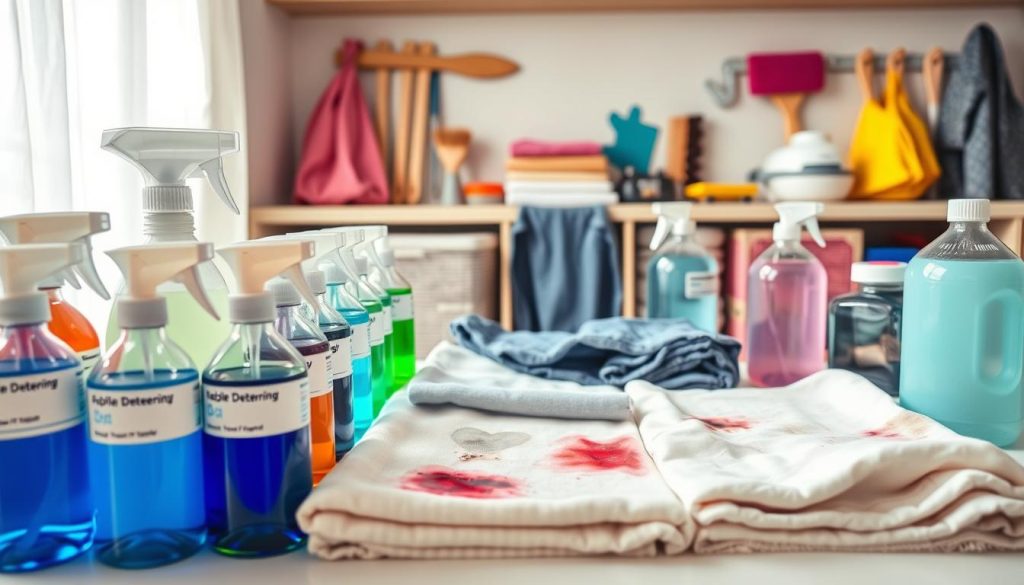
Choosing the right solution affects both results and machine health. We favour low-suds detergent for extraction models because foam reduces suction and can push suds into internal pathways.
Why low-foaming detergents matter
Low-suds formulas clear soils without excessive bubbles. That keeps the suction head effective and protects seals and motors. The TOYOMI VC 7336WD specifies use with low-suds detergent for this reason.
Which solution to use where
Use upholstery formulas on sofas and slipcovers. Choose carpet solutions for rugs and heavy-traffic mats. Multipurpose options work if you want simplicity, but pick residue-light blends.
Practical dosing and method
Start at the minimum dilution the label recommends. Increase slightly only if stains persist. Rinse with clean water passes after extraction to cut lingering residue.
Pet stains, odours and set-in marks
Remove solids first. Treat the area with a pet-safe product, extract thoroughly, then repeat with water-only passes to reduce odours.
| Problem | Approach | Why |
|---|---|---|
| Delicate woven | Light spray, gentle brush | Prevents piling and colour shift |
| Microfibre | Minimal wetting, suction-only pass | Maintains texture |
| Set-in marks | Multiple short cycles | Gradual lift without over-saturating |
Corded vs cordless: battery life, power and convenience
Choosing between mains and battery models means weighing grab-and-go convenience against uninterrupted power for long sessions.
Cordless options give superb freedom for quick spot work and light sofa touch-ups. Manufacturers often advertise an “up to 35 minutes” headline run time. In practice, real figures vary by mode and surface: lab runs have recorded about 50.3 minutes for low-demand tests, ~41.4 minutes in automatic modes and roughly 21.2 minutes in high-power settings.
That spread matters. High-power use cuts battery life substantially, so the ~21-minute benchmark is the pragmatic planning figure for heavy stain work. We advise treating the “up to” claim as optimistic unless you only do light, short passes.
| Mode | Typical run time | When to expect it |
|---|---|---|
| Low / absorption | ~50 min | Light spot work, minimal suction |
| Automatic | ~41 min | Mixed use on sofas and seats |
| High power | ~21 min | Deep cleaning or stubborn stains |
When to pick a plug-in unit: choose mains power for whole-sofa refreshes, multiple car seats or back-to-back stain jobs where pausing to recharge is not an option.
For compact Singapore homes that favour little-and-often tidying, cordless models suit storage and quick use. If you run longer sessions, a corded unit better meets your needs.
Finally, battery life declines with age. We recommend checking warranty terms and availability of replacement cells before purchase. For broader guidance on the corded vs cordless debate, see our detailed comparison at corded vs cordless showdown.
Noise, weight and handling in HDB flats and condos
Handling and noise shape whether a spot unit becomes a tool you use weekly or something that stays in a cupboard. In tight Singapore flats, a modest footprint and polite sound levels matter as much as suction performance.
Portability features that matter
Carrying handles, tidy accessory storage and compact box size decide if a product fits daily life. The TOYOMI VC 7336WD includes a carrying handle and a compact box at 336 x 215 x 391mm, which helps with storage in small cabinets.
Weight, ergonomics and evening use
Some spot units weigh about 3.4kg. That feels manageable when moving between a living-room sofa and bedrooms. Hose flexibility, trigger placement and a stable base reduce fatigue during repeated short sessions.
We also advise checking operating noise. A quieter run time is more neighbour-friendly in HDB corridors, and it makes evening use less disruptive.
- Compact footprint = easier storage in narrow walkways.
- On-board parts storage reduces lost pieces and speeds setup.
- Ergonomics cut physical strain and shorten total cleaning time.
- Convenience features can justify a higher price if they raise daily use and extend product life.
| Spec | Example | Benefit |
|---|---|---|
| Net weight | 3.4kg | Easy to carry between rooms |
| Box size | 336×215×391mm | Compact storage fit for small homes |
| Handle & storage | Integrated carrying handle | Quicker setup and neat parts storage |
Our view: prioritise handling and sound for apartment living. A small premium for thoughtful design often pays back in time saved and more frequent use on sofas and other upholstery.
Cleaning results on common Singapore messes
Messes on sofas move fast from spill to stain; acting quickly preserves the original look. We explain how prompt action and the right method change results, not just the machine choice.
Food and drink spills: acting fast for better results
Blot the spill first to lift excess. Then use a controlled spray-and-extract method to stop the mark from setting.
Key tip: short sprays, brief dwell and gentle extraction protect fibres and reduce residue.
Dust, fine dirt and embedded debris after a few days
After a few days, dust and fine dirt sink into upholstery and mix with skin oils. The sofa will look dull and feel sticky.
We find that an extraction-capable machine that pulls dirty liquid into its reservoir gives much better results than merely spreading the soil.
Managing moisture to protect upholstery and avoid lingering damp smells
Minimise liquid per pass and extract slowly. After cleaning, ventilate with a fan or air-conditioning until fully dry.
Damp odours come from residual moisture plus organic residue. Thorough extraction and sufficient drying time prevent smells from returning.
Fabric care reminders: test on a hidden area first, avoid oversaturation and repeat gentle cycles instead of aggressive scrubbing.
| Issue | Action | Why it helps |
|---|---|---|
| Fresh spill | Blot, short spray, extract | Stops stain setting and lowers residue |
| Set-in dirt (days old) | Multiple short extraction passes | Gradual lift without overwetting |
| Damp smell | Extra extraction + ventilation | Removes moisture and organic odour sources |
What we look for when comparing products and price in Singapore
We focus on the real benefits that matter when comparing models and price for Singapore buyers.
Feature checklist
Adjustable suction is essential. It lets you reduce power for delicate sofa covers and raise it for set-in marks.
Brush options matter next. A soft roller or small round brush gives agitation where needed without damaging threads.
Wet dry capability adds flexibility if you expect to treat spills on carpets and hard floors as well as upholstery.
Running costs and maintenance
We assess total ownership cost beyond the headline price.
Consider consumption of recommended solutions and how often you must buy replacement parts.
Washable filters and reusable tools reduce long-term spend. Replaceable heads and sealed parts should be readily available in Singapore to extend product life.
How to read market listings
Listings call out categories for a reason: handheld units suit fast spot work, while a canister model often gives larger tanks and more attachments.
Compare kPa suction numbers, but weigh them against head design and extraction efficiency. Power (W) alone can mislead.
“Match the category — handheld, canister or wet dry — to your cleaning needs, not the feature list alone.”
| Signal | What it means | Buyer takeaway |
|---|---|---|
| Adjustable suction | Control for delicate to heavy jobs | Better care for sofas; fewer ruined covers |
| Accessory storage | Fast swaps during spills | Speeds real-world use; less time to set up |
| Removable tanks & auto-stop | Cleaner, safer emptying | Reduced risk of overflow and motor damage |
| Washable vs replaceable parts | Ongoing cost and availability | Choose washable where possible; check local parts supply |
We return to the sofa use-case: the best product is the one you use quickly after spills. Practical design, clear value signals in listings, and reasonable running costs beat an impressive spec sheet that stays unused.
Conclusion
Choose by routine: if you face small, frequent spills pick a compact unit; for whole-sofa refreshes, favour larger tanks and steady suction. Start with your real needs and how often you clean.
Key drivers of results are strong extraction, the right tool head and disciplined drying. Check that the vacuum cleaner offers adjustable suction and the accessory set you need for upholstery.
Shortlist by type — spot product, wet‑dry or cordless — then compare tanks, accessories and day-to-day usability. Keep price and service availability in mind when you narrow choices.
Safe use: use recommended solutions, empty and rinse tanks after each cycle and keep tools clean to protect your sofa and extend machine life. For a practical how‑to, see our guide on how to clean a couch with a carpet.
Next step: compare a few products in your price range using our checklist, then pick the one that best fits your home and routine.

