

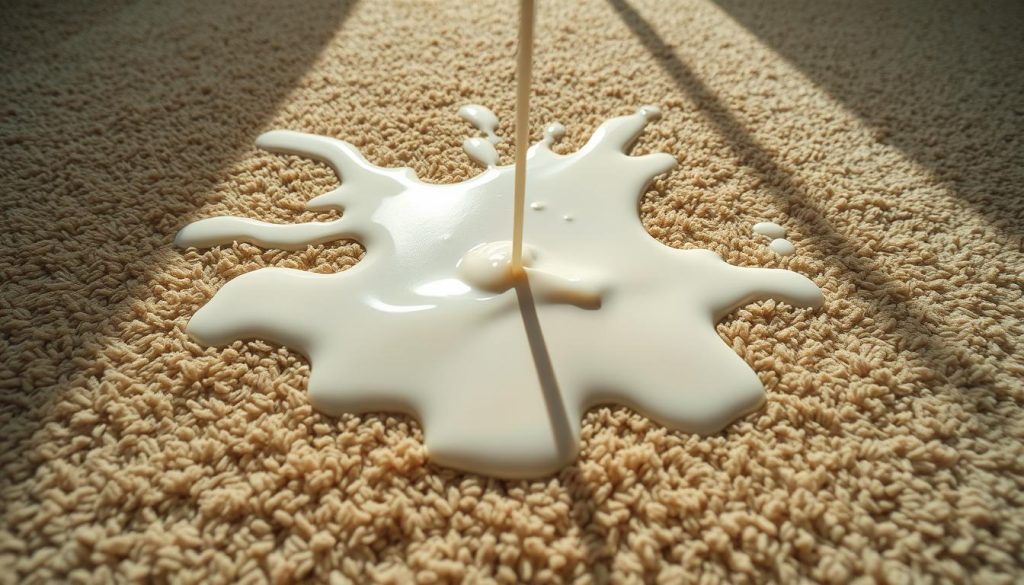
Spilled milk on your carpet can quickly turn into a messy situation. Whether it’s from a knocked-over glass or a baby bottle, the proteins and fats in milk bind to carpet fibers, making stains stubborn. If left untreated, these spills can lead to bacterial growth and unpleasant odors in as little as two hours.
Acting fast is key to preventing long-term damage. The Lura wet & dry vacuum cleaner is an essential tool for tackling spills immediately. Its powerful suction ensures quick removal of liquids, saving you time and effort. Keep your Lura vacuum nearby for instant spill response!
In this guide, we’ll walk you through a simple five-step process using household items and your Lura vacuum. This approach ensures your carpet stays fresh and stain-free, even after a spill.
Key Takeaways
- Milk spills can cause stubborn stains and odors due to proteins and fats.
- Untreated spills may lead to bacterial growth within two hours.
- The Lura wet & dry vacuum cleaner is ideal for immediate cleanup.
- Acting quickly prevents long-term damage to your carpet.
- A five-step process ensures effective stain and odor removal.
Why Cleaning Milk Spills Quickly is Essential
When milk hits your carpet, acting fast is crucial to prevent stains and odors. The proteins and fats in milk bind to carpet fibers as they dry, making stains harder to remove. If left untreated, bacterial growth can worsen the smell and damage your carpet permanently.
Within 24 hours, a fresh milk spill can transform into a stubborn stain. A case study by COIT revealed that milk left for over six hours required professional cleaning. The longer you wait, the deeper the fat molecules penetrate the carpet loops, making cleanup more challenging.
Different carpets react differently to spills. Wool carpets absorb liquids faster, while synthetic carpets may resist stains better. However, both types can suffer permanent damage if the spill isn’t addressed promptly.
Here’s a quick comparison of how wool and synthetic carpets handle milk spills:
| Carpet Type | Absorption Rate | Stain Resistance |
|---|---|---|
| Wool | High | Low |
| Synthetic | Low | High |
A real-life example highlights the importance of quick action. One family saved their carpet by using their Lura vacuum within 15 minutes of a spill. This prevented the milk from seeping deeper into the fibers.
Odor intensity is also linked to reaction time. A one-hour delay can result in a smell three times stronger. Acting immediately not only saves your carpet but also keeps your home smelling fresh.
Step 1: Blot the Spilled Milk Immediately
The moment milk touches your carpet, quick action is your best defense. Blotting is the first step to prevent the liquid from seeping deeper into the fibers. This simple yet effective technique can save your carpet from permanent damage.
What to Use for Blotting
For best results, use a paper towel or a clean cloth. These materials absorb much milk quickly, reducing the risk of stains. COIT recommends the standing-on-towel method for maximum absorption. Plenty’s Flexisheets are also a great option for their durability and absorbency.
Apply gentle pressure at a 45-degree angle to lift the spill without spreading it. This technique ensures the liquid is absorbed efficiently. For larger spills, the Lura vacuum outperforms paper towels, removing up to 90% of the liquid in seconds.
Why Hot Water is a No-Go
Using hot water on a milk spill is a common mistake. Heat causes the proteins in milk to coagulate, making stains harder to remove. A case study showed a family ruined an expensive rug by using warm water, leading to costly repairs.
Instead, stick to cold water or a mild cleaning solution. This prevents the proteins from binding to the carpet fibers. Remember, the goal is to lift the spill, not set the stain.
| Material | Absorption Rate | Effectiveness |
|---|---|---|
| Paper Towel | High | Good for small spills |
| Clean Cloth | Medium | Reusable and durable |
| Lura Vacuum | Very High | Ideal for large spills |
“Blotting immediately is the key to preventing stains and odors. Heat only makes the problem worse.”
Pro tip: Keep your Lura vacuum attachments pre-assembled for instant access. This ensures you’re always ready to tackle spills efficiently.
Step 2: Apply a Cleaning Solution
After blotting the spill, the next step is applying a cleaning solution. This helps break down the proteins and fats in the liquid, making it easier to remove. Two effective methods are using dish soap and warm water or an enzymatic cleaner for tougher stains.
Dish Soap and Warm Water Method
Dish soap is a powerful tool for tackling spills. Its chemistry allows it to emulsify fats, lifting them from carpet fibers. COIT recommends a 2:1 ratio of water to soap for optimal results. Molly Maid emphasizes using cold water to avoid setting the stain.
Mix the solution in a bowl or directly in your Lura vacuum’s tank for easy application. Gently dab the mixture onto the affected area, working from the outside in. This prevents the stain from spreading further.
Enzymatic Cleaner for Tough Stains
For older or stubborn stains, an enzymatic cleaner is your best bet. These cleaners contain bacteria that break down organic matter, including proteins and fats. A time-lapse demo shows how enzymes can remove a 10-year-old stain effectively.
When choosing a cleaner, opt for pet-friendly options if you have furry friends at home. Apply the solution as directed, and let it sit for the recommended time. The Lura vacuum can then remove any residue, leaving your carpet spotless.
“Enzymatic cleaners are a game-changer for tough stains. They work on a molecular level to break down even the most stubborn spills.”
Pro tip: Store your cleaning solution in the Lura vacuum’s tank for quick access during future spills. This ensures you’re always prepared to tackle accidents efficiently.
Step 3: Remove Stubborn Stains with Vinegar or Ammonia
Dealing with tough stains requires the right approach and tools. For persistent marks, white vinegar and ammonia are two effective solutions. Each method works differently based on the type of carpet and the stain’s severity.
White Vinegar Solution
White vinegar is a natural cleaner that breaks down stubborn stains. Its acidic pH level of 2.5 helps neutralize the proteins in spills. Mix one cup of white vinegar with two cups of warm water for a powerful cleaning solution.
Apply the mixture to the affected area using a cloth or spray bottle. Gently blot the stain, working from the outside in. This prevents the mark from spreading further. For best results, let the solution sit for 10-15 minutes before removing it with your Lura vacuum.
Ammonia for Synthetic Carpets
Ammonia is a stronger option for synthetic carpets. With a pH level of 11, it effectively breaks down tough stains. However, avoid using ammonia on wool or natural fiber carpets, as it can cause damage.
Mix one tablespoon of ammonia with two cups of warm water. Always ensure proper ventilation when using this method. Apply the solution sparingly and rinse thoroughly to avoid residue buildup.
“White vinegar is a safe and effective choice for most carpets, while ammonia works wonders on synthetic fibers.”
Pro tip: Pre-mix vinegar solutions in your Lura vacuum’s accessory compartment for quick access during future spills. This ensures you’re always prepared to tackle accidents efficiently.
For more detailed guidance, check out this guide on how to remove milk stains from COIT.
Step 4: Eliminate the Sour Milk Smell
Eliminating the lingering odor from a spill is just as important as removing the stain. The proteins in milk can leave behind a sour smell that lingers if not addressed properly. Thankfully, simple household items like baking soda and vinegar spray can effectively neutralize odors and restore freshness.
Baking Soda for Odor Absorption
Baking soda is a natural deodorizer that works by neutralizing fatty acids in spills. Its alkaline nature balances the pH, effectively eliminating the sour milk smell. Plenty recommends the 30-minute method: sprinkle baking soda generously over the affected area, let it sit, and then vacuum it up.
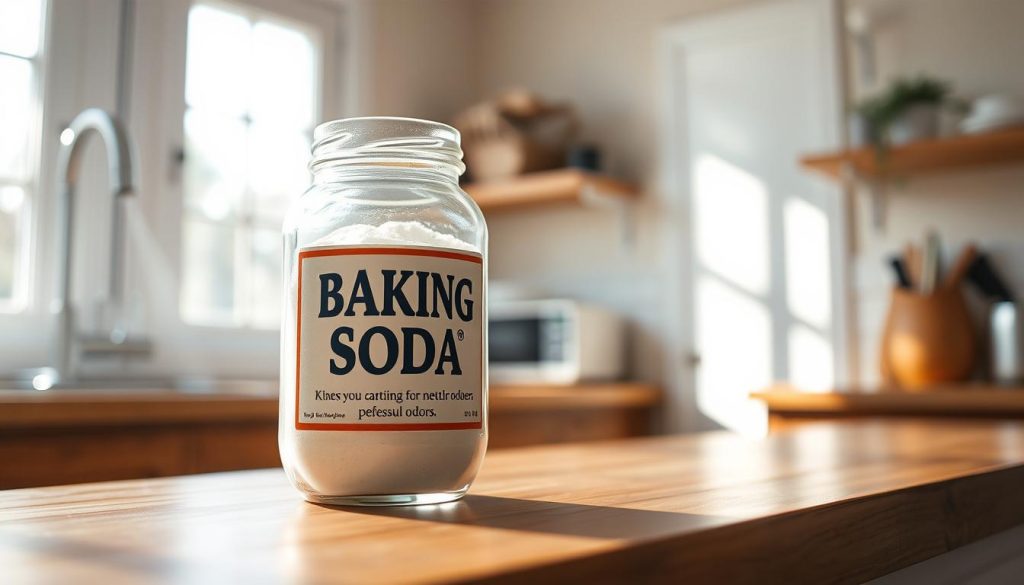
For deeper odor absorption, Molly Maid suggests leaving baking soda overnight. This method is especially effective for carpets with a strong smell carpet issue. Adding a few drops of essential oils to the baking soda can also leave a pleasant fragrance behind.
Vinegar Spray for Neutralizing Odors
White vinegar is another powerful solution for odor removal. Its acidic properties break down the proteins causing the smell. Mix equal parts vinegar and water in a spray bottle, lightly mist the area, and let it air dry. This method is quick and effective for freshening up your carpet.
A case study of a restaurant booth cleanup showed that combining vinegar spray with the Lura vacuum removed even the toughest odors. The vacuum’s quiet mode is perfect for overnight use, ensuring thorough odor elimination without disturbance.
“Baking soda and vinegar are natural, cost-effective solutions for tackling stubborn odors. They work wonders on carpets and are safe for most households.”
Pro tip: Keep a pre-mixed vinegar spray bottle and baking soda in your cleaning kit for quick access. This ensures you’re always ready to get milk smell out of your carpet efficiently.
Step 5: Dry the Carpet Completely
Proper drying is the final step to ensure your carpet stays fresh and damage-free. Removing all moisture prevents mold growth and maintains the carpet’s appearance. According to COIT, mold can develop within 48 hours if dampness remains. Molly Maid’s drying protocol emphasizes quick and efficient methods to avoid this risk.
Use a Fan or Dehumidifier
Using a fan or dehumidifier speeds up the drying process. Fans circulate air, while dehumidifiers reduce humidity levels. A case study from a gym showed that combining both tools dried a milk spill on a mat within four hours. The Lura vacuum’s eco-mode is also energy-efficient compared to traditional fans.
Weigh Down with a Dry Towel
Placing a dry towel over the damp area and weighing it down with a heavy object absorbs remaining water. This method is especially effective for thick carpets. A clean cloth can also be used for smaller areas. Ensure the towel is replaced if it becomes too wet.
| Method | Time Required | Effectiveness |
|---|---|---|
| Fan | 2-4 hours | High |
| Dehumidifier | 3-5 hours | Very High |
| Dry Towel | 1-2 hours | Moderate |
“Proper drying is essential to prevent mold and maintain your carpet’s longevity. Quick action saves time and money in the long run.”
Pro tip: Use the Lura vacuum’s HEPA filter during drying to remove any lingering particles. This ensures your carpet is not only dry but also sanitized.
Here are five signs your carpet is completely dry:
- No dampness when touched.
- No lingering odor.
- Even texture across the surface.
- No discoloration or watermarks.
- Humidity levels below 50%.
Conclusion: Make Cleaning Easy with Lura Wet & Dry Vacuum Cleaner
Keeping your carpet spotless doesn’t have to be a hassle. The Lura wet & dry vacuum cleaner simplifies the process, making it easy to tackle spills and stains in just one step. Its spill-specific attachments ensure quick and efficient cleanup, saving you time and effort.
Compared to professional cleaning fees, the Lura vacuum is a cost-effective solution. A single investment can handle multiple spills, protecting your carpet from long-term damage. Plus, with Singapore’s exclusive bundle offer, you get even more value for your money.
“Lura saved my white carpet!” says a satisfied user. With proper maintenance, your Lura vacuum will continue to perform flawlessly, ensuring your home stays fresh and clean.
Don’t wait—order today by 5 PM for next-day delivery! Scan the QR code below to get started. Make cleaning easy with Lura and enjoy a spotless carpet every time.

