

We start by defining what people mean when they search “uses of wet and dry vacuum cleaner”.
In this guide we focus on everyday mixed messes and the occasional heavy job a regular vacuum cleaner struggles with.
Our aim is practical: to show how a single unit can cut tool switching and save time in a Singapore home.
We explain the basic function, how suction and tanks work, and which features make a machine useful daily.
Who benefits most? Families with kids, pet owners and busy professionals who want fast, reliable results.
Later sections cover attachments, best rooms to tackle, maintenance and buying tips for Singapore buyers.
Throughout we keep a hands-on view that shows where a wet dry unit replaces several tools and where it simply performs like a stronger vacuum.
What a wet dry vacuum is and why it suits Singapore homes
We use one clear phrase to explain the tool: vacuum + wash in one pass. That simple idea shows how this equipment differs from a routine that needs separate mopping.
Faster cleaning for busy schedules
One circuit around a flat often removes everyday dirt and small spills, saving precious time. A compact unit cuts the need to fetch multiple devices, so we finish quicker and stay on top of daily chores.
Built for humid climates and rainy feet
Humid conditions make floors feel grimy faster. Moisture mixed with dust creates a sticky layer that benefits from regular care.
At entryways, tracked water and grit are common. A single pass can lift both, preventing marks and damp patches.
Practical features that matter
Good performance means steady suction power near skirting, balanced wet pickup and a tank sized for quick top-ups. For tight Singapore layouts, a cordless option gives fast grab-and-go movement between kitchen and living spaces.
For professional models and local choices, see professional wet and dry models.
How a wet and dry vacuum cleaner works
We begin with a quick tour inside a typical unit so the mechanics make sense at first glance.
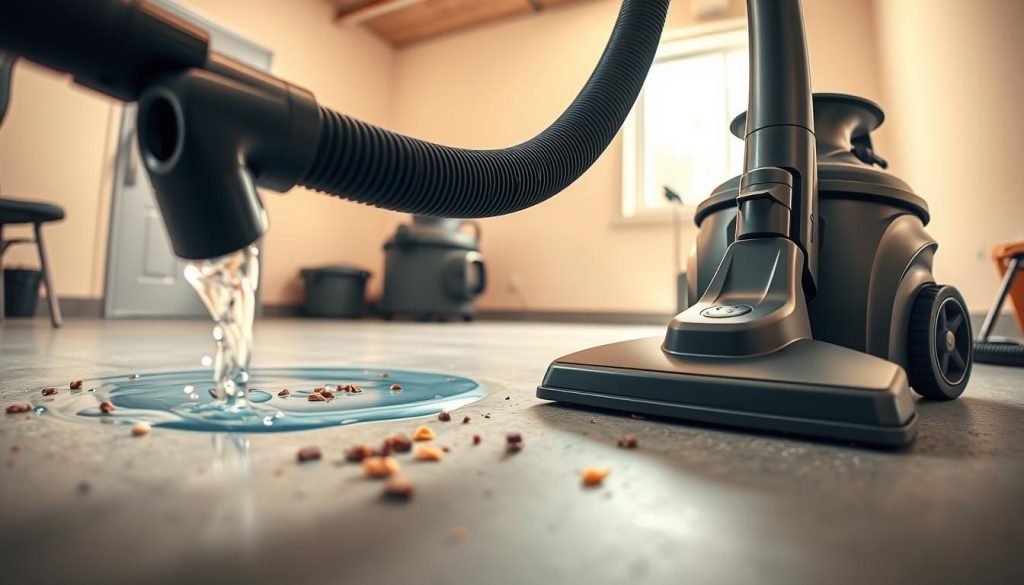
Suction, airflow and the motor unit
The motor sits above the collection chamber and drives a fan that pulls air through the hose. Narrow passages raise air speed, creating the suction that lifts dirt, dust and small debris.
Consistent suction power matters more than raw watts. Airflow and brush pressure work together to keep performance strong along edges and skirting.
Separate tanks and bag-free separation
Air enters the tank where heavier particles drop out. Many units use tanks rather than bags so wet mess does not soak dry parts.
Two-tank designs keep fresh water separate from wastewater in 2‑in‑1 floor systems, which makes rinsing simple and hygienic.
Attachments, rollers and moisture-safe design
Brushes and heads agitate grime so suction lifts the slurry. Interchangeable attachments suit spills on hard floors or dry dust on rugs.
Sealed air paths and insulated internals protect the motor when liquids are present. We empty and rinse tanks straight after picks to prevent odour and blockage.
Uses of wet and dry vacuum cleaner around the home
We rely on a compact unit to quickly lift liquids and trapped dirt before they settle into fibres or skirting.
Cleaning spills fast
When tea, milk or wine lands on a rug we act fast. A prompt pass removes liquid spills before they wick in and stain fibres.
Tip: Empty and rinse the tank after wet pickup to stop smells and protect filters.
Daily floors and edges
For tiled entries and hallways we clear grit, dust and small debris. Consistent suction power keeps skirting lines clean with minimal effort.
Carpets, rugs and pets
Removing pet hair and everyday dirt improves indoor air quality. Regular cleaning cuts mildew risk in damp spots and reduces allergens.
Upholstery, curtains and damp spots
We draw moisture from sofas and drapes to prevent mould. Short, targeted passes help in corners with poor ventilation.
Fireplace ash and blocked pipes
Only cooled ash should be collected. The sealed design keeps soot and coal dust contained.
Some models also assist with clogged sinks and drains using suction or blower mode, when used carefully.
| Task | Best approach | Key benefit |
|---|---|---|
| Liquid spills | Immediate suction pass | Prevents stains |
| Daily floors | Edge nozzle, steady suction | Clears dust and grit |
| Carpets & pets | Brush head, repeat passes | Removes hair, improves air |
| Upholstery | Soft nozzle, short pulls | Reduces moisture, mould risk |
Beyond everyday cleaning: heavy-duty and outdoor jobs a regular vacuum struggles with
We turn now to bigger jobs where standard machines fail. Tradespeople favour robust models because strong motors and metal fittings handle large solids without clogging. These units match the extra power and tank capacity such work demands.
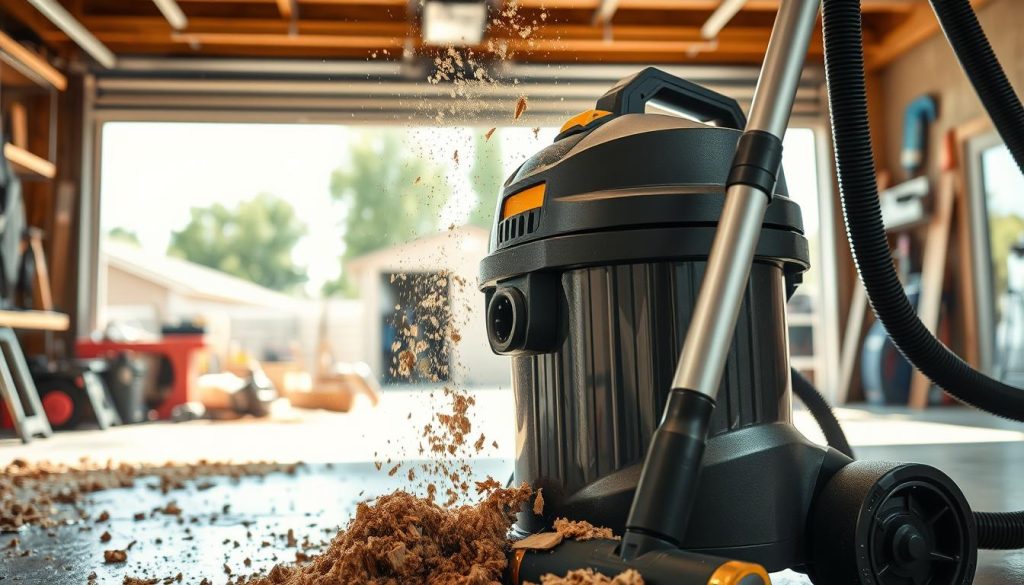
DIY debris and larger solids
A typical dry vacuum cleaner can choke on sawdust, brick dust or paint flakes. Fine dust clouds escape when the motor lacks sealing and filtration.
We use specialised filters and brush heads to capture dust at the source. Proper attachments stop spread and protect internal parts.
Entryways, balconies and patios
Outdoor dirt and seasonal leaves drift indoors. A wet dry unit with a blower option clears patios and corridors fast.
For gates and balconies, choose a model with rugged wheels and a long hose for reach. That prevents tracked grit and reduces repeat cleaning.
Wet clearance after minor water incidents
After a small leak or pooling has stopped and electrics are safe, a wet pick‑up pass removes standing water far quicker than towels. Empty tanks promptly to avoid smells.
Remember: never operate during active flooding. Follow manufacturer guidance for surfaces and moisture limits to stay safe.
| Situation | Best set‑up | Why it works |
|---|---|---|
| Sanding or cutting timber | HEPA filter, brush head | Captures fine dust, protects motor |
| Plaster and brick debris | Wide nozzle, larger tank | Handles chunks without clogging |
| Patio leaves and grit | Blower mode or outdoor nozzle | Clears litter quickly, prevents tracking |
| Minor pooled water | Wet pick‑up, immediate emptying | Reduces damp, limits odour |
For heavier tasks, these points can justify choosing more powerful devices. For extra tips on unusual tasks, see unusual wet‑dry applications.
Choosing the right wet and dry vacuum cleaner in Singapore
Matching capacity and mobility to your flat makes regular upkeep far easier. We start by weighing the trade‑offs that matter most in local homes.
Tank capacity versus weight
Tank size around 500–700 ml suits many HDB flats. Larger tanks cut refill trips but add weight, which affects how often we reach for the device.
Cordless runtime and charging
For most apartments, 20–30 minutes of cordless run time covers a living room and corridor. Fast charging and a handy dock make the unit ready when time is tight.
Filters, washable parts and upkeep costs
Look for washable filters and easy filter swaps. Good filtration keeps air fresher after wet pickup and lowers replacement bills over the years.
Self‑cleaning docks, storage and noise
One‑button self‑cleaning and neat docks make daily use more likely. Also choose quieter motors; they are kinder to sleeping kids and neighbours. Low‑profile heads and good manoeuvrability help reach under sofas with minimal fuss.
| Feature | What to check | Why it matters |
|---|---|---|
| Tank | 500–700 ml for flats; easy removal | Fewer stops, lighter handling |
| Cordless | 20–30 min runtime, quick dock | Covers typical rooms without pause |
| Filters | Washable filters, spare parts | Cleaner air, lower upkeep costs |
| Storage | Self‑clean dock, compact footprint | Increases daily use and hygiene |
Before purchase, confirm accessories, tank removal ease, washable filters, and whether the unit suits your house routine. For local buying advice see best wet‑dry options in Singapore.
Conclusion
Our final note summarises how a single wet dry model can cut cleaning time and reduce the kit we keep at home.
We find these units lift dust, dirt and spills in one pass when users mind the tank and filters after wet pickup.
For everyday floors, pets and quick liquid incidents, a wet dry vacuum delivers reliable suction and fast results. A plain dry vacuum still suits purely dusty work.
Choose features that match life in Singapore: dual tanks, self‑cleaning docks, light weight and low noise. Use the buying tips in Section 6 to shortlist devices that fit your layout and schedule.

