

Welcome. We explain a clear, safety-first workflow for a versatile appliance that handles both dust and spills.
In Singapore, fine dust builds up fast and sudden rain or drink spills are common. We show which types suit your needs, whether a compact home unit or a corded canister.
Our steps follow three simple rules from Electrolux: prepare the space so the machine moves freely, move slowly for better suction and empty or change the bag or compartment to protect the motor.
We stress safety: never mix wet mess with dry settings, avoid sharp items, and prevent blockages that harm the unit. This approach keeps floors and carpets cleaner, cuts damp odours and extends the life of your appliances.
For practical tips on liquid pickup and filters, see our linked guide wet/dry vac water guide.
Why a wet dry vacuum cleaner is worth it for Singapore homes
Urban homes demand tools that handle both loose dust and unexpected liquids. A single product saves storage space and reduces the need for multiple cleaners in compact flats. We find wet dry vacuums suit everyday messes and urgent spills that come with tropical weather and busy households.
What these machines handle best
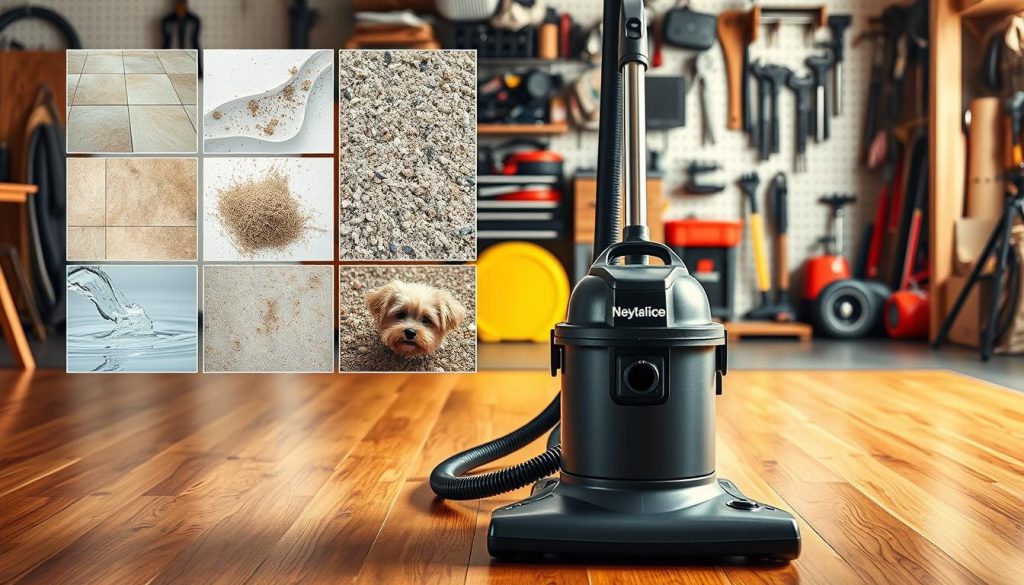
They pick up fine dust on hard floors, grit tracked in from streets, and quick liquid spills before soakage. Small debris and light refuse are also within their sweet spot. When used with the correct setting and nozzle, the results beat a standard dry vacuum cleaner for mixed messes.
Bagless vs bagged for neater disposal
Bagless models offer easy emptying for routine cleaning. They suit frequent use but can release dust when emptied in a small flat.
Bagged options use a paper sack for tidier, lower‑contact disposal. This helps hygiene in tight spaces and benefits allergy sufferers.
- Filters: advanced or HEPA‑style filters lower exhaust dust and help those with allergies.
- Product choice: pick capacity and power for needs such as pets, cars or renovation debris.
- Rule of thumb: only select wet pickup settings for liquids and never use dry nozzles on wet messes to protect the motor.
| Feature | Bagless | Bagged |
|---|---|---|
| Emptying | Quick, direct bin empty | Neater, lower dust contact |
| Hygiene | Risk of short dust cloud when emptying | Better for small flats and allergies |
| Costs | No bags, filter replacements only | Ongoing cost for bags |
| Best for | Frequent quick cleanups | Users who prefer minimal dust exposure |
For practical tips on carpet spot treatment and apartment cleaning with a wet dry vac, see our linked guide apartment carpet cleaning guide.
How to use vacuum cleaner wet and dry without damaging floors, carpets or the motor
A steady approach prevents damage and keeps suction strong when we address both dust and liquids. We start with a quick checklist that saves time and avoids repairs.
Prepare the area for faster, safer cleaning
Clear small objects like toys, pens and screws that block airflow or harm the motor. Move lightweight furniture so the machine glides freely.
Set up the right mode and filters for wet dry cleaning
For dry runs fit the dry filter or a paper bag as recommended. For water pickup remove any paper bag and fit the wet/foam filter. Never mix dry filters with liquid pickup; moisture will damage filtration and reduce suction.
Choose the best nozzle or attachment for the surface and job
Match tools to tasks: wide floor heads for hard surfaces, multi‑surface heads for rugs, crevice nozzles for gaps and an upholstery attachment for sofas or car seats.
- Plan our route: start at the room centre and work outwards to avoid walking over cleaned areas.
- Vacuum slowly with overlapping passes, then repeat in the opposite direction to lift trapped dust from carpet fibres.
- Empty a bagless bin often and replace a bag around 50–75% full so airflow stays strong.
After liquid pickup we stop promptly, empty water, wipe the container and let parts dry before storage. Wipe nozzles and check hoses for blockages to extend appliance life.

Best practices for different surfaces, mess types and tight areas
Different surfaces demand measured steps. We pick attachments, set modes and work slowly so fabrics and motors last longer. This reduces drying time and prevents damage in humid Singapore conditions.
Carpets and rugs
Start with a dry pass to lift embedded dust and hair. We use slow, overlapping strokes, then run a crosswise pass to improve suction and loft fibres.
Only apply liquid functions when the product and fabric allow it. Over‑wetting causes long drying times and mildew risk.
Hard floors and tiles
For fine dust and grit we run a dry head first. For spills we switch to a fast wet pickup mode and a dedicated wet head if the product supports it.
This cuts slip hazards and limits moisture in grout lines. Swap nozzles to avoid streaking on smooth surfaces.
Upholstery, car seats and soft furnishings
We follow an upholstery method: fit an upholstery tool, add water and a suitable detergent to the mark, apply evenly, allow the correct dwell time, then extract with suction.
Small, controlled passes prevent over‑saturation and protect foam and rails.
Corners, edges and crevices
Don’t cut corners. Crevice nozzles reach skirting boards, sofa undersides and tight gaps where debris hides. Work at low speed and check hoses often.
“Make sure the correct mode is selected before moving between tasks and stop if airflow drops to inspect for blockages.”
- Use compact nozzles in small areas such as footwells.
- Change heads when moving between surfaces to protect the motor.
- Empty and dry tanks promptly after liquid work.
| Surface | Recommended head | Key step |
|---|---|---|
| Carpet / rug | Brush / multi‑surface | Slow, overlapping passes; crosswise repeat |
| Hard floor / tile | Wide floor head / wet head | Dry pickup for dust; quick wet pickup for spills |
| Upholstery / car seat | Upholstery tool | Add detergent to mark; allow dwell time; extract |
| Corners / crevices | Crevice nozzle | Low speed, targeted passes; inspect hoses |
Conclusion
A short routine preserves performance and saves time. We prepare the area, select the correct wet dry setup, pick the right tool, work slowly for steady suction, then empty and dry any water tank promptly.
Protecting airflow is the single best longevity step. Don’t wait until a bin is packed and tackle clogs early. A bag gives neater disposal; a bagless model offers quick emptying but needs careful handling of dust and debris.
Quick maintenance: wipe key parts, check filters and hoses, and store the unit dry. These small steps keep the vacuum cleaner reliable session after session and make cleaning quicker in everyday life.

