

We present a concise, practical introduction for readers in Singapore seeking reliable cleaning solutions for HDB flats, condominiums and landed homes.
Our aim is clear: show safe steps that protect the motor, filters and tank while speeding up routine jobs and larger jobs after renovations or during monsoon season.
We explain what a wet dry machine does compared with standard units, and why picking the right setup — filter, bag, nozzle — cuts downtime.
We will cover suction and airflow basics, safe liquid handling, switching modes and straightforward maintenance for steady suction over time.
We flag common mistakes we will help readers avoid, such as using a dust bag when collecting liquid, failing to check the tank and storing the machine damp in Singapore’s humid climate.
Understanding wet and dry vacuums for Singapore homes</h2>
In our view, the best units pair a roomy collection chamber with steady airflow for reliable performance across tiles, rugs and service yards.
What sets these types apart
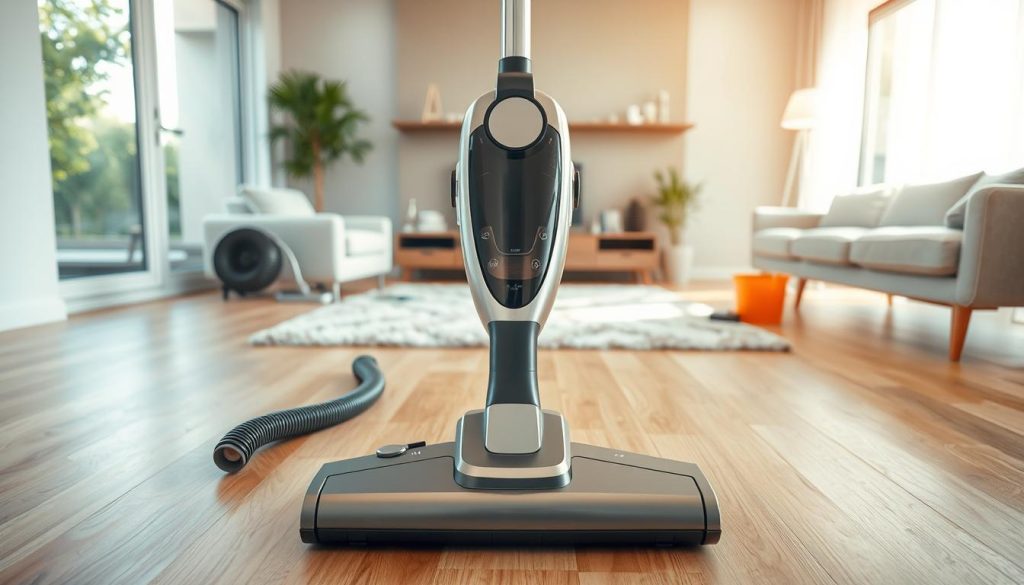
Wet dry vacuum models handle liquids and solid debris without harming the motor when set up correctly. Unlike standard dry vacuums, they use specialised seals and filters that stop moisture reaching electrical parts.
How suction, air movement and the tank work
The motor spins a fan that draws air through the hose. Air speeds through narrow sections, creating suction that lifts dust, grit and spills.
Dirt and liquid fall into a larger collection tank beneath the motor so exhaust air leaves cleaner. Blockages or soaked filters cut suction and reduce lifespan.
When this type saves time around the home
These cleaners beat mopping for quick spills, speed water removal at carpet edges and collect renovation debris faster than a standard dry vacuum. We recommend picking the right attachment and setup for each task.
For more practical tips and unusual applications, see our guide on unusual uses.
how to use wet and dry vacuum cleaner for liquid spills and wet dirt</h2>
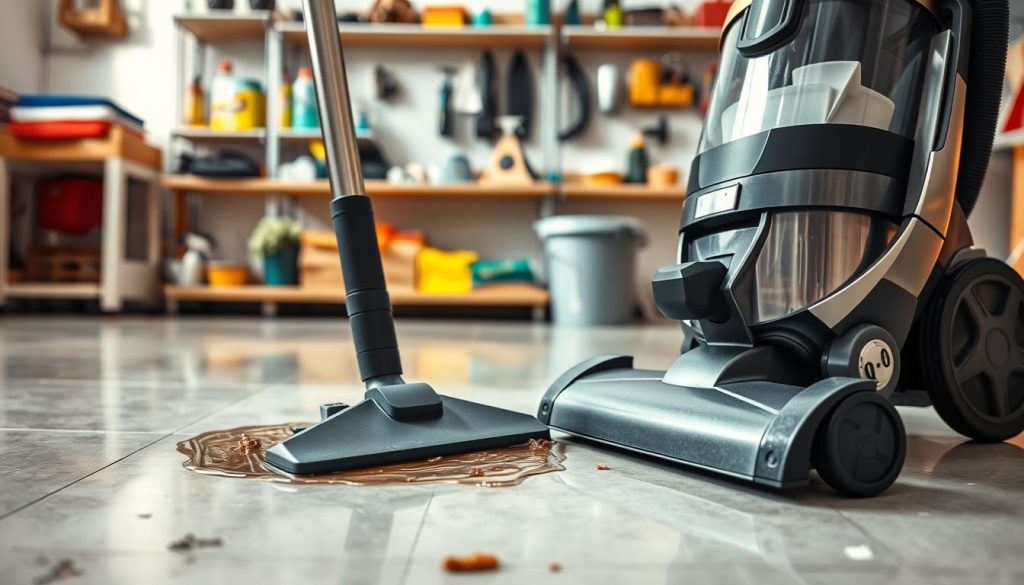
Liquid spills demand a clear, safe routine so we restore floors fast and protect the motor. First, we perform a quick tank check and remove any dust bag—bags foul when wet and may be ruined.
Confirm the right filter: many units switch to a foam filter for liquid collection while pleated filters stay for dry dust. Make sure the device is set for liquid collection before starting.
Choosing nozzles and hose
For broad, flat floors use a wide floor nozzle for fast removal. For buckets, showers and corners, use a direct hose or narrow nozzle for targeted pick-up.
Vacuuming technique
Keep the nozzle flat and move slowly with overlapping passes so suction lifts water rather than pushing it. On carpet, repeat passes and allow time for moisture to rise from the pile.
Liquids allowed and forbidden
Safe liquids include tap water, rainwater, leaks and common non-corrosive drinks such as coffee or juice. Avoid flammable or corrosive substances — petrol, bleach and strong chemicals risk harm and must never enter the tank.
Monitoring and aftercare
Watch the tank level; a float shut-off will stop suction when full, but we still check during large spills to prevent overflow. After use, empty the tank, rinse with mild soap and dry thoroughly to prevent odour and residue. Make sure filters are dry before switching back for dry cleaning.
Need a modern, hybrid model that handles spills with ease? Consider the Dreametech H12 Pro for quick collection and simple maintenance.
Switching to dry vacuuming for dust, hair and building debris</h2>
When we switch a wet dry machine over for dusty chores, correct setup matters for performance and indoor air quality.
Set up for dry cleaning: ensure any previously used wet filter is fully dry. Fit the pleated filter or the model’s specified dry filter for fine dust capture. For heavy renovation dust, a paper bag keeps the collection chamber cleaner and speeds disposal.
Tools and accessories that improve dust collection
- Wide floor heads for hard surfaces and brush options that protect finishes.
- Rotating brush or powered heads for deep carpet pile and embedded grit.
- Soft brush tools for curtains and ledges so dust does not become airborne.
Targeted cleaning for upholstery and crevices
Use an upholstery nozzle on sofas and an elongated crevice nozzle for skirting boards, track grooves and tight gaps. Work with controlled passes and avoid pressing hard on fabric. Check the hose for blockages regularly so suction remains strong and removal is complete.
For households with allergies, pleated filters and careful setup reduce exhaust dust and improve air quality.
Safe operation and maintenance for consistent suction and motor protection</h2>
A short routine after each job prevents odour, weak suction and premature motor wear.
Electrical safety and spill rules
Keep cords, plugs and connections dry. Never drag a cable through standing water and avoid vacuumming flammable or corrosive liquids. Unplug before emptying the tank or carrying out maintenance. Blocked vents raise motor temperature; clear airflow paths to keep the motor cool.
Filter care and replacement
Let filters dry fully after liquid collection. Wet filter media can clog and reduce suction. Inspect filters for wear and replace when the media tears or suction falls despite a clear hose.
After-clean routine
Empty and wash the tank with mild soap and water to remove residue and prevent smells in Singapore’s humid climate.
Check the hose for trapped debris and store accessories in a dry place so parts stay fresh and functional.
Smart add-ons and why they matter
Foam filter for water collection. Pleated filter for fine dust and cleaner exhaust air. Nozzle kits match floor types and tight gaps. Spare batteries lengthen run time on cordless models.
| Add-on | Primary benefit | Best for |
|---|---|---|
| Foam filter | Safe water pickup and motor protection | Liquid spills, showers, wet balconies |
| Pleated filter | Fine dust capture; cleaner exhaust | Allergy-prone homes, renovation dust |
| Nozzle kit | Optimised reach and surface contact | Tiles, rugs, upholstery, crevices |
| Spare batteries | Extended runtime for cordless models | Large flats, long jobs, multiple rooms |
For step-by-step guidance on keeping filter performance high, see our short guide on cleaning a vacuum filter.
Conclusion</h2>
We end with a clear checklist: set the model for the job, pick the right attachment and work methodically so we save time and avoid extra clearing. A correct wet dry setup keeps tasks efficient and steady.
Water and common spills are manageable when we watch the tank and skip hazardous liquids. Empty and rinse the container promptly to protect the motor and keep odour low.
For dusty chores, fit proper filters or a bag for heavy grit. Gentle passes on carpet remove dust and dirt without raising particles into the room.
With simple care and the right accessories, one wet dry vacuum cleaner keeps our Singapore home ready for spills, renovation mess and daily wear.

