

We open with what this guide will do: help households in Singapore shortlist an all-in-one machine that suits daily upkeep and spill response.
Expect clear trade-offs — capacity versus convenience, corded drum versus cordless stick, and filtration versus maintenance. These shape the choice more than a single “best” label.
We highlight what matters most on floored areas: consistent suction, edge pick-up, the right tools and how quickly a unit dries after liquid pickup. We also cover when a single device can replace other machines, and when a specialist service is still needed.
Singapore buyers should factor in flat storage limits and local perks such as free delivery, 0% instalment plans and promotions up to 47% off. Electrolux pricing depends on model and current offers.
For a practical companion to the tech points ahead, see our official store perks and feature notes.
Why a wet dry vacuum makes sense for carpeted homes in Singapore
We see the mixed-mess reality in many Singapore homes. Tracked-in sand, spilled drinks and pet hair often occur within hours of each other. These situations need a fast, flexible response.
Having one machine that handles liquid spills and routine dry cleaning means less swapping of equipment and fewer storage headaches in compact flats. Quick water removal reduces dampness and the risk of lingering odours when done correctly.
Everyday spills, tracked-in sand, pet hair and deep-down dust
High-traffic lanes trap fine dirt and dust in pile. Pets shed hair that clings to fibres. Entryways collect grit from shoes after rainy days.
Tools matter here: a good nozzle and brush reach edges and loosen embedded debris better than raw motor power alone.
One machine for wet mess, dry vacuuming and faster recovery after cleaning
Units designed to pick up water can clear small spills quickly, helping carpets dry sooner. That means rooms are usable faster after spot cleaning.
We also value models that separate liquids from solids reliably. This protects filters and speeds maintenance.
To see a practical stain-removal routine, check our guide on cleaning stains on carpets with a wet‑dry.
| Issue | Typical debris | How a wet/dry unit helps | Where it matters most |
|---|---|---|---|
| Entrance grit | Sand, coarse dirt | Strong suction + brush removes grit before it embeds | Foyer, corridor |
| Spills | Water, drinks, small liquids | Rapid pickup reduces damp and odour risk | Living room, kitchen threshold |
| Pet maintenance | Hair, dander | Specialised tools lift fibres and collect hair | Bedrooms, sofas |
| Fine dust | Embedded dust in high-use lanes | Targeted brushes and filtration trap fine particles | Hallways, stairs |
What a wet and dry vacuum cleaner is and how it works
We explain how a single machine switches between picking up solids and extracting water without harming internal components. In practical terms, a device like this is built to manage both dust and spills while keeping the motor path dry.
Wet pickup changes airflow and container handling; liquids are channelled into a separate tank so filters and motors avoid contact with water. Dry vacuuming relies on suction plus brushes to lift dirt into a collection bin or bag. Good systems use baffles, float valves or washable filters to separate water from solids safely.
Electrolux and Kärcher describe two main formats we will see through 2026. Drum-style models handle heavy debris and large volumes of water. Cordless stick washer-vacuums focus on quick cleaning of hard floors and light spot work.
Expect spot extraction and faster drying from most wet dry units, but not full carpet shampooing unless a model is explicitly made for deep extraction. Choose the right type based on where we clean most—home, car or outdoor areas.
vacuum cleaner wet and dry for carpet: what to prioritise before you buy
Start by checking the parts that determine real-world pick‑up, not headline wattage figures. We prefer units that show consistent suction under load, clear nozzle design and edge reach. These traits matter more than raw power numbers on a spec sheet.
Suction power and cleaning performance on pile, edges and high‑traffic lanes
Look for steady airflow and a nozzle that stays sealed on the pile. Strong edge pick‑up keeps hallways and thresholds clean without repeated passes.
Brushes, carpet nozzles and tools designed for thorough cleaning
Rotating brushes and specialised nozzles lift embedded hair and grit. Brands such as Kärcher supply tailored accessories that improve pick‑up on fibres.
Filtration and microfilter technology for fine dust and allergens
We favour microfilter systems like Electrolux’s because they trap fine particles and help control odour. Maintain filters to keep suction steady.
Container capacity, emptying and storage
Choose a compact container if storage is tight. Larger tanks suit heavy jobs, but easy emptying wins in small flats.
Drying time and avoiding damp smells
Minimise retained moisture by ventilating rooms and using short extraction passes. Self‑cleaning nozzles and antibacterial tanks reduce odour risk over time.
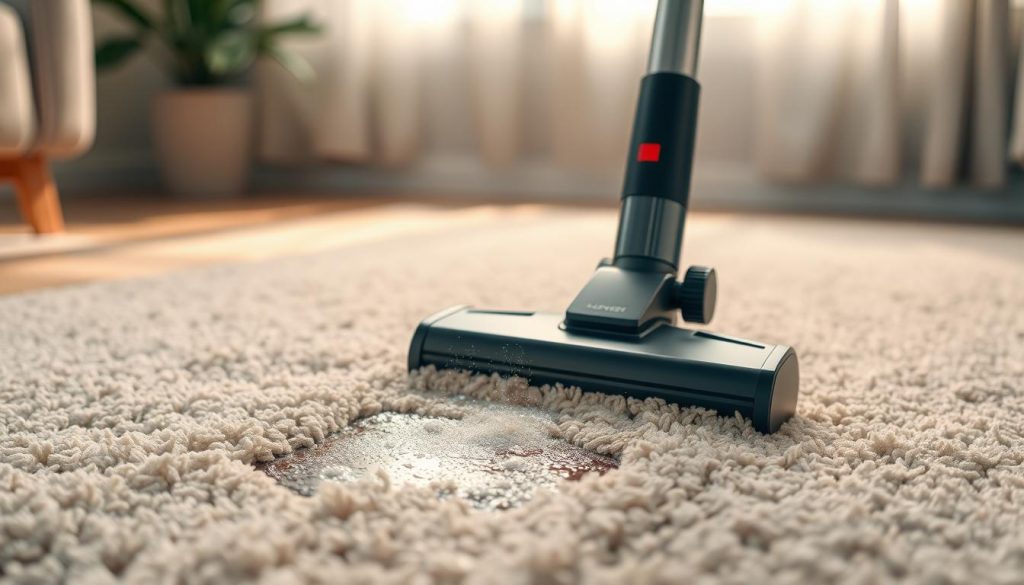
| Priority | What to check | Why it matters | Quick tip |
|---|---|---|---|
| Suction stability | Airflow under load, sealed nozzle | Ensures real cleaning performance on pile | Test with a rug sample where possible |
| Nozzle & tools | Rotating brush, edge tool | Lifts hair and grit from fibres | Prefer models with carpet nozzle accessory |
| Filter system | Microfilter, washable options | Traps fine dust and limits odour | Replace or wash regularly |
| Container & drying | Capacity, emptying ease | Matches home size and storage limits | Ventilate after wet pickup |
Wet vs dry vacuum cleaning on carpets and floors
Deciding when to use moisture and when to rely on dry suction changes how we treat stains and traffic lanes.
When moisture helps: Spot treatment is best for fresh spills, sticky residues and heavily trafficked patches where dry methods leave residue. Electrolux notes that controlled liquid extraction lifts trapped grime and helps remove stubborn stains without aggressive scrubbing.
When dry care is better: Routine upkeep, hair removal and daily grit removal suit a dry vacuum. Regular vacuuming preserves pile, speeds cleaning and limits allergen build‑up when filters are well maintained.
“Controlled moisture removes sticky dirt; too much water prolongs drying and can cause odour.”
On hard floors, a wet dry approach helps after mopping or small leaks. For carpets, use limited water, short passes and quick ventilation to avoid damp smells.
- Weekly: dry vacuum for regular dirt and hair.
- Occasional: wet dry for spot stains and sticky areas.
| Action | Best use | Risk |
|---|---|---|
| Dry vacuuming | Routine upkeep, hair, dust | Misses sticky residue |
| Wet dry cleaning | Stains, spills, sticky dirt | Poor drying causes odour |
| Combined | After stain treatment, then dry pass | Longer total time |
Choosing the right type: drum wet dry vacuum vs cordless stick wet dry
Choosing the right type means matching a machine’s strengths to the chores you do most at home. We break the two main families down so you pick a model suited to your space, not one that overserves a need you rarely have.
Drum models suit heavy mess. They handle renovation dust, garden debris and large liquid spills. Brands such as Kärcher and Electrolux present rugged models with blower function, large container sizes and on-board accessories that stay with the device.
Drum models: heavy-duty, blower and storage
Best use: garages, patios and renovation sites where power and robust design matter. Typical advantages include high power, 3‑in‑1 wet dry blow capability and compact hose/tool storage on the unit.
Cordless stick models: mop, manoeuvre and quick refreshes
We favour cordless sticks for daily upkeep in flats. They combine vacuuming with a mop function, offer nimble handling and often include smart dirt detection and self‑cleaning nozzles.
Practical features to check
- On‑board accessories and organised storage to avoid lost tools.
- 360° handling and compact design to fit tight storage spaces.
- Match power and attachments to your main floors so you don’t overpay for unused performance.
“Choose the type that fits your home: heavy-duty drum units for big jobs; cordless sticks for quick, everyday care.”
| Type | Typical use | Key features | Best for |
|---|---|---|---|
| Drum models | Renovation dust, garden debris, large spills | High power, blower, large container, on‑board accessory storage | Garages, patios, heavy duty jobs |
| Cordless stick models | Daily upkeep, quick mopping, small spills | Light weight, mop function, smart detection, self‑cleaning | Flats, hard floors, tight spaces |
| Hybrid choice | Homes with mixed needs | Moderate power, modular accessories, compact storage | Small homes needing both occasional heavy pickup and daily care |
Accessories and tools that improve results on carpet, upholstery and tight spaces
Good accessories turn a capable machine into a precise cleaning system for edges, upholstery and tight gaps. We place value on attachments that solve real problems at home rather than on raw motor numbers.
Carpet nozzles and multi‑surface heads lift fibres and reduce passes on rugs and pile. Kärcher lists specialised carpet nozzles for living spaces. Electrolux highlights multi‑surface tools that switch between hard floors and soft surfaces without damage.
Upholstery tools remove hair and fine dust from sofas and fabric chairs. A soft brush head avoids snagging while a powered mini‑roller lifts stubborn strands.
Crevice and detailing tools reach sofa gaps, skirting lines and car interiors. These narrow nozzles make a tangible difference when edges and seams trap dirt.
- Build an accessory checklist of the few items you will use daily.
- Confirm onboard storage so tools stay handy and get used often.
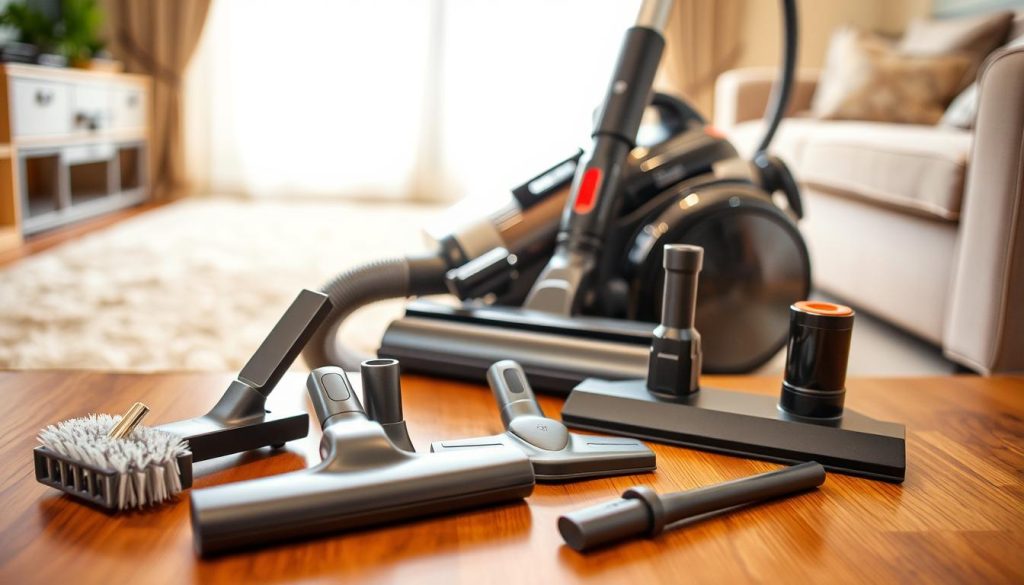
| Accessory | Main use | Benefit |
|---|---|---|
| Carpet nozzle | Rugs, pile | Improves pick‑up and reduces passes |
| Multi‑surface head | Hard floors & fabrics | Switches quickly without damage |
| Upholstery brush | Sofas, chairs | Lifts hair and fine dust safely |
| Crevice tool | Gaps, car interiors | Accesses tight lines and seams |
Hygiene and maintenance: keeping your wet dry vacuum fresh and performing
Routine care turns a capable device into a long‑term, trouble‑free tool for home upkeep. We keep steps simple so busy households in Singapore can protect performance and avoid smells.
Self-cleaning systems and nozzles to reduce mess
Self‑cleaning nozzles cut the time we spend rinsing after spot work. Electrolux models with this feature flush salt and sticky residue away, so less manual cleaning is needed.
This saves effort and helps maintain steady suction by stopping blockages early.
Antibacterial water tanks and what claims mean
Some models state 99.9% bacteria elimination in the tank. That typically covers internal tank surfaces rather than carpets or room air.
We still advise rinsing tanks after use, ventilating treated areas, and using short extraction passes to speed drying.
Filter handling, contact reduction and odour‑free storage
Kärcher’s filter designs lower our direct contact with dirt and dust during changes. That matters for allergy‑sensitive homes.
Empty bins promptly, rinse parts that touched water and leave hoses and tanks to fully dry before storing. Avoid sealed damp storage in humid climates.
| Task | Frequency | Why it matters |
|---|---|---|
| Empty & rinse tank | After wet use | Prevents odour and bacteria growth |
| Clean/replace filter | Monthly or per manual | Maintains airflow and suction |
| Use self‑clean cycle | When available | Reduces manual cleaning time |
Price, value and what we can expect to pay in Singapore
Understanding how price maps to real capability helps us pick the right product without overspend. We use Electrolux’s typical pricing as a practical anchor while noting promotions and bundles often change the final cost.
Typical listed examples show how features align with price. The Flexio Power Z823, the UltimateHome 700 and the 800 3‑in‑1 cordless each sit at different price points depending on current promotions.
What changes as the price rises
Higher price usually buys steadier suction, better filtration and self‑clean systems. Expect smarter sensing features, improved performance on mixed messes, and longer service life from premium models.
Lower‑cost drum units can still deliver great raw power for heavy jobs. Premium cordless models trade capacity for daily convenience, lighter handling and integrated wet extraction features.
How to evaluate promotions, delivery and instalment plans
Check the real bundle value: accessories, extended warranty and whether free delivery covers installation or returns. A 0% instalment plan can help budgeting, but compare the total paid across months, not just the monthly number.
“Promotions move prices; check warranty and bundled accessories to judge true value.”
| Consideration | Why it matters | Quick check |
|---|---|---|
| Discounts & bundles | Can add real value beyond headline price | List included accessories and normal retail price |
| Warranty & service | Protects long‑term performance | Confirm length and what is covered |
| Instalment offer | Spreads payments without extra cost if 0% | Compare total payable vs upfront price |
Quick shortlist method: define your primary use—pile-first home, mixed floors, or renovation/garage—and pick the model tier that matches that need. Treat robots as complementary for routine upkeep, not a primary solution for liquid spills.
Conclusion
,We end with a simple rule: match the device to the mess you face most at home.
Prioritise steady suction, the right nozzle set, good filtration and careful water use to avoid long drying times. Check container size, easy emptying and sensible design to suit Singapore flats.
Before purchase, confirm included accessories, maintenance needs and whether promotions include delivery or 0% instalment plans. Compare models by real tasks: vacuuming rugs, mop use, stain removal and hair pickup.
Next steps: shortlist three models, test suction if possible, then pick the one that feels easiest to maintain for long‑term results.

