
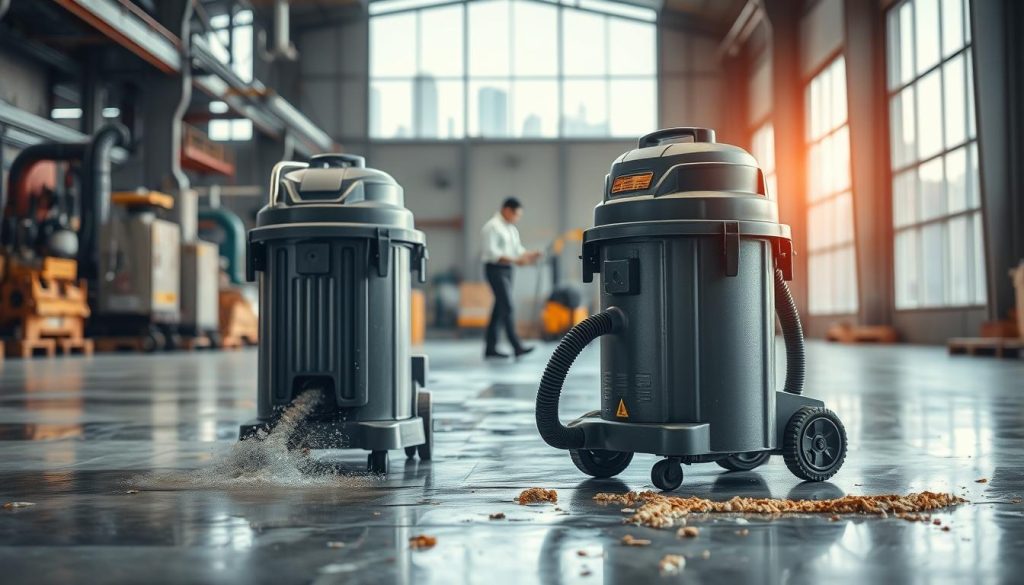
Weiss homes in Singapore face humidity, frequent rain and compact layouts that make fast wet dry routines essential.
We explain what a combined system does: it hoovers then wipes, or picks up spills for a single, practical result.
Our selection covers three clear options: a stick model with mop function, a high‑pressure Roborock unit for hard floors and a heavy‑duty Kärcher set for larger jobs.
We weigh suction, power efficiency, handling and maintenance. That helps families, pet owners and allergy sufferers pick the right tool for quick cleans, edge work or deep cleans.
Expect a concise product comparison, practical buying advice and honest results based on features rather than marketing claims. For a closer look at one of our picks, see the Roborock combo here: Roborock F25 Combo.
How we choose the right wet dry vacuum for Singapore homes
We judge machines by how quickly they turn a messy spill into a spotless floor, without fuss or repeated passes. Our tests focus on everyday scenarios common to HDB flats and terrace houses: kitchen splashes, muddy doorways and stray crumbs.
Wet-and-dry performance: we assess pick-up of sticky spills and loose grit separately. That helps decide between an all‑purpose mop-and-sucker unit and a heavier model built for large liquid incidents.
Wet-and-dry performance for everyday spills, dust and dirt
We run each product on soy-sauce marks, milk drips and fine dirt to judge real cleaning. Roborock’s rotating roller is strong at edge-to-edge pickup of mixed messes.
Suction power and brush or roller design for different floors
Hard floors benefit from rollers that keep contact and drag debris into the channel. Mixed-floor homes need adaptable brushes and consistent suction so performance stays stable as tasks lengthen.
Capacity, run time and time-saving cleaning routines
We match tank capacity to home size. Smaller flats need compact tanks to avoid bulky refills. We also favour units that combine steps for faster, single-pass cleaning — for example, the Bosch dual pads that mop while suction runs.
Hygiene and filtration for cleaner air in compact living spaces
Filtration matters where space is tight. HEPA-level systems trap fine dust and help allergy sufferers. Sealed handling and easy filter access reduce fuss during maintenance.
Accessories, storage and ease of handling for tight corners
We check useful tools for skirting boards and narrow gaps, plus whether the unit stores neatly in a service yard. Kärcher scores for workshop jobs, while Bosch and Roborock fit daily home use.
For a practical cleaning checklist and one of the systems we tested, see our recommended routine at whole-house cleaning checklist.
Best 2 in 1 vacuum and water vacuum cleaner picks we recommend right now
For fast, effective results we recommend a compact mop-suction combo, a high-suction hard-floor specialist and a robust multi-room unit.
Bosch Unlimited 7 ProHygienic Aqua — Best for routine maintenance. It vacuums while mopping, with Automated Water Dosage and two Power Spinning Pads that cut cleaning time by up to 50%. Microfibre pads are machine washable and easy to remove, so upkeep stays simple. Ideal for sealed hard floors where controlled moisture matters.
Roborock F25 / F25 Ace — Best for edge-to-edge hard-floor performance. Both deliver 20,000Pa suction and a 450 RPM rotating roller with lay-flat reach down to 12.5 cm. Expect near flush margins and up to 40 minutes runtime. The Ace adds app control and auto detergent options for added convenience.
Kärcher wet and dry series — Best for heavy-duty jobs. These units pair high suction with energy efficiency and robust storage. They handle coarse dirt, large water pick-up and workshop debris. Pick this group if you need a versatile cleaner for house, car or renovation tasks.
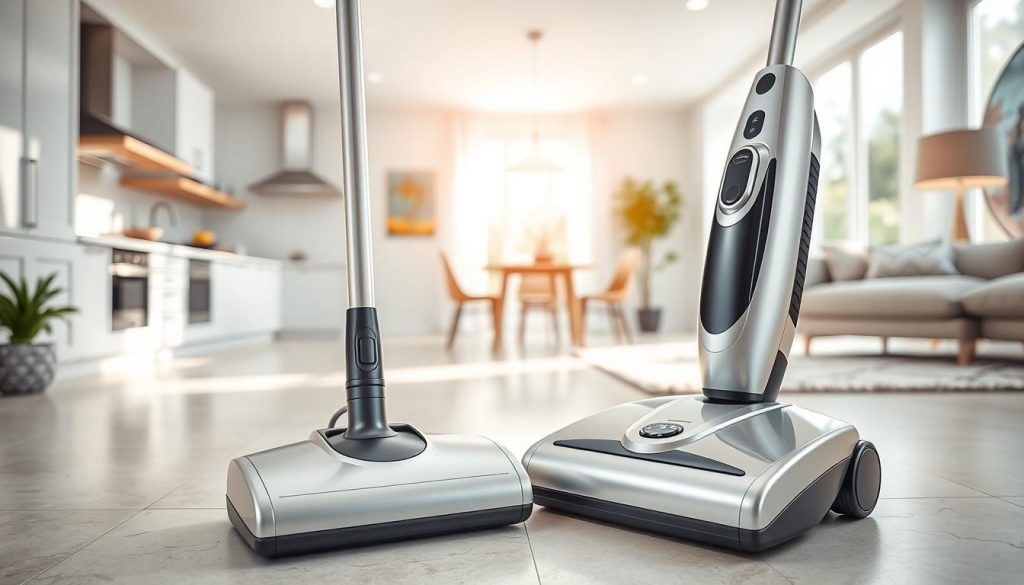
Choose this if… Bosch for quick daily upkeep; Roborock for strong suction and detailed floor coverage; Kärcher for workshop-level versatility and large spills. We recommend matching the choice to your most frequent mess and floor type to get the best results.
Standout features that make each cleaning system worth buying
Each model here offers specific strengths that solve common household cleaning challenges.
Bosch: precise moisture, filtration and pads
What it is: Automated Water Dosage, HEPA filtration (99.97%) and Power Spinning Pads with washable microfibre and easy‑remove tags.
Why it matters: Controlled moisture protects sealed parquet while lifting grime. HEPA reduces airborne dust in compact flats, easing allergy symptoms. Washable pads cut running costs.
Roborock: reach, hygiene and smart adaptation
What it is: 180° lay‑flat reach to 12.5 cm, 90°C roller wash and 90°C air drying in about five minutes, plus dirt detection with adaptive power.
Why it matters: Low‑profile cleaning avoids moving furniture. Fast drying limits damp odours and mould risk in humid Singapore. Adaptive power saves time by matching effort to mess.
Kärcher: power, build and workshop versatility
What it is: High suction with energy efficiency, robust build, compact storage and blower function for coarse debris.
Why it matters: Rapid, residue‑free pickup for renovation dust and large spills. On‑device accessories and tight storage suit small homes and garages.
“Choose the features that match your most common mess — that keeps cleaning simple and effective.”
| Feature | Bosch | Roborock F25 | Kärcher |
|---|---|---|---|
| Moisture control | Automated Water Dosage | Auto detergent options | Manual adjust |
| Hygiene cycle | HEPA filtration | 90°C wash + 5 min dry | Durable, easy to hose out |
| Storage & accessories | Wide accessory range | App control, AI wheels (Ace) | On‑device storage |
| Best use | Daily upkeep on sealed floors | Edge‑to‑edge hard floors | Workshops, heavy duty jobs |
For a short checklist to match features to tasks, see our standard house cleaning checklist.
What to look for before you buy and how to get better cleaning results
Think about daily routines first: quick touch-ups need different kit to deep cleans. Decide whether you want a grab-and-go unit for spills or a robust system for heavy soiling.
Matching modes and power to the mess
Match mode to task. Use gentle modes for everyday dust and a higher power setting for sticky marks or tracked dirt after rain or parties.
Roborock’s auto mode and short self-clean cycles save minutes on routine jobs. Bosch offers simultaneous vacuum-and-mop action to halve cleaning time for sealed floors.
Choosing the right capacity for your floor plan
Large tanks reduce stops. For small flats, pick a compact capacity to keep handling simple.
Roborock’s tanks (up to 870ml clean, 720ml dirty) suit multi-room runs. Think route planning to avoid mid-clean refills.
Maintenance that protects performance
Maintain rollers and filters. Use fast drying cycles where available, empty dirty water promptly and run the high-temp self-clean to limit smells and protect suction.
“Regular filter care and timely pad washing keep results consistent and your indoor air cleaner.”
- Schedule pad washes and filter checks.
- Keep accessories for corners and car interiors only if you use them regularly.
- Prefer models with simple mode switching to save set-up time.
Before you checkout: confirm whether you need a vacuum-and-mop style for daily upkeep or a heavy-duty wet dry unit for large spills and workshop use.
Conclusion
To finish, we set out clear buying shortcuts so you can match a model to daily messes.
Wet dry performance, tank capacity and compact storage matter most for Singapore homes. Choose Bosch for simultaneous vacuum and mop ease with HEPA filtration, Roborock for strong wet dry hard‑floor results and self‑care cycles, or Kärcher for heavy‑duty tasks and high water pick‑up.
Mind the trade‑offs: everyday convenience beats raw power if you clean often. Keep a hygiene routine — empty tanks, dry rollers and maintain filters — so the system stays fresh and consistent.
Confirm needed accessories, match the product to your dirt profile and revisit our what is a wet‑dry vacuum guide before you buy to pick with confidence.

