

We introduce wet–dry machines commonly searched under this phrase and set clear expectations for readers in Singapore.
In this commercial guide we compare popular models available locally and explain who each unit suits best. We focus on present-day specs as listed by retailers and brands such as Tineco, Narwal, Bissell, Simplus, Dreame, Shark, Dyson, Dibea and Electrolux.
We outline key decision factors: tank capacity, suction power, edge cleaning, modes, battery life, filtration, noise and accessories. These criteria help readers judge practicality for small flats, HDB layouts and humid climates.
We also note why a clean tank and separate dirty reservoir matter for effective liquid handling and faster floor drying.
By the end of this piece readers will know which machine suits their home, shortlists to consider, and how wet–dry systems address common Singapore pain points.
What is the vacuum that cleans with water?
We explain how combined wash-and-suck machines work for everyday home messes. These units pair liquid dispensing and strong suction so one pass lifts spills and loose debris.
Wet and dry vacuum vs floor washer: what we mean in this guide
By “wet dry” we mean devices that both wash and extract. Some are stick-style floor washers for tiled rooms. Others are heavier drum models for wet jobs and renovations.
How clean water and dirty water tanks work
Clean water tank stores fresh solution for release during cleaning. A separate dirty water reservoir collects used liquid and picked-up solids. This split keeps hygiene higher than a mop-and-bucket routine.
Why these systems handle both wet spills and dry messes
Water or solution helps dissolve grime while a motorised head and suction lift the result into the dirty tank. That combination explains why dust, crumbs and light pet hair clear up alongside juice or muddy footprints.
- Trade-offs: greater suction and wet ability can add weight and noise.
- Practical baseline: if you want one machine for both spills and debris, a wet dry vacuum is the category to evaluate.
Why Singapore homes are choosing wet dry vacuums right now
High humidity and busy routines in Singapore make hybrid cleaners a sensible option for many households. We find they cut steps, speed up drying, and handle mixed messes in one pass.
Everyday spills, humidity, and faster floor drying
Fast drying matters. After a mopping cycle, damp floors can feel sticky in our climate. A device that rinses and extracts helps floors dry sooner and reduces slipperiness.
Family homes: snacks, juice, and high-traffic hard floors
Kids create crumbs and sticky patches on tiles and vinyl. A combined wash-and-extract approach lifts grime and loose dirt in one go, saving us time and effort.
Pet hair, litter, and muddy pawprints
For pet households, pet hair, sand and muddy pawprints add to daily chores. These machines take both dry messes and wet smears, cutting the usual “vacuum then mop” routine.
- Daily upkeep: fewer passes, less set-up.
- Choice fit: cordless sticks for quick jobs; drum units for heavy spills.
Wet dry vacuum types we’ll compare
We split available models into three clear groups so buyers compare like for like. This helps avoid mismatched expectations when choosing for HDB flats or condos in Singapore.
Cordless stick wet dry cleaners for hard floors
These are lightweight, easy to store and made for daily upkeep. We find cordless sticks suit tiled and vinyl floors where manoeuvrability matters.
Advantages: quick setup, integrated rinsing and suction, and decent power for crumbs and light debris.
Limit: many sticks handle low rugs for light pick-up but do not replace carpet washers.
Drum-style wet and dry units for garages and renovations
Drum models are heavier-duty cleaning tools. Brands position them for workshops, garages and renovation sites.
They cope with larger debris, offer stronger suction and often include blower functions. These units suit jobs where volume and rugged performance matter.
Robot vacuum plus mop versus a true wet dry system
Robotic appliances work well for daily dust and light mopping, but they lack the agitation and extraction of a proper wet dry system.
If you need to manage spills and damp residues, a true wet dry device delivers better drying and liquid handling than most robot vacuum plus mop combos.
- Quick guide: cordless sticks for daily floors, drums for heavy work, robots for hands-off upkeep.
- Decision point: rugs, spill frequency and storage will steer most buyers toward stick-style floor washers.
How we choose the best water tank vacuum for your home
Choosing the right model comes down to tank sizes, real suction and how neatly it reaches edges. We test units in small flats and typical Singapore layouts to reflect real use.
Clean water tank vs dirty water capacity and refill frequency
We measure tank capacity by how long a run lasts before a refill or empty. A larger clean water tank reduces trips to the tap.
Likewise, a bigger dirty water reservoir means fewer interruptions to empty mid-clean. We score models on both volumes and ease of removal.
Suction power and real-world debris pick-up
Rather than rely on marketing numbers, we assess how well suction lifts crumbs, grit and damp spills. Strong suction power must translate into tidy floors and faster drying.
Edge cleaning performance along skirtings and corners
Edge cleaning matters a lot for compact homes. We note how close a head reaches to skirtings and whether side brushes or dual rollers improve corner pickup.
Cleaning modes and smart detection
We test cleaning modes: auto for daily upkeep, max for heavy grime and pet modes for hair. Smart dirt detection that adjusts intensity scores highly for convenience.
Battery life, runtime in minutes, and charge time
Runtime in minutes is central to whole-home coverage. We record battery life, typical minutes per mode and full charge time to set realistic expectations.
Filter system considerations, including HEPA options
We compare filter system types and recommend HEPA when allergies or haze particles are a concern. Ease of cleaning and replacement matters too.
Noise level, weight, and manoeuvrability
We rate noise level and weight for daily comfort. Manoeuvrability — turning radius and head articulation — affects how easily a unit moves under furniture.
Accessories and cleaning tool add-ons
Accessories change usefulness. Extra brushes, crevice tools and detachable handhelds make a unit better for rugs, cars and tight spots.
| Factor | What we measure | Why it matters | Top feature to seek |
|---|---|---|---|
| Tank capacity | Clean water tank / dirty water litres | Fewer refills and empties | Large, easy-remove reservoirs |
| Suction power | Real pick-up on tiles and spills | Faster cleaning and drying | Adjustable suction modes |
| Edge cleaning | Reach to skirtings and corners | Cleaner perimeters in tight homes | Dual-side brushes or slim head |
| Battery & runtime | Minutes per mode and charge time | Whole-home coverage without breaks | Long runtime and quick charge |
Our top picks at a glance for Singapore
Below we present four top picks that balance performance, price and daily practicality for local homes.
Overall best: Tineco Floor One Switch S7 Stretch
Why it wins: balanced power, smart sensors and a large tank for longer runs.
Most manoeuvrable: Narwal S20 Pro
Why it wins: slim head, great edge reach and easy handling in tight HDB layouts.
Best for pet hair: Bissell CrossWave X7 Cordless Pet Pro
Why it wins: pet-focused brushes and strong suction for fur and dander.
Best budget choice: Simplus Cordless Wet-Dry Vacuum Cleaner
Why it wins: good value for price, decent tank and surprising runtime for the class.
Note: price in Singapore varies across retailers and promotions. We judge value by features, not a single sticker price.
| Model | Tank (clean/dirty) | Claimed power | Typical runtime |
|---|---|---|---|
| Tineco Floor One Switch S7 Stretch | 1000ml / 720ml | 22,000 Pa | Up to 35 mins |
| Narwal S20 Pro | 790ml / 720ml | 20,000 Pa | 30–40 mins |
| Bissell CrossWave X7 Pet Pro | 820ml / 420ml | 20,000 Pa | 25–30 mins |
| Simplus Cordless Wet-Dry | 500ml / 550ml | 21,000 Pa | 20–30 mins |
Best overall wet and dry vacuum: Tineco Floor One Switch S7 Stretch
We favour a unit that adapts its power automatically while keeping refill trips low and edge cleaning tight.
Who it suits
Hard floors, busy households and anyone who prefers smart automation over manual setting changes. It handles mixed messes and frequent touch-ups well.
Key specs
Clean water tank: 1,000ml. Dirty water: 720ml. Suction power: up to 22,000 Pa. These sizes mean fewer stops for refill or empty in typical Singapore flats.
Smart control and edge cleaning
iLoop sensor technology adjusts suction and water flow automatically, saving solution while lifting grime effectively.
The dual-side brush roller reaches about 0.5cm from skirtings, improving edge cleaning where dirt gathers.
Runtime and modes
Runtime runs up to 50 minutes in floor-wash mode and up to 70 minutes in dry vacuum mode. You can switch between wash and dry functions for quick pick-ups or deeper upkeep.
Ownership notes
Pros: smart technology, long runtime and strong suction. Cons: higher price and routine tank and roller care to avoid odours. Skip this unit if you only need occasional wet spill handling and prefer a budget option.
| Feature | Spec | Practical effect |
|---|---|---|
| Clean water tank | 1,000ml | Longer runs between refills for a small flat |
| Dirty water tank | 720ml | Fewer empties mid-clean |
| Suction power | 22,000 Pa | Faster drying and solid pick-up on tiles |
| Runtime | Up to 50 / 70 minutes | Whole-room coverage for most homes |
Most manoeuvrable choice: Narwal S20 Pro
For tight layouts and frequent touch-ups, this model earns our top mark for manoeuvrability.
Why we like it
Lightweight handling and a flat-folding design make steering around dining legs, sofa edges and narrow corridors simple. At 4.27kg its low weight helps quick moves between rooms.
Edge performance
Triple-sided edge cleaning reaches skirtings more effectively in HDB corners, so dust lines need fewer touch-ups.
Key specs and smart tech
Clean water tank: 790ml. Dirty water: 720ml. Suction power: 20,000 Pa. These specs give solid capacity without bulk.
AI Dirt Sense detects soil levels and adjusts intensity automatically.
Cleaning modes and runtime
Five cleaning modes suit quick refreshes or deeper scrubs. Maximum runtime is 60 minutes, with a 3.5-hour charge time — enough for most small-to-medium flats.
| Feature | Spec / value | Practical effect |
|---|---|---|
| Weight | 4.27kg | Easy to lift and steer |
| Clean water tank | 790ml | Fewer refills on average jobs |
| Dirty water | 720ml | Less mid-clean emptying |
| Suction power | 20,000 Pa | Good pick-up and quicker drying |
| Runtime / charge time | 60 mins / 3.5 hours | Whole-home runs for many households |
Best for pet hair and rugs: Bissell CrossWave X7 Cordless Pet Pro
When rugs meet paws and daily mess accumulates, a specialised pet model changes the routine. We find this unit targets fur, tracked-in dirt and everyday spills efficiently on mixed floors.
Where it performs best
Pet hair and surface dirt clear well on tiles, vinyl and low‑pile rugs. It handles quick touch‑ups and regular upkeep, but it is not a replacement for a deep carpet shampooer on thick rugs.
Key specs
Clean water tank: 820ml. Dirty water: 420ml. Suction power: up to 20,000 Pa. These specs favour shorter, focused jobs rather than long continuous runs.
Turbo Pet mode and cleaning solution
Turbo Pet raises agitation for stubborn spots. Use the recommended cleaning solution sparingly — proper dosing boosts results, while overuse leaves residue and extra upkeep.
Battery life and ownership notes
Runtime is about 30 minutes and charge takes roughly four hours. That suits small flats and spot cleaning. For whole‑home sessions, consider a longer runtime alternative.
“Pre‑pick large clumps, keep rollers clear and empty dirty tanks promptly to reduce odour.”
| Feature | Spec | Note |
|---|---|---|
| Clean tank | 820ml | Fewer refills for quick jobs |
| Dirty tank | 420ml | Empty more often with heavy shedding |
| Runtime | ~30 minutes | Best for targeted sessions |
Best budget wet dry option: Simplus Cordless Wet-Dry Vacuum Cleaner
We recommend Simplus for shoppers who want decent performance at a lower price. This cleaner pairs strong claimed suction power with sensible tank sizes for everyday use in Singapore flats.
Value highlights: strong suction and practical tanks
Claimed suction power of 21,000 Pa gives good pick‑up on hard floors and damp spills. The slightly larger dirty tank helps when messes are messy.
Key specs
| Feature | Spec | Note |
|---|---|---|
| Clean water tank | 500ml | Enough for a single full run in many flats |
| Dirty water | 550ml | Fewer empties for heavy jobs |
| Suction power | 21,000 Pa | Strong for the price |
| Weight / runtime | 4.4kg / up to 50 minutes | Portable and suitable for weekly upkeep |
Reach, brush design and battery notes
The 180° flat‑folding feature and narrow brush head reach tight areas under low furniture and around legs. That 6.5cm head width helps edge cleaning where dirt hides.
Buyers should note budget models can trade refinement for affordability. Expect a bit more noise and fewer smart modes, so focus on tank capacity, real suction and ease of cleaning when you check price and specs.
Best for hot water cleaning: Dreame H15 Pro Heat
For greasy kitchens and heavy-soil areas, hot water mopping brings a clear cleaning advantage.
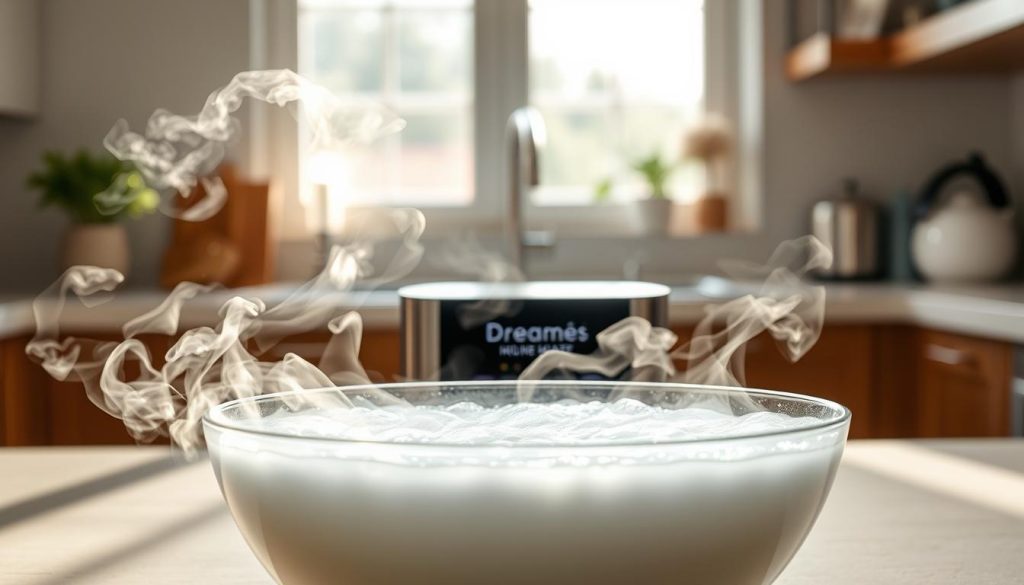
85°C hot water targets stubborn stains and oily spills in cooking and dining zones. We find heat helps break down grease faster than cold cycles, so stains lift with less scrubbing.
Key specs and performance
Clean water tank: 800ml. Dirty water: 650ml. Suction power: 22,000 Pa. These capacities support deeper cleaning runs before refill or emptying.
Design and floor guidance
Triple edge cleaning and auto-traction wheels ease forward motion and improve reach along skirtings. A soft brush layout helps agitation while rollers clear perimeter dust.
Note on wooden floors: hot water can be harsh on unsealed timber. We advise checking sealant and using a gentle mode or avoiding heated cycles on delicate surfaces.
Runtime and handling
Runtime differs by mode: up to 70 minutes in normal use, about 25 minutes in hot water mode. Carrying between levels feels heavier due to a 6kg weight, but flat-folding design aids storage.
| Feature | Spec | Practical note |
|---|---|---|
| Hot water temperature | 85°C | Better for oil and kitchen soils |
| Runtime | 70 / 25 minutes | Hot water mode shortens runs |
| Charge time | 4 hours | Plan for full recharge between deep cleans |
Best for odour control and hygiene: Shark HydroVac WD210SM
Homes where smell control matters will benefit most from a design that limits bacterial growth in key parts. We position the Shark HydroVac for shoppers who prioritise odour prevention and simple upkeep in humid Singapore flats.
Antimicrobial brush rollers and hygiene focus
Antimicrobial brush rollers reduce bacterial build-up that often causes persistent odour. This feature helps keep a cleaner head between sessions and lowers the chance of smells forming in the system.
Key specs at a glance
| Feature | Spec | Why it matters |
|---|---|---|
| Clean water tank | 500ml | Short, frequent jobs without heavy refills |
| Dirty water | 360ml | Empty often to avoid odour |
| Suction power | 2,700 Pa | Balanced pick-up for quick touch-ups |
| Runtime | ~30 minutes | Good for small flats and spot jobs |
Cleaning modes and daily use
Versatile modes support fast resets on hard floors. Switch to a higher mode for sticky spills or a gentle mode for routine floor cleaning. This system suits quick post-meal resets and small, targeted tasks.
Practical notes and maintenance
We recommend emptying the dirty tank immediately after each session, rinsing reservoirs and drying rollers. Regular care prevents odour and keeps the brush system effective.
Dyson wet and dry vacuum options in Singapore
If ergonomic design and research-led features matter, Dyson’s submarine-style stick cleaners deserve attention.
What to expect from Dyson pricing and R&D-driven technology
Dyson pricing sits at a premium. That reflects heavy R&D and specialised engineering rather than larger tank volumes or long wet-run times.
Expect precise cyclonic suction, refined filter systems and cordless ergonomics rather than oversized reservoirs common in floor-only washers.
V12s Origin Submarine: lightweight, bacteria and allergen focus
V12s Origin Submarine is light at about 2.2kg. It pairs a small clean water tank (300ml) and a 360ml dirty reservoir.
Runtime reaches roughly 60 minutes on a full charge and a 3.5 hour charge time. Use this unit if bacteria control and easy handling matter more than long wet runs.
V12s Detect Slim Submarine: HEPA filtration and Fluffy Optic head
Detect Slim adds HEPA options and a Fluffy Optic head for fine dust visibility. Its filter system suits households with allergy concerns and busy dust loads.
Digital Slim Submarine: compact design and runtime trade-offs
Digital Slim is compact and designed for storability. Expect about 40 minutes runtime, so match it to flat size and cleaning time needs.
When a Dyson water tank system makes sense for our homes
Choose Dyson when you value dry-clean performance, advanced filtration and light handling. If long wet runs or larger tanks matter more, dedicated floor washers often deliver better price-to-capacity.
More strong contenders for specific needs: Dibea H8 and Dibea HC26
Here we profile two Dibea models that aim to balance capacity, runtime and fuss-free maintenance. Both give sensible specs for Singapore flats and keep weight low for regular use.
Dibea H8: self-cleaning system and flexible modes
Highlights: a 500ml clean water tank and 600ml dirty tank, suction power of 13,000 Pa and a weight of 3.7kg.
The built-in self-cleaning system reduces manual upkeep and helps prevent odour between sessions. Cleaning modes cover sealed wood, marble and tiles so you match settings to floor type.
Runtime: up to 38 minutes in auto, around 30 minutes on high. Charge time sits near 4.5 hours.
Dibea HC26: larger tank capacity and extended reach
Highlights: 700ml clean and 700ml dirty tanks, a longer handle reach and a stated suction power figure that reads high on paper.
Weight is 3.85kg and runtime is about 38 minutes in auto. The larger tank capacity suits longer sessions or bigger messes without frequent refills.
How to pick between them based on messes and floors
Choose H8 for frequent, light spills and fuss-free upkeep; its self-clean cycle lowers routine maintenance. Opt for HC26 if you need larger tank capacity for longer runs or taller reach for broader rooms.
| Model | Clean water tank | Dirty water | Suction power | Runtime (auto) |
|---|---|---|---|---|
| Dibea H8 | 500ml | 600ml | 13,000 Pa | Up to 38 minutes |
| Dibea HC26 | 700ml | 700ml | 146,000 Pa (stated) | 38 minutes |
“Balance suction power numbers against roller design, sealing and actual modes — practical performance matters more than a single figure.”
Electrolux wet and dry vacuums: drum vs stick systems
Electrolux offers two clear formats so buyers match tool to task rather than odd compromises.
Drum models handle heavy jobs. They work as wet, dry and blower units for messy balconies, garages and post‑renovation dust. The blower helps clear debris from corners and drains, so you finish faster.
Drum models: wet, dry, and blower function for heavy‑duty cleanups
These cleaners bring robust power and larger tanks. They suit patios and areas where loose dirt and liquid mix after renovations or DIY jobs.
Stick models: cordless 3‑in‑1 vacuuming and mopping for daily floor care
Electrolux stick systems combine vacuuming, mopping and handheld use in one unit. They are light, easy to store and match daily routines in small flats and family homes.
Notable features: TriAction nozzle, smart dirt detection, self‑cleaning
TriAction nozzle targets edges and claims high debris pick‑up on select models. Smart dirt detection adjusts suction and flow for better efficiency.
Self‑cleaning cycles reduce manual upkeep, while microfilter tech and antibacterial tanks help households prone to odour or allergies.
Typical Singapore pricing range and promotional considerations
Expect price points from entry level to premium. Promotions can cut the price significantly and often include free delivery or 0% instalments on the official site. Check included accessories, warranty terms and whether your use is heavy-duty or daily maintenance before buying.
| Format | Best use | Key features | Typical price (S$) |
|---|---|---|---|
| Drum | Garages, patios, post‑renovation | Blower, larger tanks, strong suction, robust filter system | Varies |
| Stick | Daily floors, quick touch‑ups | 3‑in‑1 use, TriAction nozzle, smart dirt detection, self‑clean | Varies |
| Both | Mixed needs | Accessories vary; check crevice tools and spare filters | Promos up to 47% off |
How to match a wet and dry cleaner to your floors and messes
Choosing a suitable cleaner means matching performance to surface type and daily chores. We outline practical checks so you pick a model that suits tiles, sealed wood, rugs and mixed‑floor homes in Singapore.
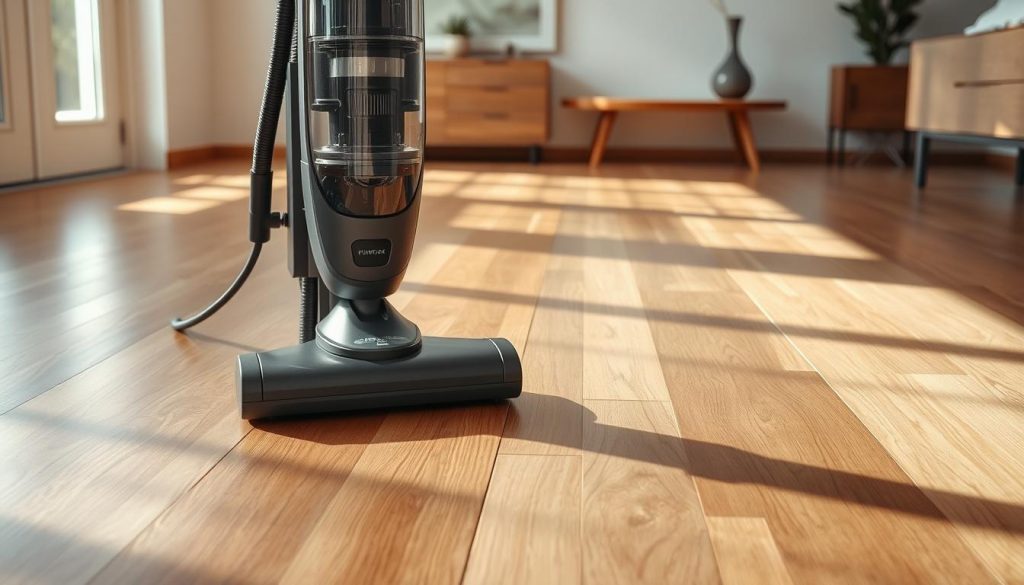
Hard floors: tiles, marble, vinyl, and sealed wood
For hard floors, prioritise adjustable water flow and good suction. Strong suction helps faster drying while measured solution avoids puddles on sealed wood.
Tip: use a gentle mode for sealed timber and test on a small patch before a full run.
Rugs and carpets: where wet dry models help (and where they don’t)
Wet‑dry cleaners refresh low‑pile rugs and remove surface debris and spills. They do not replace deep carpet shampooers for thick pile or embedded grime.
Practical rule: reserve wet mode for short passes only on low rugs; use dry mode for dust and grit.
Dry messes vs liquid spills: choosing the right mode and brush
Match mode to mess: choose dry mode for dust, crumbs and grit; switch to wet for sticky spills. Brush or roller design affects how well hair and debris lift from textured surfaces.
Look for: removable rollers for easy cleaning and a soft brush option for delicate floors.
Edge cleaning in HDB flats and condos with tight corners
Edge cleaning matters in compact homes. Run the head along skirtings and around table legs during a trial to confirm reach. Slim heads or side brushes improve corner pickup.
If grit and dust are your main issue, prioritise suction and filters. If sticky spills dominate, choose precise water control and stronger brush agitation.
| Floor type | Best mode | Key feature to prioritise |
|---|---|---|
| Tiles / vinyl | Wet or auto | Strong suction, adjustable water flow |
| Sealed wood | Gentle wet / dry | Low moisture mode, soft brush |
| Low‑pile rugs | Dry or brief wet refresh | Detachable brush, shallow agitation |
| High‑pile carpets | Dry only (or deep shampooer) | High suction, HEPA filter for dust |
For further model comparisons and guidance on combos, see our recommended picks and an independent review at best mop‑vacuum combo.
Ownership essentials: maintenance, storage, and running costs
Regular upkeep and smart storage extend lifespan and reduce running costs. A brief routine after each session protects performance and helps avoid persistent odour in humid Singapore homes.
Emptying dirty water, tank care and odour prevention
Empty dirty water immediately after use. Rinse the dirty tank, wipe seals and leave parts to air until fully dry.
Tip: remove hair and debris from rollers before a rinse to prevent blockages and bad smells.
Self‑cleaning cycles: role and limits
Many models offer a self‑cleaning system that flushes rollers and internal pathways. These cycles reduce manual scrubbing but do not replace tank rinsing or detangling hair.
“Empty dirty tanks promptly, rinse and dry components to reduce odour.”
Cleaning solution dos and don’ts
Use only manufacturer‑approved cleaning solution and follow dosage guidance. Avoid mixing chemicals or over‑dosing; residues can harm seals and leave slippery film on floors.
Battery care to preserve runtime and battery life
To keep battery life healthy, avoid full discharge and follow charge recommendations. Store units at a mid charge if unused and perform occasional top‑ups to preserve runtime over time.
- Storage: keep units upright, ventilated and never sealed while damp.
- Running costs: budget for solution refills, replacement rollers and filters — ownership costs matter more than purchase price.
Conclusion
Finally, here are practical checks to fast‑track a confident purchase for local flats.
By design a wet dry vacuum or floor washer uses a water tank to wash and extract in one pass. This all‑in‑one approach suits mixed messes and saves time in a small home.
Prioritise tank capacity and real suction power, then check edge cleaning reach and a robust filter system. Factor noise level, battery or corded options and useful accessories for everyday use.
Our top picks — Tineco, Narwal, Bissell and Simplus — cover typical Singapore needs; Dreame, Shark, Dyson and Electrolux suit specific cases. Good maintenance stops odour and keeps performance high.
Next step: shortlist two models, compare runtime and water tank size for your flat, then choose according to your most common messes.

