
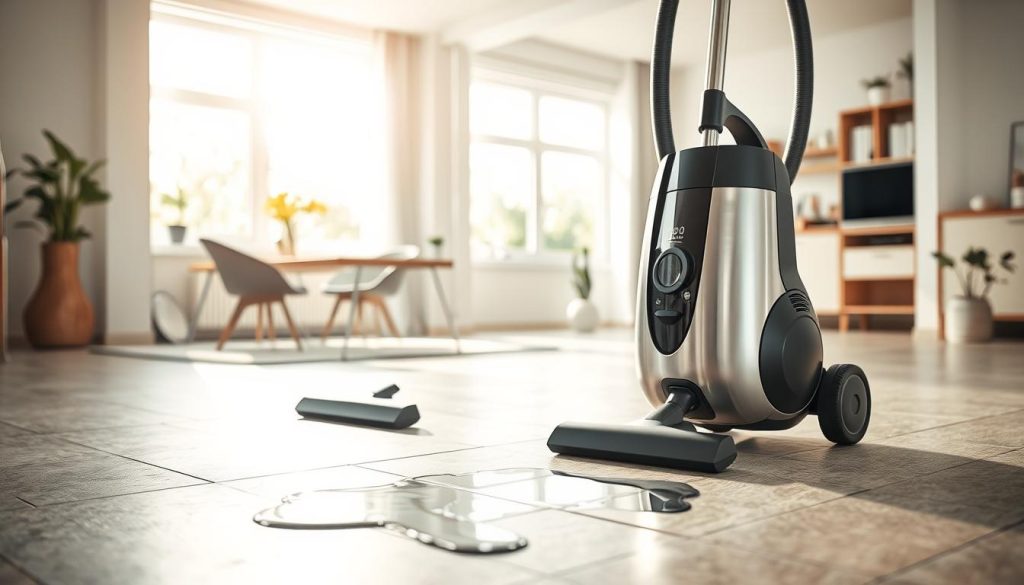
We’ve shortlisted the best options for Singapore households that need fast spill response and regular tidying. This roundup covers models across budgets, with focus on hard-floor performance, tank design, suction, modes, battery life, comfort, maintenance and price.
We write for households that want a single tool to tackle liquid spills, crumbs, dust and pet hair without separate mopping steps. Our picks favour manoeuvrability for HDB flats, compact storage and realistic routines that fit busy lives.
Expect clear trade-offs: these machines often weigh more and sound louder than a standard unit, but they cut total cleaning time for common messes.
For each selection we state what it excels at — pets, stain removal, low upkeep or value — plus the key compromises to accept. Use our notes to match a model to your floor type, storage limits and routine so you buy with confidence.
Why wet and dry vacuums are worth it for Singapore homes right now
In compact Singapore homes, a single machine that handles liquids and solids saves us minutes on everyday upkeep. We value tools that reduce trips to the mop and bucket and cut overall time spent on chores.
Faster clean-ups for spills, debris and everyday dirt on hard floors
A purpose-built machine tackles drink spills, sauce splashes and crumbs in one pass on hard floors such as tiles, vinyl or laminate. That single sweep often removes both loose debris and residue, leaving floors ready to walk on.
Why they suit households with children and pets
Homes with little ones or pets see more tracked-in dirt and frequent accidents. A hybrid unit removes hair, crumbs and liquid mess quickly, which makes daily routines more repeatable and less stressful.
Trade-offs to expect: noise, weight and bulk versus standard options
These machines usually have stronger motors, so vacuums like this are louder and heavier than a typical dry vacuum. They also require more after-use maintenance and need a neat place to park; consider storage before you buy a cleaner.
See our checklist if frequent spills make mopping feel constant — then a hybrid unit is often worth it.
What a wet and dry vacuum cleaner is and how the system works
We define the unit practically: it sprays clean water onto a rotating brush, scrubs the surface, then lifts the slurry into a separate dirty water tank. This three-part approach is different from a standard dry unit because it both dissolves residues and captures the return flow.
How water, brush rollers and suction work together
First, a measured stream of water sits in a clean water tank before release. Next, a motorised brush roll agitates stains so detergent, when used, reaches pores in tiles and sealed surfaces. Finally, strong suction pulls the mixture away into the dirty water tank for disposal.
Where these machines can and can’t be used
Best on hard floors: tiles, vinyl and sealed timber respond well to the spray‑and‑scrub action. Some models refresh low‑pile rugs, but deep carpets are usually unsuitable.
When to avoid use: delicate textiles, untreated timber or areas where excess water risks damage. Also check manufacturer guidance before using outdoors; not every unit is designed for heavy exterior grime.
- Two-tank design: keeps clean water separate from dirty water to avoid spreading grime back onto the floor.
- Buying note: if tanks are small or leak-prone, performance and convenience suffer — choose seals and capacity that suit your flat size.
How we choose a good wet and dry vacuum cleaner for hard floors and spills
Our selection process focuses on how a machine performs during common Singapore spill scenarios. We rank criteria by floor results first, convenience second, and long‑term upkeep third.
Tank capacity that suits your flat
Clean water tank size matters for uninterrupted runs. A bigger water tank cuts refill stops, while a larger dirty water reservoir reduces mid‑session emptying.
Suction, motor power and cleaning modes
We test stated suction against mixed messes. High suction lifts liquid and loose debris; stronger motor power helps with residue.
Cleaning modes change outcomes: auto mode for everyday, max for set stains, suction‑only for pooled spills, and turbo for pet hair or heavy soil.
Battery life, filtration, comfort and upkeep
We translate battery life into real minutes of runtime and note charge time as a practical factor.
Filters range from standard to HEPA for fine dust and allergens. Weight, head movement and overall design decide if a model is comfortable for daily use.
Finally, we weigh accessories and the true cost of maintenance — self‑cleaning helps, but rinsing tanks and drying brushes remains necessary.
Learn more about choosing the right
Overall best pick: Tineco Floor One Switch S7 Stretch
For everyday kitchens and living rooms in Singapore, this model strikes the best balance between power, tanks and smart automation. We found the Tineco Floor One Switch S7 Stretch delivers strong results on tiled and sealed timber floors while staying easy to use.
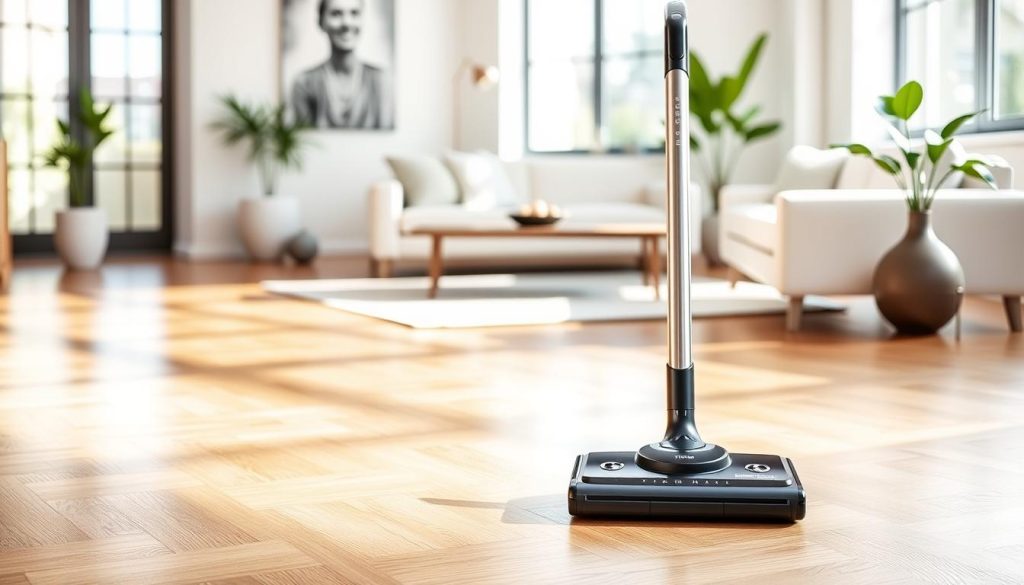
Key specs that matter
1,000ml clean tank and 720ml dirty tank mean fewer refills for medium‑to‑large flats. Stated 22,000 Pa suction lifts spills and embedded debris reliably.
Smart sensing and edge performance
The iLoop sensor and LCD prompts adjust power and water flow automatically. That reduces guesswork and helps us avoid overwetting on sensitive surfaces.
The dual‑side brush reaches within 0.5cm of skirting, so crumbs and hair along walls are removed without repeated passes.
Runtime, modes and ownership
Switch between floor washer mode and stick mode with supplied attachments for sofas, corners and above‑floor dust. Runtime is up to 50 minutes in washer mode and 70 minutes as a stick.
Expect routine tank emptying and brush care — premium performance needs simple after‑use steps to stay at peak performance.
Best for pet hair: Bissell CrossWave X7 Cordless Pet Pro
For flats with shedding animals, we favour a model that moves fast between rooms and targets frequent messes. The CrossWave X7 is designed for fur, tracked-in dirt and everyday stains. Its cordless design helps us reach feeding spots and entryways without rewiring our routine.
Why Turbo Pet mode matters
Turbo Pet mode increases suction and adds an active cleaning solution. That combination tackles stubborn stains and lifts embedded fur from rugs and hard floors. In practice, the mode shortens repeat passes in high-traffic pet zones.
Key specs and what they mean
We note the 820ml clean tank and 420ml dirty water reservoir. The larger water tank lets us run longer between refills. The smaller dirty tank will need emptying sooner in heavy-shed homes.
| Feature | Spec | Runtime / Weight | Best use |
|---|---|---|---|
| Clean tank | 820ml | — | Longer runs on tiles |
| Dirty tank | 420ml | — | Frequent emptying if heavy fur |
| Suction | Up to 20,000 Pa | ~30 mins / 4.8kg | Hard floors, light rugs |
| Special mode | Turbo Pet | — | Stain and fur hotspots |
“A cordless, pet-focused tool saves time on routine cleaning and keeps odour at bay when used with the right solution.”
- Position: ideal for pet-heavy flats with frequent debris and tracked-in dirt.
- Expect to use Turbo mode for feeding areas, litter adjacencies and doorways.
- Tip: rinse the water tank after use and add odour-control solution for better results.
Best budget option: Simplus Cordless Wet-Dry Vacuum Cleaner
When price matters but results still do, the Simplus gives practical specs for typical Singapore flats. We see it as the best entry point for anyone seeking a good wet and dry vacuum cleaner without flagship pricing.
Key specs
500ml clean tank and 550ml dirty tank pair with 21,000 Pa stated suction. The unit weighs about 4.4kg and supports up to 50 minutes of runtime.
Everyday usability
The cordless layout makes spot work simple. The 180° flat-folding design and 6.5cm low-profile head let us reach under sofas and cabinets common in HDBs and condos.
Battery life and value
Up to 50 minutes in typical use covers short daily sessions without a mid-clean charge. Charge time is roughly 4.5 hours, so plan sessions in the evening or between chores.
- Who it suits: flats that need a compact, light machine with solid pick-up power.
- Tank trade-off: the smaller clean water tank means more refills for larger homes, but keeps weight and storage footprint low.
- Post-clean routine: empty the dirty water promptly and let the brush area dry to prevent odours.
Our verdict: the Simplus balances core power, cordless convenience and price, making it a strong value choice for everyday maintenance.
Most manoeuvrable: Narwal S20 Pro
Tight layouts and narrow corridors make manoeuvrability a top priority in many Singapore flats. The Narwal S20 Pro pairs a flat‑folding design with a low-profile head so we can move between rooms and under furniture without extra fuss.
AI Dirt Sense and five cleaning modes for adaptive performance
The unit uses AI Dirt Sense to vary power when it detects heavier dirt. That supports a set‑and‑go auto mode that saves water and reduces noise on cleaner stretches.
- Modes: quick pass for daily spots, auto mode for mixed rooms, deep for stains, edge for skirting lines, mop‑only for residue.
- We reach high‑traffic routes faster thanks to the swivel head and compact footprint.
Key specs and hot water edge cleaning
Key numbers: 790ml clean water tank, 720ml dirty water reservoir and 20,000 Pa stated suction. Runtime runs to about 60 minutes at normal use; charge time is roughly 3.5 hours and weight about 4.27kg.
“Triple‑sided edge cleaning is the hero feature for skirting lines and tight gaps.”
Hot water cleaning helps with stubborn residue, but we advise checking floor guidance before use to avoid damage. Overall, this unit makes whole‑room runs easier without frequent interruptions.
Best for stubborn stains and oil spills: Dreame H15 Pro Heat
When stubborn grease and set-in stains accumulate, applying heat during cleaning helps loosen residues so brush action and suction can lift them more easily.
How 85°C hot water helps with grease and marks
The H15 Pro Heat delivers hot water at 85°C. Heat softens oil and breaks down sauce marks, so removal needs fewer passes.
Key specs and what they mean
800ml clean tank and 650ml dirty water capacity pair with 22,000 Pa suction. That mix gives the power and reserves for heavier kitchen sessions without constant refills.
What to consider
Weight: at 6kg the model can feel heavy for long, multi-room jobs. Factor that into storage and handling plans.
Runtime breakdown
Expect up to 70 minutes in normal mode and about 25 minutes in hot water mode. Use the hot-water mode strategically on problem spots to save time and battery minutes.
“Best placed in kitchens and dining areas where grease and oily spills are frequent; check floor guidance before using hot settings on timber floors.”
Best low-maintenance pick for everyday mess: Dibea H8
A low‑maintenance model should remove hesitation from cleaning day and make quick sessions feel effortless.
We find the Dibea H8 keeps upkeep simple thanks to a built‑in self‑cleaning system. The routine that once felt like a chore becomes something we do without fuss.
Key specs
500ml clean tank, 600ml dirty water reservoir and 13,000 Pa suction. At about 3.7kg the unit is light to lift and steer.
Self‑care and surface presets
The integrated self‑cleaning system reduces sticky brush work after use. Select from targeted cleaning modes for wood, marble or tiles so we match settings to common Singapore floors.
Runtime and handling
Expect up to 38 minutes in auto mode and about 30 minutes at higher power. That covers a living area, dining spot and kitchen in one pass for most flats.
“Self‑cleaning cuts the messiest part of ownership, but you should still empty the dirty water and air parts to avoid odour.”
| Spec | Value | Practical benefit |
|---|---|---|
| Clean tank | 500ml | Short refills for compact homes |
| Dirty tank | 600ml | Holds more damp grime between empties |
| Runtime | 38 mins (auto) | Single‑session coverage for key rooms |
| Weight | 3.7kg | Easy handling and storage |
- Why low‑maintenance: automated rinsing reduces post‑use effort.
- Match modes to your floors to avoid trial and error.
- Realistic tip: empty the dirty water after each session and let components dry to prevent dust and odour build‑up at home.
Best wet-cleaning coverage: Dibea HC26
When we need steady, uninterrupted passes across a living area, tank size becomes the deciding factor.
Key specs
The Dibea HC26 pairs a 700ml clean tank with a 700ml dirty water reservoir. Runtime is about 38 minutes in auto mode and charge time reaches 4.5 hours.
Stated suction is higher than the Dibea H8, but we judge results by pickup and floor dryness rather than numbers alone.
Why larger tanks matter
Equal-sized tanks mean we refill and empty less often, which shortens total cleaning time for whole-room runs.
That fewer-interruption flow works well when we have a dining area, corridor and kitchen to cover in one session.
Reach, handling and real layouts
The longer 568mm handle improves reach under sofas and reduces bending. The model is slightly lighter and more manoeuvrable than the H8, making turns around chairs quicker.
Prioritise sealed tank seals and a well‑designed roller head for consistent pickup; those factors affect outcome more than claimed motor specs.
- Who this suits: anyone who prefers coverage-first cleaning and dislikes stopping mid-room to refill.
- Practical benefit: fewer interruptions cut overall session time and keep momentum while cleaning.
Best value all-rounder for smaller budgets: Shark HydroVac WD210SM
For a dependable daily workhorse that won’t break the bank, the Shark HydroVac WD210SM gives practical performance and thoughtful hygiene features we like for Singapore flats.
Antimicrobial brush rollers to reduce odours and bacterial build-up
Antimicrobial brush rollers are treated to slow bacterial growth on the brush surface. That matters when we often collect dirty water, because less microbial build-up cuts down on lingering smells and reduces how often we need deep cleaning.
Key specs and trade-offs
Core numbers: a 500ml clean water tank and a 360ml dirty water reservoir. Stated suction is 2,700 Pa. The unit is cordless with around 30 minutes runtime and roughly 4 hours to charge.
The smaller dirty tank means more frequent emptying, but keeps the design compact for tight storage in HDBs and condos.
Best use case and practical value
We find this model best for quick kitchen runs, light living‑area touch‑ups and brief refreshes of low‑pile rugs. Its varied modes suit different floor types without complex setup.
- Who it suits: households after a reputable brand at an accessible price.
- Expectations: lower Pa figures still work for short sessions if the brush and airflow are efficient on hard floors.
- Tip: empty the dirty water soon after use to avoid odour and maintain performance.
| Spec | Value | Practical note |
|---|---|---|
| Clean tank | 500ml | Short refills; compact weight |
| Dirty tank | 360ml | Frequent emptying for heavy use |
| Suction | 2,700 Pa | Enough for daily maintenance on hard floors |
Dyson wet and dry vacuum options in Singapore and when they’re worth the price
For households that value innovation and a polished user experience, Dyson’s Submarine series deserves a close look.
Why Dyson costs more: their investment in R&D shows in cyclonic suction, cordless engineering and a refined design. Advanced motors deliver steady suction, while an upgraded filter system cuts fine dust and allergens.
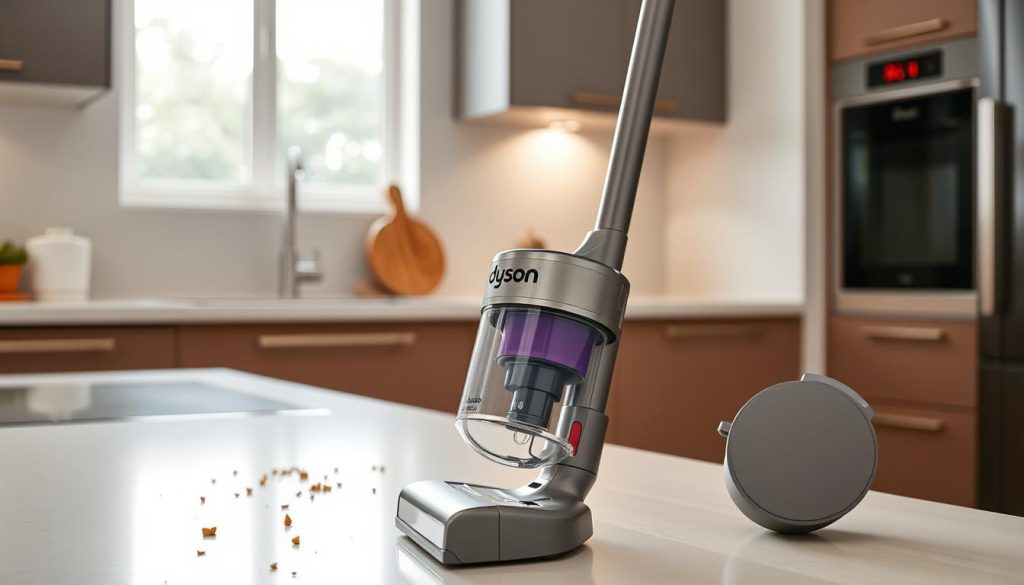
Dyson V12s Origin Submarine
The Origin Submarine pairs a 300ml clean water tank with a 360ml dirty water reservoir. Stated runtime reaches up to 60 minutes, with about 3.5 hours to recharge.
It suits owners who want cordless convenience, precise handling and strong pickup without bulky tanks.
Dyson V12s Detect Slim Submarine
This model adds a HEPA filter and the Fluffy Optic head to reveal visible dust as you work. That makes it a sensible choice for allergy-prone homes where seeing removal matters.
Dyson Digital Slim Submarine
The Digital Slim trades some runtime for a slimmer profile. It is lighter and easier to store, but shorter runs mean more frequent sessions for whole‑home cleans.
“Choose Dyson when refined handling, premium filtration and cordless polish justify the higher price.”
- When to buy: prioritise lightweight handling, premium design and top filters over tank size.
- Tank note: 300ml clean and 360ml dirty mean more refills during long hard‑floor runs.
- Alternative: if price or larger tanks matter, consider our non‑Dyson picks for bigger capacity or hot‑water features at lower cost.
How to decide which model to buy for your home, floor type and lifestyle
Our buying rule is simple: align floor types, mess profiles and storage limits before comparing specs.
Mostly hard floors versus mixed flooring
Dedicated wet-dry floor machines usually outperform combos on tiles, vinyl and sealed timber. They offer stronger wet scrubbing and better dirty-water recovery, so manual mopping is often unnecessary.
Combo designs suit homes with rugs or carpets. Swappable heads let us vacuum first, then switch to a rinsing pass. The trade-off is typically smaller tanks and shorter continuous runs.
Spills, stains and debris: matching suction and modes
Match suction and cleaning modes to mess type. Use max or turbo for stubborn stains and embedded dirt. Choose suction-only or high-suction short passes for pooled spills to speed drying.
Auto mode is useful for day-to-day upkeep. It balances power and water use so sessions take fewer repeats.
Battery planning: minutes per session and charge cycles
Expect real runtimes from roughly 25 to 70 minutes depending on mode. Plan sessions in manageable blocks: 10–30 minutes for spot work, 30–60 minutes for whole-room runs.
Charge cycles can be 3.5–6+ hours. If we clean several times a day, choose a model with longer runtime or a spare battery.
Storage and ergonomics in HDBs and condos
Prioritise compact design, flat-folding handles and a swivel head for narrow corridors. Lower weight and a slim head help reach under sofas and beds without heavy lifting.
Also factor in tank size versus storage: larger tanks reduce interruptions but need more cupboard space.
- Decision framework: start with floor mix, then pick for mess type, then check storage and daily usability.
- Practical tip: if you have mostly hard floors, favour a dedicated unit; for mixed surfaces, pick a combo with strong suction and a swappable head.
- Maintenance note: plan time to empty and rinse dirty tanks and to dry rollers after each session to avoid odour.
For a deeper buying guide, see our notes on how to choose the right model for your home.
Conclusion
To close, we distil the shortlist so you can choose a model that suits your rooms and routine. For all‑round performance consider the Tineco Floor One. For pets try the Bissell CrossWave X7; for value, the Simplus; for tight spaces, the Narwal S20 Pro; for hot‑water stain work, the Dreame H15 Pro Heat.
Pick the good wet and dry vacuum cleaner that fits your floor type, tank needs and willingness to do routine maintenance. Handle dirty water promptly, rinse the water tank and dry brush parts after each use to avoid odour.
We recommend shortlisting 2–3 models, compare water tank sizes, key modes and battery life against your typical cleaning sessions, then buy for value rather than specs alone.

