

We present a concise roundup of top picks best products for busy Singapore homes. Our aim is simple: help you choose a machine that speeds up cleaning, handles spills and copes with pet hair without wasting time.
We clarify common confusion: the phrase can mean either a water‑filter device or a wet‑dry floor washer. We explain each type so readers avoid buying the wrong model for their layout.
Our shortlist shows labels such as “best overall”, “best budget” and “best for pet hair”. Each label reflects real household needs, storage limits in HDB flats, and floor types like tile or laminate.
We also compare price-to-performance and note where spending more improves deep cleaning, reach and odour control. Expect practical guidance to match products to your home and shopping decisions.
Why water-based and wet-dry vacuums are trending in Singapore homes</h2>
We see many city flats coping with frequent spills, tracked-in dirt and quick-set dust. Families with children and pets often need a single machine that handles liquid messes and dry debris in one go.
Everyday messes: spills, pet hair, fine dust and sticky stains
Kitchen oil, muddy shoes and pet hair add up fast. A wet dry vacuum lets you grab spills and solid waste without swapping tools. For sticky stains, floor washers combine suction and water flow to shorten routine cleaning time.
What the term can mean: two common systems
Water-filter machines trap dust and allergens in a liquid chamber to reduce airborne particles. This helps households worried about air quality.
Cordless wet-dry models use separate clean and dirty tanks to wash and suck in one pass. If you want hands-off mopping for tiles and vinyl, a cordless wet-dry option is often the best pick.
- They work on hard floors rugs and many low-pile carpets.
- Expect stronger weight and noise than a standard unit.
- Choose water-filtration plus HEPA for allergies; pick a floor washer for daily spills.
| Feature | Water-filter | Cordless wet-dry |
|---|---|---|
| Main benefit | Better allergen control | Fast one-pass cleaning |
| Best for | Air-quality concerns | Spills and sticky stains |
| Trade-offs | Messy emptying, drying time | Smaller tanks, more frequent refills |
How we selected and compared models for this roundup</h2>
Our approach began with hands-on trials that focused on everyday performance, not only paper specs. We rated each unit across signal metrics so you can see what “best” means for use in Singapore homes.
Performance signals we prioritise
We measured suction power on tiles and low‑pile rugs. Real-world deep cleaning tests included dried spills and embedded pet hair.
Edge cleaning was checked along skirting lines and corners to ensure no residue remained. Strong suction must translate into effective edge cleaning for daily use.
Practical ownership factors
We logged the weight for lifting and storage. Runtime and noise level were timed to reflect whole‑home sessions and evening cleaning.
Maintenance time mattered: emptying tanks, rinsing rollers and drying parts affect how often you actually use a model.
Water system considerations
We compared clean water tank and dirty water capacity, and checked odour control in humid conditions. A compact system with sensible tank sizes works better in smaller flats.
Finally, we judged claimed features—sensors or self‑clean cycles—by how they extend product life and cut user effort over time.
water based vacuum cleaner reviews: our top picks at a glance</h2>
To help you pick fast, we summarise the best options and who they suit. Read the short notes below, then dive into full testing details later if a model fits your needs.
Best overall wet-dry vacuum for most households
Tineco Floor One Switch S7 Stretch — balanced performance, sensible tank sizes and strong edge coverage make it ideal for daily use.
Best for pet hair and rugs
Bissell CrossWave X7 Cordless Pet Pro — purpose-driven modes and compatible cleaning solution target fur and tracked-in mess.
Best budget buy
Simplus Cordless Wet-Dry — accessible price with solid suction, runtime and under-sofa reach.
Best for manoeuvrability in tight HDB layouts
Narwal S20 Pro — slim steering, quick turns and foldability for cramped spaces.
Best premium heat-assisted mopping option
Dreame H15 Pro Heat — 85°C hot mopping and 22,000 Pa suction for stubborn stains; note the trade-offs in weight and floor sensitivity.
- Scannable shortlist: match a household need to a pick in seconds.
- Price vs feature: we flag where extra cost buys clear benefits.
For whole‑home planning and tank tips, see our whole-house cleaning checklist.
Buying guide for water-tank vacuum cleaners</h2>
Picking the right model means matching capacity, performance and upkeep to your flat and routine. Below we outline the practical choices that matter most for HDB living and hard-floored homes.
Tank capacity: choosing the right clean/dirty water tank volumes
Choose a water tank size based on flat size and how often you want to refill. Larger tanks reduce trips but add bulk and weight when stored.
Expect models to range from small 300ml attachments to 1,000ml systems. A sensible split between clean water and dirty water helps avoid cross‑contamination and keeps performance steady across a session.
Suction power explained: Pa vs Air Watts and what matters on hard floors
Manufacturers list Pa for wet-dry models and Air Watts for many stick types (Dyson shows 130–140 Air Watts on some submarine-style models). For hard floors and rugs, consistent suction power at the head and good brush design matter more than headline numbers.
Filter system: standard filters vs HEPA filter for dust and allergens
Standard filters suit general dust removal. If you or family members suffer from allergies, a HEPA filter offers measurable gains in trapping fine particles and improving indoor air quality.
Cordless vs corded: reach, charging time and battery life
A cordless wet-dry vacuum gives flexibility in a compact HDB but expect limited run time. Corded units offer steady life and no recharging pauses for whole-home sessions.
Attachments and tools that actually help with deep cleaning
Prioritise crevice and edge tools, rug-friendly rollers and an upholstery head. Skip novelty accessories that add clutter. Also factor in maintenance: emptying and drying tanks after use keeps parts fresh and prevents odour over time.
Best overall wet-dry vacuum: Tineco Floor One Switch S7 Stretch</h2>
Our hands‑on checks highlighted a model that balances smart automation with practical tank sizes for regular use. The Tineco Floor One Switch S7 Stretch pairs useful sensors with everyday ergonomics. This makes it a strong choice for Singapore flats where storage and quick results matter.
Smart iLoop sensor: automatic suction and water-flow adjustment
The built‑in iLoop sensor changes suction and flow in real time. It raises power for sticky grime and dials down when the floor is clean. The LCD shows when spots are clear, so we waste less effort and avoid overwetting.
Dual-side brush roller for near-wall cleaning
Edge cleaning is strong thanks to the dual‑side brush. It reaches to about 0.5cm from skirting lines, which helps in narrow corridors and beside furniture. For skirting and corners this design reduces follow‑up work.
Switchable format: floor washer to stick vacuum
Convert the unit to a stick for above‑floor tasks and dry debris. We use the floor washer mode for regular mopping and the stick mode for quick touch-ups. That flexibility cuts the number of tools we need to store.
Key specs to know
Key specs: 1,000ml clean water tank and 720ml dirty water tank. Runtime is up to 50 minutes in floor‑wash mode and up to 70 minutes as a stick. The tank volumes suit weekly cleans for typical two‑bed flats.
“Smart automation, sensible tank sizing and real edge reach make this our top pick for balanced daily use.”
Day‑to‑day handling is straightforward: empty tanks after use, fold for storage, and check the LCD to reduce guesswork. For many households, the combination of smart features and usable tank sizes wins the day.
Best premium hot-water cleaner: Dreame H15 Pro Heat</h2>
When grease and dried stains resist normal passes, using hot water with suction brings a step-change in results. The dreame h15 pro uses 85°C hot water to break down oil and baked-on grime faster than cold rinses.
What 85°C hot water changes in practice
Hot water shortens dwell time. We needed fewer passes on kitchen spills and heavy messes, and stubborn spots lifted with less elbow work.
Suction pairing and edge upgrades
The unit pairs stronger suction power with hot delivery to pull dirty fluid back quickly. Triple edge cleaning upgrades improve reach along skirting and cabinet plinths, cutting follow-up work.
Trade-offs to weigh
At roughly 6kg, the weight affects carry-up and storage in HDB flats. Heat-assisted modes run shorter—about 25 minutes—so plan sessions for smaller areas or cooldown breaks. Be cautious on delicate wooden floors; test on a hidden patch first.
| Key spec | Detail |
|---|---|
| Clean tank | 800ml |
| Dirty tank | 650ml |
| Suction | 22,000 Pa |
“Heat-assisted scrubbing plus high suction gives clear wins on greasy kitchen stains — at the cost of extra weight and session planning.”
Best for pet hair: Bissell CrossWave X7 Cordless Pet Pro</h2>
For households with pets, we prioritise tools that handle fur, muddy paws and frequent spot cleans without fuss. The Bissell CrossWave X7 Cordless Pet Pro is built around that brief.
Turbo Pet mode and cleaning solution for tracked-in messes
Turbo Pet mode boosts suction and brush speed to lift embedded fur and paw prints. Using Bissell’s cleaning solution helps with odour control and tacky stains, especially around feeding areas.
How it performs across hard floors and rugs
On tiles and vinyl the unit leaves a clear finish in one pass. Transitioning to low rugs is smooth but expect slightly reduced run time and the need for a slower pass on thicker fibres.
Key specs to know
Key specs: 820ml clean tank, 420ml dirty tank and up to 30 minutes runtime. Pet homes will fill the dirty tank faster; plan quick refills for whole-flat sessions.
- Why we picked it: designed around fur and tracked-in dirt.
- Runtime suits spot cleans and high-traffic zones, not long whole-home marathons.
- Routine: clear hair from rollers, rinse tanks after use and dry parts to avoid odour build-up.
“Designed for pet owners: strong pickup, purposeful modes and a cleaning solution that tackles odours.”
Most manoeuvrable pick: Narwal S20 Pro</h2>
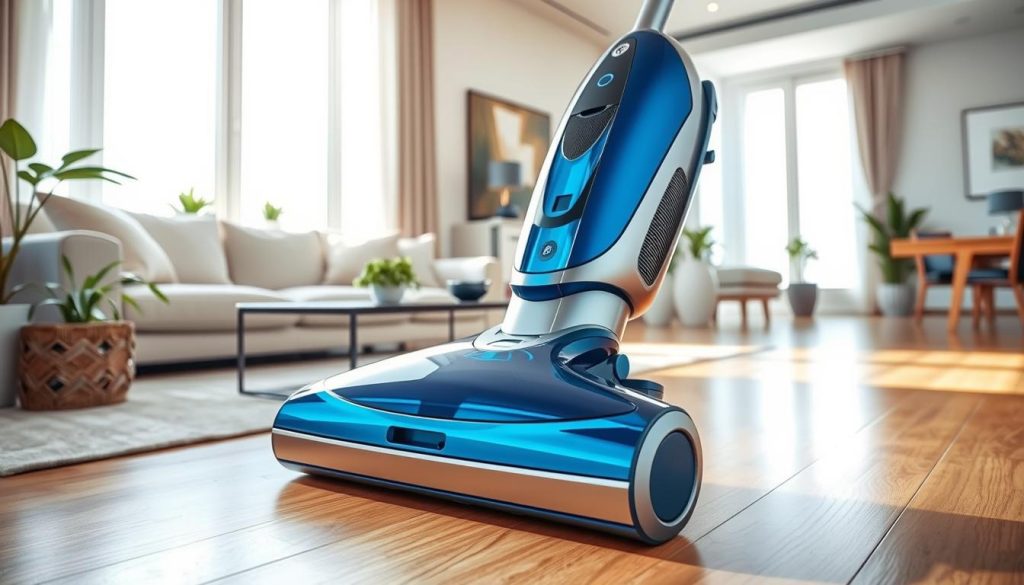
For tight layouts and quick touch-ups, manoeuvrability often beats raw power. The narwal s20 pro is built to turn in corridors and slip around furniture legs without fuss.
Lightweight handling for daily cleans
At about 4.27kg, the unit’s weight makes lifts and short moves effortless. That lower load reduces friction during daily cleaning and makes us more likely to keep floors consistently tidy.
AI Dirt Sense and multiple cleaning modes
The AI Dirt Sense adjusts the cleaning level automatically, raising intensity for soiled spots and easing off on cleaner areas. Multiple modes let us swap between quick resets and deeper passes depending on dirt type.
Triple-sided edge cleaning for corners and skirting lines
Edge cleaning is a standout feature: triple-sided brushes reach corners and skirting lines where mess collects. This saves follow-up work in narrow rooms and around baseboards.
| Spec | Detail | Why it matters |
|---|---|---|
| Clean tank | 790ml | Good capacity for 1–2 room sessions |
| Dirty tank | 720ml | Reduces refill frequency |
| Runtime | Up to 60 minutes | Suits typical apartment cleaning habits |
| Weight | ≈4.27kg | Easy handling and storage |
“An agile system with smart sensing and strong edge reach makes the Narwal S20 Pro our top manoeuvrable pick.”
- We recommend the narwal s20 pro for tight HDB rooms and furniture-dense zones.
- Its flat-folding design and steering feel aid quick storage and easy steering.
- The overall system balances runtime, tanks and manoeuvrability for regular household cleaning.
Best budget wet-dry vacuum: Simplus Cordless Wet-Dry Vacuum Cleaner</h2>
Value models now pack strong suction and practical features that suit small flats and first-time owners. The Simplus Cordless sits squarely in that space, offering useful specs without the premium price.
Strong suction power for the price and a solid runtime
21,000 Pa of suction and up to 50 minutes runtime make the Simplus a surprising performer for its segment. We found it handles dried crumbs and light sticky spills in one pass.
Flat-folding and slim brush head for under-sofa cleaning
The flat-folding design and a slim 6.5cm brush head improve reach under sofas and beds. That practical win reduces the need to move heavy furniture for routine cleans.
Key specs to know
Key specs: 500ml clean tank, 550ml dirty tank, charge time about 4.5 hours.
- Why buy: value-led choice for small-to-medium flats and first-time owners.
- Practicality: tank sizes keep refills manageable for typical Singapore homes.
- Ownership tips: plan charging, rinse tanks after use and dry parts to prevent odour.
“A sensible, budget-minded option that delivers real everyday performance without premium cost.”
Also worth considering: Dyson Submarine wet-dry options</h2>
If you favour a lightweight form factor that still handles both dry passes and mop-style cleaning, the Dyson Submarine options merit a look. They suit buyers who want one platform for everyday quick cleans in compact Singapore flats.
Dyson V12s Origin Submarine: lightweight, versatile three-in-one modes
The V12s Origin Submarine weighs about 2.2kg and runs up to 60 minutes. It delivers 130 Air Watts of reported power, a 300ml clean tank and a 360ml dirty tank.
We found its low mass and modular head make it handy for quick passes and spot work across tiles and low-pile rugs.
Dyson V12s Detect Slim Submarine: HEPA filter and Fluffy Optic visibility
The Detect Slim raises power to 140 Air Watts, includes a HEPA filter and the Fluffy Optic head to spot fine dust. Weight is around 3.1kg with the same 300ml/360ml tank split.
For allergy-aware households the extra filter and particle visibility are useful trade-offs despite the smaller tanks.
Choosing Dyson: performance vs paying the premium price
Dyson’s engineering—cyclonic suction, compact ergonomics and advanced filtration—drives a higher price compared with some wet dry alternatives. What you pay for is refined design, durable parts and clearer particle feedback.
- Consider these points: lighter handling can improve daily use in HDB flats.
- Smaller tanks mean more frequent refills but easier storage.
- If price is a constraint, competitors may give better tank sizes per dollar.
“Dyson brings stick-style finesse to wet-dry tasks; choose it for ergonomics and filtration, not tank volume.”
Value pick for odour control: Shark HydroVac WD210SM</h2>
When hygiene and simple upkeep top your list, we look for machines that cut bacterial build-up at source. The Shark HydroVac WD210SM is our value-led pick for odour control and everyday use in small Singapore flats.
Antimicrobial brush rollers to reduce bacterial build-up
The unit uses antimicrobial brush rollers to slow bacterial growth and reduce smells in humid conditions. That feature helps keep rooms fresher between full cleans and eases routine maintenance.
Tank sizes and what they mean for refill frequency
The Shark HydroVac WD210SM carries a 500ml clean water tank and a 360ml dirty water tank. In practice, that split suits quick kitchen spills and single-room passes without frequent top-ups.
- Suction power: listed at 2,700 Pa — adequate for daily debris when combined with its roller design.
- Runtime: up to 30 minutes; charge time about 4 hours.
- Maintenance: rinse the roller path, empty the dirty tank promptly and dry parts to avoid lingering odours.
“We recommend the Shark HydroVac WD210SM as a practical option when odour control and hygiene are top priorities.”
Self-cleaning and low-fuss options: Dibea H8 and Dibea HC26</h2>
For users who want a near‑hands‑free routine, self‑maintaining machines cut the hassle of daily upkeep.
Dibea H8: built-in self-cleaning system and multi-surface modes
We found the Dibea H8 easy to live with. It has a built‑in self‑cleaning cycle and modes for wood, marble and ceramic tiles.
Key specs: 500ml clean tank, 600ml dirty tank, 13,000 Pa suction, ≈3.7kg and up to 38 minutes in auto.
Dibea HC26: larger tank capacity for longer sessions
The HC26 suits those who prefer fewer interruptions. Its 700ml / 700ml tank split lets you clean longer before refilling.
Runtime is comparable in auto mode, so you gain session length rather than extra minutes of run time.
When these models make sense for smaller flats and quick resets
Both units favour simplicity over advanced sensors. Suction is ample for daily debris and wet pick‑up, though not on a par with premium options.
For meal cleanups, quick resets and compact storage, these models strike a sensible balance between convenience and performance.
| Spec | Dibea H8 | Dibea HC26 |
|---|---|---|
| Clean / Dirty tank | 500ml / 600ml | 700ml / 700ml |
| Runtime (auto) | Up to 38 minutes | Up to 38 minutes |
| Suction | 13,000 Pa | 13,000 Pa |
| Weight | ≈3.7kg | ≈4.0kg |
“Low-fuss operation and sensible tank sizes make Dibea a practical choice for fast, routine cleaning in compact homes.”
Water-filter vacuums for allergies: what we like about the Vacumi VC3 approach</h2>
For allergy-conscious households, a liquid filtration route can reduce airborne particles more effectively than many dry systems. The Vacumi VC3 traps dust and allergens in a tank so fewer irritants escape back into the room.
How filtration captures dust and protects air quality
The initial water chamber pulls particles out of the flow and holds them in the tank. This lowers what returns to the air and helps maintain indoor air quality for sensitive occupants.
Triple-filtration advantage
Vacuum performance pairs the liquid trap with a HEPA filter and a foam pre-filter. Each layer captures progressively finer matter: large debris, fine dust and tiny allergens.
Real-world use notes
We found the unit offers strong suction and handles wet pick-up reliably. There is also a useful blower function when the hose is routed to the exhaust port for outdoor tasks.
Maintenance reality
Fill the tank between Min and Max, keep the inlet submerged and ensure the lid clicks fully to avoid leaks. Empty and rinse the tub immediately after use, wash the foam and dry every part to prevent mould.
“Cleaning after every session protects performance and extends product life — though it can be messy, so do it outdoors if you can.”
- When to choose this tool: allergy management, dust‑mite sensitivity or prioritised air quality.
- Trade-offs: bulk and extra maintenance time for clear air benefits.
Conclusion</h2>
We close with a simple rule: pick the tool you will use often, not the one with the biggest spec sheet.
We summarise key takeaways from our water based vacuum guide: wateR–filter models help allergy control, while wet-dry floor washers speed routine cleaning and handle spills and solids in one pass.
Which pick suits your flat? Our best overall, pet, budget, manoeuvrable and premium heat-assisted options cover common needs. For a wider shortlist of tested options see the best wet-dry vacuums.
Final buyer checklist: match tank capacity to flat size, prioritise suction power for heavy debris, choose a filter (HEPA for allergies), and weigh corded vs cordless and price.
Ownership matters: empty tanks, rinse rollers and dry parts after each use. Do this and the right choice will give consistent results and sensible value for your home.

