
We tested a selection of wet‑dry devices to find models that handle spills and dust without fuss. In humid Singapore, rapid mopping needs and sudden spills can leave floors slippery, so multifunction units that collect liquids safely matter.
Our roundup covers how we compared wet and dry performance, real clean-up results and everyday practicality. We looked at safety after use, edge and corner reach, tank size and filter hygiene to judge outcomes that matter to homes, cars and small sites.
Expect picks for budget drum versatility, hygiene-first multi‑function machines, premium cordless combos and robust accessory ecosystems. We explain the high‑level difference between wet‑dry and dry‑only machines so buyers choose the right tool.
For full test details and wider model coverage, see our guide to the best wet‑dry models, including notes on features, runtime and maintenance.
How we tested wet and dry vacuums for water pick-up in Singapore
To assess real-world efficacy, we ran each unit through kitchen, patio, workshop and car spill drills common in Singapore. Our aim was to judge practical cleaning rather than lab claims.
Real-world spill scenarios
We recreated oily stove splashes diluted with rinse water, rain-soaked balcony debris, damp DIY residue and sandy car footwell spills. These setups reflect the mixed messes households face daily.
What we measured
- Suction consistency: whether suction faded during continuous runs and how quickly recovery occurred.
- Residue-free removal: visual checks for streaks, sticky residue or tacky feel on hard floor surfaces.
- Drying time and edge cleaning: grout and skirting line clearance, plus how long surfaces stayed damp.
Usability, durability and safety checks
We timed mode switching, accessory swaps and compact storage for HDB layouts. Tank-emptying trials focused on splash control, odour containment and rinse ease in humid weather.
Durability tests included longer runs to confirm that float shut-off triggers reliably and that robust designs tolerate demanding use without performance loss.
Vacuum cleaner water performance essentials: what matters for commercial-grade results
Commercial-grade liquid pick-up depends on nozzle geometry, tank design and filtration that work together under sustained use.
Targeted floor nozzles must seal to uneven surfaces so suction pulls fluids into the channel rather than spreading them. A well-shaped nozzle keeps suction focused and speeds removal across tile grout, textured patios and concrete.
Container design alters how easily teams maintain hygiene. Look for a clear fill line, reliable latch, sensible carry points and a drain or tilt option that prevents splashing. Larger capacity containers cut downtime during long runs; smaller ones suit quick, repeated use in compact sites.
Float shut-off and filter choices
Float shut-off systems protect the motor by stopping suction when the tank reaches its limit. Prefer systems with visible triggers and easy reset access for predictable, safe operation.
Filters and filtration classes matter for risk control. Standard filters suit routine dust, while M/H class or HEPA-grade filters are essential where fine particles or allergens are present. Replaceable pre-filters simplify maintenance and prolong main filter life.
- Nozzles: multi-surface heads for hard floors, crevice nozzles for skirting gaps.
- Accessories: carpet heads for textile moisture removal and detailing tools for tight areas.
- Container capacity: match size to use — larger for continuous jobs, smaller for spot work.
| Component | What to check | Recommended spec | Benefit |
|---|---|---|---|
| Nozzle | Sealing lip, channel design | Wide head with rubber skirt | Focused suction on uneven surfaces |
| Container | Fill line, drain method, latching | 4–20 litre options; tilt or hose drain | Safe, splash-free emptying |
| Float system | Visible trigger, automatic cut-off | Reliable float with manual reset | Motor protection |
| Filters | Class rating, replaceability | M/H class or HEPA where needed | Reduced fine-particle exposure |
Where wet/dry vacuums beat dry vacuum cleaners in daily operations
In everyday Singapore use we found that wet dry machines cut interruptions and protect motors when messes mix liquids and grit. They handle mop runoff, tracked-in rain and spillages without needing a second tool.
Wet spills and post-mopping cleanup
A dry unit is the wrong tool for puddles. Switching between machines wastes time and risks clogging filters. Wet dry models pick up residual pools and leave floors ready for traffic faster.
Coarse versus fine dirt
We tested rubble, glass shards, sand and workshop dust. Wet dry designs tolerate mixed textures and large debris without frequent blockages. That makes them better for renovation, garage and small commercial jobs.
Reducing slip risks in high-traffic areas
Faster moisture removal lowers slip hazards at entrances, kitchens and corridors. For routine floor care we still recommend a dry unit for light dusting and delicate upholstery tasks.
- Use corded drum models for heavy-duty site tasks.
- Choose cordless floor systems for quick domestic precision jobs.
For smart, practical tips on unusual applications see our guide to unusual wet‑dry uses.
Top wet and dry vacuum picks we recommend right now
Our shortlist focuses on machines that solve common Singapore messes fast and with minimal fuss.
Electrolux Flexio Power Z823
Value choice for versatility. This model pairs a 1600W motor with 3‑in‑1 capability: wet, dry and blower modes. It excels at quick spill rescue and outdoor sweep-up thanks to 360° manoeuvrability and on‑board storage.
Electrolux UltimateHome 700 EFW71711
Hygiene-first family device. The antibacterial tank and self‑cleaning nozzle help speed floor drying and cut odour. Use this when rapid turnaround and residue-free results matter.
Electrolux 800 Cordless EFW81713
Premium cordless option. The advanced motor, TriAction nozzle and smart dirt detection give near-professional suction on hard floors. The detachable hand unit makes spot jobs and edges effortless.
Kärcher WD range
Rugged workshop and car pick. These models deliver powerful suction, energy-efficient operation and a broad accessory ecosystem for coarse and fine debris. Compact storage and filter design reduce contact with dirt.
Buying note: Prices in Singapore span value corded drums to premium cordless systems; consider capacity and storage before you buy.
Device formats and design choices: drum wet/dry vacuums vs cordless stick systems
Different designs suit distinct chores: some devices excel at long runs and debris, others at quick mopping and daily touch-ups.
Drum models for garages, renovations and workshops
Drum units have larger tanks, tougher housings and often a blower function. They cope with heavy debris in a workshop or renovation site.
These devices favour long sessions and robust filters. They also accept a bag or bagless setup depending on hygiene needs.
Cordless stick systems for everyday floor care
Cordless sticks pair suction with integrated mop heads for routine mopping and fast floor passes.
They suit HDB flats and quick spot cleans where mobility and minimal setup matter.
Mobility, storage and on-device accessories
360° manoeuvrability makes a real difference in narrow corridors. Compact footprints win in small storage spaces.
On-board accessory stowage reduces fuss. Electrolux Z823 and Kärcher WD illustrate different takes on this convenience.
Convenience features that save time
Self-cleaning cycles, easy tank drains and minimal-contact filter handling cut maintenance time. That encourages regular upkeep and longer service life.
| Format | Best use | Key convenience feature | Trade-off |
|---|---|---|---|
| Drum wet dry | Garages, renovations, long runs | Large tank, blower, rugged filter | Bulkier; needs more storage |
| Cordless stick | Daily floor care, quick mopping | Integrated mop head, on-board accessories | Smaller tank; shorter runtime |
| Hybrid compact | Mixed indoor/outdoor use | Accessory stowage, moderate tank | Compromise on capacity or power |
Buying considerations for Singapore: price, capacity and accessories for your site
Deciding on the right model starts with honest answers about the liquids and debris you typically face.
Price expectations: Electrolux ranges commonly fall across a wide price band. As price rises you usually get better on-board storage, longer runtime and easier emptying. Watch promos for free delivery and instalment plans; discounts can reach 47%.
Match container and capacity to tasks: Small containers suit daily spills and quick returns to service. Larger capacity reduces emptying during continuous clean‑ups and keeps performance stable for longer jobs.
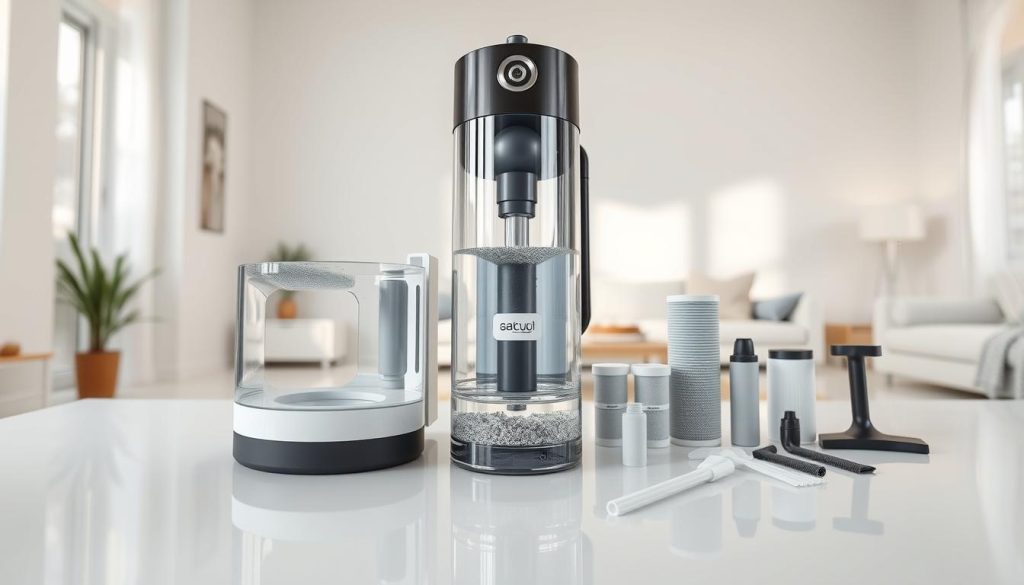
Accessory strategy and practical power
Pick accessories that speed jobs: car detailing kits, workshop nozzles and a carpet head for moist spills save time. Good nozzles plus steady suction power deliver residue‑free finishes.
Special substances and compliance
Oils, emulsions and chemicals need approved materials and proper disposal. High‑risk fine dust demands sealed systems and the right filter class, such as M/H or HEPA, to protect users and equipment.
| Decision point | What to check | Recommended choice |
|---|---|---|
| Price tier | Features, warranty, promos | Value-focused at the lower end; premium at the higher end |
| Capacity / container | Tank size, drain method | 2–5L for daily use; 10–20L for continuous tasks |
| Accessories & filters | Nozzles, crevice tools, filter class | Car kit + HEPA/M class for fine dust |
Checklist: list the liquids you face, frequency of use, surface types, storage space and how fast you need to return an area to service. For carpet care tips, see our guide to cleaning carpets at home.
Conclusion
What matters most in Singapore homes is reliability: quick mess recovery, simple emptying and low maintenance.
Our tests show the best wet dry options remove spills fast, leave less residue and make tank emptying straightforward. Float shut-off systems and washable filters protect motors and cut upkeep time.
Choose a wet dry over a dry vacuum when you face frequent spills, post‑mopping pick‑up or mixed debris. Pick a drum model for long jobs and a cordless stick for fast daily passes.
Next step: shortlist two formats (drum vs cordless stick), compare accessories and maintenance effort, then decide. For more on why these systems matter at home see this guide on essential wet‑and‑dry benefits: why a wet‑and‑dry system is essential.

