
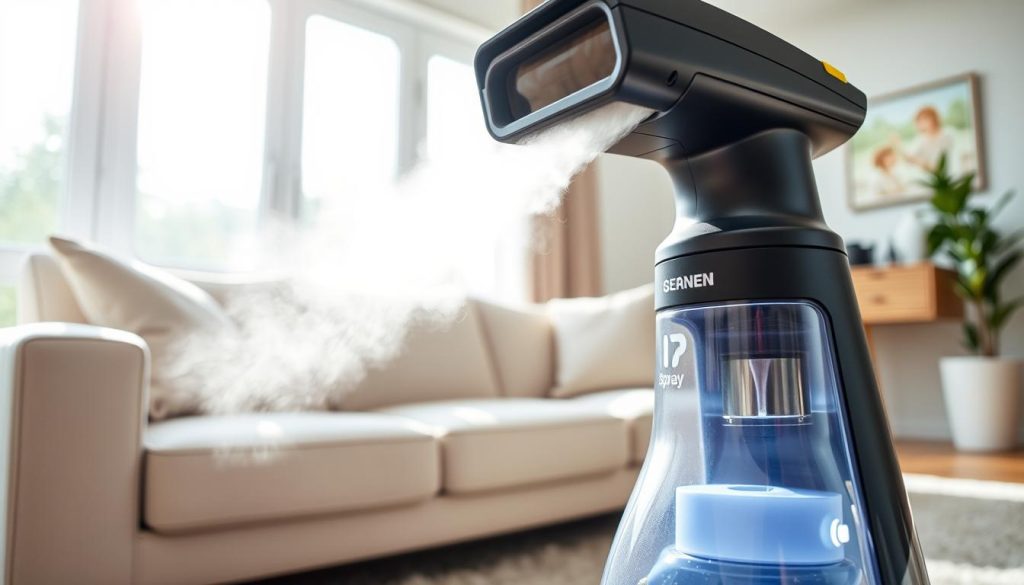
We set the scene for readers in Singapore who want one machine to handle daily dust and occasional spills. This introduction explains why the disadvantages matter when choosing a home device. We aim to be practical and direct.
By “wet dry” we mean combination units that take solid debris and liquids in separate tanks. A wet dry vacuum will save trips to different tools, but it often brings bulk, higher cost and more upkeep. These trade-offs shape real cleaning routines here.
We will compare each option to a typical dry vacuum and single-purpose models. Our review will check suction, hygiene and maintenance, storage, noise and fit for Singapore floorplans. We state where each design excels as well as its limits.
In the following sections, we return to decision criteria: floor types, spill frequency, tight spaces and whether speed beats simplicity. That helps us recommend which vacuum cleaners and cleaners suit your routine.
Why the “right vacuum” matters for Singapore homes and cleaning needs
Choosing the correct machine changes how quickly we restore order at home. Small flats, mid‑tier condos and landed houses each bring their own layout and traffic patterns. These differences shape our cleaning needs and which tool saves us time.
Typical messes we deal with in flats, condos, and landed homes
Compact flats often mean narrow walkways and frequent fine dust from daily living. Condos mix tile and laminate; crumbs, hair and occasional muddy prints are common.
Landed homes add garden dirt and larger spills by entries. We need machines that match these messes without extra hassle.
Hard floors, tiles, and wet areas where liquid spills are common
Kitchens, bathrooms and service yards see liquids and damp grime. Water and wet patches behave differently from dry dirt, so a single tool that handles both can help.
Humidity also raises hygiene concerns: lingering moisture can lead to smelly residue and damp brushes unless we empty and dry parts after use.
- What to expect: a wet dry model can often replace light vacuuming plus spot mopping.
- Edges, stairs and heavy sanitising still need separate attention or tools.
- Families, pet owners and busy households will favour time savings; smaller homes may value storage and quiet operation more.
Wet and dry vacuum vs wet-only vs dry vacuum: what each machine is built to do
Different machines are engineered for distinct tasks, and knowing those roles helps us pick the best fit.
Combination units and how dual tanks work
A wet dry unit merges two roles in one device. The design uses separate chambers so solids sit apart from liquids. That keeps the airflow path clear and protects the motor from water damage.
What liquid-focused units handle best
Wet-only models are built to mop up water and larger spills. Their seals, pumps and tank layouts favour fast water recovery and easier emptying after big puddles.
What dry-oriented machines do best
By contrast, a dry vacuum cleaner targets dust, crumbs and fine dirt. Filters such as HEPA-style cartridges improve exhaust air quality. Attachments give better reach on varied surfaces.
- Trade-off lens: specialisation often beats one-size solutions for routine use.
- Features vary: some wet dry vacuums add sensors or self-clean cycles, but physics—tank hygiene and suction behaviour—still drives results.
Disadvantages of wet and dry vacuum cleaner we should weigh before buying
Understanding what creates friction in daily use saves time and regret when selecting a multi‑purpose unit. Below we set out the practical limits to help match models to Singapore homes.
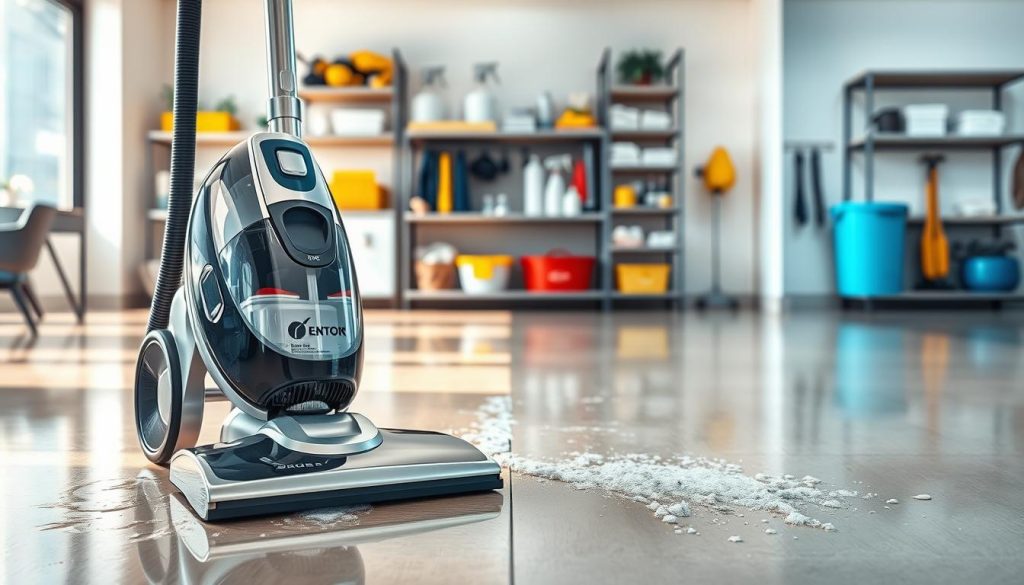
Bulky build and heavier handling when tanks are full
Carrying a combo machine becomes noticeably harder once the dirty tank fills. This matters on stair landings, in lift lobbies and tight service areas.
Storage and manoeuvrability in smaller layouts
Wide heads and larger bodies can feel awkward around dining chair legs, narrow corridors and small bathrooms. Limited storage space also makes keeping a big unit more inconvenient.
Higher maintenance to avoid odours, mould and blockages
We must empty and rinse tanks after each use, clear trapped hair from hoses and replace or wash filters. In Singapore’s humid climate, this upkeep stops smells and mould from building up.
Noisy operation from high‑power motors
Strong suction and powerful motors often mean louder running noise. That can be disruptive in HDB flats if we clean early or late.
Battery limits on cordless combo units
Cordless models lose run time under heavy load. Stronger suction and long cleaning sessions for larger floors can cut battery life, forcing extra charge time or multiple passes.
- Buying tip: If quick daily cleaning is our priority, a combo unit may still suit us.
- Warning: If light handling and low upkeep matter most, we should consider alternatives.
Where wet dry vacuums can fall short in everyday use
When we test models at home, edges and tight corners often reveal limits. Open hard-floor paths get cleaned quickly, but bulky heads may not reach baseboards, narrow gaps or skirting without extra tools.
Stairs and multi-level cleaning become a chore when the unit is heavy or holds water. Carrying a filled tank up steps is impractical for many homes, so we end up using a lighter vacuum for quick runs between floors.
Water and solution limits are another real constraint. Many wet dry vacuums ask for room‑temperature water and restrict detergents to prevent foaming or pump damage. These rules vary by models and features, so we must check manuals before use.
What this means for our workflow: a combo unit saves time on open areas and small spills, but we often keep a separate cleaner for edges and stairs. Setting realistic expectations prevents disappointment and keeps cleaning efficient.
The trade-offs of choosing a wet-only vacuum cleaner
When a machine is tuned to handle moisture, its strengths and limits change our routine.
Purpose-built liquid handling gives us confidence for spills and leaks. A wet unit protects the motor and uses seals and pumps designed for water recovery. That reduces the risk when we tackle balcony puddles or service‑yard runoff.
Limited use for dry cleaning tasks like dust, crumbs, and pet hair
These machines are not made for fine dust capture. Dust, pet hair and crumbs often escape wet-focused filters. So we still keep a dry solution for routine upkeep.
Bulk and weight compared with typical home vacuums
Wet-focused models tend to be heavier and have larger tanks or a bucket. Moving them room‑to‑room and storing them in compact Singapore service yards can feel cumbersome.
“A wet-only unit excels at liquids but rarely replaces our everyday dry tools.”
| Feature | Wet-only unit | Dry machine |
|---|---|---|
| Best for | Liquids, puddles, leaks | Dust, crumbs, hair |
| Weight | Heavier when tank full | Lighter, easier to carry |
| Maintenance | Rinse tank; avoid mould | Empty dustbin; wash filters |
| Routine role | Specialist backup | Everyday cleaning |
Practical takeaway: choose a wet-only machine when liquids are frequent. Otherwise, expect a two‑tool routine—one for water recovery and one for daily dust and debris.
The trade-offs of choosing a dry vacuum cleaner
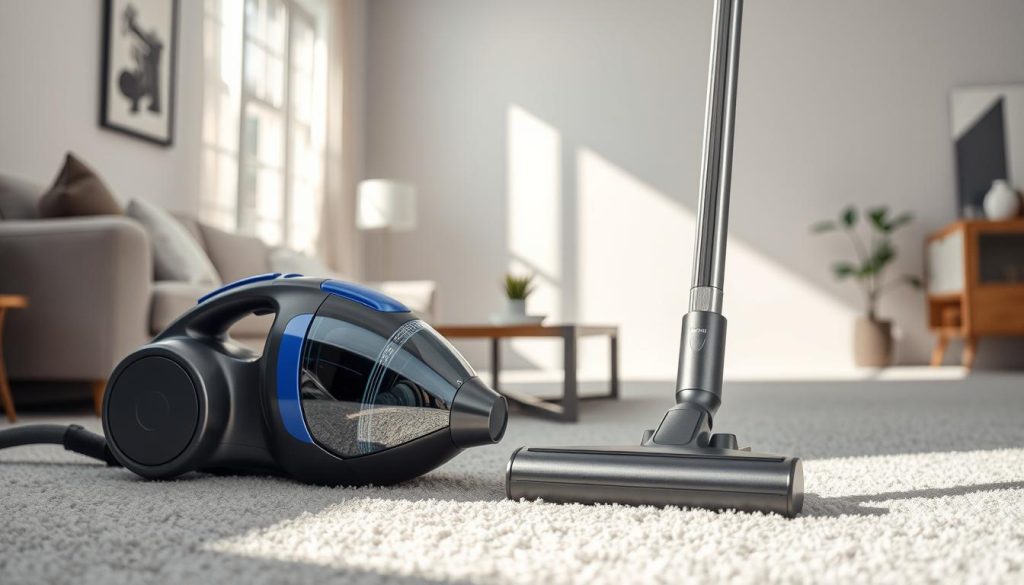
We pick a dry machine when dust and grit are the main problem. These units are engineered to capture fine dust, hair and small debris using sealed filtration paths. They perform quick daily passes and give good reach into corners and under furniture.
Why dry models cannot handle liquids and how damage can happen
Never use a dry vacuum on a spill. Liquids in the dust canister wet the filter, short the motor and corrode internal parts. That may void the warranty and leave us with costly repairs.
When suction and filtration are great, but wet messes still need separate tools
Suction power and HEPA-style filters make these units excellent for dust control and indoor air quality. Yet liquid messes demand different seals, drain paths, and collection tanks that these machines lack.
In practice, this means we keep a mop, absorbent cloth or a dedicated wet solution ready. For Singapore households with mostly dry traffic, a top-tier dry model is the better daily choice. If spills happen often, we must accept a two-tool routine or consider a wet dry option despite its trade-offs.
| Aspect | Dry machines | Wet-capable models |
|---|---|---|
| Best use | Dust, hair, grit | Puddles, spills, liquids |
| Filtration | HEPA-style filters, fine dust capture | Simple drains, washable tanks |
| Risk with liquids | High — motor and filter damage | Low — engineered for moisture |
| Daily fit for small flats | Excellent — quick and light | Bulkier — useful as backup |
Owning two machines vs one: cost, time, and storage realities
Balancing cost, cupboard space and cleaning rhythm is the real trade‑off when we consider one combo unit versus two specialised machines.
Upfront and ongoing costs: Buying separate units usually raises the initial spend. A quality dry vacuum offers finer filtration and attachments; a liquid unit brings sealed tanks and pumps. Together they cost more than many single models.
Ongoing expenses add up too. Filters, replacement brushes, and branded solutions can push running costs higher. Cordless models may need extra batteries over time.
Switching effort during mixed messes
Mixed messes—crumbs plus a spill—force a mid‑clean decision. We either switch machines, which eats time, or accept a compromise clean.
Time loss is real: fetching a second unit, swapping hoses or charging docks delays the job and lowers cleaning frequency.
Storage planning for tanks, hoses and docks
Singapore homes often have tight cupboard space. Two machines demand room for a tank, a bucket, hoses and attachments. Charging docks need a nearby power point without cluttering walkways.
“Two specialised machines can outperform a compromise — but only if you have the space and the will to maintain both.”
| Consideration | One combo unit | Two machines |
|---|---|---|
| Initial cost | Moderate to high | Higher — separate purchases |
| Storage need | Single footprint, bulkier | More items, flexible placement |
| Performance on surfaces | Good all‑round; some compromises | Each model excels at its type |
| Maintenance time | Single device, complex care | Two simpler routines, but double effort |
Practical decision frame: If cupboard space and quick routine cleaning matter most, a well‑chosen wet dry vacuum can reduce tool switching and save time. If we prioritise top performance on specific floors and surfaces and have storage, two machines often win.
For additional ideas on maximizing a combo unit, see unusual uses for a wet dry.
How we choose the best option for our needs
Our first rule is simple: let the regular mess dictate the machine choice. A clear view of what we clean most helps narrow options fast.
Match the type of mess to the tool
If dust, hair and grit dominate, a dry vacuum will serve daily runs with less fuss. If spills and puddles are frequent, a wet dry vacuum makes more sense.
Suction power, tank size and emptying
Check suction power for stubborn dirt and capacity for water so emptying does not interrupt a session. Look for user‑friendly drains and seals to avoid mess when we dispose of dirty water.
Reach for edges and tight areas
Measure clearances under sofas and test attachments for skirting and chair legs. Bulky heads can leave baseboards untouched.
Noise and cleaning schedule
If we clean early or late, choose a quieter model or one with lower power modes to reduce disturbance.
Plan maintenance time
Regular brush cleaning, filter rinsing and hose checks prevent odour and blockages. These chores matter most with wet systems.
Corded versus cordless
Cordless models add freedom but may lack run time for larger floors. Corded models give steady power for whole‑home use.
- Practical tip: test a model in a small area before buying to confirm reach, suction and emptying match our needs. For hands‑on insights see our trial notes.
Conclusion
, Our decision should weigh routine messes, storage limits, budget and tolerance for upkeep.
For many Singapore homes a wet dry option brings clear convenience when spills happen on hard floor areas. It reduces tool switching and speeds up tasks.
By contrast, a quality vacuum wins when dust and dirt dominate. It is lighter, quieter and easier to handle for daily runs.
Remember the two‑tool truth: we may still keep a bucket for deep washes and targeted scrubs at skirting and corners.
Choose the type that matches our space, how often water appears in routines and our willingness to manage upkeep. That keeps cleaning simple and effective.

