

We set clear expectations about what a modern dry and wet vacuum cleaner for home can replace and where it cannot. In short, many models can take on both mop tasks and regular cordless floor suction, but they do not replace deep steam washing.
Our roundup targets Singapore layouts: HDB flats, condos with mixed floors, and landed homes. We compare cleaning performance, ease of use, hygiene, long‑term value and price. Brands we test include Dyson, Kärcher and Makita to show real choices.
What we cover: quick recommendations for pets, greasy kitchens, tight spaces and budgets. We clarify the difference between dry vacuuming and wet washing in the same unit so comparisons stay apples‑to‑apples.
Readers will get specs, real‑world usability notes and guidance on choosing by floors, common messes, tank handling and daily routine fit. Our focus is cordless convenience, tank care, water handling and reliable suction for everyday cleaning.
How we chose the best wet dry vacuum options for Singapore homes
We focused on practical fit rather than headline specs when choosing top models for local homes. Our aim was simple: match each machine to typical Singapore living — HDB flats, condos and landed houses — rather than chase raw numbers.
What “best” means to us
What “best” means across different layouts
For compact HDB flats we prioritise manoeuvrability, storage footprint and fast drying after use. Condos need a balance of runtime and design. For landed properties, larger tank sizes and longer battery life suit bigger areas and heavier messes.
What we prioritised from sources
We measured key pillars: suction power for debris, water flow control for streak-free results and hygienic handling of dirty water. We also checked filter systems, noise, accessories and build quality.
- We treat “up to” runtime claims by comparing actual minutes across modes.
- Usability features — lie-flat reach, edge access and ease of emptying the tank — determine real-life use.
- We note trade-offs: higher power often adds weight, noise and bulk to the system.
“Our review format: key specs → what it’s best at → what to watch → who it suits in Singapore.”
Wet dry vacuum basics: what a dry and wet vacuum actually does
Understanding how these hybrids work helps set realistic expectations. We explain the core functions in plain terms so buyers in Singapore know what they can rely on.
How a combined system differs from a standard dry model
Key difference: a wet dry unit separates clean water from dirty water and lifts liquids without letting moisture reach the motor path. This protects components while letting us pick up spills and solids in one pass.
Where these machines truly shine
They beat a mop on quick messes. Spilled drinks, sauce splashes, muddy footprints and scattered crumbs get picked up faster. Families with children or pets find this category handy for daily dirt, hair and dust.
- Workflow: pick up loose debris first, scrub with a roller, recover dirty water into a separate tank.
- Limitations: not ideal for deep carpet cleaning and often bulkier than simple cordless models.
- Smart features: auto mode and sensors adjust suction and water flow to avoid over‑wetting.
| Use | Strength | Consideration |
|---|---|---|
| Spills & stains | Fast liquid recovery | Check dirty tank size |
| Daily crumbs | Good debris pickup | Filter maintenance needed |
| Carpets | Light spot clean | Not a deep‑clean replacement |
“A hybrid unit is a practical one‑machine option for mixed floors and frequent small messes.”
What to look for before you buy
A clear buying plan stops surprises: tank swaps, run times and filter upkeep shape real value. We break choices down so you can match features to typical Singapore cleaning routines.
Water tank and dirty water capacity
Think in sessions. A larger water tank covers more floor area but adds bulk. Smaller flats often favour a lighter unit even if it means more frequent refills.
Dirty water capacity matters just as much. Small dirty tanks force stops, raise odour risk and add emptying chores.
Suction power and measurements
We compare Pa figures used on many floor washers with Air Watts shown on some cordless models (Dyson Submarine series). Focus on real pickup on hard floors and edges, not just headline numbers.
Filter system and hygiene
Standard filters suit general use. HEPA makes sense when allergy control is a priority; it traps fine dust that ordinary systems miss.
Noise, weight, battery and accessories
More power usually means more noise and weight. Consider storage and whether you’ll use the unit daily.
Cordless options trade runtime and charge time against portability. Check battery life, advertised minutes per mode and realistic charge times.
Good accessories—extra rollers, edge heads and a dedicated brush—change outcomes on hair, debris and thresholds.
| Consideration | What to check | Practical tip |
|---|---|---|
| Water tank sizes | Clean tank / dirty tank litres | Choose larger tanks for landed homes; choose light design for small flats |
| Suction power | Pa or Air Watts and real pickup on hard floors | Prioritise edge performance over peak number |
| Filters | Standard vs HEPA | Pick HEPA for allergy-sensitive households |
| Battery & noise | Runtime (minutes), charge time, weight | Plan cleaning sessions around charge cycles |
“Check spare roller availability, replacement filters and whether the base supports self-clean and drying.”
Quick recommendations by household need
We present fast recommendations so you can match a device to your daily messes with confidence.
Best overall smart floor washer: Tineco Floor One Switch S7 Stretch
Why choose it: smart sensing technology, strong all‑round cleaning and a true one‑machine approach for mixed floors.
Quick watch‑out: slightly heavier design and mid‑range water tank capacity.
Best for greasy kitchen messes: Dreame H15 Pro Heat
Why choose it: hot water mode targets oil and stubborn stains, with focused edge cleaning for tight cooking zones.
Quick watch‑out: hot water mode reduces runtime and can be harsh on some wooden floors.
Best for pet hair and fur: Bissell CrossWave X7 Cordless Pet Pro
Why choose it: turbo pet mode and brush design lift pet hair and stains from hard floors and low rugs.
Quick watch‑out: smaller dirty water tank means more frequent emptying.
Most manoeuvrable choice: Narwal S20 Pro
Why choose it: light handling, excellent edge reach and AI tech that adapts cleaning mode to dirt levels.
Quick watch‑out: premium price versus its compact water tank size.
Best budget pick: Simplus Cordless Wet‑Dry Vacuum Cleaner
Why choose it: strong headline suction power at a modest price, with flat‑fold design for corners.
Quick watch‑out: shorter runtime and smaller clean tank compared to pricier models.
“Use this shortlist as a quick map to focus your purchase decision before reading full reviews.”
Best overall: Tineco Floor One Switch S7 Stretch review
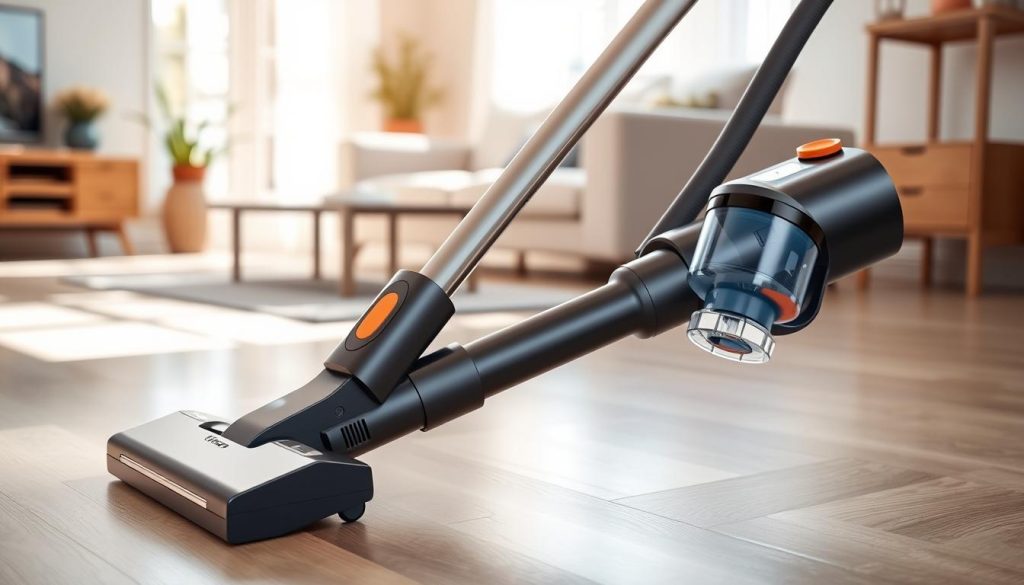
The S7 Stretch is a true switch concept: a smart floor washer that turns into a stick unit without swapping machines. We find it well suited to Singapore flats and mixed floors where space and versatility matter.
Key specs
Core figures: 22,000 Pa suction, 1,000 ml clean tank and 720 ml dirty water tank. Charge time is about 4.5 hours and it converts to a stick vacuum with attachments.
- Clean tank: longer continuous cleaning before refill.
- Dirty tank: fewer mid‑session stops and less mess.
- Suction power: strong pickup on hard floors and light rugs.
Smart iLoop sensor
The iLoop technology adjusts suction and water flow automatically. That reduces guesswork and prevents over‑wetting on wood and tile.
Edge cleaning and runtime
The dual‑side brush reaches within 0.5 cm of skirtings, making it good at corners and kitchen plinths. Expect up to 50 minutes in floor washer mode and up to 70 minutes as a cordless vacuum; real minutes vary by mess and mode.
“A single, convertible machine that balances performance, tank size and practical design for everyday cleaning in compact Singapore homes.”
Best for hot water mopping: Dreame H15 Pro Heat review
For greasy worktops and oily floor spills, targeted heat-assisted cleaning changes the outcome. We position this unit as a kitchen-first choice: the real draw is the 85°C hot water mode that breaks down oil films fast.
Key specs
Core figures: 22,000 Pa suction power, 800 ml clean water tank and 650 ml dirty water tank. The machine weighs about 6 kg and charges in ~4 hours.
Hot water performance
85°C hot water accelerates grease removal and reduces repeat passes on stubborn stains. Use this mode for targeted zones rather than whole floors to save battery.
Edge cleaning, battery and handling
Triple edge cleaning helps in galley kitchens and narrow service yards. Expect up to 70 minutes in normal mode and roughly 25 minutes when hot water is active. The heft improves power but affects manoeuvrability.
- What to watch: heat may harm delicate wooden finishes—prefer gentler settings on sealed timber.
- Plan charges around short hot-water runtimes to cover key areas only.
“We see the H15 Pro as a specialist tool: excellent for grease and set-on residues, best used selectively rather than as an all-day mode.”
Most manoeuvrable: Narwal S20 Pro review
In many Singapore flats, the ability to steer easily and reach low profiles matters more than raw specs. The Narwal S20 Pro is built around that idea. Its light handling and flat‑folding design help us move through narrow walkways and under low furniture without fuss.
Key specs: 20,000 Pa suction power, a 790 ml clean tank and a 720 ml dirty water tank. The unit offers up to 60 minutes runtime and a charge time near 3.5 hours, which suits multi‑room sessions in most flats.
AI Dirt Sense technology
The S20 Pro uses AI Dirt Sense to raise or lower intensity based on visible dirt. That technology saves time because we rarely need to swap modes mid‑clean.
Cleaning modes
Five cleaning modes cover light daily upkeep, post‑meal messes and tougher spots. We use a gentler mode on sealed timber, a stronger one near the kitchen, and a spot mode for isolated stains.
Design benefits
Flat‑folding and a triple‑sided edge cleaning system let the brush reach skirtings and cabinet bases. The balanced tank sizes give decent session flow without adding bulk.
“For households that value simple steering and consistent results, the S20 Pro strikes a good balance between agility and practical power.”
Best for pet hair: Bissell CrossWave X7 Cordless Pet Pro review
Homes with pets demand a machine that handles fur, paw prints and food bowl splash‑ups. The Bissell CrossWave X7 Cordless Pet Pro targets these tasks with a pet‑first approach.
Key specs: up to 20,000 Pa suction power, an 820 ml clean tank and a 420 ml dirty tank. Expect up to 30 minutes runtime and roughly a four‑hour charge time.
Turbo Pet mode in real use
Turbo Pet raises suction and boosts solution delivery to loosen fur and stains. That helps lift embedded hair from rugs and strip away paw prints without extra tools.
Tank split and daily habits
The larger clean tank means longer wet work between refills. The smaller dirty water tank, however, will need prompt emptying during hair‑heavy sessions.
- Where it fits: best on hard floors and area rugs in condos and pet‑friendly flats.
- What to expect: great at meal‑area spots and tracked debris; limited for wall‑to‑wall deep carpet.
- Hygiene tip: empty the dirty water quickly and rinse the brush to avoid odour build‑up.
“A pet‑first unit that trades extra tank handling for focused hair pickup and easy stain treatment.”
Value and practicality: Shark HydroVac WD210SM review
Designed with simplicity in mind, the Shark WD210SM suits quick, routine sessions in compact spaces. We see it as a practical daily driver for small flats where storage and ease matter more than peak power.
Key specs at a glance
Core figures: 500 ml clean tank, 360 ml dirty water tank and about 30 minutes runtime per charge. The modest battery life fits short, frequent upkeep rather than long deep cleans.
Antimicrobial rollers and hygiene
The machine uses antimicrobial brush rollers to cut odour and bacterial build‑up. That helps when dealing with spill residue, dust and trapped debris after meals.
Who should consider it
- Smaller flats that value light handling and compact design.
- Users needing a quick tool for kitchens, entryways and dining areas.
- Shoppers on a modest price budget who do not need heat or advanced sensors.
| Feature | Value | Practical note |
|---|---|---|
| Clean / dirty tank | 500 ml / 360 ml | Shorter sessions but easier emptying |
| Runtime | ~30 minutes | Sufficient for HDB single‑session upkeep if used often |
| Hygiene | Antimicrobial rollers | Reduces odour risk between uses |
“A no‑frills, value‑oriented system for day‑to‑day cleaning; check local parts price and roller availability before you buy.”
Budget-friendly option: Simplus Cordless Wet-Dry Vacuum Cleaner review
A sensible budget model must balance usable suction with easy tank maintenance and low running costs.
Key specs
Core figures
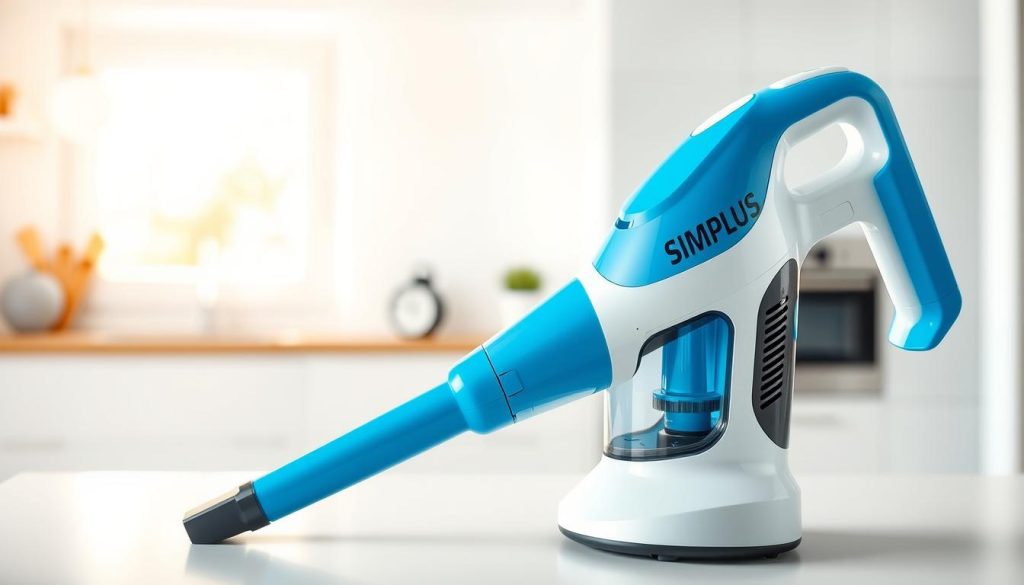
We measure real performance, not just numbers. The Simplus offers 21,000 Pa suction power, a 500 ml clean tank and a 550 ml dirty water tank.
Practical design
The 180° flat‑folding stem helps us reach under sofas and beds. A narrow 6.5 cm brush head gets into tight corners and along skirtings with less fuss.
Battery life and charging
Expect up to 50 minutes runtime in normal mode and roughly a 4.5‑hour charge time. That makes evening topping up sensible if we want the unit ready each morning.
- What budget-friendly should mean: enough suction to clear daily debris, simple tank handling and steady battery life.
- Tank pairing: slightly larger dirty tank is handy when picking up heavier spills before an empty.
- Who it suits: small flats, first‑time buyers, or as a second unit for kitchen and entryway use.
“A compact, practical pick that trades smart sensors for sensible price and usable design.”
| Spec | Value | Practical note |
|---|---|---|
| Suction | 21,000 Pa | Strong for daily floor upkeep |
| Clean / dirty tank | 500 ml / 550 ml | Dirty tank slightly larger; fewer mid‑session stops |
| Runtime / charge | Up to 50 minutes / ~4.5 hours | Plan charging after main use to be ready next day |
| Design | 180° fold + 6.5 cm head | Good under‑furniture reach and corner access |
Before you buy: check warranty coverage and local availability of replacement rollers and filters. Expect fewer advanced sensors and slightly less refined edge performance compared with premium models, but a strong price-to-performance balance for everyday cleaning in Singapore flats.
Dibea wet dry floor washers compared: H8 vs HC26
We line up two Dibea floor washers to show which suits different Singapore layouts and cleaning routines.
Dibea H8 — compact, practical
Key figures: 13,000 Pa suction power, 500 ml clean tank and 600 ml dirty water tank.
The H8 offers up to 38 minutes in auto mode and around 30 minutes on high power. Its built‑in self‑cleaning reduces brush maintenance and limits odour between sessions.
Dibea HC26 — larger tanks, extended reach
Key figures: 700 ml clean and 700 ml dirty tanks, ~38 minutes in auto mode. The longer handle helps reach under furniture.
The HC26’s bigger water tank pair boosts coverage across larger rooms before refilling and emptying.
Cleaning modes and surface suitability
Auto mode is a balanced programme that protects battery and avoids over‑wetting on sealed wood, tile, marble and ceramic. Use gentler settings on polished timber to protect finishes.
Self‑cleaning systems and upkeep
What we gain: less hands‑on brush washing, fewer lingering smells and a neater tank routine when we run machines often.
- H8: smaller suction figure but a useful dirty tank ratio when recovering larger volumes of water.
- HC26: better session coverage thanks to larger clean and dirty tanks.
- Check listings for accessories, spare rollers and local parts availability in Singapore.
“Auto mode gives a safe, all‑round run that suits mixed floors and daily debris without constant mode swapping.”
Dyson wet and dry vacuum cleaners in Singapore: which Submarine suits us
Dyson’s Submarine line leans on cordless innovation and refined filtration to carve a distinct niche in mixed‑floor cleaning.
Why Dyson costs more: heavy R&D, cyclonic airflow systems and premium filtration raise the price. We note gains in dust capture, quieter operation and compact battery engineering.
V12s Origin Submarine
The V12s Origin delivers 130 Air Watts, a 60‑minute runtime and a 2.2 kg feel. It suits users who favour light handling and long sessions over large water tank coverage.
V12s Detect Slim Submarine
This model offers 140 Air Watts, HEPA filtration and a Fluffy Optic head to expose fine dust. It targets buyers who want visibility and superior allergen control.
Digital Slim Submarine
The Digital Slim reduces bulk but trades runtime down to roughly 40 minutes. It fits small flats and quick spot cleaning routines.
| Model | Air Watts | Runtime (minutes) | Key strength |
|---|---|---|---|
| V12s Origin | 130 | 60 | Light handling |
| V12s Detect Slim | 140 | 60 | HEPA + dust detection |
| Digital Slim | — | ~40 | Slender design |
“If you want best washing coverage choose a larger‑tank floor washer; if you want light, versatile vacuuming, a Submarine may make more sense.”
Practical note: wet attachments need regular head and roller care, and dirty water handling remains an ownership task.
Feature face-off: suction power, cleaning modes, and edge cleaning
We compare how headline specs translate into real results on Singapore floors. Rather than chase top numbers alone, we test how suction, sensor smarts and brush design work together in everyday scenarios like the kitchen stress test and dining spill test.
High suction benchmarks: 20,000–22,000 Pa class performers
Headline class: models in the 20,000–22,000 Pa range clear debris faster on hard floors and shorten passes during spot work.
In practice, strong suction helps lift grit and crumbs but only if water recovery and head sealing keep pace. If the head can’t pick up edge debris, extra passes negate the power advantage.
Auto mode intelligence: iLoop vs AI Dirt Sense
Why auto mode matters: it removes guesswork. Tineco’s iLoop adjusts suction and solution flow in real time. Narwal’s AI Dirt Sense varies intensity across five modes.
We find iLoop feels smoother for quick sessions, while AI Dirt Sense gives more control in mixed messes.
Edge cleaning results: dual-side rollers vs triple-edge systems
Tineco’s dual-side roller reaches very close to skirtings, which helps with tight edges. Dreame and Narwal use triple-edge layouts that catch corner debris better on wider skirtings.
Practical take: choose dual-side if you have slim gaps; pick triple-edge for robust skirting lines.
Brush and head design: dealing with dirt, debris, and hair
Heads that resist hair wrap and push larger debris into channels save time. We favour low-profile heads that slide under cabinets and a roller shape that sheds hair easily.
Final note: suction power alone is not enough — water recovery, edge reach and a well‑designed brush head determine whether floors feel truly clean and dry after a single pass.
“Strong suction matters, but the system wins when sensors, recovery and edge reach work together.”
Tank sizes, dirty water handling, and hygiene in day-to-day cleaning
Tank choice affects how often we stop, how heavy the unit feels and whether cleaning sessions finish in one pass.
Choosing the right water capacity
We match water tank size to floor area. Larger tanks cover more rooms but add bulk and storage needs.
Smaller tanks are lighter and suit compact flats where quick sessions are common.
Dirty water realities and safe emptying
Dirty water smells fast in warm climates, so emptying frequency matters. Choose a tank with a spill-safe seal and easy grab handle.
We recommend rinsing and leaving tanks open to dry after each use to avoid odour and bacterial build-up.
Self-cleaning bases and brush drying
Antimicrobial rollers and self-cleaning programmes cut smell and reduce hands-on upkeep. A system that rinses the brush and drains fully is worth paying for.
- Wide openings speed rinsing.
- Stable standing design makes tank removal less messy.
- Check seals to prevent leaks when lifting tanks.
| Feature | Benefit | Who benefits |
|---|---|---|
| Large water tank | Longer coverage per session | Families, landed flats |
| Small water tank | Lightweight, easy storage | Singles, couples in HDB |
| Self-cleaning base | Less odour, less brush care | Busy households, pet owners |
“Spending a little more on good tank design often pays off by keeping the system usable and odour-free.”
Battery life, runtime in minutes, and charging time: what to expect
Understanding real runtime beats trusting headlines. Manufacturers quote “up to” minutes that assume light debris and low suction. We explain how mode choice and features change usable minutes so you can plan sessions sensibly.
What “up to” runtime means across modes
Auto mode balances suction and solution flow to extend minutes in most tasks. High-power settings and heat functions use much more battery and reduce runtime fast.
Hot water mode is the heaviest draw. For example, Dreame can run ~70 minutes in normal use but drops to ~25 minutes when hot water is active.
Runtime highlights and real planning
Short runs: models like the Shark give ~30 minutes, which suits quick kitchen or entryway sessions.
Longer runs: Tineco lists up to 50 minutes in washer mode and up to 70 minutes as a cordless vacuum; Narwal reaches ~60 minutes. These cover whole-flat jobs if we schedule efficiently.
Charging time and daily routines
Typical charge times sit between 3.5 and 4.5 hours. That fits an overnight charge or a post-dinner top-up if we clean in the morning.
- Tip: charge after use rather than full-discharge; it preserves battery health.
- Layout choice: larger landed properties should prioritise longer runtime and easy docking.
- Practical plan: keep the unit on a schedule to avoid mid-session downtime.
| Scenario | Typical minutes | What it suits |
|---|---|---|
| Quick spot clean | ~30 minutes | Kitchen, entryway, small HDB flats |
| Weekly whole-flat | 50–70 minutes | Condos, larger flats; fewer refills |
| Heat-assisted stain work | ~25 minutes | Targeted greasy areas; short, powerful passes |
“Match runtime to your routine: frequent short sessions need less battery, whole-flat cleans need more.”
Where to buy in Singapore and how to compare price-to-performance
Buying locally means balancing online bargains with reliable after‑sales support. We check channels that offer deals, stock certainty and service so you can judge long‑term cost rather than headline price alone.
Common local marketplaces
Shopee, Lazada and Amazon often list promos and bundle discounts. These sites are best for price hunting and quick comparisons of specs and user reviews.
Retail availability call-outs
If we prefer to test weight, noise and handling, visit Courts, Harvey Norman or selected FairPrice outlets. Brand stores and Samsung showrooms give clearer warranty terms and authorised servicing options.
What to check before checkout
- Warranty length and whether local service centres are listed.
- Availability of spare rollers, replacement filters and accessory packs.
- Return policy, delivery costs and whether a water tank or dirty water tank is included.
Choosing by value
Compare total cost: price plus consumables and parts. Premium models pay off when we need sensor technology, longer battery runtime or hot water modes. Budget picks suit small flats and light cleaning patterns.
“Match the system to daily routines — tank size, runtime and upkeep shape real value more than peak power numbers.”
| Channel | Strength | When to use |
|---|---|---|
| Marketplaces | Deals, variety | Price comparison, bundles |
| Brand stores | Service, warranty | Long‑term support |
| Retailers | Hands‑on testing | Assess weight & design |
Conclusion
Conclusion
We recommend choosing a wet dry system that matches your floors, mess frequency and tolerance for tank emptying. Prioritise tank capacity, runtime in minutes and edge cleaning performance as the simplest rule to follow.
Hygiene matters: manage dirty water, rinse the head and use self-clean routines to keep the unit pleasant to use long‑term. Expect trade‑offs in weight, noise and upkeep versus power and technology.
Compare local warranty and spare‑part availability before buying. For a quick next step, shortlist two to three models from our reviews and pick by flat size, hard floors coverage and whether hot water or pet hair performance is your priority.
Learn more about why dual systems help everyday upkeep at why a wet and dry vacuum is.

