
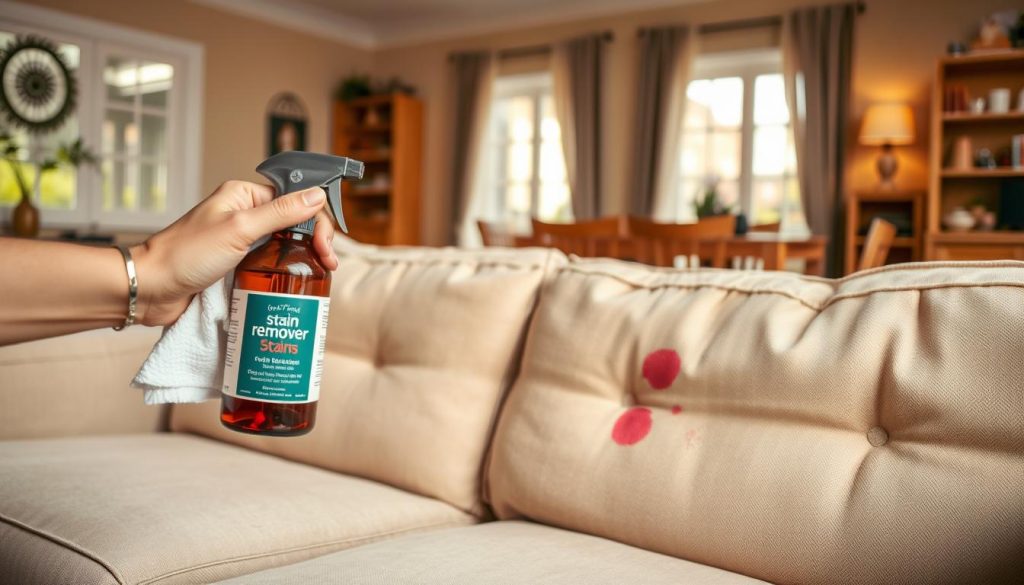
We set out a clear, practical introduction for Singapore households. This guide explains what a wet dry vacuum is built for and why simple preparation makes the difference between a routine tidy and an impeccable result.
Our approach covers safe configuration, the right filters and nozzles, and measured passes that preserve suction and motor life. We note the main types of pick-up: dust, hair, rubble and liquid, and why each job needs a tailored setup.
We outline a clear sequence from preparation, through dry routines, into liquid pick-up. Expect stronger suction, fewer blockages, less dust blow-back and faster clean-up time when steps are followed carefully.
Later sections will show accessory examples — floor tool, foam and pleated filters, crevice nozzle — so readers can picture each tool in real use. For now, this intro sets realistic expectations for the task ahead.
Getting ready for a safer, cleaner vacuuming job at home in Singapore
Clearing the path and planning a route saves time and prevents sudden blockages. We remove small items from the area—pens, toys, cable ties—so the hose and floor head run freely. In smaller flats this planning reduces trips and keeps dust from being dragged across cleaned floors.
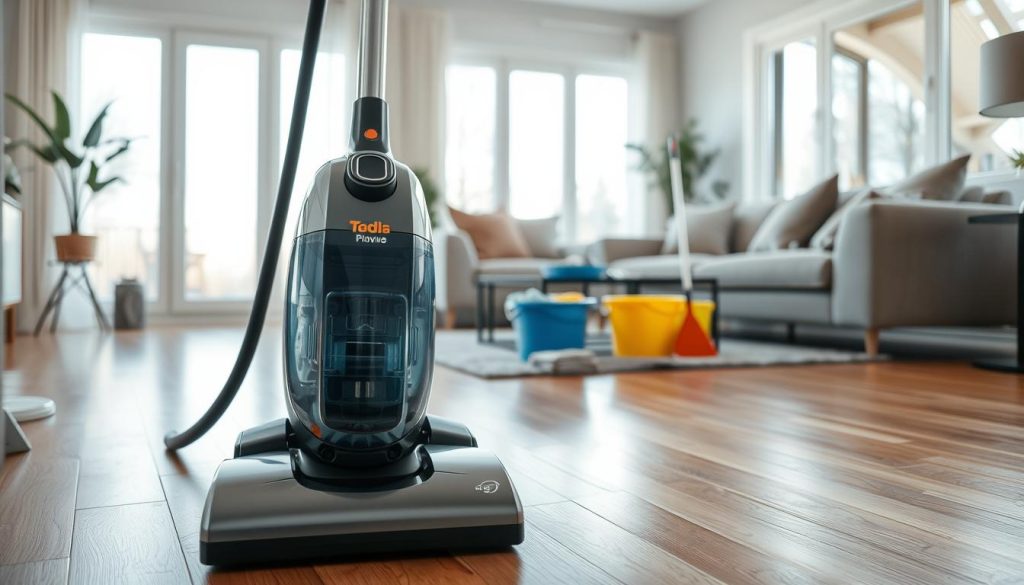
Check suction and the collection system. We inspect the tank and bag before switching on. Aim to empty or replace a bag when it is about 50–75% full to keep suction steady.
Filters matter. Pleated filters suit fine dust pick-up, while other setups are for liquids (covered later). We seat filters correctly so airflow is not restricted and power is preserved.
- Choose the right accessories for floors, rugs and upholstery so each surface gets the best tool and nozzle.
- Include crevice and upholstery nozzles in the plan to reach skirting lines and sofa seams.
- Pre-dust shelves so loosened particles fall and are captured during vacuuming.
- Position the power point so cords do not cross doorways and never leave the unit running unattended around children or pets.
For further apartment-specific guidance, see our practical cleaning tips at apartment carpet cleaning guide.
wet and dry vacuum cleaner how to use for dry debris, dust and hair removal
For routine dry pick-up we adopt a measured setup that keeps dust control central to every pass. We fit a pleated filter and, when fine dust is likely, add a dust bag so the tank stays cleaner and disposal is hygienic.
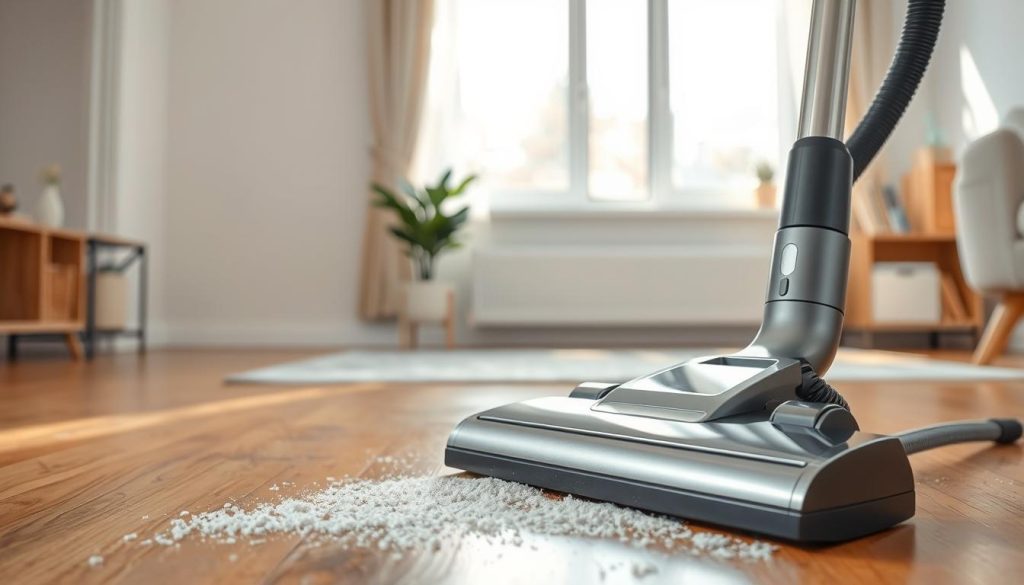
Floor work matters. We attach the standard floor tool for small rubble and everyday dirt on hard floors. Steady, slow strokes give the cleaner time to lift grit and hair rather than skimming the surface.
Overlap each pass. Moving slowly and overlapping captures particles in cracks, grout and carpet fibres. We finish edges and corners with an extra-long crevice nozzle so skirting lines are not missed.
- Keep sharp debris out — broken glass, screws and splinters can damage the hose or motor.
- Avoid picking up hot ash; residual heat can remain for days and harm internal parts.
- Monitor suction during the job; a drop often means a clogged hose or a full bag that needs attention.
- Check the tank or bag at the end so the unit is ready for the next quick clean.
For a deeper look at appliance types and shop guidance, see our recommended resource: wet dry units explained.
How we use a wet/dry vacuum for water, mud and liquid pick-up
Before we start, we follow a short checklist so the machine handles water and heavy mud without damage. This protects the motor, keeps suction steady and makes the job quicker in a Singapore home.
Switch filters and remove paper bags. We always remove any paper bag and fit a foam filter before touching pooled water. This prevents clogging and keeps the filtration parts safe.
- Pick a wet pick-up nozzle or floor tool that matches the surface. Use steady suction and slow strokes for thick sludge.
- Work from the outer edge inwards so mud is contained and not spread across the area.
- Stop if the tank nears full. A change in sound or loss of suction means we pause and empty the container.
- After cleaning, we empty the tank, wipe it dry and rinse the hose end and nozzles so residue cannot harden.
- Leave components to air-dry fully before storing the vacuum cleaner; this prevents odours and preserves power and performance.
Making the most of tools, hoses and special functions for a deeper clean
We equip ourselves with the right attachments and functions so each job finishes faster and cleaner. Below we cover autostart pairing, car-detail kits, brush choices and the blower function in clear steps.
Clean whilst we work with power-tool autostart
Autostart saves time. With the unit switched off, we connect the suction hose to the power tool. When the tool runs, the machine starts and extracts dust at source. This protects work surfaces and cuts clean-up time on DIY jobs.
Detail the car interior with extension hoses and nozzles
We use a 1.5 m extension hose, extra-long crevice nozzle and a car nozzle for reach. Soft-bristle suction brushes suit dashboards and delicate trims. Hard-bristle brushes shift embedded dirt from mats and upholstery.
Brush choice, blower use and post-job care
We loosen debris with brushes, clear seams with the crevice tool, then finish broad areas with a floor attachment. The blower function shifts corner debris into view so we capture it in one pass.
- Check compatibility: some kits fit only certain models, so we confirm specs before buying accessories.
- Maintain tools: wipe nozzles and hose ends after each job to keep power steady and the tank clean.
Conclusion
We close with a practical routine that protects parts and improves every cleaning session.
Prepare the space, confirm suction readiness, and match the right configuration: pleated filters for dry jobs; remove paper bags and fit a foam filter for wet work. Go slowly, overlap passes and finish edges and crevices for cleaner floors and less tracked-in dirt.
Safety first. Avoid sharp items and never pick up hot ash to protect the motor. For a concise checklist, see these essential safety tips.
Empty and dry the tank after liquids, clean attachments, and store the unit in a dry spot. Small, regular checks mean each session starts strong and keeps your home healthier. Explore unusual uses for extra ideas.

