
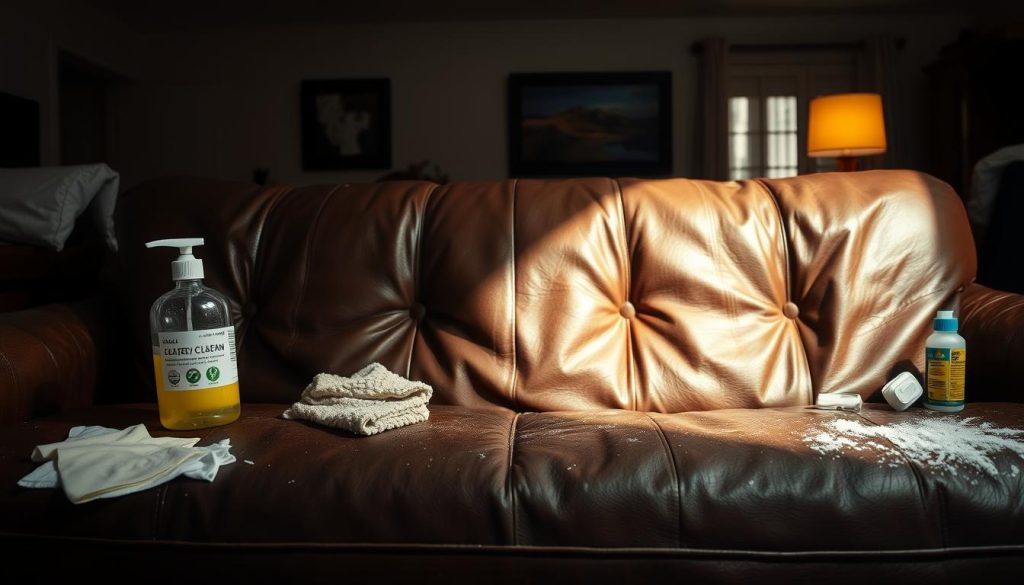
We’ll explain what a wet dry vacuum is and why it matters in Singapore flats. These machines handle solids plus liquids in one pass. Tradespeople favour them for strong suction and rugged builds.
In this article we set clear expectations. We outline typical home scenarios—from kitchen spills to rainy entryways—so you can see where a wet dry unit saves time.
We’ll also note safety and hygiene. Picking up liquid needs different design than a standard model. Using the wrong tool risks damage or mould.
Finally, we signpost the structure ahead: why these devices suit Singapore now, how they work, common use cases, tougher jobs and what to check before buying. Our tone is practical and list-led so you can scan, compare and shortlist fast.
Why a wet and dry vacuum makes sense for Singapore homes right now
Daily routines in Singapore favour tools that save minutes while keeping floors presentable. With average workweeks running long, we choose short, repeatable resets over long chores.
Faster daily cleaning when time is tight
We prioritise speed. A quick pass that picks up crumbs and small spills in under ten minutes fits our schedules.
One pass for crumbs and spills in compact flats
In small homes, switching between devices wastes time and storage space. A cordless wet dry vacuum handles both tasks in one route, reducing repeat passes.
Humidity, rainy-day entryways and grimy floors
High humidity makes dirt stick to floors faster. Rainy shoes and umbrellas turn entrances into hotspots.
- Short resets: Do a few minutes each day to keep messes from setting.
- Compact storage: Small docks suit flats and shared corridors.
- When to use a dry vacuum: For quick dust-only pick-ups, a dry option still helps.
| Task | Time to reset (mins) | Best mode |
|---|---|---|
| Crumbs + spills | 5–8 | wet dry |
| Rainy entry wipe | 3–6 | wet dry |
| Dust-only touch-up | 2–4 | dry vacuum |
How wet and dry vacuum cleaners work and what makes them different
We look inside the design to explain why certain models handle liquids plus solids safely while a standard dry option cannot.
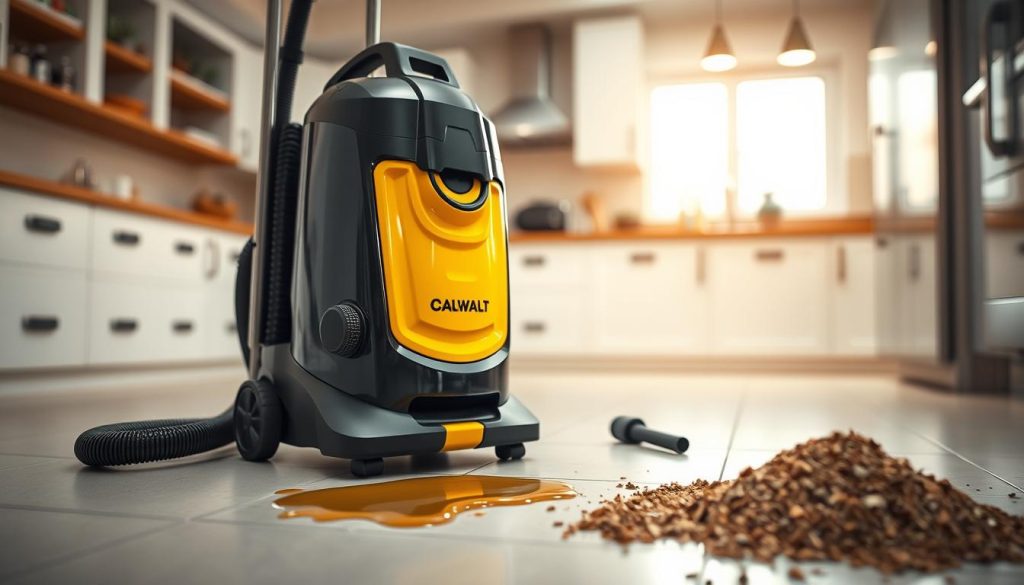
Dual-tank separation
Two tanks keep clean water apart from dirty water. This stops reusing soiled liquid and reduces odours. Emptying the dirty tank and rinsing it prevents residue build-up and keeps performance steady.
Roller agitation plus suction
A rotating roller scrubs sticky grime loose while suction pulls the mix into the dirty tank. The combined action works better on spills and stuck-on dirt than suction alone.
Sealed airflow and safety
Air paths and electrical parts are insulated and separated. That design prevents moisture reaching sensitive components and lowers electrocution risk.
Self-clean cycles
Many models offer a one-button rinse that flushes the roller and channels. It helps maintenance, but we still recommend emptying tanks and air-drying parts after use.
- Watch for: worn rollers, blocked filters and a full dirty tank—these cut suction and invite smells.
Wet and dry vacuum cleaner uses we rely on for real-life messes
Everyday spills and project messes demand a reliable tool we can reach in seconds. Our go-to wet dry unit lifts liquids from hard floor and carpet fast to stop stains setting into fibres or grout.
Mixed food and drink spills
We make a single pass for crumbs plus soup drips instead of switching machines. Use the dry mode first for loose bits, then a slow wet pass for remaining spills to avoid staining.
DIY debris and fine dust
For sanding, drilling or plaster work we favour a strong wet dry vacuum. It handles sawdust, plaster, brick dust and paint flakes without choking the filter.
Pets, upholstery and ash
We pick up pet hair without brushroll tangles and tackle an occasional wet pet accident by emptying and rinsing the dirty tank straight away. Curtains and sofas benefit from quick moisture extraction to cut mildew risk. Only collect fireplace ash once fully cooled to stop fine dust blowing back into the room.
- Quick tip: slow, overlapping passes at edges give best results.
- Quick tip: empty the dirty tank after any wet pick-up to keep odours away.
Beyond the living room: tough jobs indoors and outdoors
When messes spill beyond the lounge, a compact multi-function unit becomes our go-to for tough indoor and outdoor work.
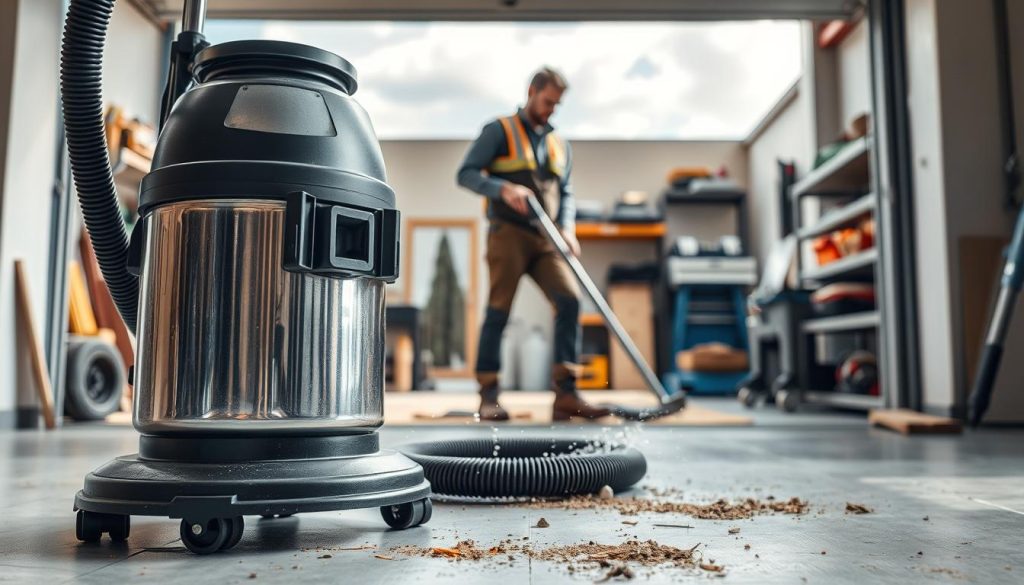
Entryway grit and rainy footprints
Thresholds collect sand, soil and wet shoe prints after downpours. We make short passes to stop tracks reaching deeper into the flat.
Tip: start at the door and work inward so dirt stays near the entrance for easy emptying.
Gardens, patios and blower mode
Some models include a blower setting that moves light leaves and dust from walkways. We use it for loose debris only — it struggles with heavy clumps.
Use it as a bonus tool, not a replacement for a broom on damp days.
Gutters, pool edges and outdoor corners
We approach gutters with safety first: stable footing, no overreaching and clear intake vents. Small corners and pool surrounds clear faster when debris is removed before it firms up.
Emptying tanks and standing water
After minor flooding or to top up maintenance, the unit helps remove pooled water quickly. We only extract water once the event has finished to reduce risk and limit damage.
Unblocking sinks and drains
For partial blockages, a tight nozzle seal and the strongest suction setting can shift debris. Results vary by blockage type, so treat this as an early step before calling a plumber.
- Singapore note: frequent rain and compact homes make a versatile device worth the storage space.
- Safety: keep air intakes clear and check seals before any water work.
For more unexpected applications, see our practical list of extra roles in this handy guide on surprising shop-vacuum tasks and a short roundup of unusual functions at Lura’s practical tips.
What to look for when choosing a wet dry vacuum in Singapore
Choosing the right model comes down to practical trade-offs, not headline specs. We translate manufacturer figures into how a unit behaves in a small flat.
Tank size, weight and refill rhythm
Aim for about 500–700 ml in compact flats. That range reduces refill trips while keeping the unit light enough to carry between rooms.
Suction, airflow and edge performance
Compare steady airflow rather than a single power number. A well-designed head will pick up dirt along skirting where many models fail.
Runtime, charging and realistic session length
Twenty to thirty minutes suits typical apartment cleaning. Factor in a short self-clean cycle when you count usable minutes.
Manoeuvrability and reach
Low-profile heads, swivel steering and balanced weight make under-sofa work and tight kitchens far easier.
Hygiene, noise and ongoing costs
Washable filters and a sealed dual-tank layout keep odour down. Check replacement roller and filter prices so maintenance stays affordable.
- Storage: compact docks with drip trays and air-dry space keep the unit ready each week.
- Practical tip: test edge cleaning before you buy — the last few centimetres matter in small homes.
Conclusion
Our conclusion is practical: choose what makes routine cleaning faster and less fussy in a compact Singapore flat.
For everyday tasks, a combined model handles spills, mixed messes, humid grime and pet-related clean-ups better than a standard option. These wins matter more than raw power.
Decision line: if we mostly remove dust and light dirt, a dry vacuum cleaner will do. If we face frequent spills or sticky patches, pick a wet-capable unit that matches storage and upkeep limits.
Safety and care: only collect cooled ash, empty and rinse after any liquid pick-up, and avoid use during active flooding.
Next step: match the cleaner to our routine, space and tolerance for maintenance so short, regular work keeps floors feeling clean long-term. For a practical product guide, see Lura’s wet & dry guide.

