

Singapore households juggle long work weeks and tight schedules, so we prize tools that save time. We aim to explain, in clear terms, how wet-dry machines compare with dry-only models for everyday floor care.
Our focus is practical. We outline what each appliance handles, how they perform on tiled and carpeted floors, and when swapping devices makes sense. This helps reduce time spent switching tools and keeps floors comfortable in humid conditions.
We frame the guide around common buyer questions in Singapore: can one unit handle dust and spills without extra fuss? We set expectations early so readers choose with confidence, not guesswork.
Read on to find clear comparisons, a feature checklist, and real-world use cases tailored for homes in our city‑state.
Why this comparison matters for Singapore homes and busy schedules
Busy Singapore routines push us to prefer tools that make fast touch-ups simple and reliable. Small windows for upkeep mean we value appliances that fit into five to ten minute chores.
Fast cleaning reality check
When we can finish a quick clean in a few minutes, we do it more often. A machine that’s simple to grab and stow changes behaviour. We keep floors looking fresh instead of waiting for a weekend deep clean.
Compact layouts, humid floors and daily messes
Flats and condos often have limited storage space, so swapping several tools for one appliance saves room. Humidity and rain make tiled floors feel grimy faster, especially around entryways and kitchens.
- Real schedules: “We’ll mop on the weekend” often becomes sticky floors midweek after meals or commutes.
- Behaviour: Quick set-up and put-away increase regular use of a single device, keeping the home cleaner.
- Everyday messes: Crumbs, grit, dust and small spills are the main problems we face.
| Issue | Typical impact | Why a single appliance helps |
|---|---|---|
| Limited space | Cluttered storage areas | Replaces mop, bucket and extra tools |
| Short time windows | Cleaning delayed | Fast touch-ups fit daily routines |
| Humid floors | Grimy surfaces, damp patches | Handles wet spots and dry debris in one pass |
Our goal is to help you pick a device that suits daily routine, floor types and tolerance for upkeep—not to chase the largest specs. A sensible choice saves time and keeps living areas pleasant.
What is a wet and dry vacuum cleaner, and what does it actually do?
We describe a wet dry vacuum as a 2‑in‑1 floor washer that picks up loose dust and lifts small liquid spills. It aims to leave sealed floors feeling cleaner than vacuuming alone.
The “vacuum + mop in one pass” idea explained
Step 1: a roller or brush dislodges stuck grime and moves crumbs toward the head.
Step 2: a measured amount of cleaning solution or plain water wets the surface if supported by the model.
Step 3: suction picks up the dirty water and debris into a waste tank, leaving a drier finish than a mop alone.
Key components that make this work
- Roller/brush agitation: scrubs away stubborn marks before suction collects them.
- Sealed airflow path: prevents moisture from reaching sensitive motors and filters.
- Strong suction: draws both liquid and debris into the dirty reservoir.
Dual‑tank hygiene and handy extras
Separate clean and dirty tanks reduce cross‑contamination. Clean water or solution stays fresh while used water goes to a different compartment.
One‑button self‑cleaning on some models flushes the roller and channels. That helps prevent odours and makes daily use more realistic for city flats.
How a dry vacuum cleaner works and where it performs best
When most messes are dry, a purpose-built suction tool keeps living areas tidy with little fuss.
How it works: A dry vacuum cleaner channels airflow through a motor and filter to trap solids. A spinning brush loosens tracked-in dirt and crumbs. Suction then lifts particles into a bin or bag for easy disposal.
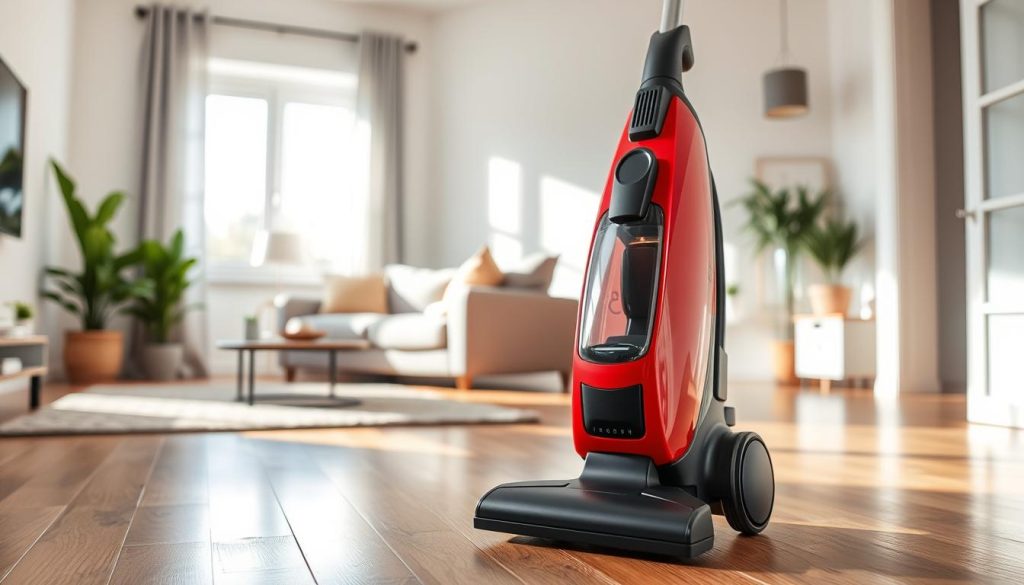
Dry debris strengths: dust, dirt, crumbs, and pet hair pickup
We find dry vacuums excel at quick pickups of dust and small grit around flat layouts. The key is steady suction and the right head. Brush rolls sweep hair and crumbs from skirting and sofa edges where we notice most build-up.
Where dry-only vacuums fall short: water spills and wet messes
Most dry-only units must not take on water. Attempting spills can harm motors and create hygiene risks. For kitchens or rainy entryways, we either mop afterward or choose a model that handles liquids safely.
Deciding point: If daily messes are mainly dry debris, a dry vacuum saves time and storage space. For mixed wet and dry routines, consider options that handle both or compare models before buying.
What is the difference between wet and dry vacuum cleaner in real-world cleaning?
A quick route from kitchen to dining table usually mixes liquid messes with scattered crumbs. In those runs we choose actions that save time and reduce tool swaps.
Liquid spills versus dry debris
A dry vacuum excels at dust, pet hair and crumbs. It clears dry debris fast without wetting floors.
By contrast, a wet dry vacuum scrubs and sucks so small puddles vanish while crumbs are lifted in one pass. That keeps areas usable sooner.
Mixed messes in a single route
One-pass cleaning cuts trips to the sink and the mop. We move from counters to floor once, finishing faster and with less decision fatigue.
Floor finish and moisture control
Sealed tiles, vinyl and laminate need careful moisture control. Controlled water delivery plus strong suction prevents standing water and reduces streaks.
Storage and tool-switching
Replacing a vacuum, mop and bucket with a single unit frees cupboard space. Docking stations make grab-and-go chores practical for compact flats.
Trade-offs: wet-dry machines need emptying and rinsing after use. Even so, the total time saved often outweighs extra aftercare for busy households.
| Task | Dry vacuum | Wet dry vacuum |
|---|---|---|
| Crumbs and dust | Excellent—fast suction and brush roll | Very good—cleans plus handles messy residues |
| Liquid spills | Not suitable—risk to motor | Designed for spills; suction removes dirty water |
| One-pass cleaning | Requires follow-up mopping | Handles mixed messes in a single route |
| Storage impact | Compact, low maintenance | Replaces multiple tools but needs space for tank care |
Wet dry vacuum vs separate tools: vacuum cleaner, mop, steam mop, and robot vacuums
Combining pickup and rinsing in one pass saves time for tight Singapore flats. We compare this option with a mop, a steam mop and robot units to show where each suits daily jobs and areas.
Compared with mopping: speed and hygiene
A traditional mop spreads water and needs repeated rinsing. That adds time and can leave dirty residue behind.
One‑pass machines capture dirty water into a tank. That reduces cross‑contamination and shortens drying time.
Compared with steam mops: scrubbing versus pickup
Steam mops loosen grime with heat and agitation. They rarely remove debris or collect liquid fully.
A suction system removes loosened dirt and spills in the same stroke. That combination works better in kitchens and entryways.
Compared with robot units: control and spills
Robots handle daily dust well but miss edges and tight corners. They also cannot manage sudden liquid spills reliably.
We recommend using robots for routine dusting and a suction‑based machine for areas prone to messy jobs.
| Tool | Best job | Typical shortfall |
|---|---|---|
| Mop | Basic wet cleaning | Slow; spreads dirty water |
| Steam mop | Sanitising and scrubbing | Does not pick up debris or liquid |
| Robot | Daily dust maintenance | Edges and spills |
| Wet‑dry unit | One‑pass pickup and wash | Requires tank care after use |
Key features to prioritise when buying wet dry vacuum models in Singapore
Choosing the right model means balancing daily ease with realistic upkeep for small Singapore homes.
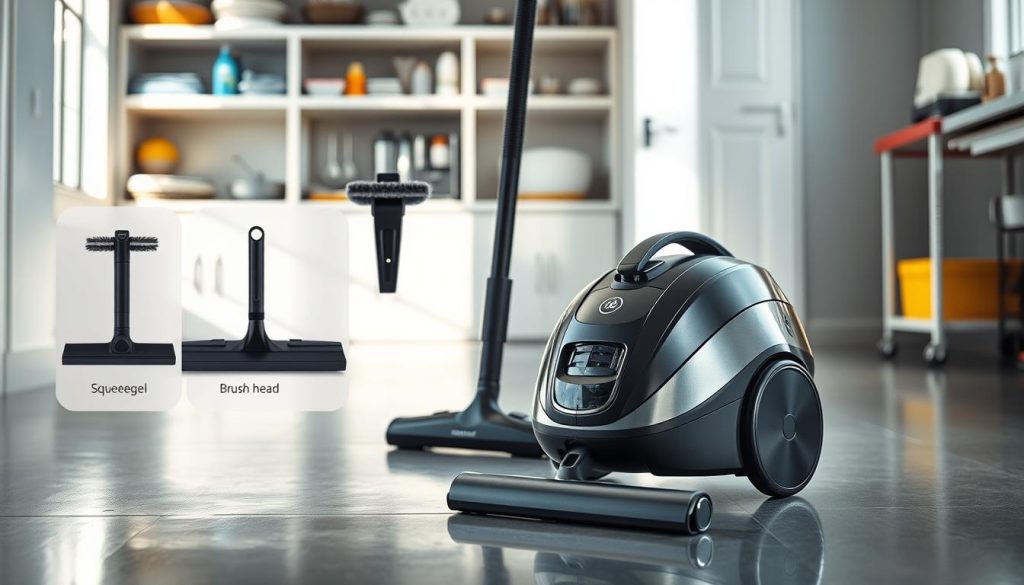
Tank capacity should match routine needs. For compact flats we recommend about 500–700 ml for clean tanks and a slightly smaller dirty tank. That reduces refill stops while keeping liftable weight.
Suction power matters in practice. Look for steady suction that performs along edges and skirting, and holds up as tanks fill. High suction that pairs well with the roller gives cleaner hard floors.
Runtime and charging should fit a 20–30 minute sweet spot. Docking convenience and short recharge cycles often matter more than headline minutes.
- Weight & manoeuvrability: swivel steering and lay-flat heads let us reach under furniture and turn in tight corridors.
- Self-cleaning: rinsing rollers and channels cut odours and make daily use easier.
- Noise & maintenance: quieter operation improves household comfort; check replacement rollers and filters are available locally to avoid surprise costs.
| Feature | What to check | Practical tip |
|---|---|---|
| Capacity | 500–700 ml clean / ~400–500 ml dirty | Avoid oversized tanks that discourage use |
| Suction power | Consistent high suction with roller compatibility | Test edge pickup if possible |
| Runtime | 20–30 minutes typical for apartments | Prefer fast-charge docks |
| Maintenance | Filter and roller availability in Singapore | Check local stock and warranty |
Design and docking finish the list: a compact dock and clean lines help the unit live in view, so we use it more often. For example, models like NNIO WEDEE show how sensible capacity, adjustable water flow and self-cleaning can fit apartment needs.
Who benefits most from a wet dry vacuum cleaner (and who may not)
Certain households gain more from a device that picks up solids and handles small spills in one pass. We look at who finds this useful and who might prefer a simpler suction tool.
Families and parents
Children create sticky patches and runny spills after meals. One machine that vacuums then lifts residue saves us repeated trips to the sink.
Advantage: faster cleanups and fewer tool swaps for everyday messes.
Pet owners
Pets shed fur, tip water bowls and have occasional accidents. A model that deals with hair and small wet patches keeps hard floors fresher between deep cleans.
Advantage: easier spot care for pet hair and water without pulling out multiple cleaners.
Apartment dwellers
Limited storage and compact layouts suit a single unit that replaces a mop and a suction tool. We free up space while keeping upkeep quick.
When it may not pay off
If most messes are dry dust and crumbs, a straightforward dry vacuum cleaner is lighter, quieter and faster for routine pickup. Likewise, homes with deep pile carpets often need a dedicated carpet vacuum for thorough agitation and lift.
- Decision prompts: Estimate how often spills occur, how much carpet you have, and whether one machine should replace several.
- If spills and pet messes make up over 25% of your chores, a combined unit usually wins.
- If daily work is mainly dry debris, choose a reliable dry vacuum cleaner for speed and simplicity.
For further detail on operation and features, see our wet and dry vacuum cleaner guide.
Everyday use cases we see in Singapore homes
In cramped flats, quick spot care keeps surfaces pleasant between chores. Below are three common runs that show how tools perform on hard floors under bright lighting and with bare feet in mind.
Dinner aftermath: crumbs plus soup drips
After a meal we often face loose crumbs and small soup spills at once. A wet dry vacuum usually finishes this in one pass. That saves a trip to the mop and keeps floors usable sooner.
Entryway refresh: rainy-day footprints and grit
Rain brings gritty dirt and damp prints to hallways. Controlled moisture and strong suction stop a film forming on tiles. We do quick touch-ups before grit scuffs finish the floor.
Coffee corner clean-ups: sticky rings and dried splashes
Coffee drops can dry into tacky marks. A wet-dry route lifts residue and loose debris together. For quick dust or hair runs in bedrooms, a reliable dry vacuum remains faster and lighter to use.
Practical habits: empty dirty tanks promptly, tackle spills early, and store the unit on a dock for grab-and-go access. These steps keep performance steady and make regular upkeep realistic.
Conclusion
Picking a device that you will actually use makes the biggest difference to everyday upkeep. Practical consistency beats raw specs; small, frequent clean-ups keep flats guest-ready.
Simply put, a dry vacuum excels at dry debris while a wet dry vacuum handles solids plus spills in one pass. Factor in mess type, floor finishes and how often we clean each week before choosing.
Prioritise key features: steady suction, sensible capacity, manoeuvrability, self‑cleaning options and local parts availability. These features drive real-world value more than peak numbers.
Our tool strategy is clear: frequent spills favour a wet dry unit to cut tool swaps; rare spills make a reliable dry vacuum cleaner plus occasional mopping more sensible.
Choose the machine we will use every week; that habit keeps floors hygienic, comfortable and ready for guests. For creative ways to extend use, see unusual uses.

