
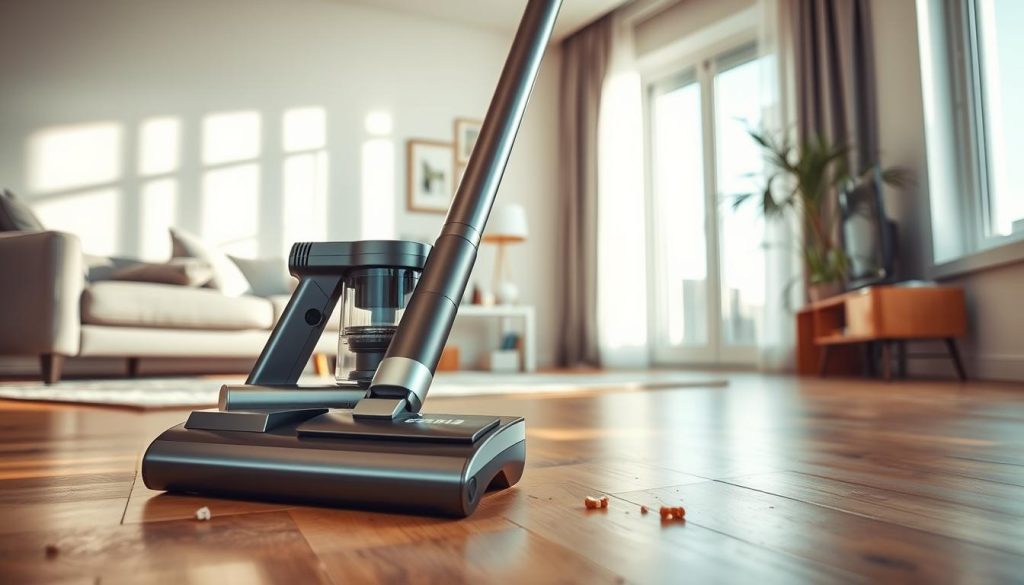
We offer a practical, building-wide approach to better indoor air quality for Singapore homes and facilities. Our team assesses each space, specifies the right systems, fits the unit safely and verifies performance so you get measurable results.
Effective purification must remove particles and gases and move most of the room’s air through filters. We design solutions that balance filtration, ventilation and energy use. That means cleaner air where people spend over 70% of their time.
We handle new installs, upgrades and replacements, and we leave work tidy with a clear handover. You can plan ongoing maintenance with us to keep performance steady over the years.
Ready for a tailored site survey and quotation? Contact us with your timeline and needs, and we will provide a prompt, professional service.
Cleaner indoor air for Singapore homes and buildings
We see many properties where poor ventilation and recirculation trap pollutants, so the air people breathe indoors can become far more contaminated than outdoor air.
Why indoor air can be far more contaminated than outdoor air
Studies show indoor air can be about five times more contaminated than outside. Trapped particles, limited fresh intake and repeated recirculation concentrate gases and particulates over time.
Where pollutants build up in everyday spaces
- Bedrooms and living areas where air mixes unevenly and dust collects.
- Corridors, storerooms and high-traffic spaces that see repeated use.
- HVAC pathways — return grilles, coils, ducts and filter sections — where bacteria and fine particles persist.
Accumulated contaminants lead to odours, congestion, irritation and a stale feeling in each room. Occasional cleaning helps, but it cannot substitute for continuous, system-level treatment.
We design and fit the right level of filtration and purification for your home or building usage. Our aim is steady improvement in air quality and lasting comfort across every space.
What a whole-house air purifier system does
A building-level system treats the air that moves through your HVAC so cleaning happens continuously across rooms. We design systems to capture dangerous particles and manage gaseous pollutants without relying on a single portable device.
Capturing particles and managing gases
Purification fulfils two jobs: trapping dust and fine particles, and reducing volatile organic compounds that cause lasting odours. Multi-stage filtration is key; pre-filters protect downstream media and keep capture consistent.
Moving enough air through the unit to be effective
Even excellent filters fail if the unit does not cycle most of the room’s air. We size and place equipment so pathways do not bypass filters and so flow rates deliver measurable improvement.
Some systems add active technologies such as ions or UV, but the fundamentals remain filtration plus sufficient airflow. We select the right configuration based on contaminant load and space use, and we ensure the final set-up performs as intended.
whole house air purifier installation services for complete indoor air quality improvement
From initial survey to final commissioning, we deliver an end-to-end service that targets measurable improvement in comfort and health. Our licensed technicians assess your space, pick compatible products and confirm performance after fit-out.
New installations, upgrades, and replacements
We manage new projects for first-time upgrades, replace ageing systems and offer targeted upgrades to boost capture and flow. Safe removal and responsible disposal of old equipment is part of our scope to keep sites tidy.
Designing solutions around your room, space, and airflow needs
We size and position equipment based on actual airflow paths and room layout so the system performs, not just fits. We match filters and media to your goals — allergy control, odour reduction or high-occupancy use.
Support for residential and commercial applications
We support homes, offices and building-level HVAC integration. As a supply-and-install partner, we provide correct sizing, compatible products and a clear scope of work for each service.
| Project stage | What we deliver | Typical outcome |
|---|---|---|
| Survey & assessment | Pollutant mapping, airflow checks | Accurate system sizing |
| Supply & product selection | HEPA, pre-filters, carbon media | Targeted contaminant removal |
| Fit-out & commissioning | Professional install, testing | Verified air quality improvement |
Next: we outline the contaminants we target and how different systems address them.
Air contaminants we design systems to reduce
We design systems that target specific pollutant types so each treatment stage addresses a measurable risk.

Dust, pollen and airborne allergens
Dust and pollen travel easily through return pathways and settle where flow is weak. These particles aggravate allergies and reduce comfort in bedrooms and shared spaces.
Multi-stage filtration captures coarse dust and finer allergens so settled dust does not keep recirculating. We size pre-filters to protect downstream media and maintain steady performance.
Bacteria and other biological contaminants
Biological risks include bacteria, mould spores and biofilm that persist in damp ducts and coils. Stagnant spots in HVAC routes become reservoirs if left unchecked.
HEPA filters can capture particles down to 0.3 microns, including many mould spores and bacteria. Where required, we add targeted disinfection in equipment to lower biological load.
Volatile organic compounds and persistent odours
Volatile organic compounds come from furnishings, cleaning products and renovations. Gaseous pollutants need adsorptive media rather than particle filters.
Activated carbon and specialised carbon blends reduce odours and organic compounds. We match media type and contact time to the contaminant profile and expected loads.
Different contaminants demand different technologies, so a single plug-in device often falls short. We specify stages and media based on what we find and set realistic reduction targets that depend on load, flow and maintenance.
Filter technologies we install and how they work
Different filter technologies work together to remove dust, particles and gases without overloading system fans. We choose combinations that suit room use, occupancy and contaminant load.
HEPA filtration for fine particles
HEPA captures 99%+ of particles at 0.3 microns. That makes it ideal for removing fine particles that cause irritation and allergy symptoms. We select HEPA modules when high capture efficiency is required.
Pleated and fibreglass pre-filters
Pleated filters increase surface area for stronger everyday dust control and longer life. They are a practical first stage in many offices and homes.
Fibreglass filters offer a low-cost option for capturing larger dust. They protect downstream media in multi-stage filtration systems.
Electrostatic and electronic cleaners
Electrostatic filters use static charge to trap particles. Options include washable and disposable types, so we match selection to maintenance access and performance needs.
Activated carbon for odours and VOC reduction
Activated carbon filters remove gases, odours and VOCs that particle filters cannot. We pair carbon media with particle stages to cover the full contaminant profile.
| Technology | Primary benefit | Common application |
|---|---|---|
| HEPA | High-efficiency capture (99%+ @0.3μm) | Bedrooms, clinics, high-sensitivity zones |
| Pleated filters | Increased media area, better dust loading | Offices, living spaces |
| Fibreglass filters | Cost-effective pre-filtration | Service ducts, rough dust zones |
| Electrostatic filters | Static capture; washable or disposable | Areas with limited maintenance access |
| Activated carbon filters | VOC and odour reduction | Kitchens, renovation zones |
Product series and range matter. Manufacturers group products by series, and we match the right range to your HVAC and usage. Proper sealing, access and correct airflow are as important as media choice for real-world results.
UV-C and advanced purification options
UV‑C and advanced technologies extend filtration by targeting biological growth and chemical vapours inside HVAC equipment. We use these options as part of a layered approach to protect downstream spaces and reduce persistent odours.
UVGI for mould, bacteria and viruses within HVAC equipment
We position germicidal light near coils, drain pans and return pathways to disrupt mould and bacteria where they thrive. Treating the source limits spread and helps downstream filters remain effective.
Hybrid UV‑C plus activated carbon
Hybrid systems pair UV‑C light with carbon media to tackle both biological and gaseous contaminants. For example, APCO Original RT & MAG combines UV‑C and activated carbon to reduce odours and volatile organic compounds.
Ozone/UVC for specialised odour control
Ozone/UVC lamp solutions are reserved for targeted kitchen exhaust or severe odour issues. We assess suitability, safety and regulatory limits before recommending these approaches.
| Option | Primary benefit | Typical fit |
|---|---|---|
| UVGI | Controls mould & bacteria growth | Coils, drain pans, return paths (AHU/FCU) |
| Hybrid (UV‑C + carbon) | Biological + VOCs control | APCO Original series; high-odour zones |
| Ozone/UVC | Targeted odour removal | Kitchen exhaust; specialised duct runs |
System compatibility across HVAC equipment
We check existing HVAC types and layouts early so new equipment matches system requirements and site constraints.
AHU integration for buildings and offices
For AHUs we plan installs to run with minimal disruption. We assess fan duty, duct routing and electrical supply so the unit integrates with central plant and office occupancy patterns.
FCU and duct-mounted installations for targeted purification
FCU and in-duct devices suit single rooms or zones. They are ideal where space is tight or targeted control is needed. We verify access for service and ensure the unit does not raise pressure drop beyond design limits.
MAU and fresh air inlet improvements
Filtration at the fresh-air inlet reduces pollutant entry from outside. We match filter range to supply volume so ventilation remains effective and compliant with local standards.
Clean room HVAC and PAHU applications
For PAHUs and clean room systems we use higher-grade modules and Fresh‑Aire UV solutions where required. Compatibility checks include mechanical fit, maintenance access, electrical needs and condensate/water management around coils and UVGI placement.
| Equipment | Key check | Typical solution |
|---|---|---|
| AHU | Fan capacity, duct routing | Central filter bank, UVGI at coils |
| FCU / Duct | Space, access, pressure drop | Compact cartridge or in-duct module |
| MAU / Inlet | Supply volume, pre-filtering | Intake carbon/pleated filters |
| PAHU / Clean room | Cleanliness class, serviceability | HEPA modules, high-contact adsorbents |
Our installation process from survey to commissioning
We follow a clear, step-by-step process so you know what to expect from first contact to handover.
Site assessment: space constraints, airflow and existing systems
We start with a site survey to record space, access panels and existing system condition. Our team maps airflow pathways and notes any constraints that affect fit and serviceability.
This check ensures the chosen product fits the available space and that ducts or fans do not restrict performance.
Product selection based on contaminants, load and usage
We select products by matching contaminant type, expected load and hours of occupancy. That balance lets the system remove pollutants while still moving enough air through filters for measurable results.
Professional installation, safe removal and responsible disposal
Our specialists install and align modules precisely to prevent bypass and preserve system duty. We remove old filters safely and dispose of them responsibly to keep your site clean and compliant.
Commissioning checks to confirm performance
Before handover we verify airflow direction, pressure drop and sealing. We test that the system meets the specified performance and provide practical maintenance guidance at handover.
| Step | What we check | Typical outcome |
|---|---|---|
| Survey | Space, access, existing systems | Accurate scope & timeline |
| Product selection | Contaminants, load, occupancy | Correct filter/media choice |
| Fit-out | Sealing, alignment, safe removal | Reliable system operation |
| Commissioning | Airflow, pressure, performance test | Verified results & handover |
Typical timeframes vary with site complexity, access and any electrical or duct upgrades. For a detailed guide on commissioning best practice see HVAC commissioning guidance.
Testing, verification, and performance checks
Verification turns a fitted system into a working system by proving it moves and cleans as intended. We do measured checks so outcomes are based on data, not assumption.
Why verification matters: a neat install can still underperform if flow is poor or bypasses exist. We confirm that filters and modules deliver the intended quality improvements.
Air flow and suction tests to reduce stagnant indoor air
We use flow meters and smoke-trace checks to locate stagnant pockets. Improving circulation reduces dust and lowers where germs tend to settle.
Our team measures suction at returns and pressure drop across filters to ensure enough movement through each stage.
Evaluating active purification, including ion technology where used
Where active features are fitted, we verify their operation and measure effects on particles and odour markers. We do not overstate claims; we record objective results.
| Test | Purpose | Pass criteria |
|---|---|---|
| Flow & suction | Detect stagnant zones, confirm mixing | Specified L/s achieved; no dead zones |
| Pressure drop | Check filter load and sealing | Within design limits; no bypass |
| Active tech evaluation | Confirm operation of ions/UV | Output within safe, effective range |
| End-to-end verification | Demonstrate measurable cleaning | Stable operation; improved air quality |
Practical pass means stable operation, correct flow, no bypass and a clear step to planned maintenance. We carry out tests with minimal disruption and provide a handover report and recommendations, including links to further indoor air quality checks at indoor air quality checks.
Energy use and life-cycle value
Operational energy often outweighs initial purchase price when we compare long-term filter value. Design choices at selection stage determine how much a unit will use in day-to-day operation and over the equipment life.
Why energy can dominate total filter life-cycle cost
Industry data shows energy in use can represent around 80% of an air filter’s life-cycle cost. That means the cheapest filter upfront can cost far more over time if it increases fan duty and running hours.
Balancing filtration efficiency with pressure drop and system performance
Higher-efficiency media captures more particles but often raises pressure drop. Increased resistance forces fans to work harder, which can reduce system performance and raise operating cost.
- We consider duty cycle and operating hours when choosing media.
- We assess contamination load and planned replacement intervals.
- We model pressure drop so fans remain within safe duty and comfort is maintained.
A well-chosen solution delivers measurable improvements in air quality while keeping running cost under control. Our recommendations focus on sustainable value over years, not a short-term fix.
The best value depends on where purification delivers the most impact in your building; next we explain which spaces benefit most from system-level treatment.
Where whole-house purification delivers the biggest impact
We target zones where people spend most time and where contaminants concentrate. That means treating bedrooms and living rooms first, then cooking areas and high-occupancy spaces. Our aim is consistent, measurable improvement across each room and space.
Bedrooms and living spaces for all-day clean air
Bedrooms and living areas show quick benefits because occupants spend long stretches there. A central unit keeps clean air flowing through returns so one room does not reclaim pollutants from another.
Kitchens and areas with smoke, grease, and odours
Kitchens create smoke, grease and strong odours that standard filters struggle to remove. We may specify electrostatic kitchen exhaust cleaners from the Airwave series paired with a UV ozone lamp for targeted odour control where safe and appropriate.
Grease traps and water near coils need careful management to avoid condensation and microbial growth that undermines performance.
Offices, healthcare and high-occupancy environments
For offices and clinics we integrate proven Fresh‑Aire UV products into AHUs and FCUs to reduce biological load and support reliable air quality across many occupants. Regular maintenance and correct water management near coils are vital in these settings.
In Singapore, we match solutions to each space and guide customers on safe, effective options that produce clear results.
Why choose our team in Singapore
We bring licensed technicians and a product-led approach that matches equipment to actual building needs and timelines. Our local team combines hands-on fitting skill with current knowledge of filtration, UV and carbon solutions.
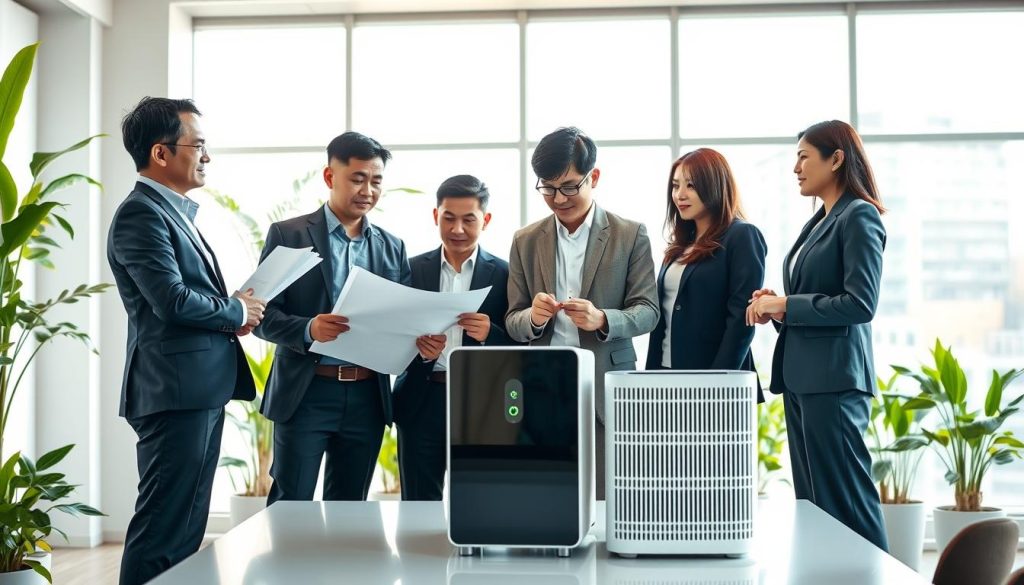
Years of experience and up-to-date knowledge
We have years of practical experience working with commercial and residential sites. Our engineers keep pace with new products and tested systems so recommendations stay current and effective.
Customised solutions built around your needs and timeline
We design solutions to match occupancy, contaminant profile and access constraints. That includes phased work or after-hours scheduling to minimise disruption.
Quality assurance through reputable manufacturers
We select proven systems from trusted suppliers to reduce risk and improve long-term reliability. Correct sealing, matching and testing are standard practice.
After-sales care and long-term support
Planned maintenance protects performance. We offer filter change planning, routine inspections and prompt support so systems keep working over years.
- Licensed, local team with field experience
- Product choice matched to site needs
- Proven systems and manufacturer-backed quality
- Clear maintenance and responsive support
“Letters of appreciation from the National University of Singapore, Citibank N.A., HBO Asia and Singapore Bus Services Ltd reflect our reliable supply and delivery on complex projects.”
Ready for a survey and proposal? Contact us and we will arrange a site assessment and tailored quotation.
Conclusion
Conclusion
Measured performance and sensible lifecycle choices turn a fitted system into lasting improvement for occupants.
Indoor air can be up to five times more contaminated than outdoor air, so correct design, correct media and proper commissioning matter. Our approach pairs HEPA-grade modules and appropriate filters with verified flow to deliver improved air quality and effective purification.
We also balance efficiency with pressure drop so energy and life-cycle value do not erode benefits. For a practical next step, book a site assessment and tailored recommendation.
Contact us to arrange a survey, proposal and quotation, or learn more about our air treatment options for Singapore homes and buildings.

